
Reviewed · COOKING CLASSES
Portuguese Cooking Class in Lisbon
The best part of this Lisbon experience is that you do not simply watch a chef prepare Portuguese food. You help make a full three-course meal, from a cheese and ham board with fresh bread to a traditional main dish and dessert. Along the way, the chef explains ingredients, customs, and practical kitchen methods.
I like the warm social setup, with Portuguese wine, local snacks, and a small group of up to 12 people. I also like that chefs such as Beatrice, Bernardo, Fabio, Flavio, and Renardo bring their own personalities and stories to the lesson. The main caution is time: this is a true three-and-a-half-hour meal experience, not a quick demonstration, and the pace may feel slow if you want to eat early.
In This Review
- What makes this Lisbon cooking class worth considering
- Arriving at Lisbon Affair on Avenida de Roma
- Starting with cheese, ham, bread, and Portuguese wine
- Preparing the seasonal Portuguese starter
- Cooking the main course, from seafood to vegetarian dishes
- Finishing with a traditional Portuguese dessert
- Sitting down to eat what you prepared
- The chefs make a real difference
- Is $114.93 a fair price?
- Who should book this experience?
- Should you book the Portuguese Cooking Class in Lisbon?
- FAQ
- How long does the Portuguese cooking class last?
- Where does the class begin and end?
- Is the cooking class taught in English?
- What food will I prepare?
- Are drinks included?
- Can I cancel for a full refund?
What makes this Lisbon cooking class worth considering
- A complete Portuguese meal: Prepare a starter, main course, and dessert rather than one isolated recipe.
- A small class of up to 12: The group size gives you a reasonable chance to take part in chopping, stirring, assembling, and plating.
- Chefs who teach as well as cook: Beatrice is often praised for her warmth and cultural explanations, while Bernardo is noted for working well with families and teenagers.
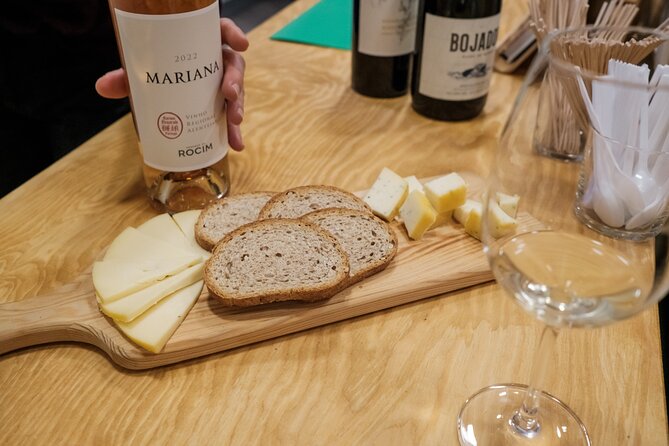
- Wine and local snacks throughout: Portuguese cheese, ham, bread, wine, water, coffee, tea, and soft drinks are included.
- Menus change with the season: Your main course may feature fish, seafood, or meat, with vegetarian alternatives available.
- Recipes sent afterward: Digital recipes let you recreate the meal at home instead of leaving the experience behind in Lisbon.
Arriving at Lisbon Affair on Avenida de Roma
The class begins at Lisbon Affair, Av. de Roma 87B, 1700-344 Lisboa. It is near public transportation, but private transportation is not included, so you need to make your own way there. Allow extra time for Lisbon traffic if you are arriving by taxi or car. One class participant arrived just on time after a stressful journey across the city, so a comfortable buffer is sensible.
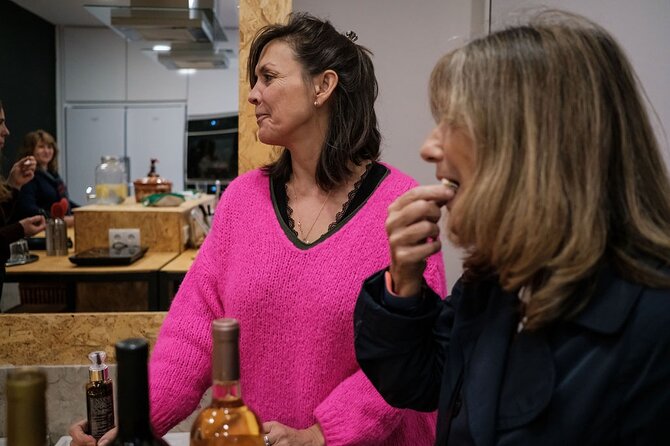
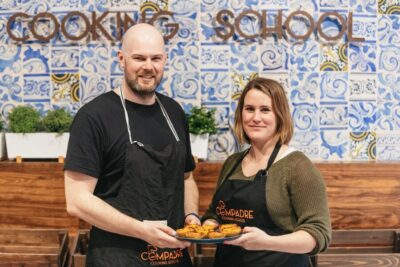
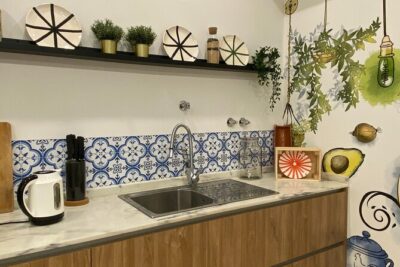
The setting is designed for shared cooking rather than a formal restaurant meal. Ingredients are portioned out at cooking stations, and the chef assigns tasks as the class gets underway. This organization matters because a group of 11 or 12 people can otherwise turn into a crowd around one cutting board.
You can expect instruction in English. The chefs are local and trained, and the class is intended for a range of skill levels. You do not need professional cooking experience. The useful distinction is that this is hands-on, but not necessarily a private lesson. You will share space, equipment, food preparation, and conversation with other people from around the world.
More Cooking Classes in Lisbon
- Lisbon: Pastel de Nata Baking Class
★ 4.9 · 2,106 reviews - Lisbon: Traditional Portuguese Cooking Class
★ 4.9 · 592 reviews - Lisbon: 2-Hour Pastel de Nata Cooking Class
★ 4.8 · 461 reviews
Starting with cheese, ham, bread, and Portuguese wine
The class generally opens with a cheese and ham board, Portuguese bread, drinks, and an introduction to the food you will prepare. This is more than a polite snack. It gives you something to eat while the kitchen work begins and introduces the simple ingredients that appear often on Portuguese tables.
Wine is served in moderation to participants aged 18 and over, in line with Portuguese law. Non-alcoholic drinks are available, and bottled water, soda, coffee, and tea are included. If you do not drink, you can still take part fully without feeling left out.
This opening also gives the chef a chance to explain Portuguese ingredients and food traditions. Beatrice is especially praised for connecting the dishes to Portuguese culture and for sharing personal stories. Other instructors, including Fabio, Flavio, Bernardo, and Renardo, are described as friendly and engaged teachers, though the exact chef depends on the session.
The social side is a major reason to book this class. You cook beside people you have just met, then eat together at the same table. It suits solo visitors and couples who want an easy way to meet people, as well as families seeking an activity that includes teenagers. It may suit you less if you prefer a quiet, private meal with no group interaction.
Preparing the seasonal Portuguese starter
The first cooked course is a typical Portuguese appetizer, and the precise menu can change with the season. The published sample menu begins with a cheese and ham board, but individual classes have included soup and other traditional starters. The seasonal approach is a sensible one in a cooking class: it allows the kitchen to use ingredients when they are at their best rather than forcing the same menu all year.
The starter is also where you begin learning the class rhythm. The chef demonstrates a technique, explains why it is used, and then gives participants a task. Depending on the menu and group arrangement, you may chop, season, stir, assemble, or help finish the dish.
Do not expect to prepare every plate or dish mentioned during the introduction. The class may show several Portuguese options while choosing a manageable selection for the hands-on meal. That can be confusing if you expect every item on display to become part of dinner, so listen closely when the chef explains the final menu.
A family-style approach means the finished food is shared. This gives everyone a role, but your personal task may be brief at one point and more involved later. The class works best when you are happy to participate as part of a team instead of expecting to cook an entire course alone.
Cooking the main course, from seafood to vegetarian dishes

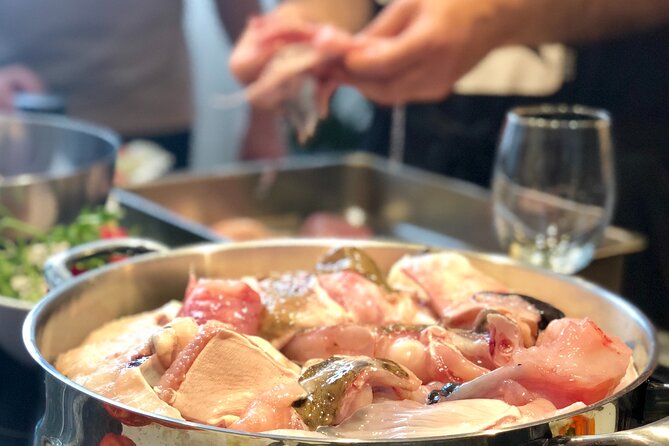
The main course is the heart of the class. It can be based on fish, seafood, or meat, and vegetarian options are available. The exact recipe is not fixed in the information provided, which is important for anyone booking mainly to learn one particular dish. You are signing up for a Portuguese cooking experience, not a guaranteed lesson in one named recipe.
Past menus have included clams, a cod casserole, and other Portuguese staples. These examples show the kind of food you may encounter: straightforward ingredients, strong local connections, and methods that can be repeated in a home kitchen. One of the class strengths is that the recipes are not presented as restaurant tricks requiring rare equipment.
Dietary needs can sometimes be accommodated. Vegetarian participants have been taught fully vegetarian Portuguese dishes, and a pork-free family received suitable alternatives. Still, you should communicate dietary restrictions before the class rather than waiting until ingredients are already prepared. The available information confirms flexibility, but it does not promise every possible allergy or diet can be handled.
The cooking takes time, especially with a large group or a dish that needs a slow preparation. One participant specifically advised planning to eat several hours after the start time. That is not a flaw if you enjoy the process, but it is worth knowing before scheduling a museum visit, concert, or late-night train afterward.
A different kind of day out, same corner of Portugal:
- Lisbon City Center Tour – The Unmissable Lisbon
★ 5.0 · 22,234 reviews - Lisbon: Sintra, Pena, Regaleira, Cabo da Roca & Cascais
★ 4.7 · 19,656 reviews - Sintra: Pena Palace and Park Entrance Ticket
★ 4.2 · 17,410 reviews - Lisbon: Jerónimos Monastery Entrance Ticket
★ 4.1 · 14,164 reviews
Finishing with a traditional Portuguese dessert
Dessert completes the three-course menu and is described as a typical Portuguese sweet. Past examples include poached pears and custard. These are useful dishes to learn because they can be made again for friends or family without requiring an elaborate pastry kitchen.
Dessert is also where the class timing can stretch. Slow stirring or careful cooking may be part of the method, and the chef may ask the group to take turns. Most participants will find this a pleasant part of the evening, particularly with wine and conversation. If you dislike repetitive kitchen work, it may feel less entertaining than the final meal suggests.
The teaching style can vary by chef. Beatrice is frequently praised for encouragement, humor, and keeping everyone involved. One sharply negative experience described an overly strict atmosphere and a long period of stirring rice pudding. That account is unusual beside the many positive comments, but it is still a useful warning: the personality of the instructor can shape the evening as much as the menu.
Sitting down to eat what you prepared
Once the three courses are ready, you sit down and eat the meal with Portuguese wine. This final stage gives the class a satisfying purpose. You are not packing up after a demonstration or sampling a bite while standing at a counter. You share a full meal, and several participants found the portions generous enough to leave them very full.
The meal may be presented as lunch or dinner depending on the scheduled session. Since the experience lasts about three hours and 30 minutes, treat it as the main food event of that part of your day. A small snack beforehand is sensible if you arrive hungry, but do not plan a separate meal close to the start.
The wine pairing is informal rather than a formal tasting. You receive Portuguese wine during the experience, served with moderation, and the class also includes water and non-alcoholic choices. The value here is not a lesson in wine production. It is the pleasure of matching local drinks with food you have just prepared.
The shared table is where the cooking class becomes a cultural activity. You learn about food, but you also hear where other people are from and swap travel stories. For solo visitors, that can be one of the most useful parts of the evening. For couples or families, it adds a social layer without taking away the meal you came to cook.
The chefs make a real difference
The experience provider uses several local chefs, so you should not assume one instructor is guaranteed unless your booking confirms it. Beatrice receives especially strong praise for her warmth, teaching, cultural background, and ability to involve people with different cooking skills. Bernardo is noted for being engaging with a teenager and for adapting a private class to food preferences.
Renardo is described as an energetic host who made the process educational and genuine. Fabio and Flavio are also praised for their friendly manner and clear explanations. These names give you a sense of the team, but the class atmosphere can still depend on the individual session and the mix of people attending.
The maximum group size is 12. That is small enough for a personal feel, yet large enough that you should not expect constant one-on-one attention. One group of 11 reported that everyone had a role, which is a good sign of how the class is meant to operate. Your experience will be strongest if you are willing to share jobs and ask questions when you want more guidance.
Service animals are allowed, and the meeting point is near public transportation. No private transfer is provided. Confirmation arrives when you book, and the activity ends back at the same meeting point, so you do not need to arrange a separate ride from the meal.
Is $114.93 a fair price?
At $114.93 per person, this is not a budget meal. The price makes more sense when you count the full package: about three and a half hours of instruction, a three-course lunch or dinner, snacks, Portuguese wine, water, soft drinks, coffee, and tea. You also leave with digital recipes and the memory of preparing the meal rather than simply eating it.
I would compare the cost with a standard Lisbon restaurant meal only if you are mainly seeking dinner. A restaurant may be cheaper, especially for a simple meal, but it will not give you cooking instruction, cultural context, or a social activity lasting most of an evening.
The value is strongest for people who enjoy participation. If you want to learn a few practical Portuguese recipes and understand how local ingredients fit together, the price is reasonable for a special Lisbon activity. If you dislike cooking, have a tight schedule, or care only about tasting food, you will probably find better value elsewhere.
The experience is often booked well ahead, with an average booking lead time of 37 days. That suggests planning early, particularly if you need a specific date or want to fit the class into a short Lisbon stay.
Who should book this experience?
I would recommend it to solo visitors, couples, families with older children or teenagers, and anyone who likes meeting people through food. It is also a good choice for cooks at beginner or intermediate level because the chefs explain both the steps and the reasons behind them.
Vegetarians and people who avoid pork may be accommodated, but you should raise those needs in advance. The class is not described as allergy-certified, so anyone with serious allergies should confirm suitability before booking.
Book it when you have a free half-day or evening. Do not squeeze it between fixed appointments. The class needs time for preparation, cooking, conversation, and eating, and the generous length is part of the point.
Free cancellation is available up to 24 hours before the start time for a full refund. Changes or cancellations inside that window are not accepted for a refund, and the activity requires a minimum number of participants. If the provider cancels because that minimum is not met, you are offered another date or experience, or a full refund.
Should you book the Portuguese Cooking Class in Lisbon?
Book this class if you want a social, hands-on introduction to Portuguese food and are happy to give an evening to the process. The best reasons are the three-course meal, local wine, seasonal ingredients, digital recipes, and chefs such as Beatrice and Bernardo who bring warmth and cultural detail to the kitchen.
Skip it if you want a short demonstration, a guaranteed named recipe, or complete control over the pace. The one serious negative account points to a possible mismatch with a very strict teaching style, while the wider experience offered by the team is relaxed and welcoming.
For most food-minded visitors, I would put this high on a Lisbon activity list. Come hungry, arrive early, tell the chef about dietary needs, and think of it as dinner plus a social evening, not simply a cooking lesson.
FAQ
How long does the Portuguese cooking class last?
The experience lasts approximately three hours and 30 minutes. Plan to eat several hours after the class begins because preparation and cooking are part of the activity.
Where does the class begin and end?
It starts and ends at Lisbon Affair, Av. de Roma 87B, 1700-344 Lisboa, Portugal.
Is the cooking class taught in English?
Yes. The hands-on class is conducted in English by local, trained Portuguese chefs.
What food will I prepare?
You prepare a three-course Portuguese meal. The starter may change with the season, the main course can feature fish, seafood, or meat, and vegetarian options are available. Dessert is a traditional Portuguese dish.
Are drinks included?
Yes. The experience includes Portuguese alcoholic drinks for participants aged 18 and over, served in moderation, plus bottled water, coffee, tea, and soda. Non-alcoholic options are available.
Can I cancel for a full refund?
Yes, if you cancel at least 24 hours before the experience start time. Cancellations or changes made less than 24 hours before the start are not refunded or accepted.
More Workshops in Lisbon
- Pastel de Nata Pastry Class: Bake and Enjoy Your Own Treats
★ 5.0 · 485 reviews - Lisbon Portuguese Cooking Class with 3-Course Dinner
★ 5.0 · 445 reviews - Lisbon: Azulejos’ Design Create Your Own Tile Workshop
★ 4.9 · 420 reviews - Lisbon: Surfing Lesson on Costa de Caparica Beach
★ 5.0 · 322 reviews
Recently reviewed around Lisbon
- Lisbon: Catamaran Luxury Sunset and Wine Tour★ 5.0 · 119 reviews
- Lisbon’s authentic Food and Wine tour with a Winemaker★ 5.0 · 67 reviews
- Morning Sailing Tour in Tagus River from Lisbon★ 5.0 · 68 reviews
- Lisbon: Belem Walking Tour with Jeronimos Monastery Tks Included★ 5.0 · 115 reviews
- PRIVATE Unforgettable Full Day Tour to Sintra from Lisbon★ 5.0 · 236 reviews
- Discover Lisbon’s Alfama: Secrets of the Old Town★ 5.0 · 104 reviews
- Sesimbra Wild Beach Tour from Lisbon★ 5.0 · 57 reviews
- Private Jeep Tour from Lisbon – Arrábida, Sesimbra & Beach Picnic★ 5.0 · 48 reviews
Cooking Classes, compared.

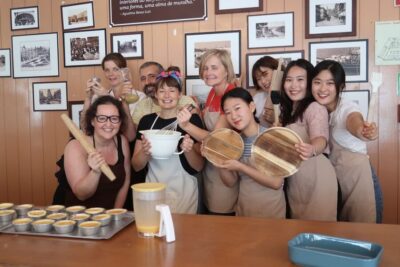
Pastel de Nata Cooking Class with Grandma’s Recipe
Read our review →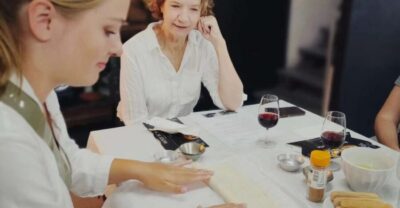
Pastel de Nata Cooking Class with Port Wine – Sé
Read our review →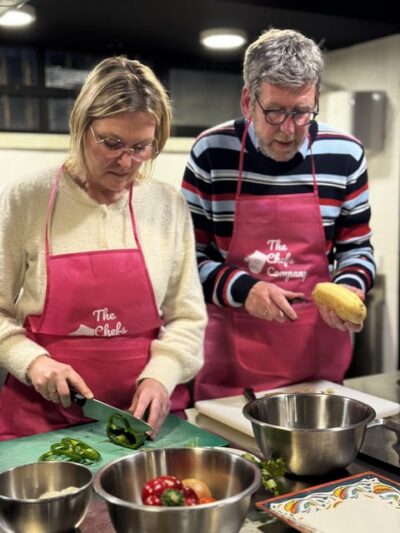
Lisbon Portuguese Cooking Class with 3-Course Dinner
Read our review →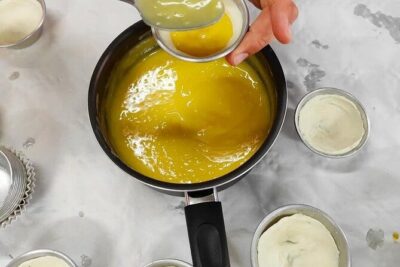
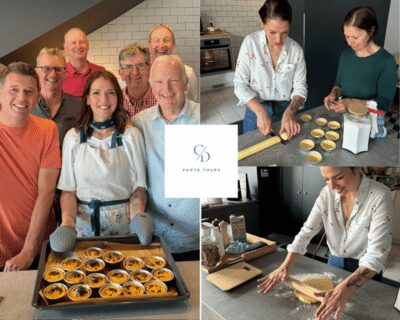
Pastel de Nata Cooking Class with Porto Wine (Sé do Porto)
Read our review →Browse the lists this tour appears in