
Reviewed · COOKING CLASSES
Lisbon: Traditional Portuguese Cooking Class
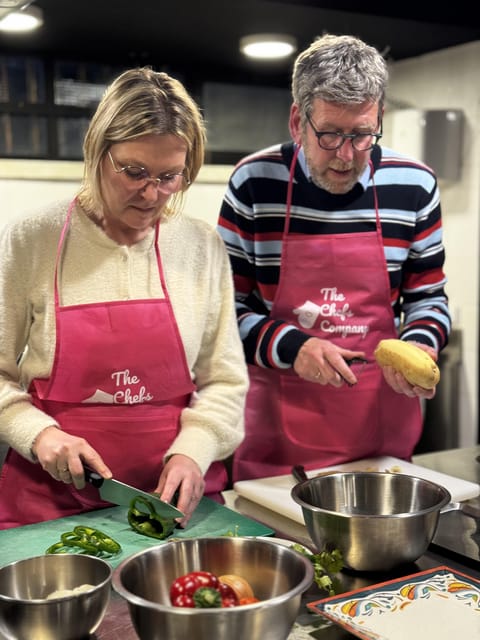
Lisbon’s food culture makes the most sense when you are standing at a kitchen counter, tasting ingredients, and learning why a dish is prepared a certain way. This three-hour class at Homecooking Lisbon HUB turns Portuguese cuisine into a shared meal, with hands-on cooking, local stories, wine, beer, and a four-course feast.
I like the small-group format, limited to 10 people, because it gives the chef room to help beginners without turning the class into a private lesson. I also like the generous food and drink: appetizers arrive early, all ingredients and equipment are supplied, and the meal includes wine, beer, juice, coffee, and water.
The main consideration is that this is a social cooking workshop, not a quiet demonstration. You will work with other people, share kitchen tasks, and eat what the group prepares. One dish may also be less appealing to you than another, since one participant found the pork ribs tough.
In This Review
- Key points at a glance
- Arriving at Homecooking Lisbon HUB
- Wine, snacks, and a gentle start
- Learning Portuguese food through stories and technique
- Four courses, prepared step by step
- Sitting down to eat what you made
- What the three hours feel like
- The social side: cooking as a way to meet Lisbon
- Is $100 a fair price?
- Who should book this Lisbon cooking class?
- FAQ
- Where does the Portuguese cooking class meet?
- How long does the activity last?
- What language is used during the class?
- What is included in the $100 price?
- Is hotel transportation included?
- Can I cancel the booking for a refund?
Key points at a glance
- A complete four-course meal: You prepare the food yourself, then sit down together to eat it.
- Drinks begin before the cooking: Portuguese wine, beer, homemade juice, coffee, and water are included, along with finger food and snacks.
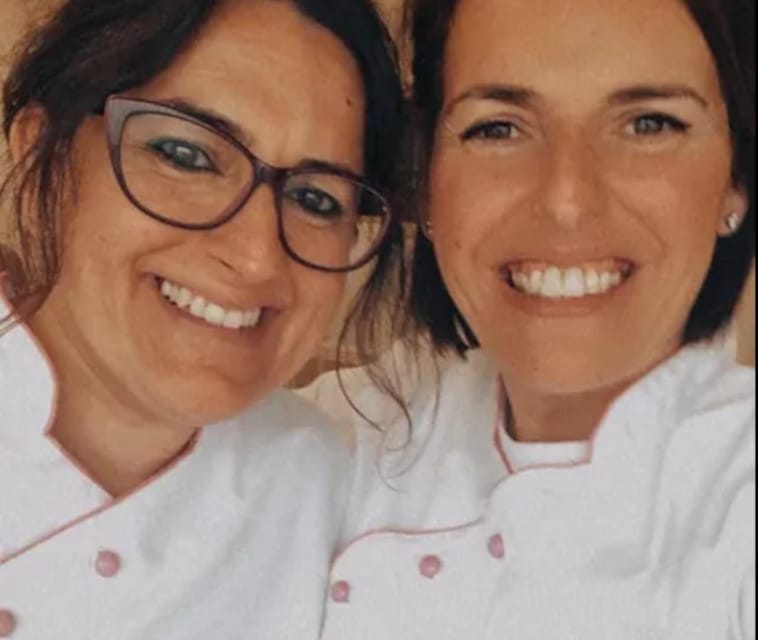
- English-speaking instruction: Chefs explain techniques, ingredients, cultural background, and each cooking step.
- A genuinely social setting: The group cooks in pairs or small teams, making this a good choice for meeting people in Lisbon.
- Recipes with a Portuguese point of view: You learn home-style methods and the stories behind seasonal dishes, not just a list of ingredients.
- Three hours and $100 per person: The price covers the meal, drinks, equipment, instruction, snacks, and insurance, but not transportation.
Arriving at Homecooking Lisbon HUB
The class meets at the Homecooking Lisbon HUB in the Lisbon District. You arrange your own way there, since hotel pickup and drop-off are not included.
The location is worth planning for rather than treating as an afterthought. One person found that a city bus stopped right in front of the venue, while another liked being a little outside central Lisbon and getting a better feel for a local neighborhood. Check your route before leaving, and allow enough time to arrive ready to cook.
The room is described as cozy, clean, and well run. That matters in a cooking class. You want a kitchen that feels organized before food preparation begins, with ingredients and tools ready to go. The class supplies everything needed for the four-course meal, so you do not need to bring cooking equipment.
The setting also shapes the evening. This is not a large restaurant-style show where you sit at a distance and watch someone else work. You take part at the counter, move between tasks, and share the results with the group.
More Cooking Classes in Lisbon
- Lisbon: Pastel de Nata Baking Class
★ 4.9 · 2,106 reviews - Lisbon: 2-Hour Pastel de Nata Cooking Class
★ 4.8 · 461 reviews - Lisbon Portuguese Cooking Class with 3-Course Dinner
★ 5.0 · 445 reviews
Wine, snacks, and a gentle start
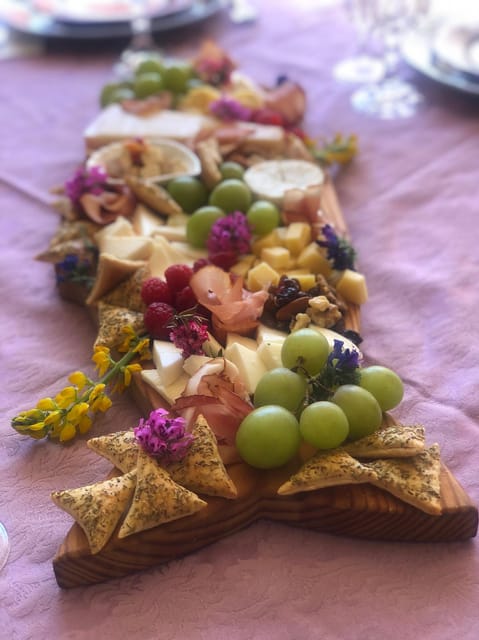
The class begins with drinks and finger food, giving everyone time to settle in before the cooking gets serious. Wine and beer are included, as are homemade juice, water, and later coffee.
This opening is more useful than it may sound. It gives you a chance to meet the other people in the group and get comfortable with the chef. Cooking with strangers can feel awkward for the first few minutes, but a shared plate of snacks and a glass of wine quickly gives the room a relaxed rhythm.
The opening food also introduces Portuguese flavors before you begin the main dishes. Some classes have included tastings of ginja, port wine, and a sweet almond liqueur at the end, though the exact drinks and menu can vary. You should expect a food-focused social experience rather than a formal wine course.
One practical tip is clear: arrive hungry. The snacks are only the beginning, and the four-course meal can be substantial. Several people were surprised by the amount of food, and one person advised arriving completely hungry. Do not schedule a large lunch right before an afternoon class.
Learning Portuguese food through stories and technique
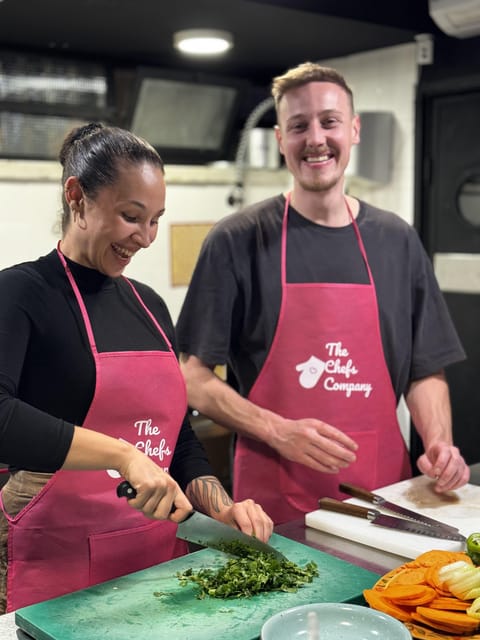
Once everyone has a drink and a place in the kitchen, the chef explains the dishes and the plan. The instruction is in English, and the teaching style is intended to work for people with little or no cooking experience.
The best part is the link between technique and culture. You do not simply chop, stir, and wait for the food to finish. The chef explains ingredients, spices, cooking choices, and the traditions behind the recipes. Some instructors also connect the food to Lisbon’s past and to family cooking, including recipes and lessons learned from their mothers.
The teaching team changes, but names praised in the supplied material include Pedro, Theresa, Miguel, Beatriz, Tereza, Bee, Kriszti, and Miyuki. Their approaches differ, yet the pattern is consistent: clear instructions, patient help, and an effort to make sure everyone takes part.
I would especially recommend this class if you like asking questions. You can compare Portuguese methods with your own cooking traditions, learn alternate ways to use ingredients, and pick up practical ideas to try at home. One participant from Italy enjoyed comparing the tools and ingredients with those used in Italian cooking.
The format is collaborative. You may cook in pairs or small groups, with the chef and an assistant helping when needed. That means you will not personally prepare every part of every course from start to finish. In return, you get a wider look at the meal and a chance to work with people from different countries.
Four courses, prepared step by step
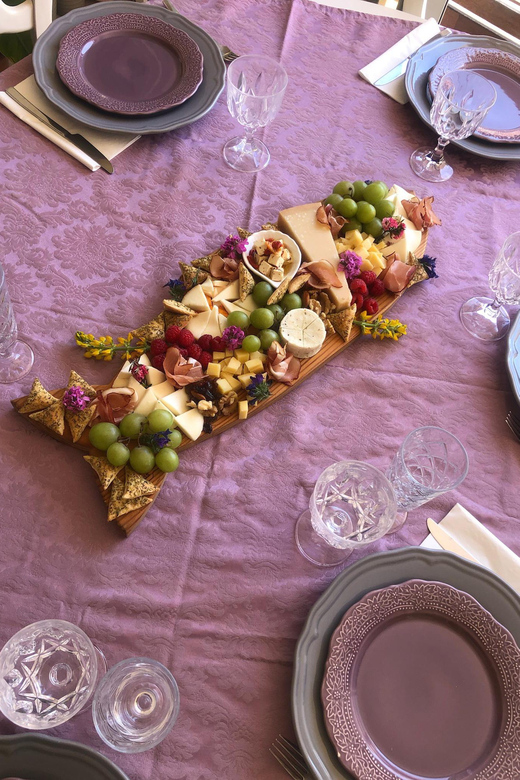
The central part of the class is the preparation of a traditional four-course meal. The menu is seasonal, and the exact dishes are not fixed in the information provided, so you should not book this expecting a particular main course on a particular date.
What you can count on is a guided progression through several dishes. The chef breaks down each recipe, shows you the process, and stays available as the group works. This makes the class useful for beginners, but experienced home cooks should also find worthwhile details in the methods and ingredient combinations.
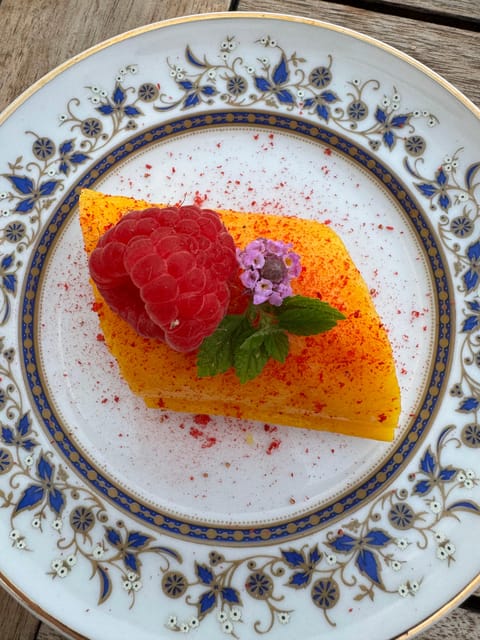
One known example is pastel de nata, the famous Portuguese custard tart. It has appeared as part of the cooking experience and gives the class a sweet finish with a strong connection to Lisbon’s food identity. One participant even took home extra tarts, though you should not assume every class will provide leftovers.
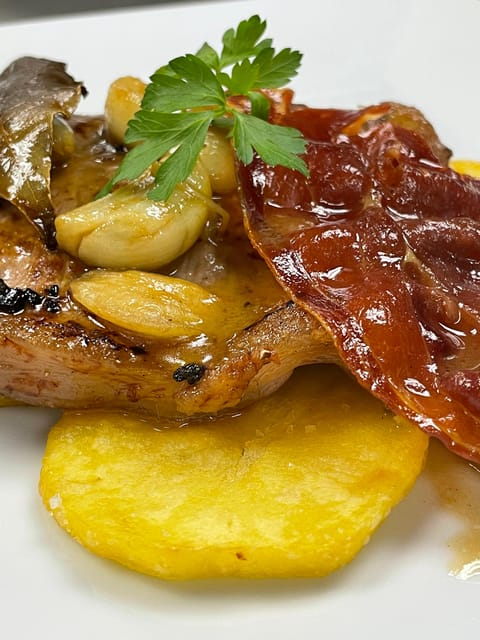
The savory menu may include meat or other traditional preparations. Pork ribs were part of at least one menu and received a mixed response because the cut was tough for one participant. That is a fair reminder that a cooking class is not the same as ordering from a restaurant. You are learning a style of preparation and eating a group meal, and one course may not suit every palate.
Dietary needs and allergies deserve attention before you book. One class handled several food preferences and allergies with plenty of options, but the supplied activity details do not promise a specific dietary menu. Contact the provider in advance if you need changes, rather than assuming they can be made on the day.
A different kind of day out, same corner of Portugal:
- Lisbon City Center Tour – The Unmissable Lisbon
★ 5.0 · 22,234 reviews - Lisbon: Sintra, Pena, Regaleira, Cabo da Roca & Cascais
★ 4.7 · 19,656 reviews - Sintra: Pena Palace and Park Entrance Ticket
★ 4.2 · 17,410 reviews - Lisbon: Jerónimos Monastery Entrance Ticket
★ 4.1 · 14,164 reviews
Sitting down to eat what you made
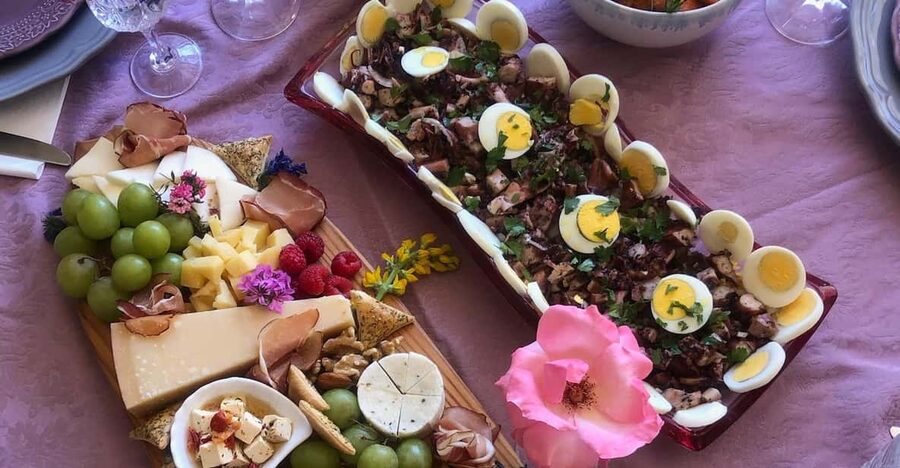
After the cooking, everyone sits down to share the meal. This is where the class shifts from lesson to communal dinner, and it is a major part of the value.
You have seen the ingredients, handled the preparation, and learned the background. Eating the finished dishes gives you a better sense of how the parts fit together. Even a simple recipe becomes memorable when you know the steps that brought it to the table.
The meal also gives the group time to talk. People often come from different countries, and the shared work creates an easy subject for conversation. If you are traveling alone, this can be a pleasant way to meet people without joining a formal sightseeing group.
The quantity is another strong point. Drinks continue through the experience, and the food is not limited to a token tasting. At $100 per person, the combination of instruction, a full four-course meal, snacks, and drinks makes more sense than comparing the price with a standard restaurant dinner.
Still, value depends on what you want. If you only want to eat Portuguese food, you can find cheaper meals in Lisbon. You are paying for the instruction, the social setting, the cultural context, and the chance to reproduce some of the recipes at home.
What the three hours feel like
Three hours is long enough to create a real meal but short enough to fit into a Lisbon sightseeing day. You will need to reserve the whole block, since the class includes introductions, drinks, explanations, cooking, and the final meal.
The pace appears designed to keep the group involved without making beginners feel rushed. Chefs explain each stage, then help people as they work. Some people prefer to take an active role, while others are happier with lighter tasks, and the instructor can adjust participation to individual comfort.
That flexibility is important in a mixed group. You may share the kitchen with an enthusiastic home cook, a first-timer, a family, or someone who mainly wants to meet people and eat well. The class has been described as welcoming to different experience levels, with instructors making an effort to include everyone.
Families should read the age guidance carefully. The activity is listed as unsuitable for children under 6, while older children have enjoyed it with their families. Children aged 8, 10, and 11 have taken part successfully, but the kitchen remains a working space, so adults should judge whether their child will enjoy a three-hour group activity.
The activity is also listed as unsuitable for people with mobility impairments. If you have accessibility concerns, ask Homecooking Lisbon about the kitchen setup before booking.
The social side: cooking as a way to meet Lisbon
The strongest thread running through this experience is its friendly social mood. People cook together, laugh together, and eventually sit down at the same table.
That atmosphere is helped by the instructors. Theresa has been praised for patience and warmth, while Miguel has been described as attentive and clear. Beatriz has been noted for her enthusiasm and cultural explanations, and Miyuki for thorough, patient teaching. Other instructors, including Pedro, Tereza, Bee, and Kriszti, have also been singled out for making the class welcoming and fun.
You should not expect the exact same personality or menu each time. That is normal for a class with several chefs. The consistent design gives each instructor a framework, while the stories and teaching style add a personal touch.
For couples, the class offers a change from restaurant dinners. For solo visitors, it provides company without requiring you to organize a group. For families with older children, it turns dinner into something everyone helps create. Food lovers get the clearest benefit, but you do not need serious culinary ambitions to enjoy it.
Is $100 a fair price?
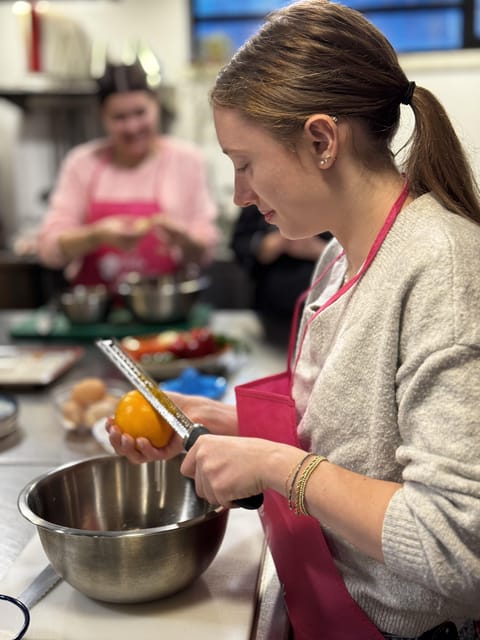
At $100 per person, this is not a budget activity. But the price includes much more than a lesson: all ingredients, cooking equipment, chef instruction, up to three hours in the kitchen, snacks, a four-course meal, several drink options, and insurance.
I would compare it with the cost of a good dinner plus a separate cultural activity. The class combines both, and you leave with techniques and recipes rather than only a receipt. The included alcohol adds value for adults who plan to drink, while homemade juice, coffee, and water keep the experience useful for people who do not.
The value is weaker if you dislike group activities, have strict dietary needs that cannot be confirmed in advance, or want a polished restaurant meal with no cooking required. It is stronger if you want to understand Portuguese food and enjoy a relaxed evening with other people.
The overall rating is 4.9 from 592 reviews, which matches the pattern of praise for the chefs, food, organization, and friendly atmosphere. The occasional concern about a tough meat dish is worth keeping in mind, but it does not change the main appeal: you are buying participation, not just a plate of food.
Who should book this Lisbon cooking class?
I would book this class if you want a hands-on introduction to Portuguese cuisine and like the idea of learning through a shared meal. It is especially good for couples, solo visitors, food-focused families with children over 6, and anyone who wants recipes to try after returning home.
You should also book it early in your Lisbon planning if you prefer small groups, since the class is limited to 10 participants. Reserve only when the timing suits your day, though the activity allows free cancellation up to 24 hours ahead and offers reserve-now, pay-later booking.
Skip it if you want a private class, a fixed menu you can inspect in advance, or a purely passive tasting. Otherwise, this is a practical and enjoyable way to connect food, people, and Portuguese culture in one well-packed three-hour experience.
FAQ
Where does the Portuguese cooking class meet?
The meeting point is Homecooking Lisbon HUB in the Lisbon District.
How long does the activity last?
The cooking class lasts three hours.
What language is used during the class?
Instruction is provided in English.
What is included in the $100 price?
The price includes ingredients, cooking equipment, chef instruction, snacks, finger food, wine, beer, homemade juice, coffee, water, up to three hours of the shared experience, and insurance.
Is hotel transportation included?
No. Hotel pickup and drop-off are not included, so you arrange your own transportation to and from Homecooking Lisbon HUB.
Can I cancel the booking for a refund?
Yes. You can cancel up to 24 hours in advance for a full refund. The activity also offers a reserve-now, pay-later option.
More Workshops in Lisbon
- Lisbon: Azulejos’ Design Create Your Own Tile Workshop
★ 4.9 · 420 reviews - Lisbon: Surfing Lesson on Costa de Caparica Beach
★ 5.0 · 322 reviews - Lisbon: 1.5-Hour Surf Lesson
★ 4.8 · 257 reviews - Lisbon Surf Guide – Surf class & Pick Up
★ 5.0 · 210 reviews
Recently reviewed around Lisbon
- Portinho da Arrábida: Coasteering Boat Tour★ 4.9 · 78 reviews
- Setúbal: Dolphin-Watching Boat Tour★ 4.8 · 213 reviews
- From Lisbon: Private Óbidos and Nazaré Tour★ 5.0 · 152 reviews
- No Diet Club – Unique food tour in Lisbon with many Tastings★ 4.8 · 44 reviews
- Queluz National Palace & Gardens Ticket★ 4.6 · 447 reviews
- Melides: Horse Riding on the Beach with Wine Tasting★ 4.3 · 117 reviews
- Melides: Horseback Riding on Melides Beach★ 4.7 · 111 reviews
- Lisbon: Street Art Tuk Tuk Tour★ 4.9 · 372 reviews
Cooking Classes, compared.

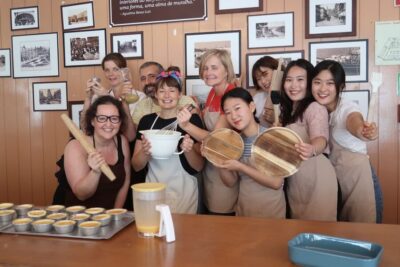
Pastel de Nata Cooking Class with Grandma’s Recipe
Read our review →
Pastel de Nata Cooking Class with Port Wine – Sé
Read our review →

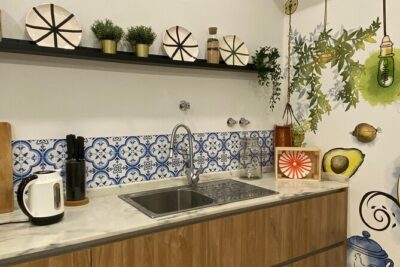
Lisbon Portuguese Cooking Class with 3-Course Dinner
Read our review →
Pastel de Nata Cooking Class with Porto Wine (Sé do Porto)
Read our review →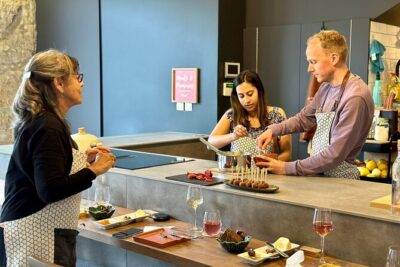
Browse the lists this tour appears in