
Reviewed · WINE TASTINGS & PORT CELLARS
Porto: Pastel de Nata Cooking Class with Port Wine – Sé
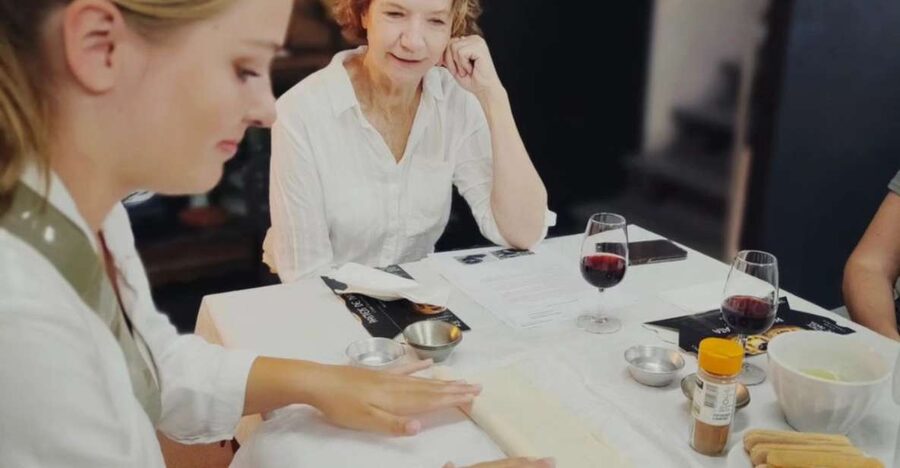
Porto’s pastel de nata class turns a famous Portuguese snack into a social, hands-on activity. You help prepare the custard, shape the pastries with prepared puff pastry, and watch them bake while Port wine, coffee, and snacks keep the table lively. I like the clear teaching and the relaxed way guides such as Teresa, Luis, Sofia, and Filipe include everyone. The one catch is important: the puff pastry is prepared ahead, so you learn the recipe but do not make the dough from scratch during the 90-minute session.
I also like the useful local touch. The guide explains how the pastry grew from its Lisbon origins into a national favorite, then adds Porto food suggestions you can use after class. The price is reasonable for a central activity with ingredients, drinks, several pastries, a transport box, and two recipes, though serious bakers may prefer a longer private workshop with full individual participation.
In This Review
- Key points at a glance
- What the 90-minute Porto pastry class is really like
- Arriving at Domus Arte in central Porto
- The short story behind pastel de nata
- Making the custard, the heart of the class
- The puff pastry limitation, clearly explained
- Shaping, baking, and the best moment of the class
- What you take home besides pastries
- The group atmosphere and level of personal attention
- Is $41 a fair price in Porto?
- Dietary requests and access details
- Who should book this pastry workshop?
- Should you book the Domus Arte pastel de nata class?
- FAQ
- Where does the pastel de nata class take place?
- How long does the workshop last?
- What language is the class taught in?
- Do I make the puff pastry from scratch?
- How many pastries do I prepare?
- What drinks and food are included?
- Are dietary alternatives available?
- Is the workshop suitable for children and wheelchair users?
Key points at a glance
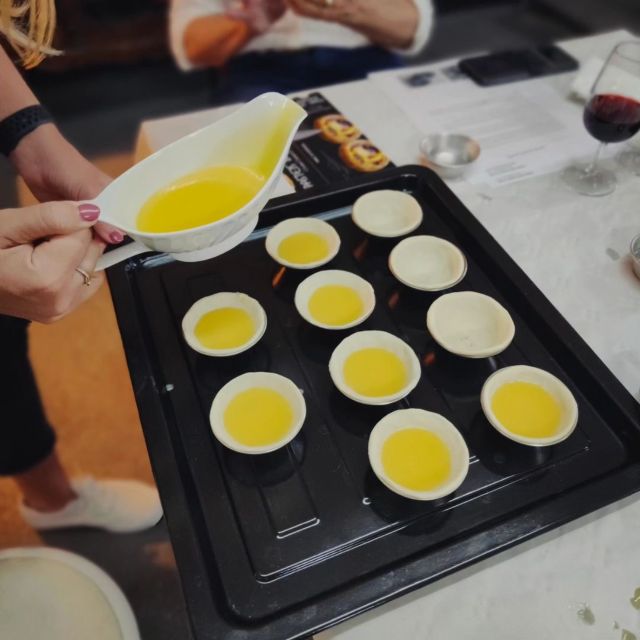
- Prepared puff pastry, fresh custard: The class concentrates on the filling, shaping, and baking, while the time-consuming pastry dough is supplied in advance.
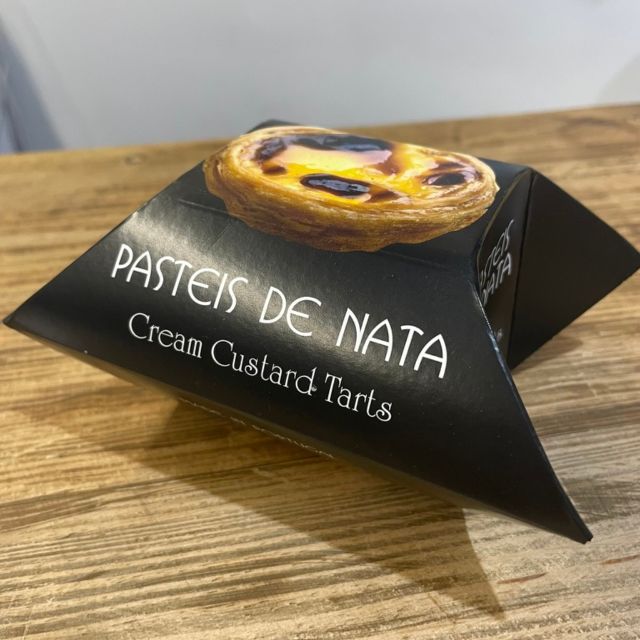
- Several tarts for each person: You can eat your pastel de nata at Domus Arte or carry it away in the included paper box.
- Port wine throughout the session: Juice, water, coffee, and sweet and savory snacks are also included.
- Small-group feel: The shared steps keep the class social, and smaller groups can give you more direct help.
- A recipe for home baking: You receive instructions for both the custard and puff pastry, plus tips for adjustments and substitutions.
- Central Porto setting: Domus Arte is near Porto Cathedral and São Bento station, making this easy to fit into a day of sightseeing.
What the 90-minute Porto pastry class is really like
This is not a formal chef school. It is a friendly workshop built around one beloved Portuguese pastry, with enough instruction to make the recipe feel possible at home.
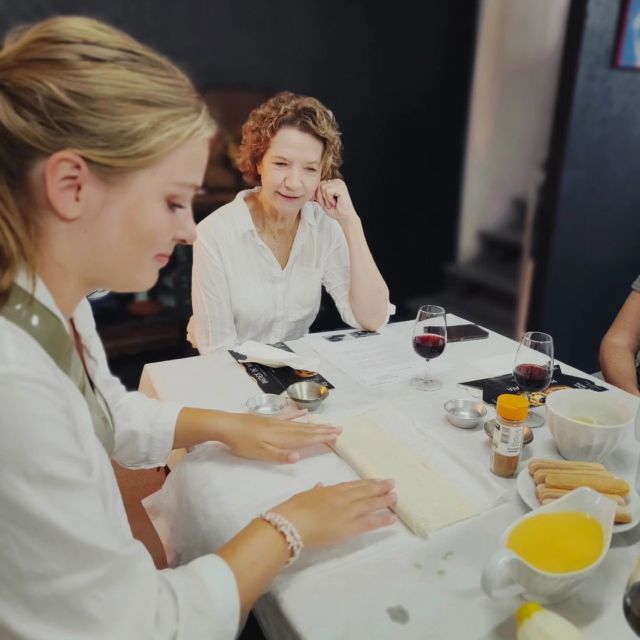
You take turns with the other participants. The guide leads the group through each stage, explains what to look for, and helps correct mistakes before they matter. That shared format works well for beginners because you are not left alone with a bowl, a recipe card, and a silent timer.
The class is taught in English. Guides have included Teresa, Luis, Filipe, Sofia, Philip, Ana, and others, and the strongest feature across the sessions is the teaching style. Teresa is especially lively and funny, while Luis and Filipe are often praised for clear explanations and steady help. The exact guide depends on the date, but you can expect an instructor focused on making the process easy to follow.
The atmosphere is relaxed rather than precious. You are making a traditional pastry, not competing for a place on a baking show. That matters if you are traveling with children, a partner, or friends who do not bake.
More Cooking Classes in Porto
- Porto: Pastel de Nata Cooking Class from Scratch
★ 4.9 · 468 reviews - Porto: Pastel de Nata Cooking Class with Porto Wine (Sé do Porto)
★ 5.0 · 340 reviews - Porto Local Market Visit & Cooking Class / Showcooking
★ 5.0 · 206 reviews
Arriving at Domus Arte in central Porto
The workshop takes place at Domus Arte, a concept store and creative space devoted to handmade products, workshops, and art exhibitions. It is in Downtown Porto, close to Porto Cathedral and São Bento station.
That location is handy. You can pair the class with a walk through the Sé district, a look inside São Bento station, or an afternoon exploring central Porto. Since there is no hotel pickup or drop-off, plan to reach Domus Arte on your own.
The setting adds a little character beyond a standard cooking studio. You are in a place connected with local craft and art, not an anonymous conference room. The available information does not promise a particular exhibition on your date, so treat the creative setting as a pleasant extra rather than the main reason to book.
Allow enough time to find the entrance. Porto’s old center has steep streets and busy sightseeing routes, so arriving early is wiser than turning up at the last minute. One late couple was still allowed to join, but that should not become your plan. A cooking class works best when you hear the opening instructions.
The short story behind pastel de nata
Before the practical work gets serious, the guide gives you a short introduction to the pastry’s place in Portugal.
You learn about its origins in Lisbon and how pastel de nata became one of the country’s best-known sweets. This is not a long lecture. It is enough context to explain why an egg custard tart appears in bakeries from Lisbon to Porto, and why the pastry has become such a useful edible symbol of Portugal.
I like this part because it gives you something to notice after class. You are not just eating a sweet tart. You understand the basic identity of the pastry: crisp layers of pastry wrapped around a soft custard center, usually baked until the top develops dark spots.
The history segment is accessible for all ages. It does not require prior cooking knowledge, and the instructors also add local suggestions for eating and exploring Porto. Those tips can be valuable if you are looking for a restaurant or another food stop after the workshop.
Making the custard, the heart of the class
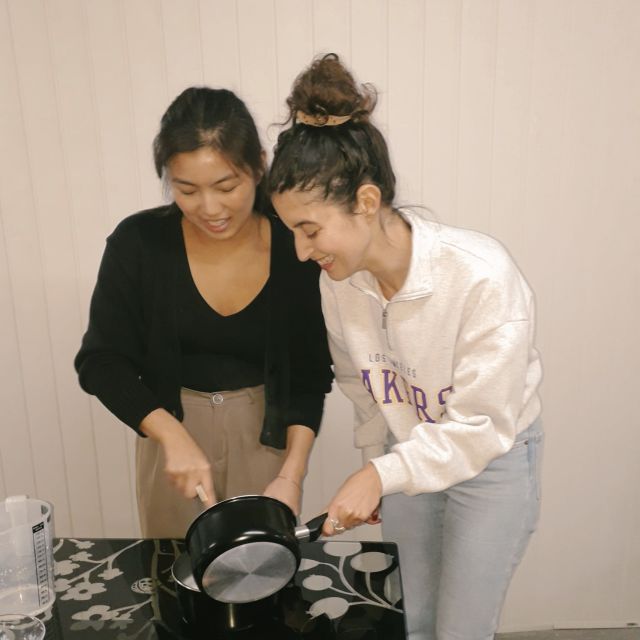
The main technical lesson is the custard filling. This is where the class offers its best value for a home cook.
The guide walks you through the ingredients and method step by step. You learn how the filling is prepared and what to watch for during the process. The instructors keep the work manageable, helping at each stage so even an inexperienced baker can take part.
This is also the point where shared participation matters. You may not personally handle every single step, especially in a larger group, but everyone gets a turn. Some people mix, some measure, and others help with the pastry or baking stage. The aim is group involvement rather than one person doing the whole recipe while everyone else watches.
If you want to control every step yourself, ask about the private workshop option. The standard class shares the preparation among the group. That is a good social setup, but it is not the same as having your own bowl and your own full batch from start to finish.
The recipe is designed to be approachable at home. Several people have found it less intimidating than expected, and the instructors explain small variations and flavor adjustments. You also receive suggestions for dairy-free and gluten-free adaptations when those arrangements are requested in advance.
More Wine Tastings in Porto
- From Porto: Douro Valley w/ Boat Tour, Wine Tasting & Lunch
★ 4.7 · 19,061 reviews - Porto: Live Fado Show with Glass of Port Wine
★ 4.8 · 6,498 reviews - Porto: Cálem Cellar Tour, Interactive Museum & Wine Tasting
★ 4.5 · 4,113 reviews - Douro Valley Small-Group Tour with Wine Tasting, Lunch and Boat
★ 5.0 · 3,642 reviews
The puff pastry limitation, clearly explained
The most important qualification is the pastry dough.
The puff pastry is prepared before the workshop because the dough takes several hours to become ready for use. You will work with the prepared pastry during the class, but you will not make the original dough from scratch in the 90-minute session.
That shortcut makes practical sense. A proper dough lesson would require a longer class, more resting time, and a different schedule. It lets this workshop focus on the custard and baking, which are the parts you can complete during the visit.
Still, you should know what you are buying. If your main goal is to master laminated pastry, this is not the right class. You receive the house recipe for the puff pastry, so you can try the full process at home, but the class does not give you hands-on practice with that lengthy stage.
One useful detail is that the recipe allows you to repeat the full project later, when you have enough time for the dough. You leave with more than a tasting, but less than a complete pastry-making course.
Shaping, baking, and the best moment of the class
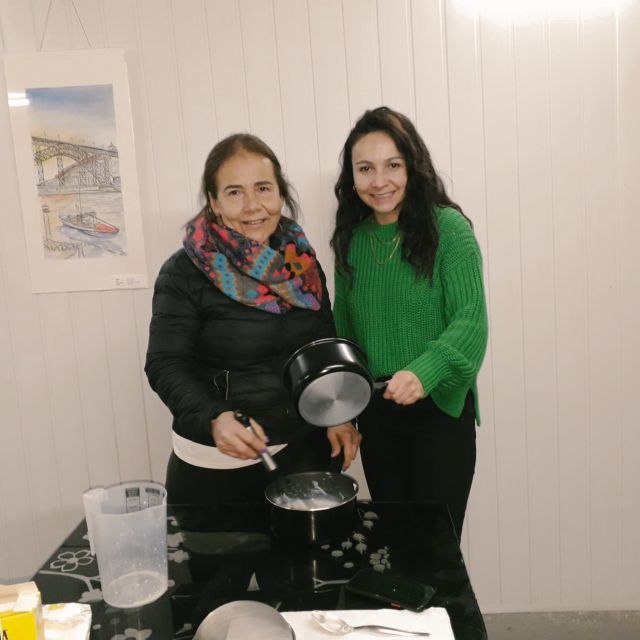
Once the custard and pastry are ready, the group moves toward baking. This is the satisfying part because the ingredients begin to look like the pastry you know from Portuguese cafés.
You shape several pastel de nata under guidance, fill them, and prepare them for the oven. The instructor points out the important techniques rather than expecting perfect work from the first attempt. The supportive approach is especially useful if you are clumsy with pastry or simply do not bake often.
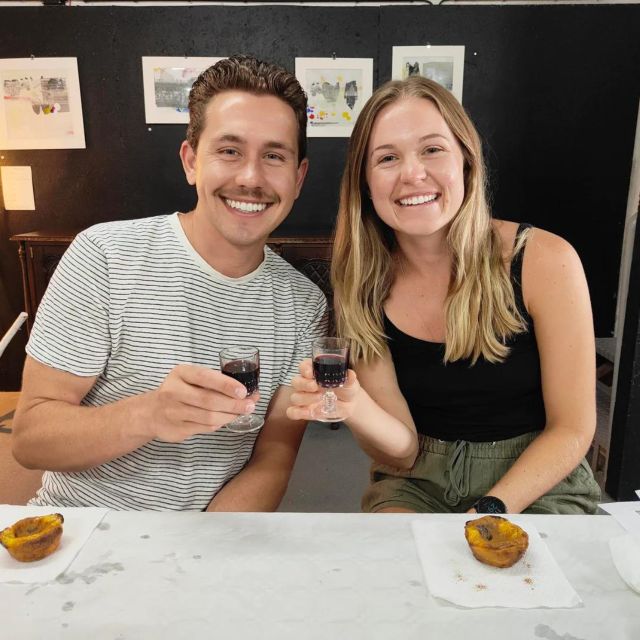
The baking period creates the social center of the session. While the tarts are in the oven, you can enjoy Port wine, coffee, juice, water, and a selection of sweet and savory snacks. The drinks are included, so you do not have to budget for a separate tasting.
Port wine is a natural match for the setting, though it is not the only choice. Juice, water, and coffee make the activity workable for non-drinkers and younger participants. The class is not built around heavy drinking. The wine is part of the Portuguese food mood, not the whole point.
When the tarts come out, you get to try the result. Expect several pastries per person, with the exact number depending on the session. Some can be eaten on site, and the rest can go into the supplied paper transport box.
What you take home besides pastries
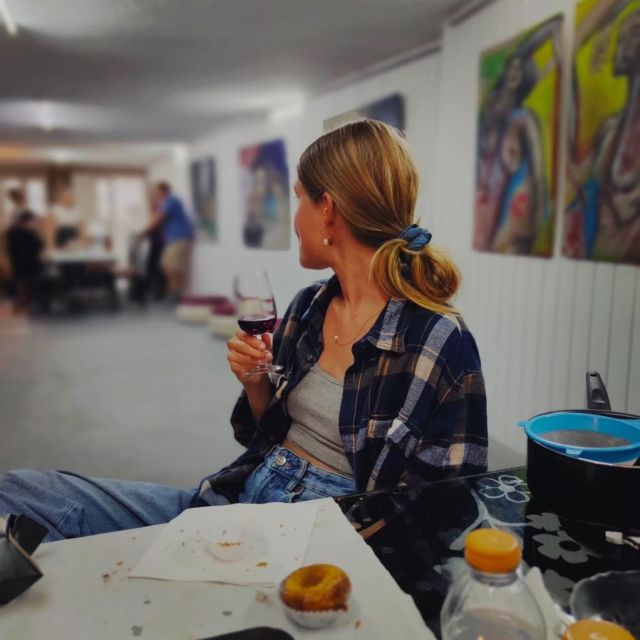
The obvious souvenir is edible. Fresh pastel de nata tastes best soon after baking, and eating one before leaving lets you enjoy the result at its best.
The paper box is useful for the rest. You do not need to juggle warm pastries through Porto’s streets or squeeze them into a backpack. The box is simple, but it solves a real problem.
The more lasting souvenir is the recipe. You receive instructions for the custard and the puff pastry, allowing you to attempt the full recipe at home. That is a stronger takeaway than a printed tourist token, especially if you enjoy cooking for friends.
You also leave with a sense of the technique. The class explains how the filling is made, how the pastry is handled, and how the baking stage brings the tart together. It will not turn you into a Portuguese pastry chef in one afternoon, but it can give you the confidence to try.
For home baking, plan around the puff pastry. The dough requires several hours before it is ready, so this is not a quick recipe for an unplanned dessert. The class makes that limitation clear and gives you the instructions in advance.
The group atmosphere and level of personal attention
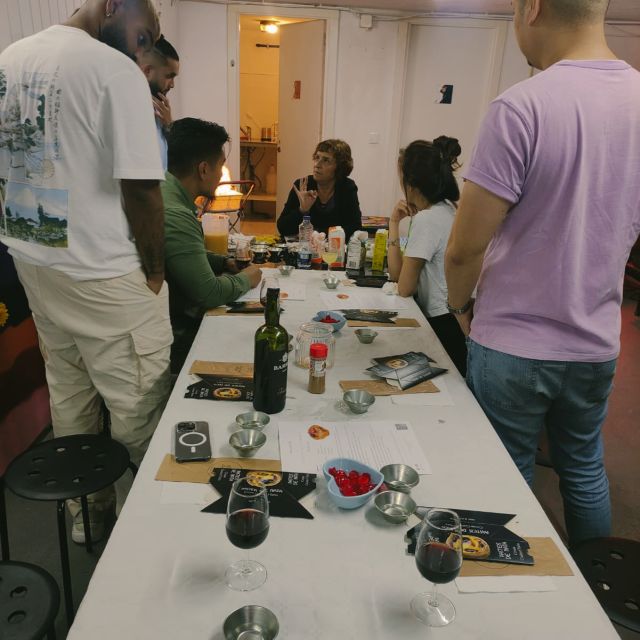
The group format is one of the main reasons to choose this activity.
You work alongside other people from different countries, and the shared recipe gives everyone an easy reason to talk. Solo visitors can join without needing a companion, while couples and friends get a structured activity rather than another meal at a restaurant.
Group size can vary. Some sessions feel very intimate, with only two or four people, while other classes include more participants. A smaller group means the guide can spend more time watching your technique and answering questions. A larger group may offer more social energy, but you will share the hands-on steps more widely.
The teaching is designed to be forgiving. The guides help at each stage and keep the process moving. That makes the class suitable for people who describe themselves as poor bakers, as well as keen amateurs looking for specific tips.
Children can take part, but the minimum age is three. The class is not suitable for children under three. Since hot equipment and food preparation are involved, adults should still expect to supervise younger children in their party.
The atmosphere also works for celebrations. It has been used for birthdays, honeymoons, and a bachelorette outing. The activity gives a group something to do together without demanding advanced skills.
Is $41 a fair price in Porto?

At $41 per person, the value is solid if you want more than a pastry tasting.
The fee covers the 90-minute class, all ingredients, an English-speaking instructor, Port wine, juice, water, coffee, sweet and savory snacks, a transport box, and recipes for both the custard and puff pastry. You also prepare several tarts and receive local food suggestions.
If you only want to eat a pastel de nata, a bakery is cheaper. Porto has plenty of places where you can buy the finished pastry without booking an activity. This class earns its price through the instruction, the social setting, and the chance to recreate the dessert later.
The value improves for visitors who enjoy food-based activities. You get a practical memory of Porto rather than a passive tasting, and the recipe may serve you long after the trip. It is also a useful rainy-day plan because the class takes place indoors.
The value is weaker for an experienced baker who expects to make puff pastry from scratch in class. For that person, the missing dough stage is a real limitation. Ask about a private workshop if full participation matters more than the lower standard-class price.
Free cancellation is available up to 24 hours before the activity for a full refund, and you can reserve now and pay later. Those terms make it easier to fit the class into a changing Porto schedule.
Dietary requests and access details
Lactose-free, gluten-free, and vegan options are available by request. You need to give advance notice, and the team must confirm that the requested preparation can be arranged. Do not wait until you arrive and assume a substitute will be ready.
The class is stroller accessible, and pets are allowed. Smoking is not permitted indoors.
The activity is listed as not suitable for wheelchair users. Domus Arte has a second location that is wheelchair accessible and stroller accessible, but you should confirm the exact venue and arrangements before booking if access is important for your party. The central class location should not be assumed to have the same access features.
Who should book this pastry workshop?
I would choose this class for several types of visitors:
- First-time visitors to Porto: You get a local food lesson, a little Portuguese pastry history, and practical suggestions for the rest of your day.
- Couples and friends: The shared work gives you an easy, low-pressure activity between sightseeing stops.
- Solo visitors: The class creates a social setting without requiring you to bring someone.
- Families with children over three: The recipe is simple enough for different ages to join, with adult supervision.
- Beginner bakers: The guide gives step-by-step help and keeps mistakes from becoming disasters.
- Food-focused visitors: You learn enough technique to try the recipe again at home.
I would choose something else if you want a full professional baking lesson, a long class, or complete individual control over the dough. The prepared pastry is convenient, but it is also the clear boundary of the workshop.
Should you book the Domus Arte pastel de nata class?
Book it if you want an easy, social Porto activity with a real edible result. The guides create the strongest part of the experience, and names such as Teresa, Luis, Sofia, and Filipe have become associated with warm explanations, humor, and steady help.
The class is especially good on a first visit, a rainy afternoon, or a day when you want a break from churches, viewpoints, and cobbled streets. You will eat fresh tarts, carry some away, and have a recipe to try later.
Just keep your expectations in line. This is a 90-minute introduction to custard, pastry handling, and baking, not a complete puff-pastry course. At $41, I think it is a fair buy for the food, drinks, instruction, and social setting. If that mix sounds better than simply buying a tart at a bakery, reserve a place.
FAQ
Where does the pastel de nata class take place?
The class takes place at Domus Arte, a concept store in Downtown Porto near Porto Cathedral and São Bento station.
How long does the workshop last?
The workshop lasts 1.5 hours, or 90 minutes. Starting times vary, so check availability when booking.
What language is the class taught in?
The instructor teaches in English.
Do I make the puff pastry from scratch?
No. The puff pastry is prepared in advance because it takes several hours to become ready for use. You receive the house recipe so you can make it at home.
How many pastries do I prepare?
Each participant prepares several Pastéis de Nata. You can eat them at the venue or take them away in the included paper box.
What drinks and food are included?
The session includes Port wine, juice, water, coffee, and a selection of sweet and savory snacks.
Are dietary alternatives available?
Lactose-free, gluten-free, and vegan options are available by request. You must give advance notice, and the team must confirm the preparation.
Is the workshop suitable for children and wheelchair users?
Children under three are not allowed. The class is stroller accessible, but it is listed as not suitable for wheelchair users. Domus Arte has a second wheelchair-accessible location, so confirm the exact arrangements before booking.
More Workshops in Porto
- Porto: Pastel de Nata Pastry-Making Workshop
★ 4.9 · 1,542 reviews - Matosinhos: Surfing Lesson with Equipment
★ 4.8 · 704 reviews - Porto: Small Group Surf Lesson with Transportation
★ 4.9 · 594 reviews - Port Wine class with 3 or 5 Port tasting and pairings
★ 4.9 · 441 reviews
More Wine Tours in Porto
- Complete Douro Valley Wine Tour with Lunch, Wine Tastings and River Cruise
★ 5.0 · 12,920 reviews - Douro Valley: Wine Tour with Lunch, Tastings & River Cruise
★ 4.6 · 6,081 reviews - Douro Valley: Historical Sites, Wine Experience, Lunch & Cruise
★ 5.0 · 5,133 reviews - Authentic Small Group Douro Wine Tour with Lunch & River Cruise
★ 5.0 · 4,775 reviews
Recently reviewed around Porto
- Bridges Cruise with World of Discoveries or Sunset Option★ 4.0 · 219 reviews
- Porto Card Walker (1, 2, 3 or 4 Days)★ 3.4 · 135 reviews
- Porto: 6 Bridges Yacht Cruise with Local Wine & Snacks★ 5.0 · 399 reviews
- Porto: 5D Flight over de City for all family.★ 4.0 · 281 reviews
- Porto:Aveiro, Cruise, Costa Nova & Capelha da Pedra Full Day★ 4.5 · 434 reviews
- Porto Private E-Bike Tour: Douro River, Parks & Beaches★ 4.7 · 104 reviews
- Porto: 3-Hour Walking City Tour & Lello Bookstore Visit★ 4.7 · 99 reviews
- Port Wine class with 3 or 5 Port tasting and pairings★ 4.9 · 441 reviews
Wine Tastings & Port Cellars, compared.

Douro Valley w/ Boat Tour, Wine Tasting & Lunch
Read our review →
Live Fado Show with Port Wine in Historic Center
Read our review →
Cálem Cellar Tour, Interactive Museum & Wine Tasting
Read our review →
Douro Valley Small-Group Tour with Wine Tasting, Lunch and Boat
Read our review →
Douro Valley Tour: 2 Vineyard Visits, River Cruise, Winery Lunch
Read our review →
Browse the lists this tour appears in