
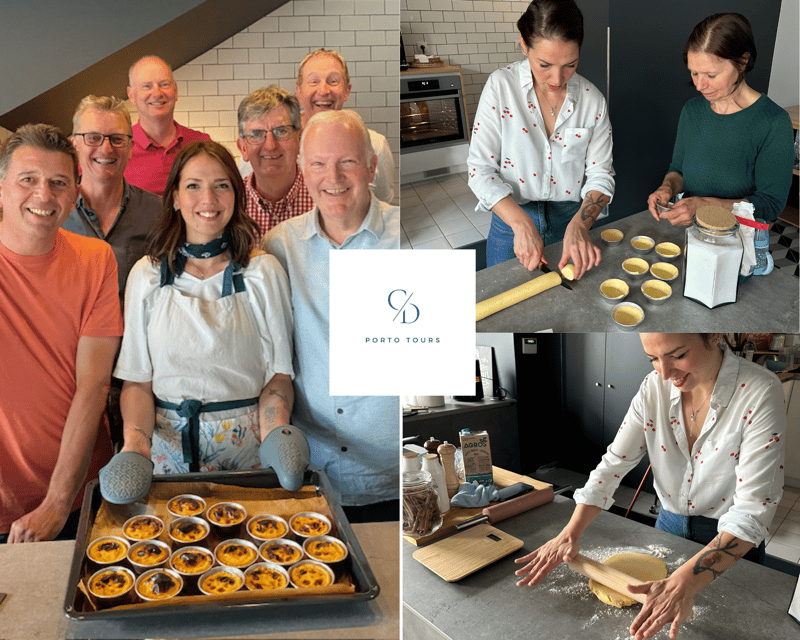
Reviewed · COOKING CLASSES
Porto: Pastel de Nata Cooking Class from Scratch
The best part of this Porto cooking class is that you make the pastry dough from scratch, not just fill ready-made shells. That extra step gives you a better feel for the work behind a crisp, flaky pastel de nata and makes the recipe more useful when you return home.
I like the friendly, social format and the way the instructor brings people up for each stage instead of doing everything behind a counter. I also like the glass of regional wine and the simple food conversation about Portuguese culture. The main drawback is that this is a shared group workshop, so you may only handle one or two parts of the recipe yourself.
In This Review
- Key points at a glance
- Why making the dough matters
- A 2.5-hour class built around shared work
- The dough and custard are the real lesson
- Warm pasteis de nata and a glass of wine
- The hosts make a big difference
- How interactive is it really?
- Is $50 good value?
- Who should book this Porto workshop?
- Practical advice before you go
- Should you book it?
- FAQ
- How long does the pastel de nata class last?
- What language is the class taught in?
- Do I make the pastry dough from scratch?
- Is wine included?
- Can children join the group workshop?
- Can I join if I have gluten or lactose intolerance?
- What happens if I arrive late?
Key points at a glance
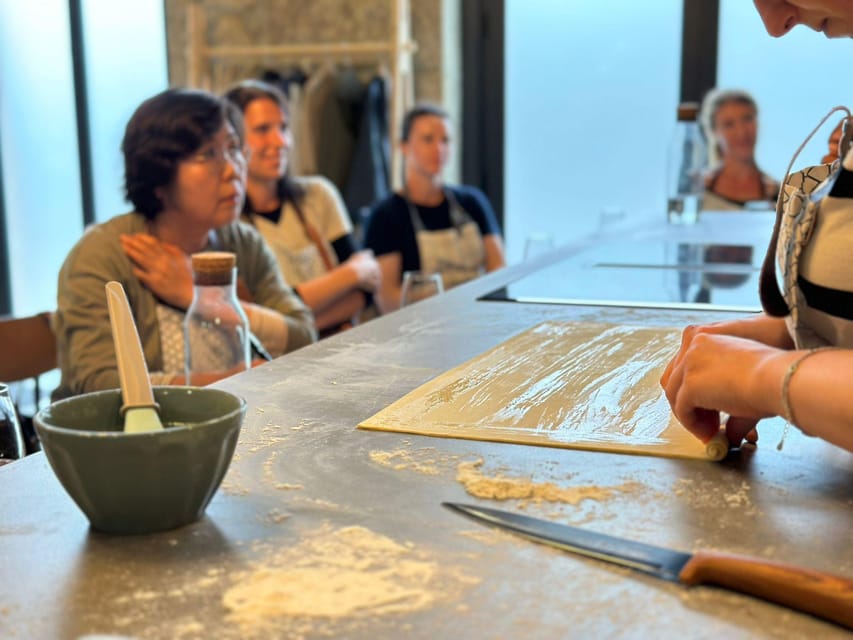
- You make the dough: This is more hands-on than classes that use pre-made pastry.
- Warm pastries at the end: Eat the pasteis de nata fresh from the oven, with some to take away when available.
- Hosts set the mood: Ana, Clara, Mariah, Vanessa, and other instructors are described as funny, patient, and welcoming.
- A social Porto activity: The group works together around a large table, making it easy to meet other visitors.
- Adult workshop only: Children under 15 cannot join the shared class, and private bookings are required for families.
- Allow 2.5 hours: Arrive early, since late entry is not allowed once the door closes.
Why making the dough matters
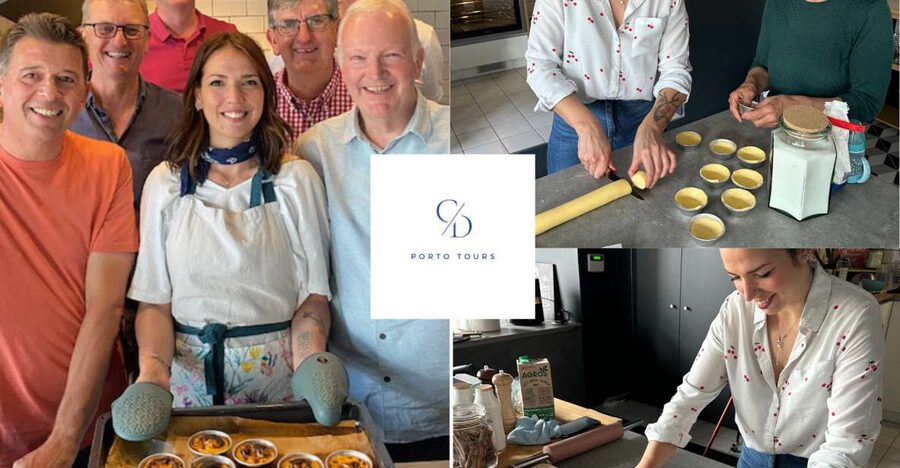
Pastel de nata looks simple in a bakery case: a small pastry shell filled with golden custard. The shell is the hard part. It needs layers, careful handling, and enough structure to hold the filling while baking.
Many pastry workshops skip this stage. You work with prepared dough, fill the cases, and learn more about baking than pastry-making. This class takes the useful route for home bakers by showing you the dough as well as the custard.
You will work through the process as a group. The host explains the steps, then invites one or two people to help with each stage while everyone watches and learns. That format keeps the class manageable for beginners, though it also means you should not expect to spend the whole session working with your own individual batch.
The strongest practical benefit is confidence. You learn how the dough should look and feel, rather than simply following a list of ingredients. One participant specifically wished for a video of the technique, which points to the only limitation of receiving a written recipe: pastry depends on touch and timing as much as measurements.
More Cooking Classes in Porto
- Porto: Pastel de Nata Cooking Class with Port Wine – Sé
★ 4.8 · 888 reviews - Porto: Pastel de Nata Cooking Class with Porto Wine (Sé do Porto)
★ 5.0 · 340 reviews - Porto Local Market Visit & Cooking Class / Showcooking
★ 5.0 · 206 reviews
A 2.5-hour class built around shared work
The class begins at its scheduled time. Do not treat that start time casually. The door closes once the workshop begins, and late entry is not permitted for logistical reasons. I would arrive with enough time to find the meeting point, especially since the exact location can vary with the option you book.
Once everyone is inside, the host introduces the pastry and its place in Portuguese food culture. You hear about the history of pastel de nata while tasting a regional wine, turning the class into more than a basic baking lesson.
The cooking follows a clear sequence:
- Learning about the pastry and its Portuguese background
- Preparing the dough
- Making the custard filling
- Shaping the pastry cases
- Filling and baking the pasteis de nata
- Tasting the warm pastries
- Taking home extra pastries when available and receiving the recipe digitally
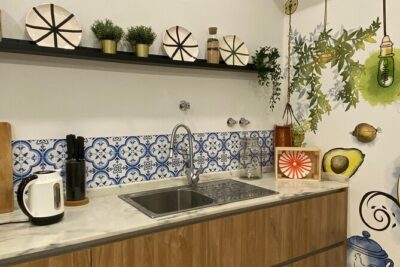
The class uses a large shared table, and some sessions take place in a modern show kitchen. That setup makes it easy to see the demonstrations and talk with the people around you.
The group can include up to 12 participants. That is small enough for a personal atmosphere, but large enough that you will share the work. If you want each person in your party to make a complete pastry from start to finish, this may feel less hands-on than a private lesson.
The dough and custard are the real lesson
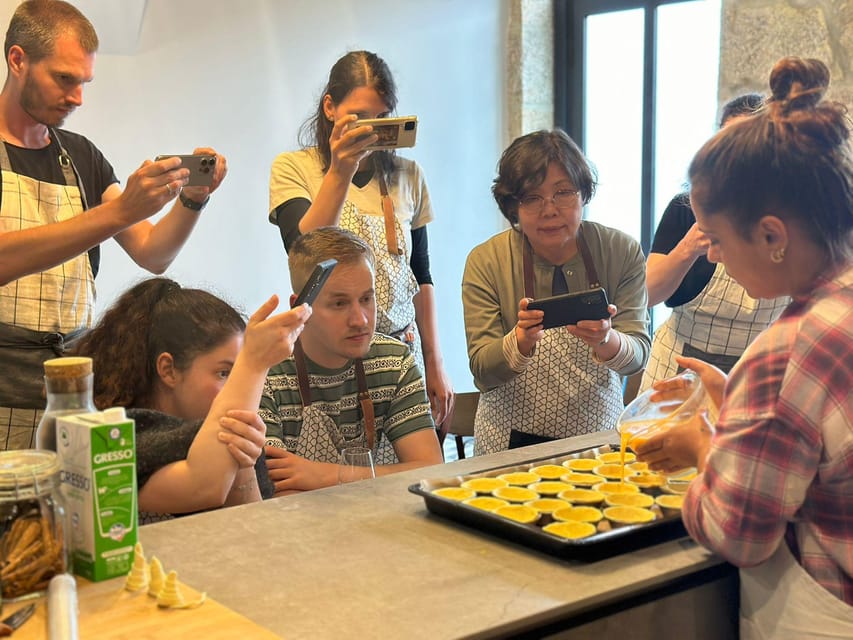
The dough stage is the reason to choose this experience over a quick demonstration. You get to see the foundation of the pastry and learn why the finished shell has its distinctive flaky texture.
The host breaks the work into straightforward steps, which helps if you do not bake often. You do not need to arrive with advanced kitchen skills. The class is designed around group participation, and instructors such as Clara, Ana, Mariah, Vanessa, and Maria have been praised for explaining each step clearly and keeping nervous beginners involved.
The custard is more familiar territory for most home cooks, but it still benefits from careful instruction. You learn how the filling comes together before it goes into the shaped cases. The host also shares small tips that can make the difference between a good result and a soggy or overly firm tart.
I would pay close attention during the shaping stage. A recipe can tell you quantities, but it cannot fully show how thin to make the dough or how to fit it into the tin. Take notes if you plan to bake at home, and ask questions while the instructor is demonstrating.
Warm pasteis de nata and a glass of wine
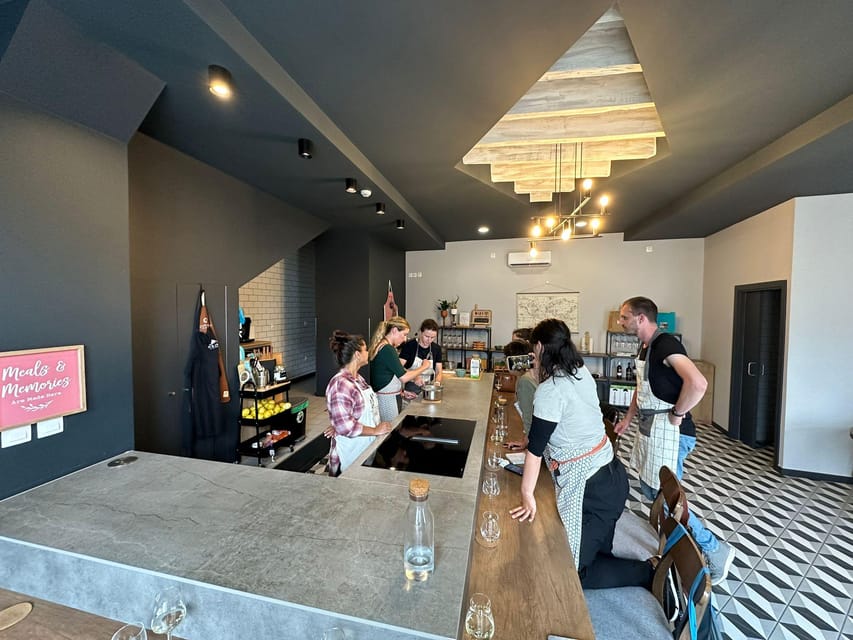
The reward comes when the pastries leave the oven. You eat them warm, when the custard is soft and the pastry is at its best.
The experience includes pastries and a glass of wine. The wine is a small touch, but it helps the class feel like a Portuguese food experience rather than a technical lesson. The conversation also covers local food customs and culture, giving you context for the pastry you will see across Porto.
You may receive several pasteis de nata to taste, with one or two extra to carry away depending on the session. The exact amount is not promised in the activity details, so treat take-home pastries as a welcome bonus rather than part of the guaranteed package.
The class is not designed for people with gluten or lactose intolerance. Both the pastry and filling contain ingredients that make this unsuitable for those restrictions. There is also no indication of a special dietary version, so contact the provider before booking if you have any concern.
A different kind of day out, same corner of Portugal:
- The Unvanquished Tour in Porto City Center
★ 5.0 · 26,497 reviews - From Porto: Douro Valley w/ Boat Tour, Wine Tasting & Lunch
★ 4.7 · 19,061 reviews - Complete Douro Valley Wine Tour with Lunch, Wine Tastings and River Cruise
★ 5.0 · 12,920 reviews - Porto: Six Bridges Cruise
★ 4.2 · 11,680 reviews
The hosts make a big difference
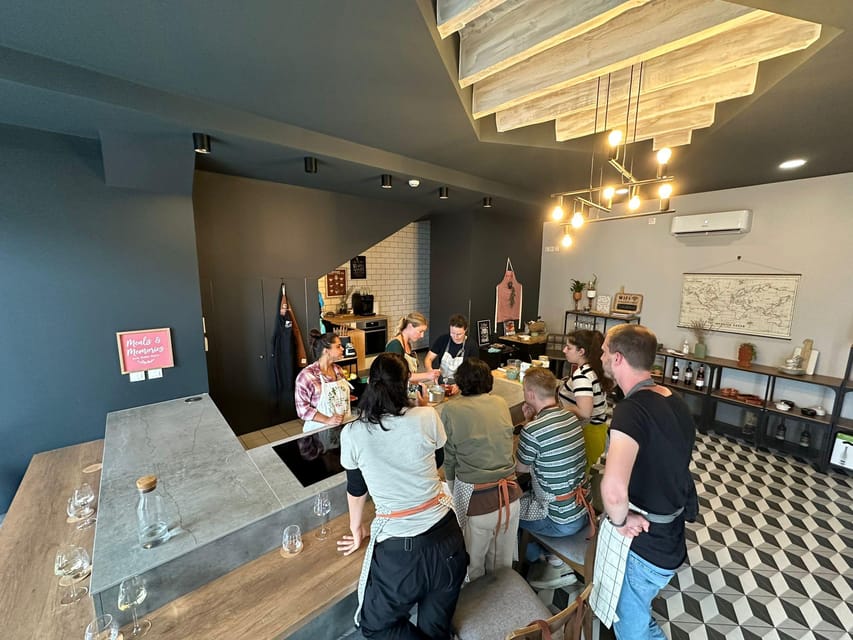
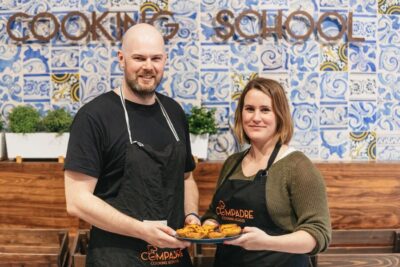
The instructors are central to the experience. Names connected with recent sessions include Ana, Clara, Mariah, Vanessa, Maria, Claudia, and Klara. The host you meet depends on the date and session, but the teaching style is consistently described as lively, patient, and welcoming.
That matters because group cooking can go flat if the instructor simply gives orders and watches the clock. Here, the host uses humor and conversation to help strangers work together. Mariah is noted for learning participants’ names and backgrounds, while Clara is praised for patience and clear explanations. Ana is described as energetic and good at keeping everyone involved.
I would choose this class partly for that social element. Solo visitors can meet people around the shared table without the pressure of joining a formal walking group. Couples and friends can also enjoy the activity, but remember that you will be working with the entire group rather than staying in your own private station.
The host speaks English, which makes the class practical for international visitors. Cultural stories and baking instructions are easier to follow when you are not trying to translate technical terms at the same time.
How interactive is it really?
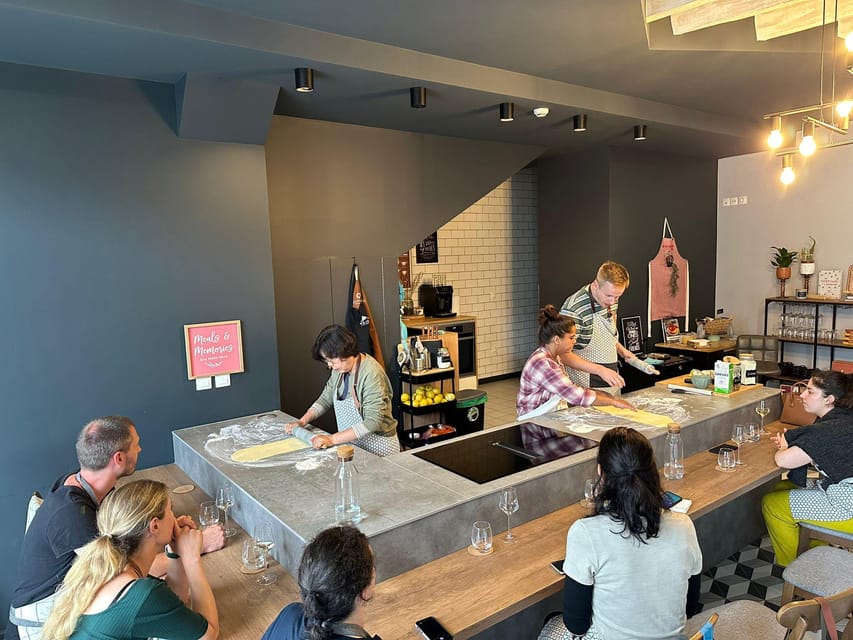
This is interactive, but it is not an individual cooking lesson. The group takes turns, with two to four people sometimes handling a particular step while the others watch. That arrangement keeps the pace smooth and gives the instructor control over the recipe.
For a first-time baker, this is a plus. You can watch before trying a step, and you are unlikely to feel overwhelmed by a full recipe on your own. The group also shares responsibility for the final batch, which removes some of the pressure.
For an experienced cook, the trade-off is obvious. You may want more time shaping dough or preparing the custard than the format allows. One useful approach is to volunteer early and ask to help with the stages that matter most to you, especially the pastry shaping.
The atmosphere is informal and social. Expect conversation, laughs, and a little standing around while the pastries bake. It is not a silent master class, and that is part of its appeal. If you want a relaxed food activity after a morning of sightseeing, the slower pace works well.
Is $50 good value?
At $50 per person, the class is not the cheapest way to eat a pastel de nata in Porto. Bakeries sell the pastry for far less, and you could buy several for the price of the workshop.
That comparison misses the point. You are paying for 2.5 hours of instruction, an English-speaking host, kitchen use, shared pastry preparation, a glass of regional wine, warm pastries, and a recipe you can use later. The value is strongest if you want to recreate the dessert at home or prefer an activity that brings you into contact with other people.
I think the price is fair for a visitor who enjoys food classes and wants more than a tasting. It is less compelling if you only want to sample Porto’s famous pastry. In that case, spend the $50 on several bakery stops and a coffee instead.
The reserve-now-and-pay-later option can help if you are still arranging your Porto schedule. Free cancellation is available up to 24 hours before the activity for a full refund. Hotel pickup and drop-off are not included, so you must make your own way to the meeting point.
Who should book this Porto workshop?
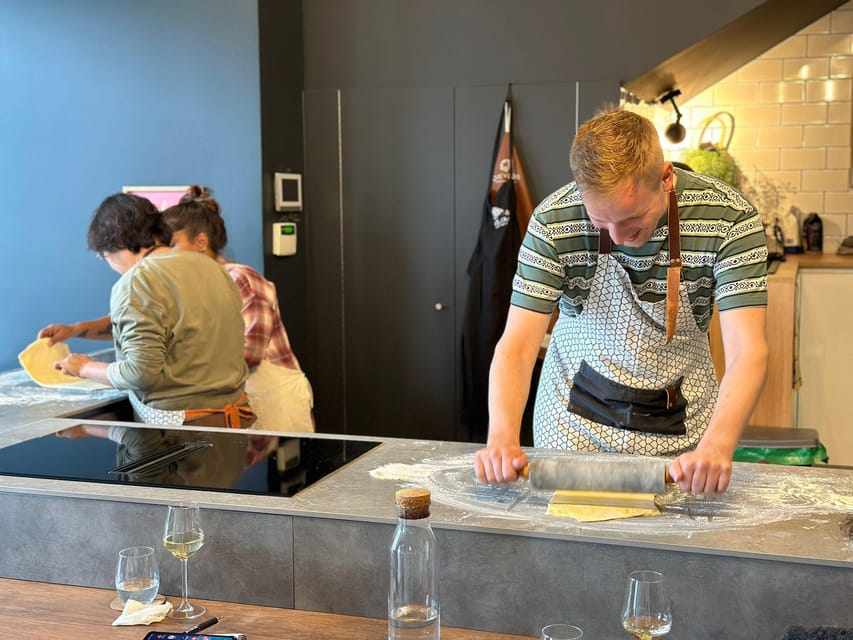
This class suits you best if you:
- Want to learn the pastry dough, not just assemble a tart
- Enjoy meeting people from different countries
- Prefer a relaxed cooking activity to another sightseeing tour
- Are comfortable sharing tasks in a group of up to 12
- Want an English-language experience
- Hope to bake pasteis de nata at home
It is a particularly good choice for a rainy afternoon or for a break from Porto’s hills and busy streets. You sit around a table, work with your hands, enjoy a drink, and leave with a better understanding of a Portuguese staple.
It is not suitable for children under 15 in the shared workshop. Minors must be accompanied by an adult, and children under 15 cannot attend the group class at all. Families should ask about a private workshop instead.
Pets, indoor smoking, and intoxication are not permitted. Only people with reservations can enter, so companions who are not booked cannot wait inside or join part of the activity. The minimum legal age for drinking alcohol in Portugal is 18.
Practical advice before you go
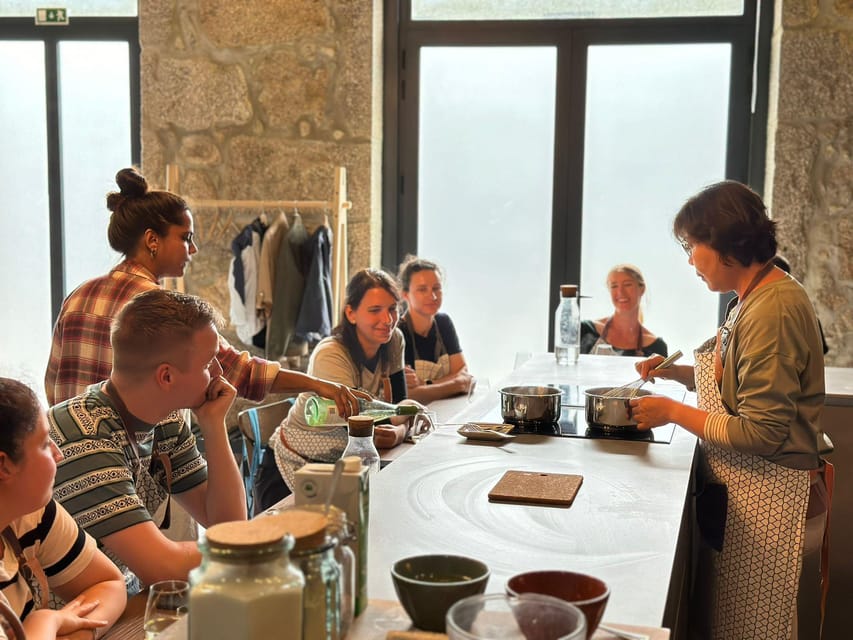
Book the correct meeting point for your chosen option, since it may vary. Check the confirmation carefully and plan extra time for getting there.
Arrive early. This is the most important practical tip. Once the scheduled start time arrives, the door closes and late entry is not allowed. There are no exceptions, so a delayed taxi, a wrong turn, or a last-minute coffee stop could mean missing the class.
Wear clothes you do not mind using in a kitchen, though no special equipment is listed as necessary. The class is indoors and lasts 2.5 hours, making it a useful plan when the weather is poor.
If you want the recipe for home use, save the digital copy before leaving. Some sessions provide it through a QR code. Also, watch the instructor’s hand movements closely. The method is valuable, but the technique is the part you may not remember perfectly from a printed recipe.
Should you book it?
Book this class if you want to understand how pastel de nata is made, meet people over a shared food project, and take home a skill rather than just another photograph. The dough-from-scratch focus gives it more substance than a simple pastry demonstration, and the warm final tasting makes the lesson feel properly rewarding.
Skip it if you have gluten or lactose intolerance, need a child-friendly activity, or prefer complete control over your own cooking station. For everyone else, $50 buys a friendly 2.5-hour break from Porto sightseeing, with useful instruction, wine, and a very good chance of leaving with a pastry you made yourself.
FAQ
How long does the pastel de nata class last?
The workshop lasts 2.5 hours.
What language is the class taught in?
The live tour guide speaks English.
Do I make the pastry dough from scratch?
Yes. The class includes making the dough, as well as preparing the rest of the pastel de nata.
Is wine included?
Yes. The experience includes a glass of regional wine. Alcohol is available only to participants who meet Portugal’s minimum drinking age of 18.
Can children join the group workshop?
Children under 15 cannot join the shared workshop. Families with younger children need to request a private workshop. Minors must be accompanied by an adult.
Can I join if I have gluten or lactose intolerance?
No. The activity is not suitable for people with gluten intolerance or lactose intolerance.
What happens if I arrive late?
You cannot enter after the class has started. The door closes at the scheduled time, and no exceptions are made.
More Workshops in Porto
- Porto: Pastel de Nata Pastry-Making Workshop
★ 4.9 · 1,542 reviews - Matosinhos: Surfing Lesson with Equipment
★ 4.8 · 704 reviews - Porto: Small Group Surf Lesson with Transportation
★ 4.9 · 594 reviews - Port Wine class with 3 or 5 Port tasting and pairings
★ 4.9 · 441 reviews
Recently reviewed around Porto
- Bridges Cruise with World of Discoveries or Sunset Option★ 4.0 · 219 reviews
- Porto Card Walker (1, 2, 3 or 4 Days)★ 3.4 · 135 reviews
- Porto: 6 Bridges Yacht Cruise with Local Wine & Snacks★ 5.0 · 399 reviews
- Porto: 5D Flight over de City for all family.★ 4.0 · 281 reviews
- Porto:Aveiro, Cruise, Costa Nova & Capelha da Pedra Full Day★ 4.5 · 434 reviews
- Porto Private E-Bike Tour: Douro River, Parks & Beaches★ 4.7 · 104 reviews
- Porto: 3-Hour Walking City Tour & Lello Bookstore Visit★ 4.7 · 99 reviews
- Port Wine class with 3 or 5 Port tasting and pairings★ 4.9 · 441 reviews
Cooking Classes, compared.
Pastel de Nata Cooking Class with Grandma’s Recipe
Read our review →
Pastel de Nata Cooking Class with Port Wine – Sé
Read our review →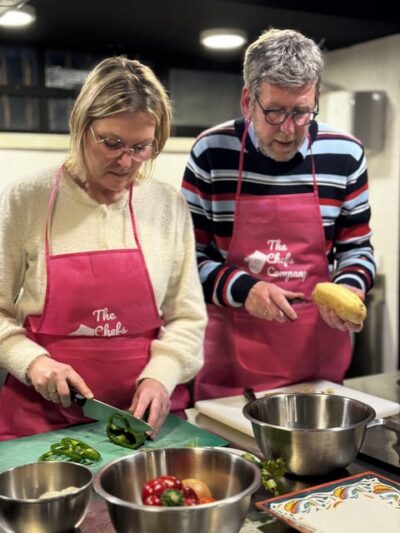
Lisbon Portuguese Cooking Class with 3-Course Dinner
Read our review →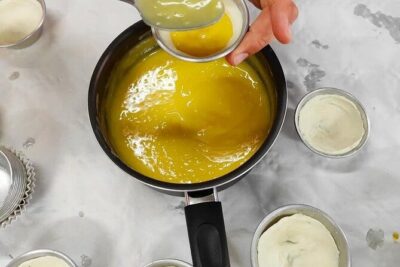
Pastel de Nata Cooking Class with Porto Wine (Sé do Porto)
Read our review →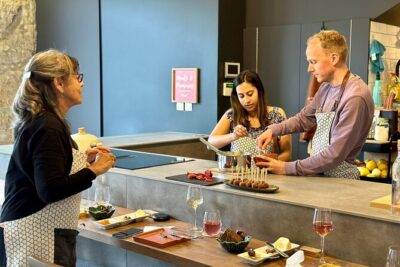
Browse the lists this tour appears in