
Reviewed · COOKING CLASSES
Lisbon: 2-Hour Pastel de Nata Cooking Class
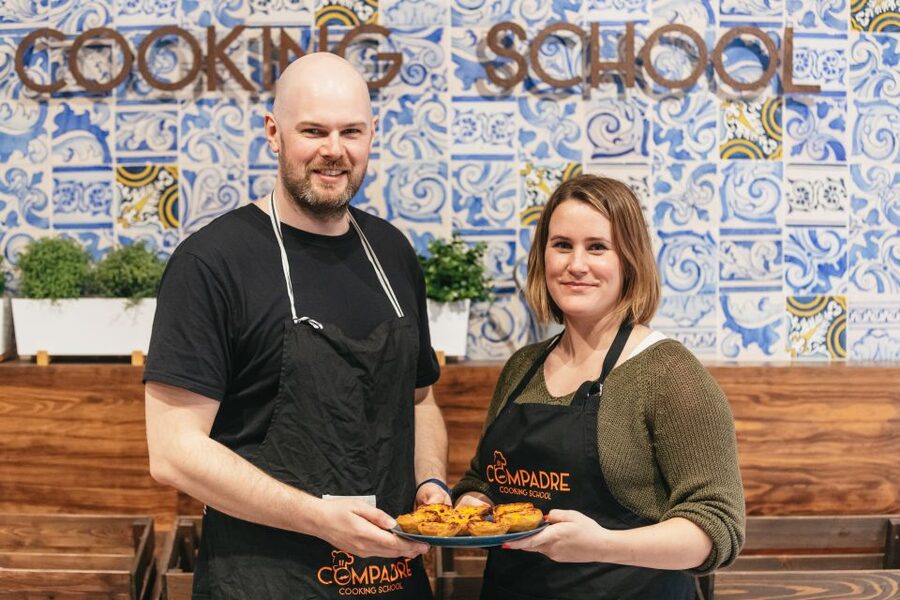
Lisbon’s most famous pastry is easier to love once you understand how it is made. At Compadre Cooking School, chefs Anna and Marta guide you through pastel de nata, the crisp pastry cup filled with sweet custard, then add a second Portuguese recipe such as farófios, a meringue dessert, or cod fritters.
I like the clear, friendly teaching and the cultural context. You do not just stir ingredients and leave. You hear how pastel de nata developed in 19th-century monasteries, learn small pastry tricks, and sit down with the group to eat what you made. I also like that solo participants can book, and that the class works well for families with children.
The main thing to understand is that this is a beginner-friendly workshop, not a full professional baking course. The dough is prepared in advance, and the custard is simple, so serious bakers may want more technical work. The advertised tea and coffee may not always be available, and the food you make is better described as a generous tasting than a full lunch.
In This Review
- Key points at a glance
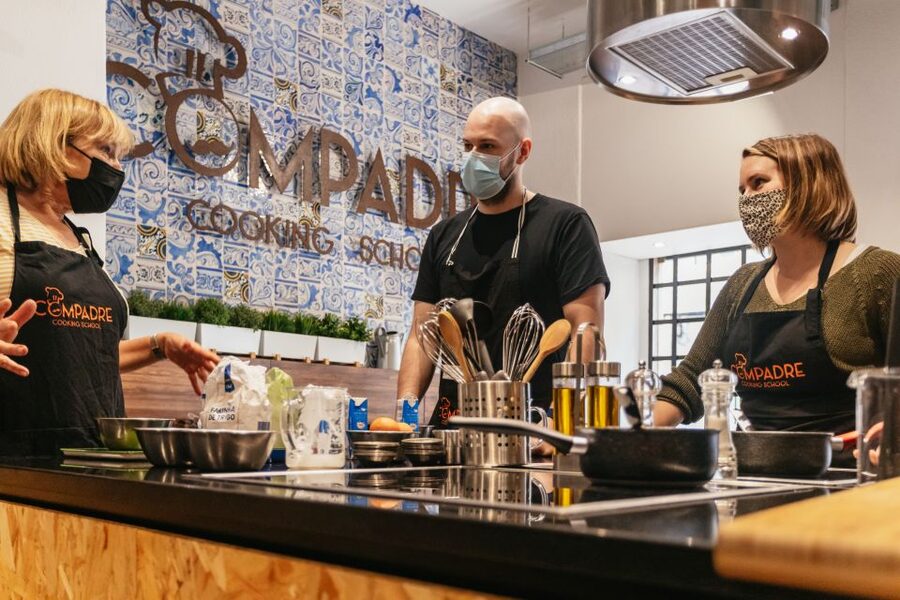
- Starting in a clean Lisbon cooking school
- Learning why pastel de nata matters
- Shaping the pastry cups
- Making a second Portuguese recipe
- Eating what you made together
- What the $64 price gets you
- The instructors make the short format work
- What to know before you book
- My verdict on this Lisbon pastry class
- FAQ
- How long does the pastel de nata cooking class last?
- Where does the activity take place?
- What language is the class taught in?
- What recipes will I make?
- Are ingredients and cooking equipment included?
- Is tea or coffee included?
- Is the class suitable for vegans?
- Can I cancel the activity?
Key points at a glance
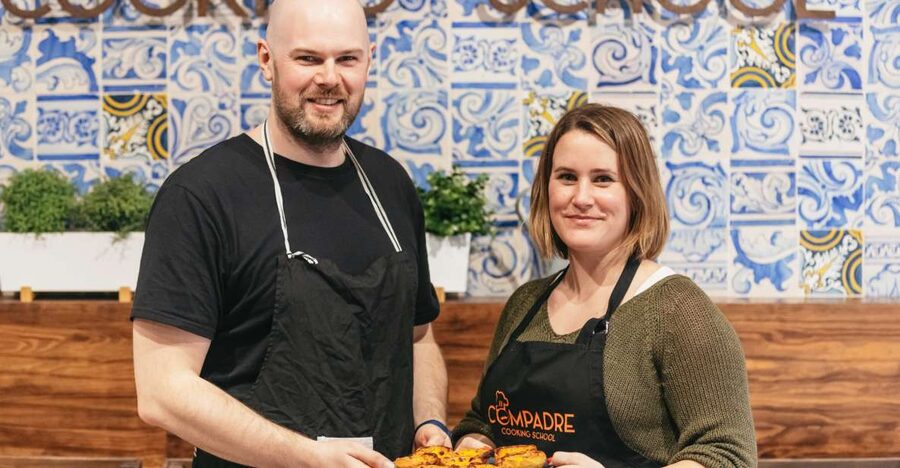
- Two Portuguese recipes in two hours: Make pastel de nata plus another local sweet or savory dish.
- Anna and Marta lead the class: Their clear instructions, humor, stories, and practical tips are a major part of the experience.
- The pastry work is beginner-friendly: You learn how to shape and fill the tarts, but the dough is prepared before class.
- You eat together afterward: Tea is included, while other drinks may cost extra or may not be provided.
- Plan for standing: The class involves about 1 hour 20 minutes on your feet and is not suitable for people with back problems.
Starting in a clean Lisbon cooking school
You meet at the local partner’s kitchen in Lisbon. The meeting instructions stress one small but useful point: enter Lisbon as the city when placing the address, rather than relying on a different nearby location suggested by a map or booking form.
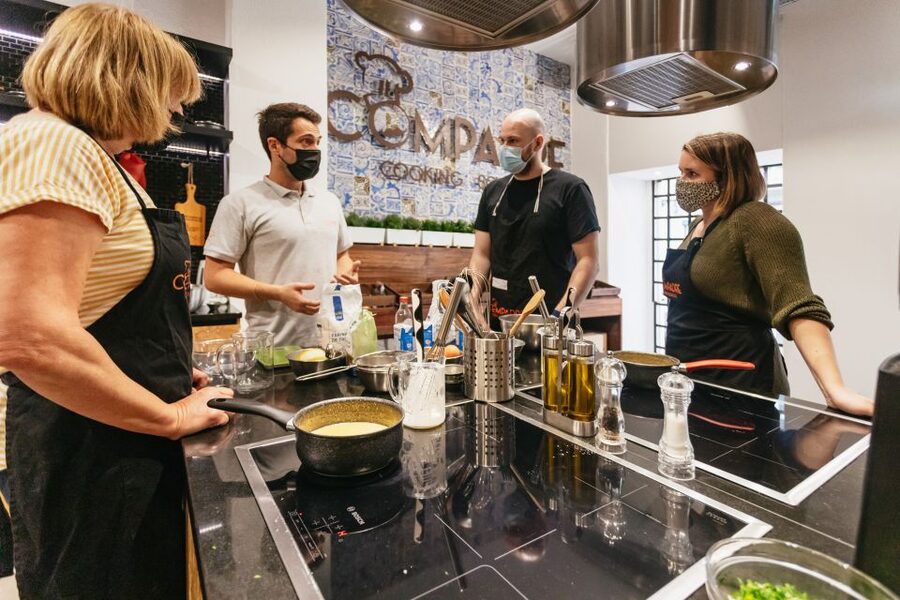
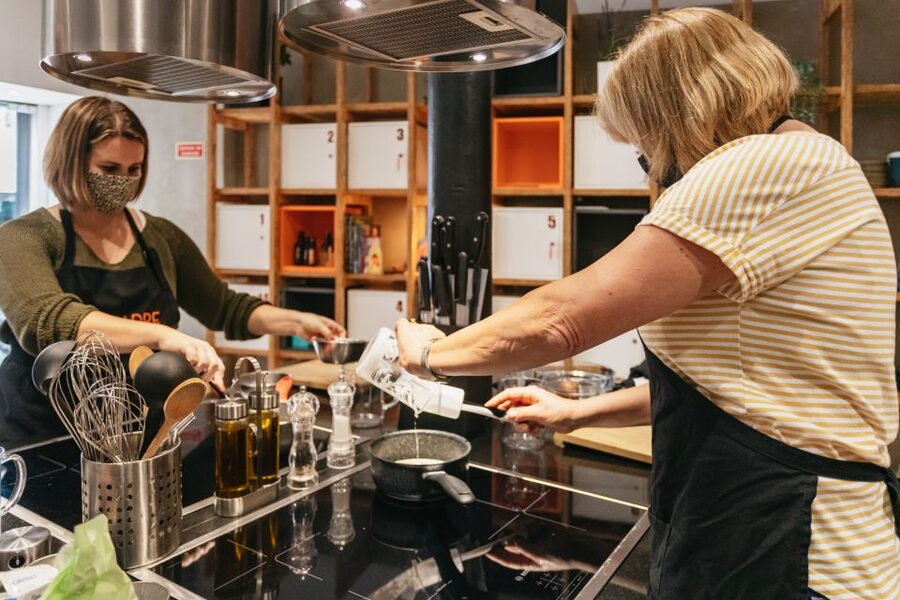
The cooking space is described as modern, clean, and well equipped. Air conditioning has been especially welcome during Lisbon’s hot weather, so the room should be more comfortable than a cramped home kitchen. You receive the ingredients, utensils, cooking equipment, and insurance as part of the $64 price.
The class is taught in English. Anna and Marta keep the mood relaxed and social, with enough guidance for people who rarely bake. You may be cooking alongside couples, families, solo participants, and people of different ages. One practical improvement would be to have everyone introduce themselves at the start, but conversation tends to come naturally as you work side by side.
Wear comfortable shoes. You will spend much of the session standing, moving between preparation and cooking tasks. If standing for more than an hour is difficult, this is not the right Lisbon food activity for you.
More Cooking Classes in Lisbon
- Lisbon: Pastel de Nata Baking Class
★ 4.9 · 2,106 reviews - Lisbon: Traditional Portuguese Cooking Class
★ 4.9 · 592 reviews - Lisbon Portuguese Cooking Class with 3-Course Dinner
★ 5.0 · 445 reviews
Learning why pastel de nata matters
Before the pastry becomes a recipe, it becomes part of Lisbon’s story. Pastel de nata dates back to the 19th century and is linked to Portuguese monasteries. The pastry is now a national symbol, sold throughout Portugal and increasingly familiar far beyond the country.
Anna and Marta explain this background while keeping the class moving. That balance matters. You get enough history to understand why the tart is important, but the session does not turn into a lecture about Portuguese food.
The cultural value here comes from the connection between the recipe and daily life. Pastel de nata is not a rare dish reserved for special occasions. It is one of the foods you encounter again and again in Lisbon, so learning how it is built gives you a better eye for the versions you try in cafés and bakeries later.
You may also receive suggestions for places to taste pastel de nata around Lisbon. That is a helpful extra, especially if you plan to compare the homemade version with pastries from well-known shops or from Belém.
Shaping the pastry cups
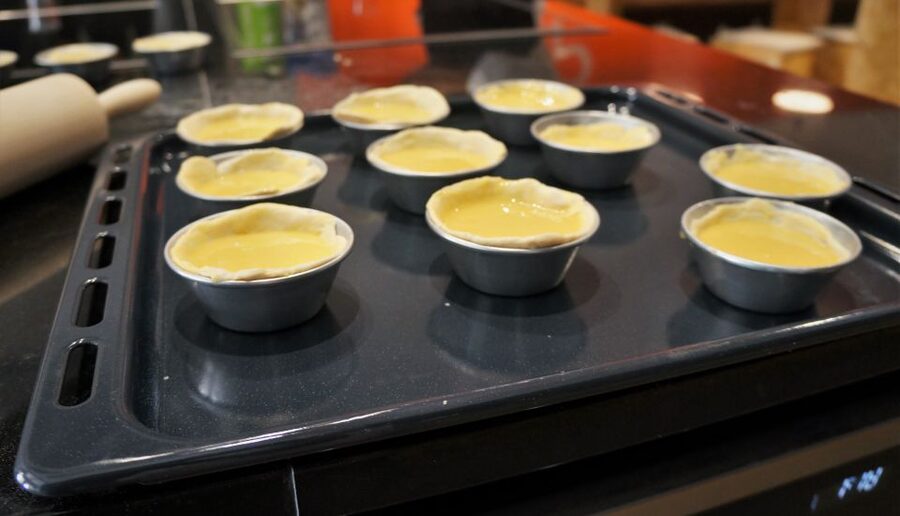
The central lesson is the pastel de nata itself. You work with the pastry and learn how to create the small shell that holds the custard. The instructors demonstrate each stage and offer advice on getting a neat shape and a crisp result.
This is the most hands-on part of the activity, but keep your expectations realistic. The dough is pre-made, so you will not spend the class measuring flour, developing gluten, or making laminated pastry from the beginning. That saves time and makes success more likely in a two-hour session, but it also means you are learning assembly and technique rather than the entire baking process.
For most people, that is a fair trade. Pastel de nata can look simple, yet the pastry shape affects how much filling each tart holds and how it cooks. The class gives you a practical method you can repeat at home rather than asking you to watch an expert do everything.
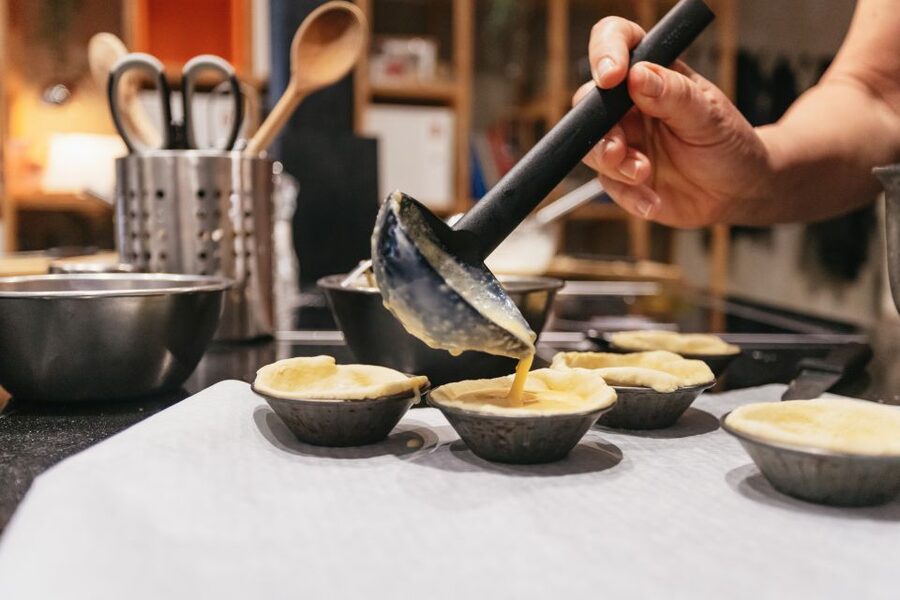
You also learn how to prepare the custard. The mixture is very simple, which makes it approachable for beginners and easy to recreate after your trip. Experienced bakers may find this section basic, but first-time cooks will appreciate instructions that do not bury the recipe in unnecessary steps.
Making a second Portuguese recipe
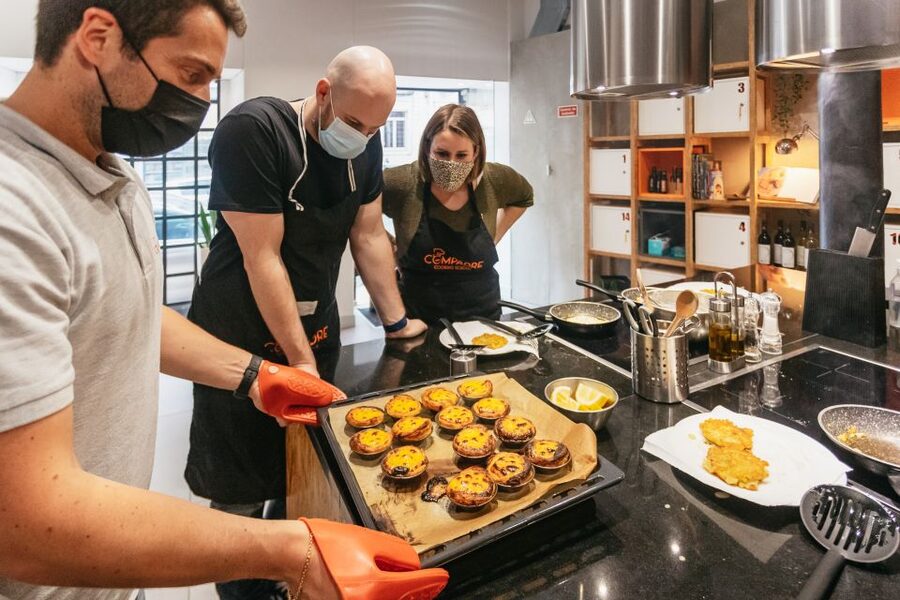
The extra recipe gives the class more value than a single-pastry demonstration. The exact dish can vary, but past sessions have included farófios, a traditional meringue dessert with custard, and cod fritters.
Farófios add another side of Portuguese cooking. They use a light meringue with custard and show how a few familiar ingredients can become a classic dessert. If your class makes cod fritters, you get a savory change of pace and a taste of Portugal’s long relationship with salted cod.
This second dish also keeps the session social. You are not waiting around for one pastry to finish. The group has another task, another flavor to try, and another recipe to take home.
The description refers to a light meal, but I would plan carefully around it. You eat the pastries and the second dish you prepare, which makes for a satisfying tasting session, but it may not replace lunch for everyone. Have a proper meal before or after if you need substantial food.
A different kind of day out, same corner of Portugal:
- Lisbon City Center Tour – The Unmissable Lisbon
★ 5.0 · 22,234 reviews - Lisbon: Sintra, Pena, Regaleira, Cabo da Roca & Cascais
★ 4.7 · 19,656 reviews - Sintra: Pena Palace and Park Entrance Ticket
★ 4.2 · 17,410 reviews - Lisbon: Jerónimos Monastery Entrance Ticket
★ 4.1 · 14,164 reviews
Eating what you made together
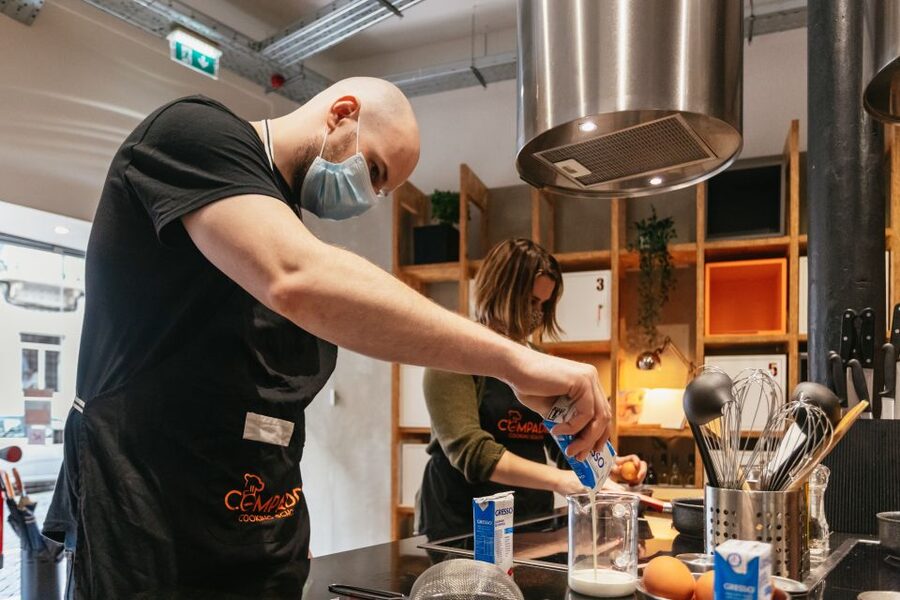
After the cooking, everyone sits down to share the results. This is a simple part of the activity, but it gives the class a pleasant finish. You can compare the tarts, talk with the other participants, and enjoy the food while it is fresh.
The atmosphere is casual rather than formal. That makes this a good choice if you want a social activity without committing to a long dinner or a highly structured culinary program. It can also work well for a family, including older children. An eight-year-old participant was able to take part in the process with a parent.
Tea is included in the activity details. Coffee is mentioned in the description, but it is not listed among the formal inclusions, and one recent class did not offer the promised tea and coffee. Water may be available at the table, but I would not book this as a beverage-focused food tour. If tea or coffee matters to you, confirm it with the local supplier before going.
The take-home element is useful. You receive the recipes for the two dishes, and bags may be available for any pastries you do not eat. In practice, you may have trouble saving them. Fresh pastel de nata is hard to resist, and one participant joked that the tarts disappeared before the take-away bags were needed.
What the $64 price gets you
At $64 per person, this is not the cheapest way to eat pastel de nata in Lisbon. You can buy a pastry for a small amount at a café. The value comes from the instruction, the second recipe, the shared meal, the kitchen equipment, and the chance to connect a familiar food with Portuguese culture.
For a first-time baker, the price is reasonable if you want to return home with a repeatable recipe. You are not paying only for ingredients. You are paying for a guided activity that fills two hours and gives you something to do with the people you are traveling with.
The value is stronger for couples, families, and solo visitors who enjoy food-based activities. A family can cook together instead of simply ordering another meal, and a solo participant can join without needing to organize a private group. The class also gives you an easy way to meet people without the pressure of a long evening event.
The value is weaker for an experienced pastry cook seeking advanced instruction. Since the dough comes pre-made and the custard is straightforward, you will not learn every technical detail behind professional production. You will learn the useful home version, with an emphasis on confidence and enjoyment.
The instructors make the short format work
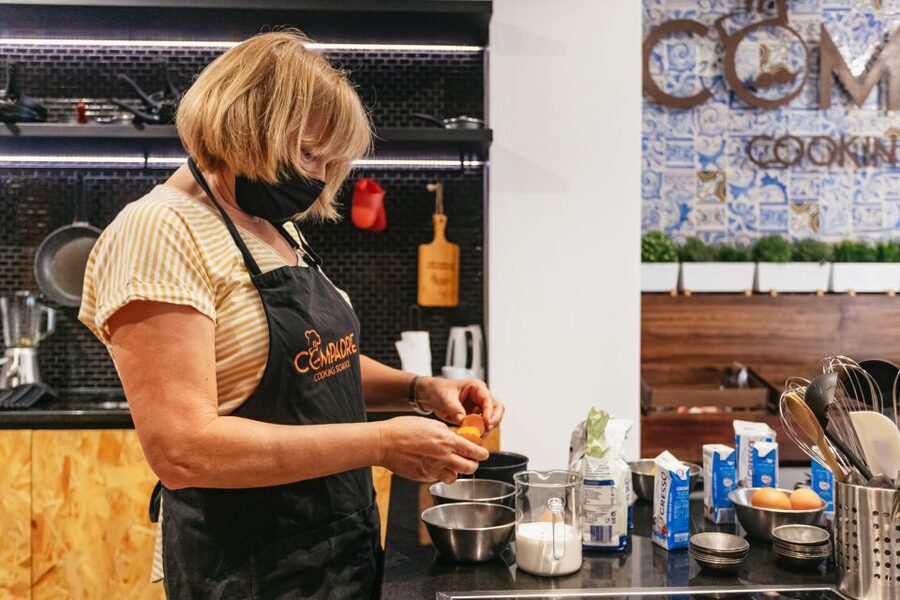
Two hours is a tight schedule for cooking, eating, and teaching cultural background. Anna and Marta are important because they keep the class moving while still stopping to explain the details.
Their approach is practical. Instructions are given step by step, and beginners can follow along without feeling rushed. They also add stories about the dishes and explain useful tricks for making a better tart at home. Their energy and humor help the class feel less like a lesson and more like a shared kitchen session.
The best praise for the teaching is consistent: participants describe the directions as clear, the atmosphere as friendly, and the recipes as easy to follow. I would give particular weight to that pattern because cooking classes can fail when the instructor does all the work or assumes too much prior skill. This one is built for participation.
The English instruction is another advantage for international visitors. You can ask questions and follow the recipe without needing Portuguese. Still, food terms and kitchen directions move quickly in any class, so it is worth staying close to the demonstration and asking for clarification when needed.
What to know before you book
This activity suits you best if you:
- Like food and want a hands-on cultural activity
- Are a beginner or casual home cook
- Want a short class that fits between sightseeing plans
- Are traveling solo, as a couple, or with family
- Want recipes you can make after returning home
- Enjoy meeting other people around a shared table
It may not suit you if you:
- Have back problems or cannot stand for about 1 hour 20 minutes
- Want to make pastry dough entirely from scratch
- Need a full lunch rather than a tasting
- Expect a formal professional baking course
- Require vegan food without arranging it in advance
Portuguese cuisine is not especially vegan-friendly, so contact the local supplier before booking if you are vegan. Vegetarian needs have been accommodated successfully, but you should still state your requirements ahead of time rather than leaving them to the day of the class.
Pets and smoking are not allowed. Pickup and drop-off are not included, so you make your own way to the kitchen. Check the available starting times when choosing your date, since the class lasts two hours but the schedule can vary.
Free cancellation is available up to 24 hours before the activity for a full refund. You can also reserve now and pay later, which helps if your Lisbon plans are still shifting.
My verdict on this Lisbon pastry class
Book it if you want more than a quick bite of Portugal’s signature tart. The friendly teaching, cultural stories, and second recipe make this a pleasant way to spend two hours, and the recipes give the experience a life beyond your holiday.
I would especially recommend it to families, solo food lovers, and couples who want a relaxed activity with something to eat at the end. Just treat the light meal as a tasting, confirm the tea and coffee details, and remember that the pastry dough is prepared in advance.
If you want advanced baking science or a full lunch, choose another class. For a fun introduction to pastel de nata, with clear instruction and a taste of local food culture, this is a solid Lisbon booking at $64.
FAQ
How long does the pastel de nata cooking class last?
The class lasts two hours.
Where does the activity take place?
It takes place at the local partner’s kitchen in Lisbon. When entering the address, make sure the city is listed as Lisbon.
What language is the class taught in?
The instructor teaches in English.
What recipes will I make?
You will make pastel de nata and one additional Portuguese recipe. The second dish can include farófios, another local dessert, or cod fritters.
Are ingredients and cooking equipment included?
Yes. Cooking equipment, utensils, ingredients, and an instructor are included.
Is tea or coffee included?
Tea is listed as included. Coffee is mentioned in the activity description but not in the formal inclusions, and availability may vary. Other beverages are not included.
Is the class suitable for vegans?
Portuguese cuisine is not very vegan-friendly. Contact the local supplier before booking if you are vegan.
Can I cancel the activity?
You can cancel up to 24 hours in advance for a full refund. A reserve-now-and-pay-later option is also available.
More 2-Hour Experiences in Lisbon
- 2 Hour Lisbon Sunset and Wine Sailing Tour
★ 5.0 · 2,680 reviews - 2-Hour Lisbon Traditional Boats Sunset Cruise with White Wine
★ 4.5 · 2,091 reviews - Lisbon: 1 or 2-Hour Cruise along the Tagus River
★ 4.8 · 1,079 reviews - Lisbon Small Group 2h Sunset Sailing- Live Commentary & a Drink
★ 5.0 · 620 reviews
More Workshops in Lisbon
- Lisbon: Azulejos’ Design Create Your Own Tile Workshop
★ 4.9 · 420 reviews - Lisbon: Surfing Lesson on Costa de Caparica Beach
★ 5.0 · 322 reviews - Lisbon: 1.5-Hour Surf Lesson
★ 4.8 · 257 reviews - Lisbon Surf Guide – Surf class & Pick Up
★ 5.0 · 210 reviews
Recently reviewed around Lisbon
- Portinho da Arrábida: Coasteering Boat Tour★ 4.9 · 78 reviews
- Setúbal: Dolphin-Watching Boat Tour★ 4.8 · 213 reviews
- From Lisbon: Private Óbidos and Nazaré Tour★ 5.0 · 152 reviews
- No Diet Club – Unique food tour in Lisbon with many Tastings★ 4.8 · 44 reviews
- Queluz National Palace & Gardens Ticket★ 4.6 · 447 reviews
- Melides: Horse Riding on the Beach with Wine Tasting★ 4.3 · 117 reviews
- Melides: Horseback Riding on Melides Beach★ 4.7 · 111 reviews
- Lisbon: Street Art Tuk Tuk Tour★ 4.9 · 372 reviews
Cooking Classes, compared.
Pastel de Nata Cooking Class with Grandma’s Recipe
Read our review →
Pastel de Nata Cooking Class with Port Wine – Sé
Read our review →
Lisbon Portuguese Cooking Class with 3-Course Dinner
Read our review →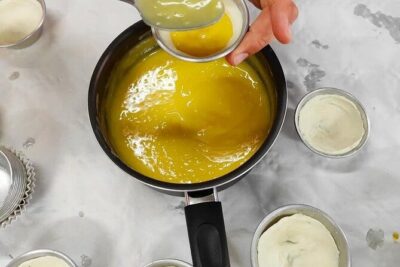
Pastel de Nata Cooking Class with Porto Wine (Sé do Porto)
Read our review →
Browse the lists this tour appears in