
Reviewed · COOKING CLASSES
Lisbon: Pastel de Nata Baking Class
Lisbon’s famous custard tart is easy to eat and surprisingly tricky to make well. In this two-hour baking class, you learn how pastry becomes flaky, how the custard gets its gentle sweetness, and how the finished tarts emerge hot from the oven.
I like the hands-on work, rather than a simple demonstration, and I like the easy social setting, where solo visitors, couples, families with older children, and strangers can work together. The local drinks, including coffee, Porto wine, and a small ginjinha tasting, add a useful taste of Portuguese food culture.
The main consideration is location. Homecooking Lisbon HUB is not right in central Lisbon, so allow extra time for the trip. The class also involves standing and kitchen work, and it is not suitable for children under six or people with mobility impairments.
In This Review
- Key points at a glance
- Why this tart class works so well in Lisbon
- Entering the Homecooking Lisbon kitchen
- Building the pastry from dough to tart shell
- Preparing the custard and learning the traditional method
- Waiting for the oven, then eating the results
- Portuguese drinks with the pastry
- The social side: pairs, solo bookings, and families
- Is $64 good value?
- Who should book this Lisbon activity?
- Booking and practical details
- Should you book the pastel de nata class?
- FAQ
- How much does the Lisbon pastel de nata class cost?
- How long does the baking class last?
- Where does the activity meet?
- Is hotel pickup included?
- What drinks are included?
- Is the class taught in English?
- Can children attend?
- Can I cancel for a refund?
Key points at a glance
- You make the pastry yourself: Shape and handle the dough instead of merely watching a chef.
- The class explains the why: Pre-measured ingredients are used, but the instructors explain the traditional method and why some work is prepared ahead.
- Warm tarts are the reward: You eat your own pastel de nata fresh from the oven and may have extras to take away.
- Drinks make it feel Portuguese: Homemade juice, coffee, water, Porto wine, and ginjinha are included.
- Several instructors lead the sessions: Past classes have featured Marta, Bea, Miguel, Miyuki, Beatrice, Pedro, Rachel, and others.
- Small-group teamwork is part of the format: You may work in pairs, which is helpful for solo visitors but worth knowing in advance.
Why this tart class works so well in Lisbon
Lisbon is full of places selling pastel de nata, so a baking lesson may seem unnecessary at first. After all, you can buy one cheaply at a bakery and eat it while walking up a hill.
The value here is understanding what you are tasting. The pastry is not just a shell filled with custard. You get to feel the dough, see how it is shaped, learn how the custard is prepared, and watch the heat transform the two into a crisp, creamy tart.
That makes this a good early-Lisbon activity. Take the class near the start of your stay, then sample tarts around the city with a better eye. You will notice the pastry texture, the degree of browning, and the balance between sweet filling and crisp crust.
The food lesson also connects to Portuguese culture. Instructors explain the pastry’s origins and traditional approach, and some share family customs or personal food memories. The class is not a lecture, but it gives the tart a place in Lisbon’s wider food story.
More Cooking Classes in Lisbon
- Lisbon: Traditional Portuguese Cooking Class
★ 4.9 · 592 reviews - Lisbon: 2-Hour Pastel de Nata Cooking Class
★ 4.8 · 461 reviews - Lisbon Portuguese Cooking Class with 3-Course Dinner
★ 5.0 · 445 reviews
Entering the Homecooking Lisbon kitchen
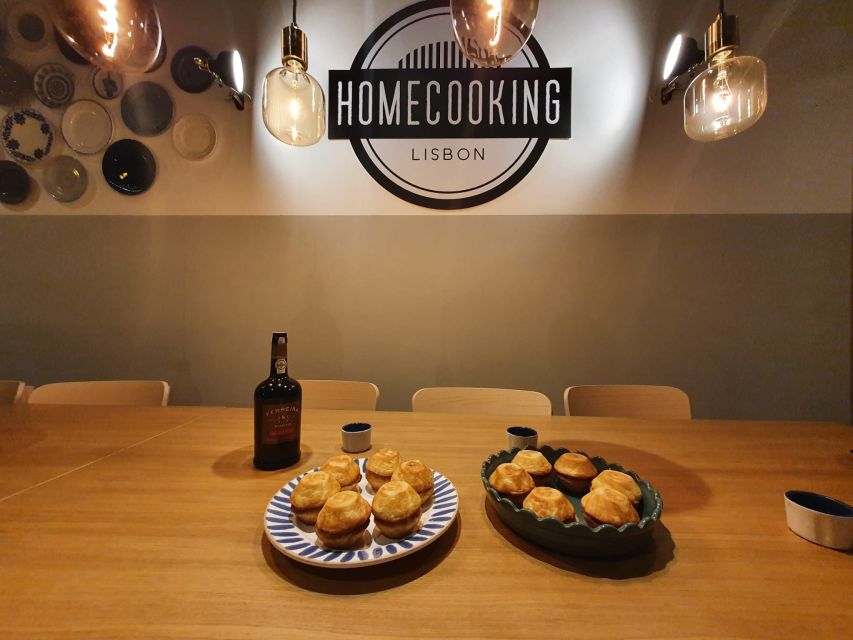
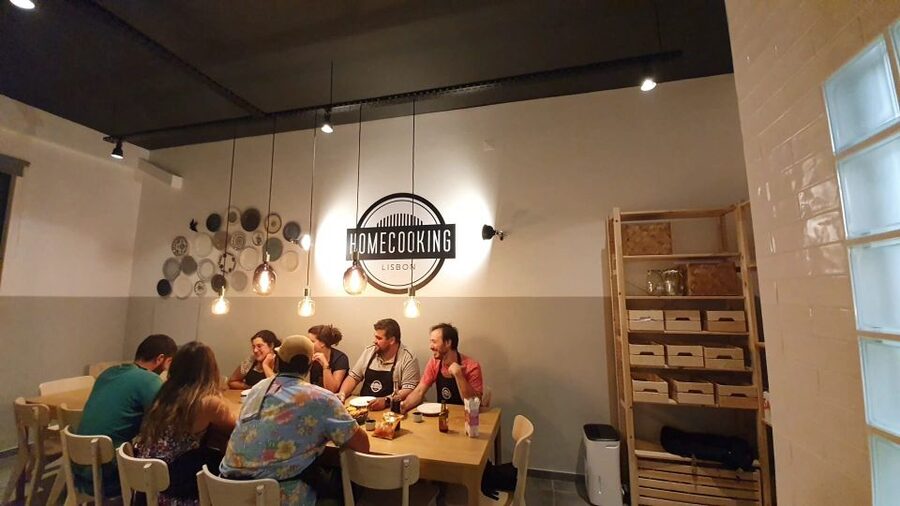
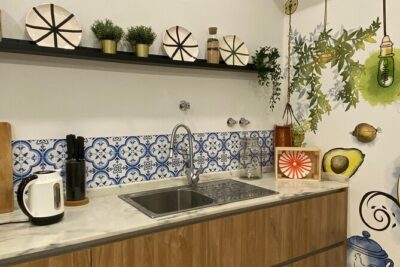
The meeting point is Homecooking Lisbon HUB in the Lisbon District. The kitchen has been described as clean, modern, attractive, and well prepared, with a bus stop directly outside according to one class account.
Do not assume you can walk there quickly from the central sights. One participant found a taxi convenient and inexpensive, while another specifically noted that the venue was not near central Lisbon. Check the route before class and build in time for traffic or a possible change in the meeting arrangement.
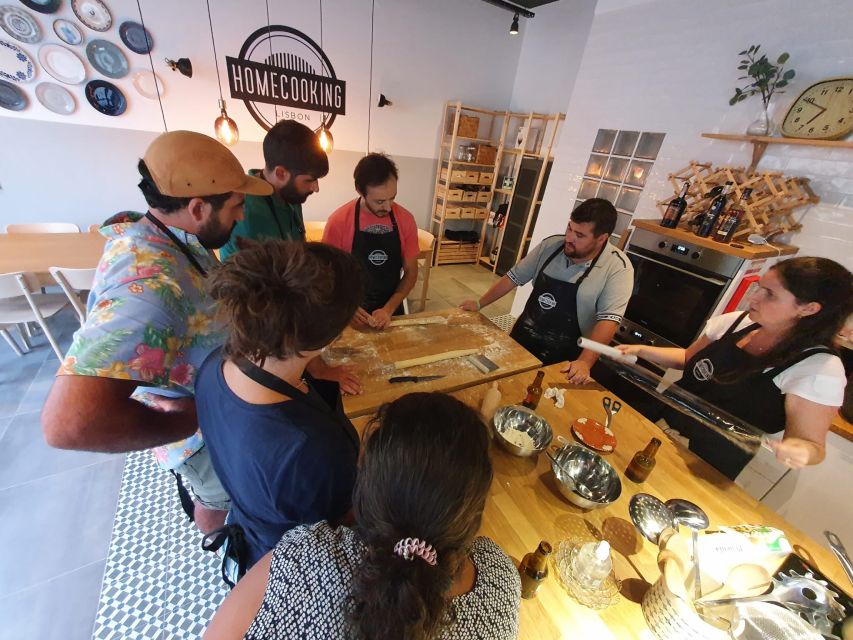
Once you arrive, the setup is designed to get you cooking quickly. Ingredients, utensils, and insurance are included, so you do not need to bring baking equipment. The instructors speak English, and the class has served people from many countries.
The atmosphere appears to be one of the strongest parts of the experience. The kitchen is organized, but not stiff. You can expect the instructor to explain the task, demonstrate it, then move around the room to help.
Building the pastry from dough to tart shell
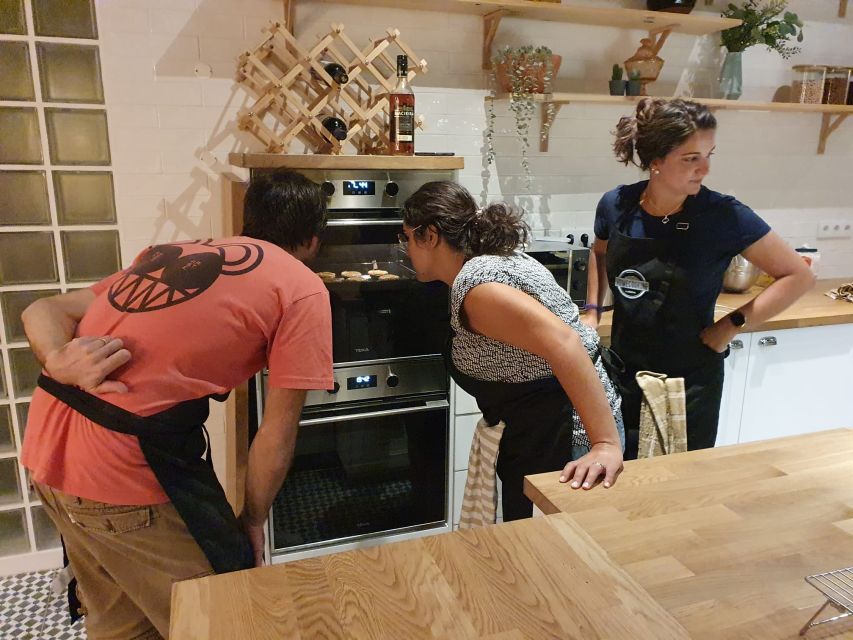
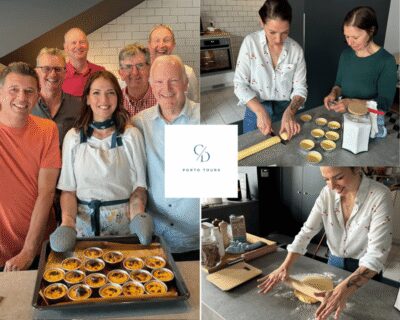
The most useful part of the class is the pastry work. You handle the dough and learn how to shape it into the thin, delicate shell that gives pastel de nata its character.
This is where the class offers more than a recipe card. Pastry technique depends on touch, and an instructor can show you what the dough should feel like and how to work it without making the process seem mysterious.
The work is practical and approachable for beginners. Several instructors are praised for giving clear, patient instructions and helping at the exact point where a participant is unsure. That matters because pastry can look simple on paper but feel awkward the first time you try it.
Some of the ingredients are pre-measured, and certain parts of the preparation may be done in advance. That is not a flaw if you want a two-hour class with a reliable result. It keeps the session moving and leaves enough time for you to take part in the important steps.
If you want to prepare every ingredient from the beginning, this class may feel slightly simplified. If you want to learn the method, practice the key techniques, and actually eat good results before the session ends, the format makes sense.
Preparing the custard and learning the traditional method
The custard is the other half of the lesson. You learn how the filling is made and how it is placed into the pastry shells before baking.
The instructors focus on the traditional method rather than treating the tart as a shortcut dessert. That gives you useful context when you try the recipe at home. You learn not only what to combine, but also why some steps matter.
The class has a steady pace. It is active enough to keep you involved, but not so rushed that you must guess what to do next. You can ask questions, and the chef or assistant can step in if your pastry needs a little correction.
Names vary by session. Marta has led classes described as clear, funny, and attentive. Bea and Beatrice have received warm praise for making the room friendly and explaining the food’s cultural background. Miguel has been noted for his energy and practical tips, while Miyuki has been praised for making solo participants feel welcome.
You should not book based on a particular chef unless the provider confirms who will lead your date. Still, the repeated pattern is useful: the teaching style is personal, patient, and active rather than purely performative.
A different kind of day out, same corner of Portugal:
- Lisbon City Center Tour – The Unmissable Lisbon
★ 5.0 · 22,234 reviews - Lisbon: Sintra, Pena, Regaleira, Cabo da Roca & Cascais
★ 4.7 · 19,656 reviews - Sintra: Pena Palace and Park Entrance Ticket
★ 4.2 · 17,410 reviews - Lisbon: Jerónimos Monastery Entrance Ticket
★ 4.1 · 14,164 reviews
Waiting for the oven, then eating the results
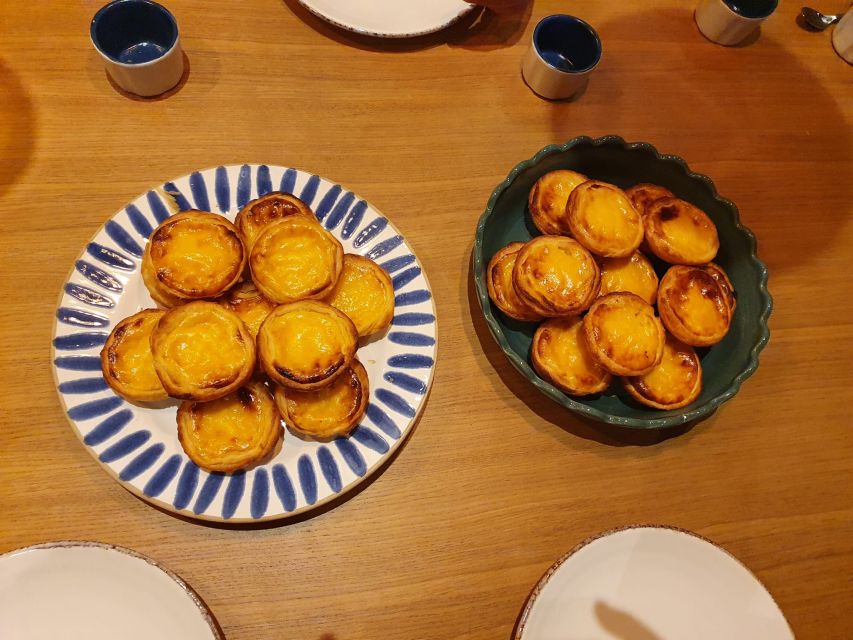
When the tarts go into the oven, the experience shifts from work to anticipation. You smell the pastry as it bakes, then finally taste the pastel de nata while it is warm.
That first bite is the payoff. The best texture comes from the contrast between crisp pastry and soft custard, and eating the tarts fresh makes the lesson feel complete. You are not simply shown a cooking technique and sent away. You get to taste what you made.
Several class accounts describe having enough tarts to take some back to the hotel or keep for later. The exact quantity is not specified, so think of this as a possible bonus rather than a guaranteed number. Bring a small container only if the provider confirms that leftovers are packed for you.
The ending can feel a little quick. One participant wanted more time to sit, eat, and chat after the baking was finished. If lingering over food is important to you, keep that in mind. The advertised duration is two hours, and the class needs to keep moving to complete the baking process.
Portuguese drinks with the pastry
The drink service adds more than refreshment. You may taste homemade juice, coffee, water, Porto wine, and ginjinha, the small Portuguese cherry liqueur often served as a digestif.
Ginjinha is especially useful here because it is part of the local drinking culture and not something every visitor thinks to order. Tasting it alongside your warm tart gives the class a broader food-and-drink angle.
Porto wine is listed as included, but availability may vary. One class account noted that wine was not served during that session. The safest approach is to see the drinks as an appealing extra, not the main reason to book.
The nonalcoholic choices also make the activity workable for people who do not drink. Coffee and homemade juice pair naturally with the pastries, while water is available throughout.
The social side: pairs, solo bookings, and families
This is not a silent cooking lesson. You may work in pairs, so solo participants are likely to share a station with someone they have just met.
That arrangement can be useful. You share tasks, compare results, and have an easy reason to talk. It also means the experience is not fully individual. If you want your own dedicated work surface and complete control of every step, ask about the class format before booking.
The group size has been described as around 12 people in at least one session. That is small enough for help to reach you, while large enough to create a social room without making the class feel like a private lesson.
Couples fit the format well, especially if you want a short activity between sightseeing stops. It also works for families with children old enough to follow instructions. The published restriction says children under six are not suitable, although one family account described a five-year-old attending. Because of that inconsistency, confirm the age rule directly if you are bringing a young child.
The class is conducted in English. That makes the steps accessible to English-speaking visitors, and the instructors have also been praised for switching between languages when needed. No other language is formally promised.
Is $64 good value?
At $64 per person, this is more expensive than buying several pastel de nata at a bakery. That comparison misses the point, though. You are paying for ingredients, equipment, instruction, drinks, use of a clean kitchen, and a social activity that fills two hours.
The value is strongest if you enjoy food experiences and want a skill you can carry home. You receive guidance rather than just a tasting, and the recipe can help you try the pastry again after your holiday.
It is also a practical rainy-day plan. Lisbon sightseeing is weather dependent, while a kitchen class gives you a warm indoor activity with a clear beginning and end.
The value is weaker if you are only interested in eating the pastry as cheaply as possible. You may also find it less appealing if you want a serious professional pastry course. The class is designed to be friendly and achievable, not an advanced qualification.
The included drinks help round out the price, though you should not expect a full meal. The main edible reward is your batch of tarts.
Who should book this Lisbon activity?
I would recommend it most to:
- First-time Lisbon visitors who want food context, not just a quick snack.
- Couples looking for a relaxed two-hour activity.
- Solo visitors comfortable sharing a workstation.
- Families with children aged six and older, subject to confirming the age policy.
- Beginner bakers who want clear instruction and a reliable introduction to pastry.
- Anyone who wants to recreate a Portuguese treat at home.
You may want to skip it if you have limited time in Lisbon and would rather focus on monuments, museums, or neighborhood walks. It also may not suit you if standing in a kitchen is difficult or if you need step-free access, since the activity is not suitable for people with mobility impairments.
The class is not a substitute for visiting Lisbon’s bakeries. It gives you a reason to visit them with more understanding afterward.
Booking and practical details
The class costs $64 per person and lasts two hours. Starting times depend on availability, so check the schedule before building it into your day.
The meeting point is Homecooking Lisbon HUB, with no hotel pickup or drop-off. Plan your own transport, and allow extra time because the venue may be outside the central sightseeing area.
You can cancel up to 24 hours before the activity for a full refund. The reserve-now, pay-later option is useful if your itinerary is still taking shape.
Wear something comfortable for kitchen work. The supplied information does not specify a dress code, storage arrangements, or the exact number of pastries produced, so contact Homecooking Lisbon if those details matter to you.
The overall rating is 4.9 from 2,106 reviews, and the most consistent praise is directed at the instructors, clear instructions, clean facilities, friendly atmosphere, and delicious results. One practical note: a venue change once caused confusion for a last-minute booking, though the issue was resolved quickly. Check your meeting details before setting out.
Should you book the pastel de nata class?
Book it if you want to do more than buy Lisbon’s signature pastry. The class gives you hands-on pastry practice, a little Portuguese food culture, warm tarts, and a chance to meet people in a friendly kitchen.
I especially like it as an early-trip activity. Afterward, every bakery visit becomes a small comparison exercise, and you may return home with enough confidence to try the recipe again.
Skip it if your priority is the lowest-cost tasting, a fully private lesson, or a central Lisbon location. For most food-minded visitors, though, $64 is a fair price for a well-organized two-hour experience that leaves you with both a memory and a useful new party trick.
FAQ
How much does the Lisbon pastel de nata class cost?
The price is $64 per person.
How long does the baking class last?
The experience lasts two hours.
Where does the activity meet?
The meeting point is Homecooking Lisbon HUB in the Lisbon District.
Is hotel pickup included?
No. Hotel pickup and drop-off are not included, so you must arrange your own transport.
What drinks are included?
Included drinks are homemade juice, coffee, water, Porto wine, and a ginjinha tasting. Availability can vary, as one class account noted that wine was not served during that session.
Is the class taught in English?
Yes. The listed instructor language is English.
Can children attend?
Children under six are listed as unsuitable for the activity. If you are traveling with a younger child, confirm the current age policy before booking.
Can I cancel for a refund?
Yes. You can cancel up to 24 hours in advance for a full refund. You can also reserve now and pay later.
More Workshops in Lisbon
- Lisbon: Azulejos’ Design Create Your Own Tile Workshop
★ 4.9 · 420 reviews - Lisbon: Surfing Lesson on Costa de Caparica Beach
★ 5.0 · 322 reviews - Lisbon: 1.5-Hour Surf Lesson
★ 4.8 · 257 reviews - Lisbon Surf Guide – Surf class & Pick Up
★ 5.0 · 210 reviews
Recently reviewed around Lisbon
- Portinho da Arrábida: Coasteering Boat Tour★ 4.9 · 78 reviews
- Setúbal: Dolphin-Watching Boat Tour★ 4.8 · 213 reviews
- From Lisbon: Private Óbidos and Nazaré Tour★ 5.0 · 152 reviews
- No Diet Club – Unique food tour in Lisbon with many Tastings★ 4.8 · 44 reviews
- Queluz National Palace & Gardens Ticket★ 4.6 · 447 reviews
- Melides: Horse Riding on the Beach with Wine Tasting★ 4.3 · 117 reviews
- Melides: Horseback Riding on Melides Beach★ 4.7 · 111 reviews
- Lisbon: Street Art Tuk Tuk Tour★ 4.9 · 372 reviews
Cooking Classes, compared.
Pastel de Nata Cooking Class with Grandma’s Recipe
Read our review →
Pastel de Nata Cooking Class with Port Wine – Sé
Read our review →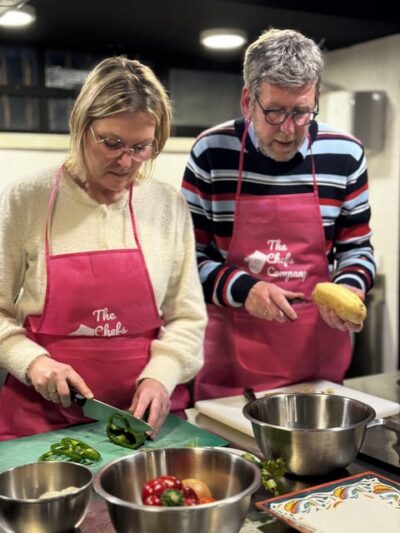
Lisbon Portuguese Cooking Class with 3-Course Dinner
Read our review →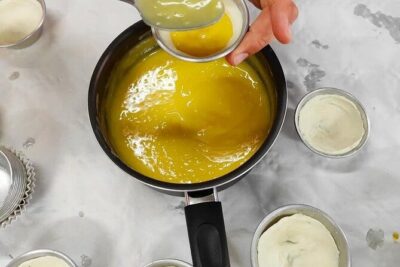
Pastel de Nata Cooking Class with Porto Wine (Sé do Porto)
Read our review →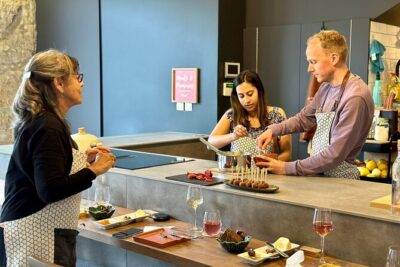
Browse the lists this tour appears in