
Reviewed · COOKING CLASSES
Lisbon: Portuguese Cooking Class for Beginners
Portuguese food is at its best around a table, and this class puts you right there. I like the small group of six or fewer, which gives you room to work, and I like that you prepare three dishes rather than simply watching a chef. The stories behind the recipes make the meal more than a cooking demonstration.
The main drawback is physical: you’ll be on your feet for at least two hours. If you have significant back problems, this is not a good fit. Also, the exact dishes can vary, so you should ask about the menu if you have strong dislikes or dietary concerns.
In This Review
- Key points at a glance
- Why this Lisbon cooking class works
- Entering Compadre Cooking School in Lisbon
- The opening food story
- Preparing three Portuguese dishes
- The meal at the end
- Recipes you can use at home
- What the $88 price includes
- The practical limits of the class
- Who should book this experience?
- Should you book it?
- FAQ
- Where does the Portuguese cooking class take place?
- How long does the cooking class last?
- How many dishes will I prepare?
- Is the class suitable for beginners?
- Which languages are available?
- What is included in the price?
- Are hotel pickup and drop-off included?
- Can people with back problems join the class?
Key points at a glance
- Three dishes in three hours: You take part in the preparation, then sit down to eat what you made.
- A class with cultural context: The instructors explain how Portuguese food connects with family life, history, and local traditions.
- Small Lisbon setting: The group is limited to six participants, making it easier to get help at the counter.
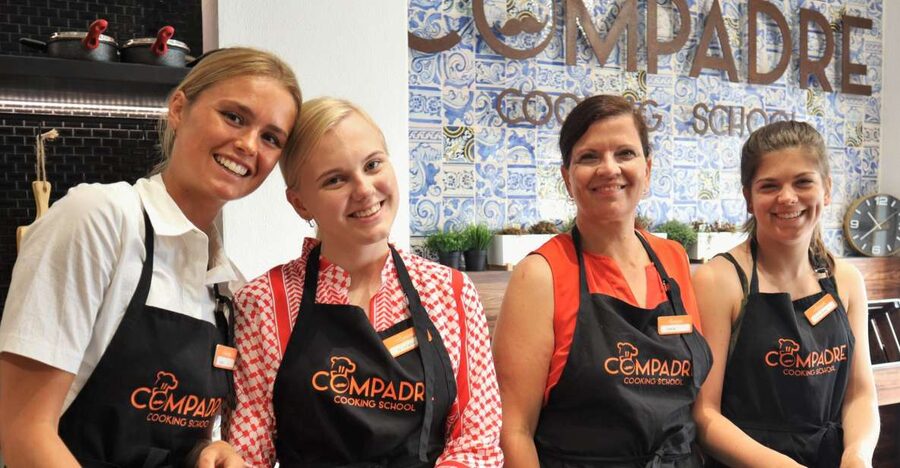
- Friendly instruction: Anna and Marta are singled out for patient, clear teaching and useful food recommendations.
- A practical souvenir: You receive the recipes, including the dishes prepared during class, so the experience can continue at home.
- Good value at $88: The price includes instruction, ingredients, equipment, a full meal, beverages, recipes, and insurance.
Why this Lisbon cooking class works
Many cooking classes give you one recipe, a quick taste, and a certificate that gets forgotten. This one gives you three dishes and a proper meal at the end. That makes the three-hour schedule feel useful rather than padded.
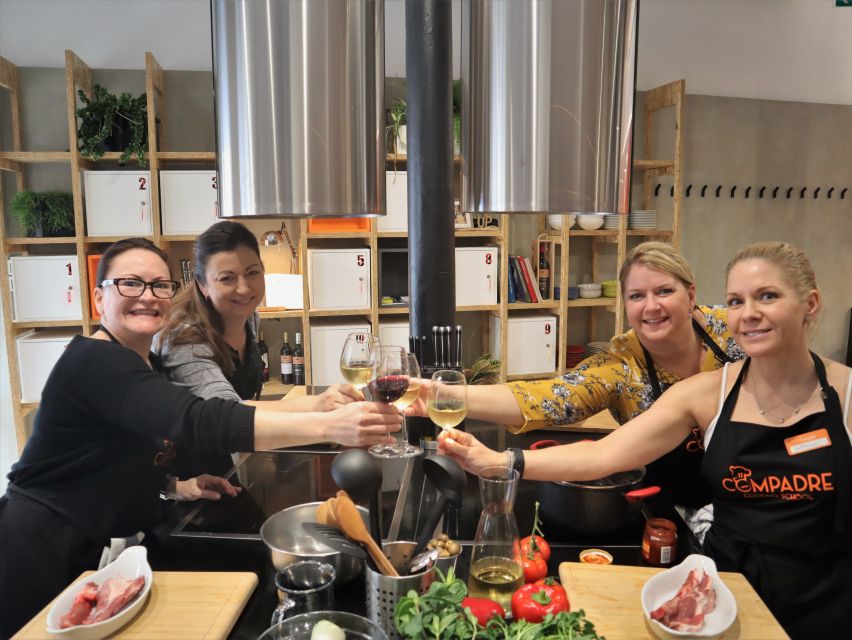
You are not just watching a demonstration. The format is hands-on, so you help prepare the food and follow the cooking process from start to finish. Beginners are welcome, and you do not need to arrive with kitchen skills. The instructors help with each step, which matters if you are unsure about handling seafood, seasoning, or timing several dishes at once.
The class also places food in its Portuguese setting. Meals here are tied to family, celebrations, regional customs, and everyday social life. A short explanation of a recipe can tell you why certain ingredients matter and how a dish fits into the country’s food traditions.
That cultural layer is one of the strongest parts of the experience. You leave with more than a list of ingredients. You begin to understand why food is such a natural way for Portuguese people to gather friends, family, and even new acquaintances around one table.
More Cooking Classes in Lisbon
- Lisbon: Pastel de Nata Baking Class
★ 4.9 · 2,106 reviews - Lisbon: Traditional Portuguese Cooking Class
★ 4.9 · 592 reviews - Lisbon: 2-Hour Pastel de Nata Cooking Class
★ 4.8 · 461 reviews
Entering Compadre Cooking School in Lisbon
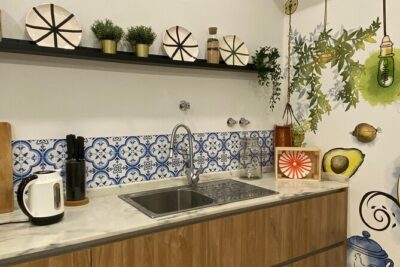
You meet at Compadre Cooking School in Lisbon District. Be careful when arranging your plans, since the meeting point is in Lisbon and should not be confused with another Portuguese city.
There is no hotel pickup or drop-off. You need to make your own way to the school, so allow enough time to arrive before the scheduled start. Starting times vary, and you should check availability when booking.
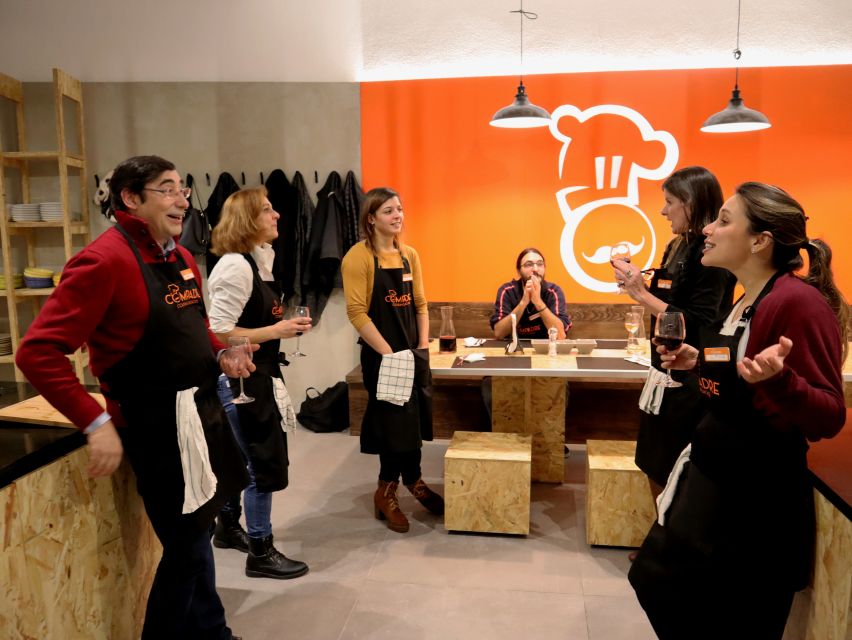
Once the class begins, the small group setup becomes important. With no more than six participants, you are less likely to spend the session waiting for a turn. The instructors can watch your work, answer questions, and adjust the pace when someone is new to cooking.
Instruction is offered in English and Portuguese. That makes the class accessible to many international visitors, while also keeping a direct link to local language and food culture.
The opening food story
The class starts by placing the recipes in context. You learn about the origins of the dishes and the role food plays in Portuguese life before getting fully involved with the cooking.
I value this introduction because it gives the meal a sense of place. A Portuguese recipe is not only a method for combining ingredients. It can reflect family habits, regional cooking, older traditions, and the country’s long relationship with the sea and its agricultural products.
The opening talk also helps you pay attention later. When you chop, mix, season, or cook an ingredient, you have some idea of why it belongs in the dish. That is a better way to learn than copying instructions without understanding them.
The historical portion is not described as a long lecture, so you should expect a practical introduction rather than a formal food-history course. Still, the class makes time for the background, and several people have especially valued those explanations.
Preparing three Portuguese dishes
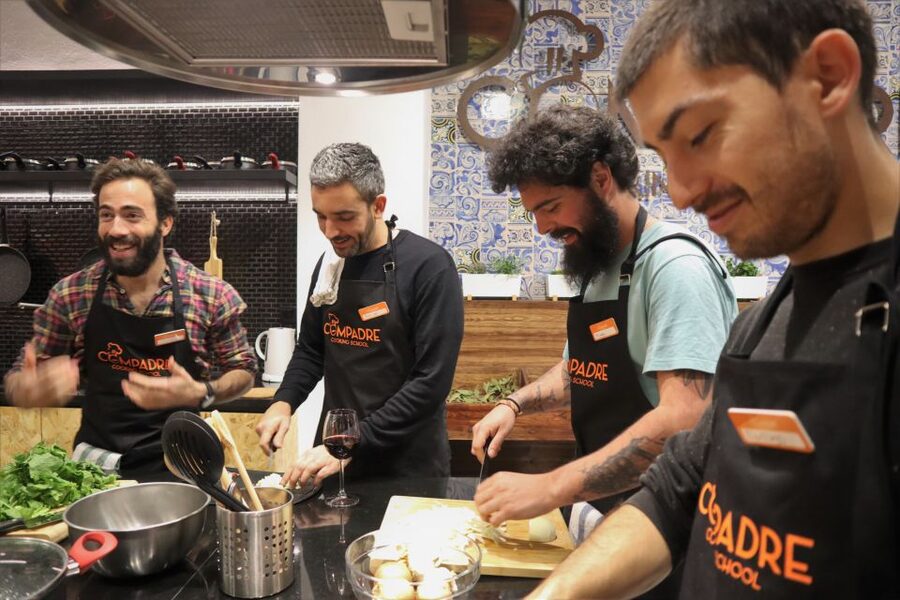
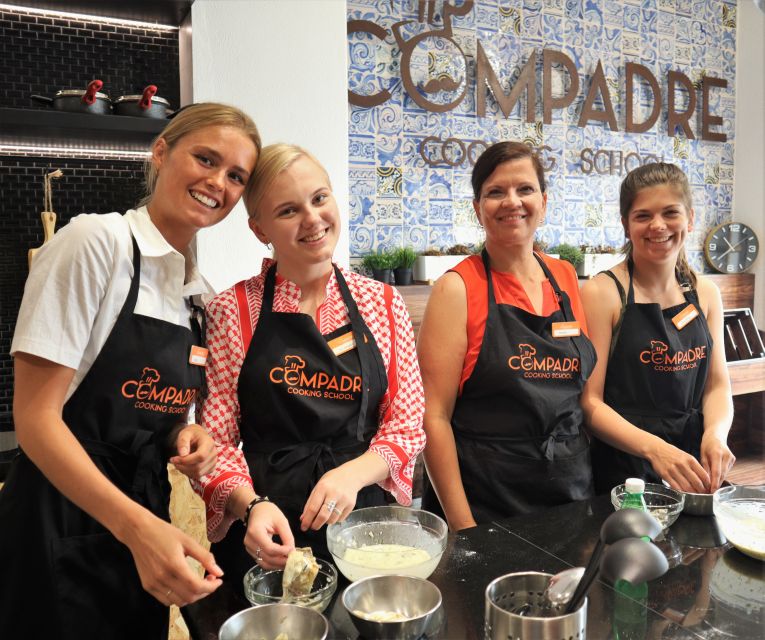
The central part of the experience is the hands-on cooking. Your instructor teaches you to prepare three different dishes, using the equipment and ingredients provided at the school.
The menu is not specified in advance in the available details, but past classes have included cod, prawns, and chicken piri piri. One participant was not a big seafood eater and received a chicken piri piri option, while the seafood dishes were adjusted. That suggests the team may be able to help with some preferences, but you should raise any food concerns before booking or at the start of class rather than count on a particular substitution.
You work through each recipe with guidance from the instructor. The pace is intended for beginners, so you can ask questions and get help instead of trying to keep up with a professional kitchen.
Anna has been praised for explaining each step clearly and working at the group’s own pace. Marta has also received strong marks for helping participants through the process and keeping the class fun. The tone appears to be warm and social, not strict or intimidating.
That matters if you rarely cook. You can expect assistance throughout the preparation, not just a quick explanation followed by a command to fend for yourself. At the same time, experienced home cooks should still find the class worthwhile because the cultural background and Portuguese menu add something beyond basic kitchen practice.
A different kind of day out, same corner of Portugal:
- Lisbon City Center Tour – The Unmissable Lisbon
★ 5.0 · 22,234 reviews - Lisbon: Sintra, Pena, Regaleira, Cabo da Roca & Cascais
★ 4.7 · 19,656 reviews - Sintra: Pena Palace and Park Entrance Ticket
★ 4.2 · 17,410 reviews - Lisbon: Jerónimos Monastery Entrance Ticket
★ 4.1 · 14,164 reviews
The meal at the end
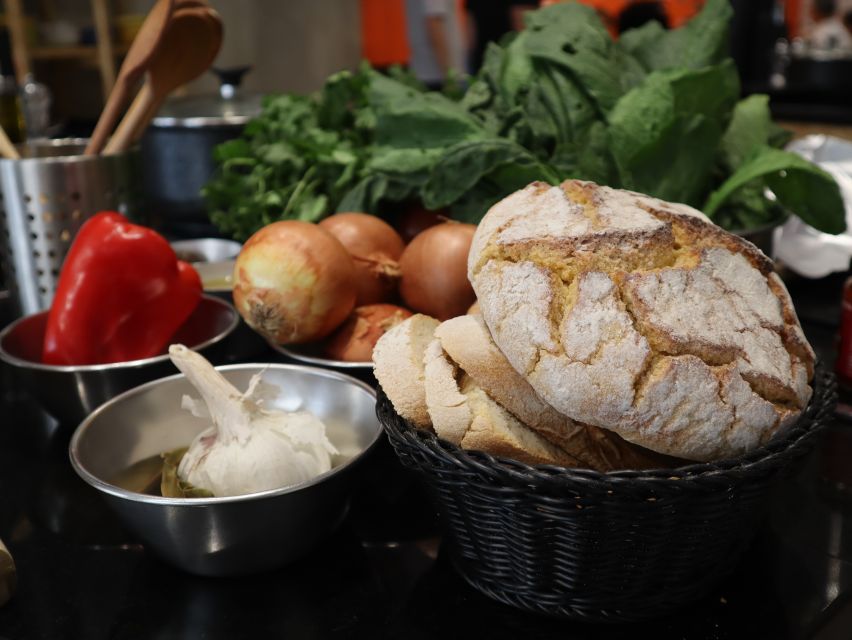
After cooking, you sit down and eat the dishes you prepared. This is a full meal experience, not merely a sample at the counter.
Wine, tea, and coffee are included. Wine is especially suited to the social character of the class, while tea and coffee give you non-wine options with or after the meal. The beverage offering helps make the final portion feel like lunch or dinner with new acquaintances, rather than a simple end-of-class snack.
The shared table is also part of the value. A small cooking group usually creates easy conversation because everyone has worked on the same meal. You may meet people from several countries while comparing techniques, laughing over imperfect steps, and eating the results together.
I would schedule this class when you can enjoy the meal without rushing to another timed activity. The class lasts three hours, and the sit-down meal is an important part of the experience. Treating it as a quick stop between attractions would miss much of what you are paying for.
Recipes you can use at home
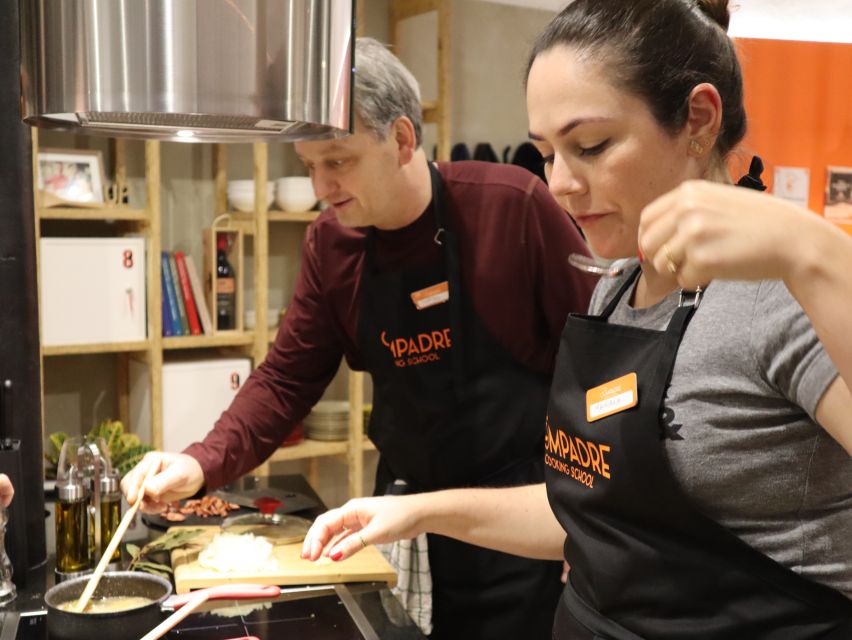
The recipes are provided after the class. This is one of the most practical inclusions because it gives the activity a life beyond your Lisbon visit.
You can try the dishes again for friends and family, using the class as an introduction to Portuguese cooking rather than a one-off holiday memory. One participant also noted access to an extensive Portuguese cookbook through a QR code, including the recipes made in class. The official inclusions confirm that recipes are provided, though the exact format may vary.
Cooking the dishes again at home can help you remember the food stories attached to them. It also lets you adjust the recipes to your own kitchen and comfort level. If you are unsure about seafood, for example, you can focus on the chicken piri piri preparation or ask the school what alternatives are available.
What the $88 price includes
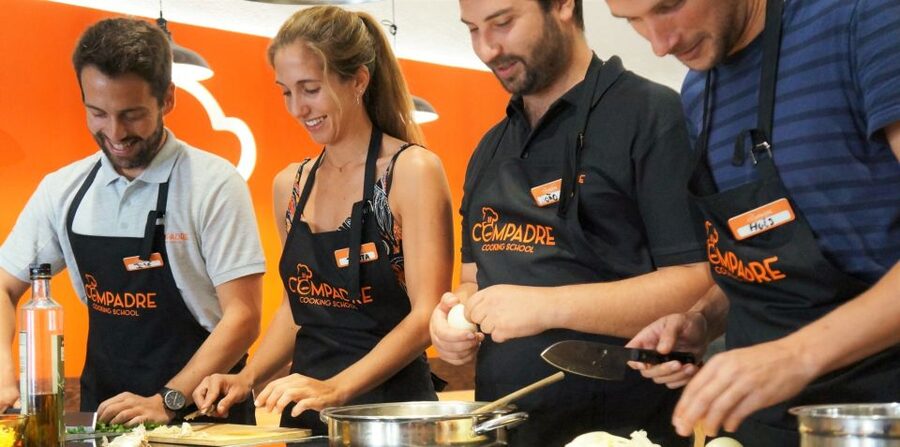
At $88 per person, this is not the cheapest way to eat in Lisbon. You can find a meal for far less, and a short market visit or food tasting may cost less as well.
The comparison changes when you count what is included. The fee covers three hours of instruction, ingredients, kitchen equipment, a full meal, wine, tea, coffee, recipes, and insurance. You are paying for both the food and the teaching, with the added benefit of preparing the meal yourself.
The small group also improves the value. A class limited to six participants gives you more direct access to the instructor than a large workshop. If you learn best by doing, the price is easier to justify than it would be for a demonstration where you sit and watch.
I would consider it good value for someone who enjoys cooking and wants a substantial cultural activity. It is less appealing if you only want a quick meal, dislike group activities, or have no interest in recreating Portuguese recipes at home.
The practical limits of the class
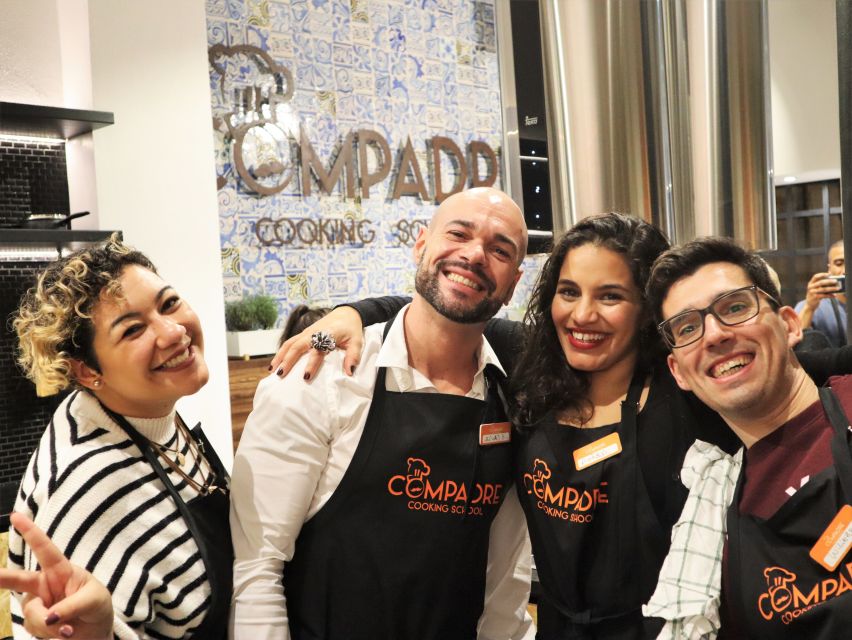
You should wear comfortable shoes. The cooking requires standing for at least two hours, and the class is not suitable for people with back problems. This is the most important physical consideration, since three hours can feel long if standing is difficult.
Pets and smoking are not allowed. Hotel transport is also not included, so the meeting point at Compadre Cooking School needs to fit your day’s plans.
Food preferences deserve a little planning. Past instruction included seafood and chicken piri piri, and one participant received adjustments because of a seafood concern. Still, the published information does not promise a specific menu or guarantee that every dietary need can be handled. Contact the provider before reserving if you have allergies, restrictions, or strong dislikes.
The class is offered in English and Portuguese. If you need another language, this experience may not suit you.
Who should book this experience?
I would recommend this class to first-time visitors who want a slower, more personal activity in Lisbon. It works particularly well for couples, friends, solo visitors, and anyone who enjoys meeting people over food.
Beginners should feel comfortable joining. The instructors are described as patient and helpful, and the class includes guidance through the whole cooking process. You do not need to be an expert to take part.
Food-focused visitors will get the most from it, especially if you like carrying a recipe home and trying it again. It is also a good choice for people who want cultural context rather than a simple restaurant meal.
I would think twice if you have major back problems, do not want to stand for a long period, or need a guaranteed menu. The class is social and hands-on, so it is not the right choice for someone seeking a quiet, private meal.
Should you book it?
Yes, if you want to understand Portuguese food by preparing and eating it yourself. The combination of three dishes, a small group, cultural background, beverages, and take-home recipes gives the $88 fee solid value.
The strongest reasons to book are the patient instruction associated with Anna and Marta, the chance to make several dishes, and the shared meal at the end. Just confirm that the schedule works, wear comfortable shoes, and ask about the menu or substitutions if seafood or other ingredients are a concern.
With a 4.9 rating from 78 reviews, the experience has a strong record. More important, its appeal is clear: you spend less time being shown what Portuguese cooking is and more time actually doing it.
FAQ
Where does the Portuguese cooking class take place?
The class takes place at Compadre Cooking School in Lisbon, in Lisbon District, Portugal.
How long does the cooking class last?
The class lasts three hours. Starting times vary, so check availability for the date you want.
How many dishes will I prepare?
You will learn to prepare three different Portuguese dishes during the class.
Is the class suitable for beginners?
Yes. The experience is designed for beginners, and the instructor provides help throughout the preparation and cooking process.
Which languages are available?
Instruction is available in English and Portuguese.
What is included in the price?
The price includes the instructor, equipment, ingredients, a full meal experience, beverages, recipes, and insurance.
Are hotel pickup and drop-off included?
No. Hotel pickup and drop-off are not included, so you must travel to Compadre Cooking School on your own.
Can people with back problems join the class?
The class is not recommended for people with back problems because you will be standing for at least two hours. Comfortable shoes are recommended.
More Workshops in Lisbon
- Lisbon Portuguese Cooking Class with 3-Course Dinner
★ 5.0 · 445 reviews - Lisbon: Azulejos’ Design Create Your Own Tile Workshop
★ 4.9 · 420 reviews - Lisbon: Surfing Lesson on Costa de Caparica Beach
★ 5.0 · 322 reviews - Lisbon: 1.5-Hour Surf Lesson
★ 4.8 · 257 reviews
Recently reviewed around Lisbon
- Portinho da Arrábida: Coasteering Boat Tour★ 4.9 · 78 reviews
- Setúbal: Dolphin-Watching Boat Tour★ 4.8 · 213 reviews
- From Lisbon: Private Óbidos and Nazaré Tour★ 5.0 · 152 reviews
- No Diet Club – Unique food tour in Lisbon with many Tastings★ 4.8 · 44 reviews
- Queluz National Palace & Gardens Ticket★ 4.6 · 447 reviews
- Melides: Horse Riding on the Beach with Wine Tasting★ 4.3 · 117 reviews
- Melides: Horseback Riding on Melides Beach★ 4.7 · 111 reviews
- Lisbon: Street Art Tuk Tuk Tour★ 4.9 · 372 reviews
Cooking Classes, compared.

Pastel de Nata Cooking Class with Grandma’s Recipe
Read our review →
Pastel de Nata Cooking Class with Port Wine – Sé
Read our review →


Lisbon Portuguese Cooking Class with 3-Course Dinner
Read our review →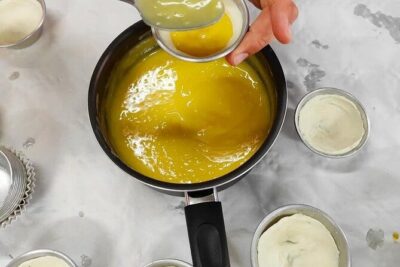
Pastel de Nata Cooking Class with Porto Wine (Sé do Porto)
Read our review →Browse the lists this tour appears in