
Reviewed · COOKING CLASSES
Lisbon: Pasteis de Nata Baking Class
The best part of this Lisbon experience is that you do not just eat Portugal’s famous custard tart, you learn how the flaky pastry and creamy filling come together. Chef Miguel leads the two-hour class in a private courtyard kitchen, where the group stays small and hands-on.
I like the small maximum of eight people, which gives you room to ask questions and work at a sensible pace. I also like the timing: the class is short enough to fit neatly into a sightseeing day, and you can enjoy your warm tarts with coffee, tea, and an alcoholic drink while the next batch bakes.
The main consideration is the meeting point. The kitchen sits inside a private yard behind a green gate, so you should allow a little time to find the entrance. The class is wheelchair accessible, but hotel pickup and drop-off are not included.
In This Review
- Key points at a glance
- What the two-hour class is really like
- Starting at the green gate in Lisbon
- Making the flaky shell from scratch
- Preparing the custard filling
- Waiting for the oven with a Portuguese drink
- Tasting the finished pastéis de nata
- Is $76 a fair price?
- Morning or afternoon: choosing the right slot
- Who will enjoy this class most?
- Booking and cancellation basics
- Should you book the Lisbon pastéis de nata class?
- FAQ
- How long does the pastéis de nata class last?
- How much does the class cost?
- How many people can join the class?
- Is the class offered in English?
- Who teaches the class?
- What is included in the price?
- Is hotel pickup included?
- Where is the meeting point?
- Can I cancel for a refund?
Key points at a glance
- Make the pastry and custard from scratch: This is a hands-on lesson, not just a demonstration.
- Work with chef Miguel: He teaches in English and Portuguese, with a patient, relaxed approach.
- Small group of eight maximum: The format makes it easier to follow each step and get individual help.
- Enjoy your baking at the end: Your own pastéis de nata are served with coffee, tea, water, and one alcoholic drink.
- Take some home: The class provides a box for leftover tarts, according to the experience details shared by participants.
- Choose morning or afternoon: Two hours leaves plenty of time for other Lisbon plans.
What the two-hour class is really like

This is a compact cooking activity built around one very specific Portuguese food: the pastel de nata, or custard tart. You are not moving between several dishes or spending half a day in a kitchen. Instead, the class stays focused on the pastry, the custard, the shaping, and the final bake.
That focus is a strength. Pastéis de nata look simple in a bakery case, but the crisp shell and soft custard depend on several small steps. Making the pastry yourself helps you understand why the tart has its distinctive layers, rather than treating it as a mysterious bakery trick.
You can expect to work in pairs during the practical part of the class. This suits the recipe well, though solo participants should be prepared to share a work area with another person. The group size is capped at eight, so you are not lost at the back of a large demonstration.
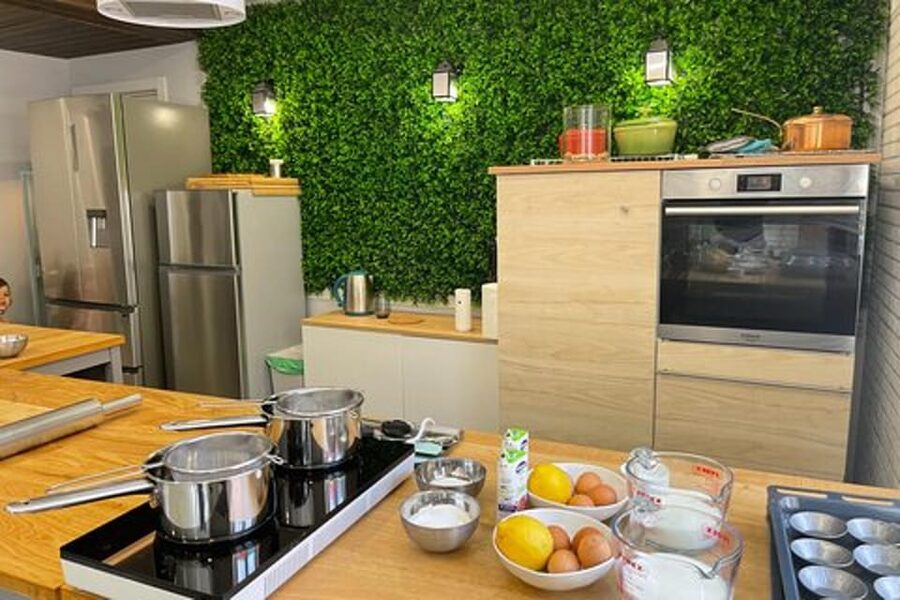
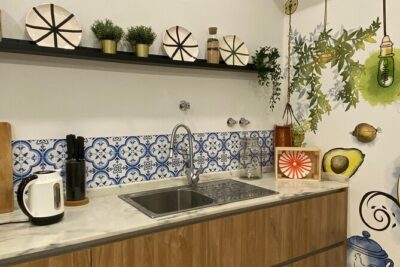
The class takes place in a clean kitchen studio inside a private courtyard. The setting is described as calm and pleasant, which matters when you are handling pastry and trying to keep track of several instructions. The studio is not presented as a grand culinary school. Its appeal is the personal, informal atmosphere.
More Cooking Classes in Lisbon
- Lisbon: Pastel de Nata Baking Class
★ 4.9 · 2,106 reviews - Lisbon: Traditional Portuguese Cooking Class
★ 4.9 · 592 reviews - Lisbon: 2-Hour Pastel de Nata Cooking Class
★ 4.8 · 461 reviews
Starting at the green gate in Lisbon
The meeting point is at a green gate leading into a private yard. That detail is worth taking seriously. You are not walking into a large shopfront with a bold cooking-school sign, so check the meeting instructions before setting out and look for the gate rather than only the kitchen itself.
Hotel pickup and drop-off are not included. You will need to make your own way to the studio, and the exact transport choice depends on where you are staying. The location is described as accessible from central Lisbon by bus or a ride booked through Bolt, but the supplied information does not give a specific street address or walking time.
Once inside, the kitchen should be ready for the lesson. The space has been described as clean and well organized, with ingredients and equipment prepared before the group arrives. That preparation helps the class keep moving during its short two-hour schedule.
The language choice is English or Portuguese. If you book in English, you can expect the teaching and explanations to be given in that language. The intimate group format also makes it easier to ask for a repeat demonstration if you miss a step.
Making the flaky shell from scratch
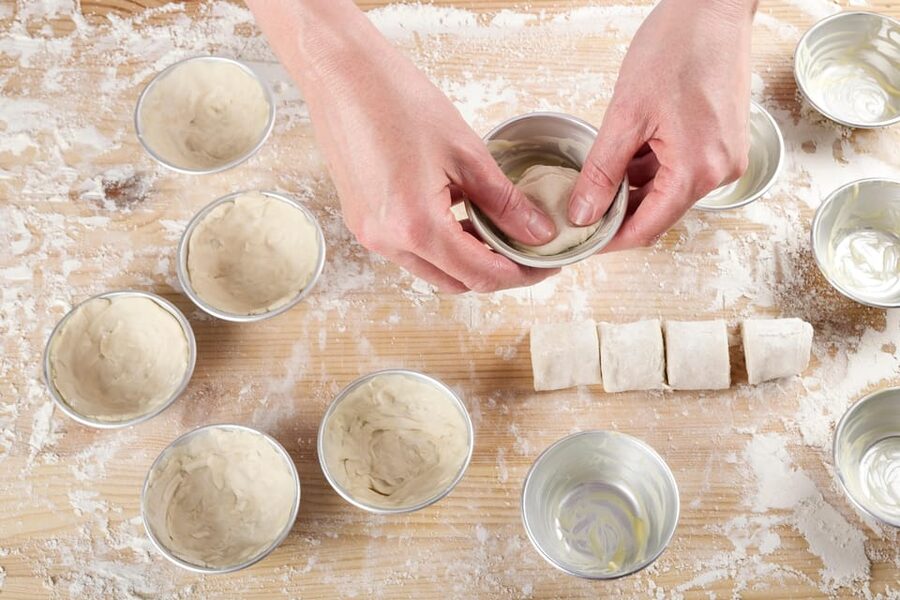
The pastry is the part that gives this class its practical value. You begin with the shell rather than using ready-made pastry, so you see how the base of the tart is formed and shaped.
Chef Miguel guides the group step by step. The teaching style described by participants is encouraging, patient, and relaxed. That is useful for beginners, who may worry that a professional pastry chef will rush ahead or correct every small mistake.
The small group also changes the feel of the lesson. With no more than eight people, Miguel can move around the work area, check progress, and explain why a step matters. Several class participants specifically valued the chance to ask questions and receive more individual attention.
You do not need to arrive as an experienced baker. The class is suited to beginners as well as people who already spend time in the kitchen. The process is hands-on, but the tone is casual rather than formal. You should expect to take part in the work instead of standing aside while a chef does everything.
The trade-off is that a two-hour session cannot cover every pastry technique in detail. You will learn the method used in this class, but it is not a full professional baking course. If your aim is to master a large range of Portuguese desserts, this activity will feel narrow. If your aim is to make one beloved local treat, the focused format works well.
Preparing the custard filling

The filling is the second major part of the lesson. You learn how the creamy custard is prepared and how it is paired with the pastry shell.
This is where the historical explanation comes in. While the tarts are in the oven, you receive a short introduction to the history of the delicacy and Portugal’s culinary traditions. The class does not spend hours on a lecture, which keeps the focus on cooking, but the background adds meaning to what you are making.
The experience takes place in the quarter where the tarts were created, according to the activity description. It is an appealing setting for a food lesson because the pastry is tied closely to Lisbon’s identity. At the same time, the class does not claim to hold the original recipe. Instead, it relies on the chef’s own expertise and a recipe designed to be tasty and manageable for home bakers.
That distinction is useful. You should book this for a practical introduction to pastéis de nata, not as a chance to access a secret historical formula. The value lies in learning a working method, handling the ingredients, and understanding the basic logic behind the tart.
A different kind of day out, same corner of Portugal:
- Lisbon City Center Tour – The Unmissable Lisbon
★ 5.0 · 22,234 reviews - Lisbon: Sintra, Pena, Regaleira, Cabo da Roca & Cascais
★ 4.7 · 19,656 reviews - Sintra: Pena Palace and Park Entrance Ticket
★ 4.2 · 17,410 reviews - Lisbon: Jerónimos Monastery Entrance Ticket
★ 4.1 · 14,164 reviews
Waiting for the oven with a Portuguese drink
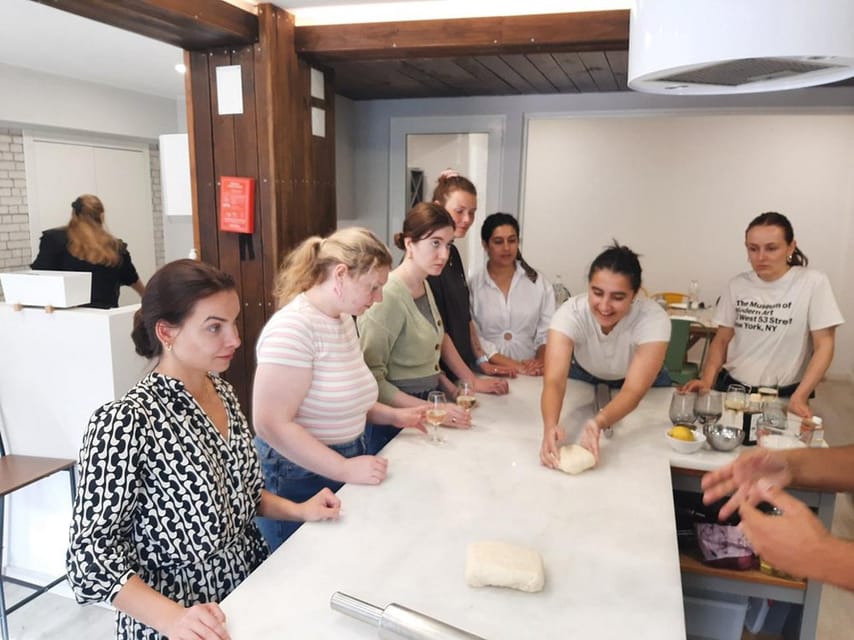
Once the tarts are baking, the class shifts into its social part. You can enjoy coffee or tea, bottled water, and one alcoholic drink while you wait.
The included alcoholic drink is a nice touch because it turns the final stage into a small tasting rather than a simple wait beside the oven. Participants have also enjoyed their tarts with port and Portuguese liqueurs. The exact drink selection is not specified, so you should not book expecting a particular bottle or style.
This pause also gives you time to chat with the rest of the group. The small room and shared work make the activity suitable for couples, friends, solo participants, and groups of colleagues. One group of eight used it as a team event, while a solo participant found the format comfortable.
There is a social side here, but it is not forced. You can talk while enjoying the drink, or simply concentrate on the food and the process. That balance makes the class a good choice if you want contact with other people without signing up for a large group food tour.
Tasting the finished pastéis de nata
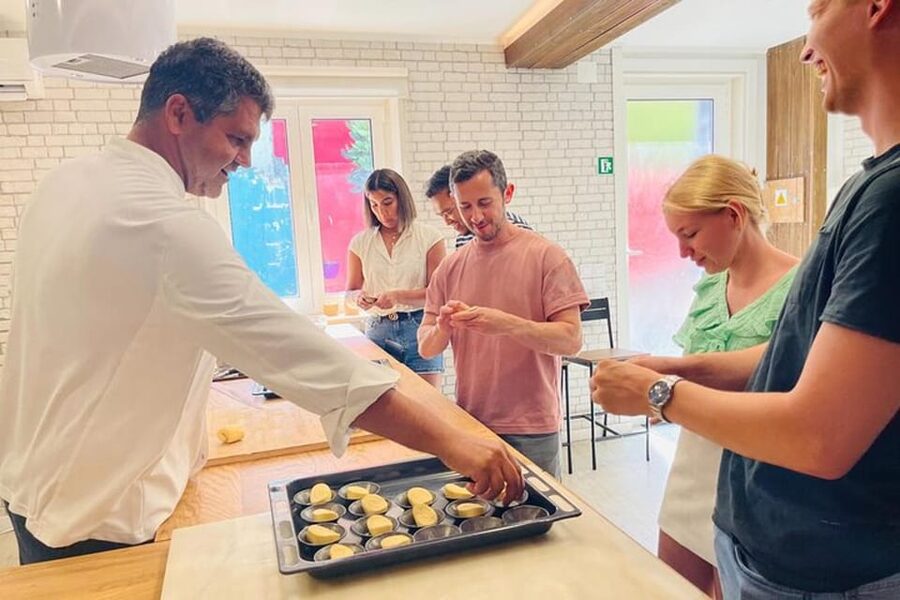
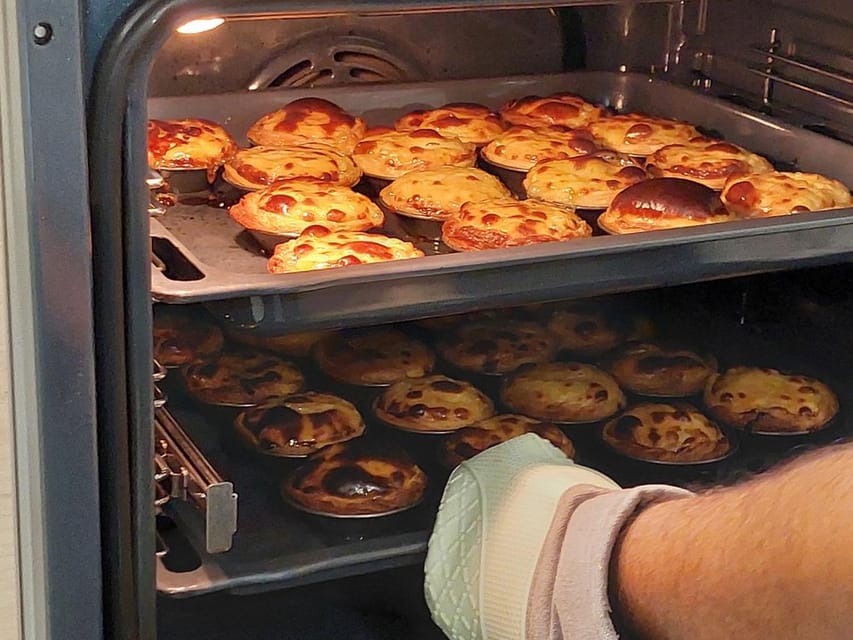
The reward comes straight from the oven. You taste the tarts you made during the class, and you can take remaining pastries away in a box.
The finished result is the best measure of a baking lesson, and the experience appears designed to give you a satisfying amount of food. In one described session, two people worked together and made around ten tarts. The exact yield can depend on the class setup and recipe, but you should expect more than a single sample.
Eating your own work also makes the lesson memorable. You can compare the crisp pastry and custard with the many pastéis de nata you will find in Lisbon bakeries, then return home with a better sense of what goes into them.
Do not expect every tart to look identical. Home-style pastry work has small variations, and the point is to learn the process rather than produce factory-perfect pastries. The class is structured so that beginners can succeed, which matters more than decorative precision.
The take-home box is practical, especially if you are attending in the morning and still have a full day ahead. Handle it carefully in warm weather, since custard pastries are best enjoyed fresh. The activity information confirms that you receive your own baking, but it does not specify how long the tarts will keep or provide special transport packaging beyond the box.
Is $76 a fair price?
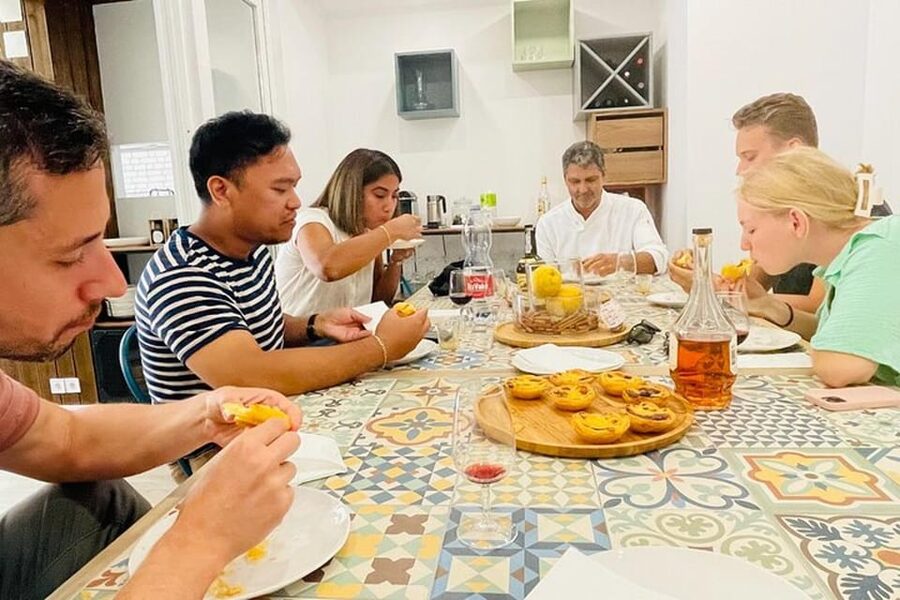
At $76 per person, this is not the cheapest way to eat a pastel de nata in Lisbon. A bakery visit costs far less, and you can sample several versions across the city for a fraction of the class price.
The comparison changes when you consider what is included. You receive a two-hour lesson, an instructor, hands-on pastry making, your own tarts, coffee, tea, bottled water, and one alcoholic drink. You are paying for instruction and an activity, not just dessert.
I think the price makes the most sense for people who value participation. If you only want to taste the pastry, spend your money at bakeries. If you want a food memory you can recreate at home, the fee is easier to justify.
The small group also supports the value. A class limited to eight gives you a better chance of receiving direct help than a large cooking demonstration. Couples and small groups may find the price worthwhile because the activity offers something to do together, rather than another meal at a restaurant.
For a family, the total cost can rise quickly, so check the final booking price before committing. The supplied information gives the rate as $76 per person, but it does not state a child discount or a special family price.
Morning or afternoon: choosing the right slot
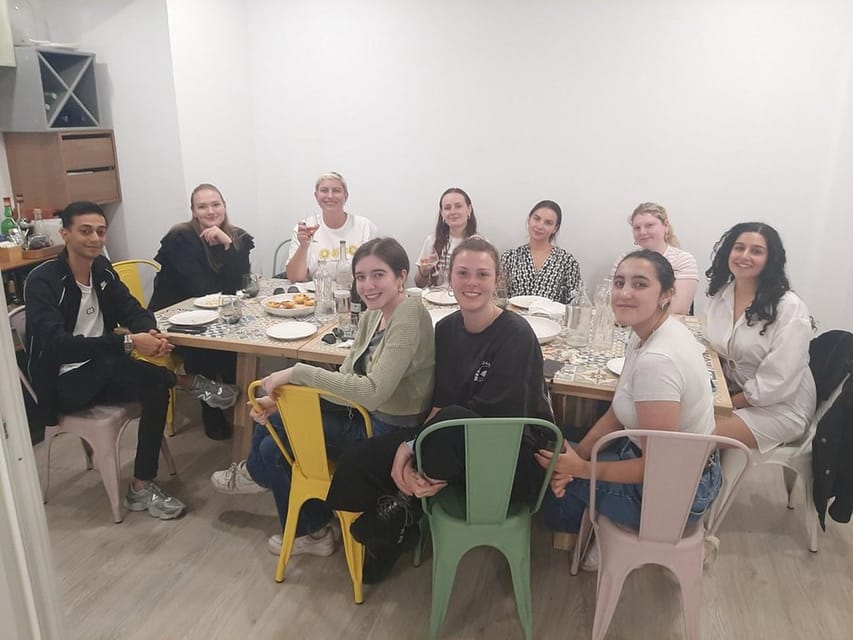
You can choose a morning or afternoon start. Both options last two hours, so the decision comes down to the rest of your Lisbon plans.
A morning class gives you a food-centered start and leaves the afternoon free for sightseeing. This can work well if you want to visit other sights later, though you will need to carry your box of tarts if you do not return to your accommodation.
An afternoon class fits nicely after a morning of walking. It also leads naturally into an evening meal, although you may find yourself less hungry after eating several custard tarts. The afternoon setting has been described as relaxed and sociable, with time to enjoy the baking and a drink once the pastries come out.
The short duration is one of the strongest planning advantages. You are not giving up an entire day, and the activity can fit between other Lisbon stops. Still, allow extra time for reaching the green gate and settling in. The official activity length is two hours, but transport and navigation are outside that time.
Who will enjoy this class most?
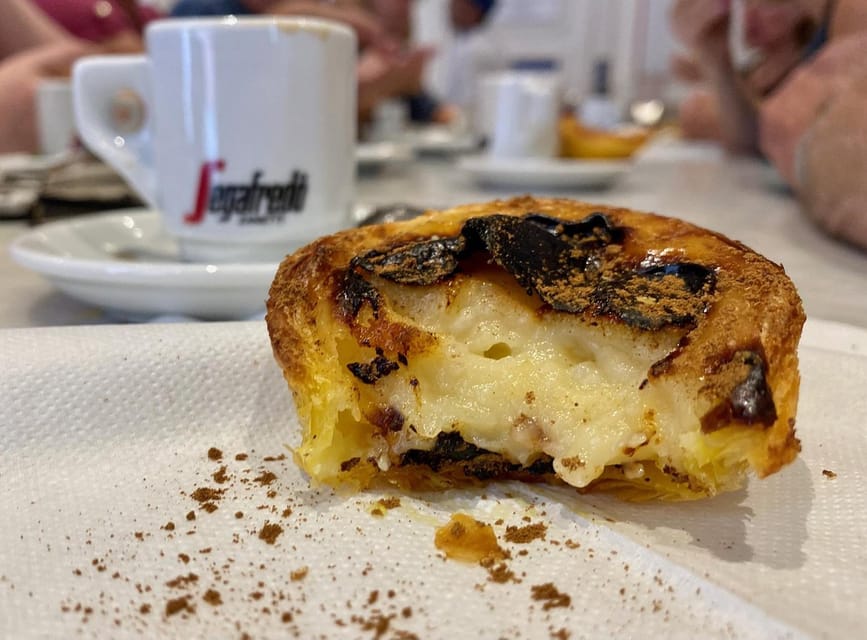
This is a strong choice for food lovers, couples, solo visitors, and small groups looking for a cultural activity with a clear result. You do not need advanced baking skills, and the patient teaching style suits first-time pastry makers.
It also works well for people who have already eaten many pastéis de nata during a Lisbon visit. Learning how the familiar treat is made gives you a new way to understand it. You may leave with more appreciation for the difference between a crisp shell and a soft filling, even if you never attempt the recipe again.
The class is also a good fit for a rainy day or for anyone who wants a break from churches, viewpoints, and tiled streets. It offers a change of pace while remaining closely tied to Portugal.
You might choose another activity if you dislike group cooking, cannot share a work area, or want a full meal rather than a dessert lesson. The class is limited to eight, but it is still a shared experience. It also does not include hotel transport, so it requires a little planning.
The studio is wheelchair accessible, which removes one common barrier. For exact details about the route from your accommodation or the entrance itself, contact the provider before booking, since the supplied information only confirms accessibility and identifies the green gate.
Booking and cancellation basics
You can cancel up to 24 hours before the activity for a full refund. That policy gives you some flexibility if your Lisbon schedule changes.
A reserve-now, pay-later option is also available. You can hold a place without paying at the time of booking, which is useful when you are arranging several parts of a Portugal trip.
The class has morning and afternoon start times, but the exact times depend on availability. Check the selected date before paying, especially if you are fitting the activity between timed sightseeing plans.
Should you book the Lisbon pastéis de nata class?
Book it if you want to do more than point at a bakery case and order Portugal’s famous tart. The hands-on work, small group, friendly instruction from Miguel, included drinks, and take-home pastries make this a practical two-hour cultural activity.
I would especially recommend it to couples, solo visitors, and small groups who enjoy cooking but do not want a full-day course. At $76, it is a premium way to eat dessert, but a reasonable price for instruction, food, and a shared Lisbon memory.
Skip it if you are mainly looking for the cheapest pastel de nata in town or if your schedule is too tight to find the private courtyard entrance. For everyone else, this is a focused, friendly class with a delicious payoff and enough time left in the day to see more of Lisbon.
FAQ
How long does the pastéis de nata class last?
The class lasts two hours.
How much does the class cost?
The listed price is $76 per person.
How many people can join the class?
The group is limited to a maximum of eight participants.
Is the class offered in English?
Yes. The instructor teaches in English and Portuguese.
Who teaches the class?
Chef Miguel is the instructor and host.
What is included in the price?
The price includes the pastry-making lesson, instructor, your own pastéis de nata, coffee, tea, one alcoholic beverage, and bottled water.
Is hotel pickup included?
No. Hotel pickup and drop-off are not included.
Where is the meeting point?
The kitchen studio is inside a private yard. Meet at the green gate.
Can I cancel for a refund?
Yes. You can cancel up to 24 hours in advance for a full refund.
More Workshops in Lisbon
- Lisbon Portuguese Cooking Class with 3-Course Dinner
★ 5.0 · 445 reviews - Lisbon: Azulejos’ Design Create Your Own Tile Workshop
★ 4.9 · 420 reviews - Lisbon: Surfing Lesson on Costa de Caparica Beach
★ 5.0 · 322 reviews - Lisbon: 1.5-Hour Surf Lesson
★ 4.8 · 257 reviews
Recently reviewed around Lisbon
- Portinho da Arrábida: Coasteering Boat Tour★ 4.9 · 78 reviews
- Setúbal: Dolphin-Watching Boat Tour★ 4.8 · 213 reviews
- From Lisbon: Private Óbidos and Nazaré Tour★ 5.0 · 152 reviews
- No Diet Club – Unique food tour in Lisbon with many Tastings★ 4.8 · 44 reviews
- Queluz National Palace & Gardens Ticket★ 4.6 · 447 reviews
- Melides: Horse Riding on the Beach with Wine Tasting★ 4.3 · 117 reviews
- Melides: Horseback Riding on Melides Beach★ 4.7 · 111 reviews
- Lisbon: Street Art Tuk Tuk Tour★ 4.9 · 372 reviews
Cooking Classes, compared.

Pastel de Nata Cooking Class with Grandma’s Recipe
Read our review →
Pastel de Nata Cooking Class with Port Wine – Sé
Read our review →

Lisbon Portuguese Cooking Class with 3-Course Dinner
Read our review →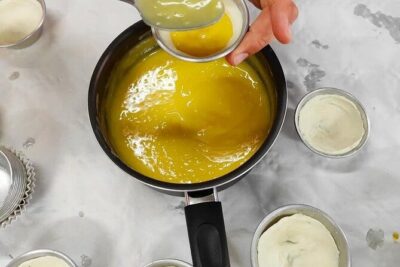
Pastel de Nata Cooking Class with Porto Wine (Sé do Porto)
Read our review →Browse the lists this tour appears in