
Reviewed · WORKSHOPS
Portuguese Pastry Workshop in Lisbon
The best part of this Lisbon activity is that you do not merely eat Portugal’s famous custard tart. You make the puff pastry from scratch, shape it by hand, bake it, and then sit down to taste the results with Port wine or Ginja liqueur. You also make travesseiro de Sintra, a sweet pastry with strong ties to the Lisbon region.
I like the tiny group size, which gives you a real turn at the workbench rather than a distant demonstration. I also like the cultural detail: the class explains how these pastries grew out of Portuguese convent baking, including the 500-year tradition of ovos moles. The main consideration is timing. The class starts at 3 p.m. and lasts about two hours, so it occupies a good part of an afternoon.
In This Review
- Key things to know before you book
- Making Lisbon’s two signature pastries
- Inside Casa dos Ovos Moles em Lisboa
- A small class with room to practice
- What happens during the two hours
- The story behind convent sweets
- Is $96.55 good value?
- Port, Ginja, coffee, and the final tasting
- Who should book this Lisbon pastry class?
- Timing, meeting point, and cancellation details
- Should you book it?
- FAQ
- Where does the Portuguese pastry workshop take place?
- What pastries will I make?
- Do I make the puff pastry from scratch?
- How long does the workshop last?
- What drinks are included?
- Is the class offered in English?
- How many people can join the class?
- Can I cancel for a refund?
Key things to know before you book
- You make two pastries by hand: Pastel de nata and travesseiro de Sintra are prepared from the basic ingredients, including the puff pastry.
- The group is limited to six people: Small numbers mean more personal help and a better chance to handle each stage yourself.
- The tasting is part of the lesson: Your finished pastries come with Port wine or Ginja liqueur, plus coffee or tea.
- The shop is in central Lisbon: Casa dos Ovos Moles em Lisboa is at Calçada do Sacramento 25, near public transportation.
- The class is offered in English: Start times can vary by day, but the listed session begins at 3 p.m.
- The price is $96.55 per person: That is a fair splurge if you value instruction, food, drinks, and a small cultural activity in one package.
Making Lisbon’s two signature pastries
Pastel de nata is the pastry most visitors associate with Portugal. It is a small tart with crisp, layered pastry and a creamy custard center, usually marked by browned spots from the oven.
Here, you learn more than how to spoon filling into a ready-made shell. The class covers the complete process, including the puff pastry. That matters because the pastry is where much of the craft lies. You work with the dough by hand, then prepare the sweet filling and shape the tart.
The second pastry is travesseiro de Sintra, sometimes described as a Portuguese pillow because of its long, soft shape. It is linked to Sintra, the hill town outside Lisbon, and gives the lesson a wider regional feel. You are not making two versions of the same dessert. One is the famous custard tart, while the other shows a different use of pastry and filling.
The end result is practical as well as tasty. You leave with a clearer sense of why a good pastel de nata has crisp pastry, a smooth center, and a balance between sweetness and baked flavor. You also receive recipes, according to the class experience, so you can try the process again at home.
More Lisbon trips worth a second look
- Lisbon: Pastel de Nata Baking Class
★ 4.9 · 2,106 reviews - Lisbon: Traditional Portuguese Cooking Class
★ 4.9 · 592 reviews - Pastel de Nata Pastry Class: Bake and Enjoy Your Own Treats
★ 5.0 · 485 reviews
Inside Casa dos Ovos Moles em Lisboa
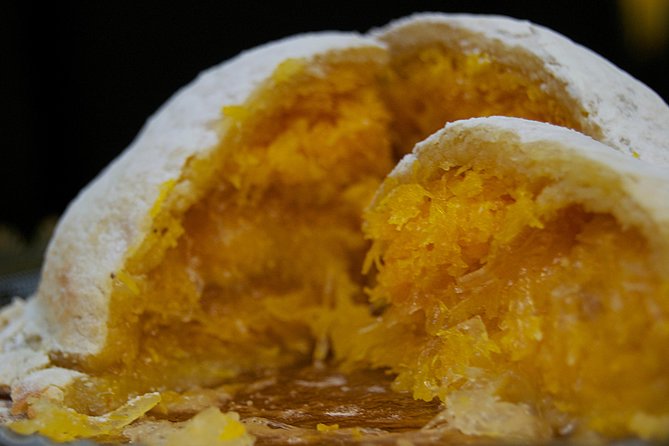
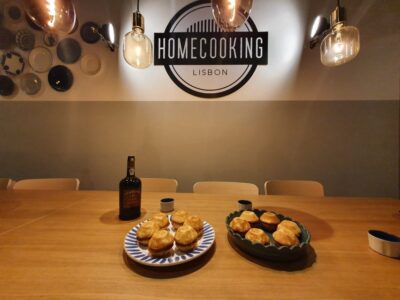
The workshop takes place at Casa dos Ovos Moles em Lisboa, a pastry shop specializing in ovos moles, an old Portuguese sweet made with egg yolks and sugar. The shop’s specialty gives the class a useful setting. This is not a generic cooking studio with Portuguese recipes added later. The venue is tied to a local pastry tradition.
The shop is located at Calçada do Sacramento 25, in the 1200-393 Lisbon postal area. It is near public transportation, but getting there and returning to your accommodation is your responsibility. Since the class is in central Lisbon, you can pair it with other sightseeing in the area, though you should leave enough time to arrive calmly.
The setting has also been described as an attractive shop in an 18th-century building. That detail adds atmosphere without turning the activity into a museum visit. The focus remains on baking, but the surroundings help connect the food to Lisbon’s older streets and buildings.
I would not book this as a quick stop between major sights. The class is structured as a full activity, and the dough work needs attention. Arrive ready to spend the afternoon at the pastry counter rather than rushing in for a short demonstration.
A small class with room to practice
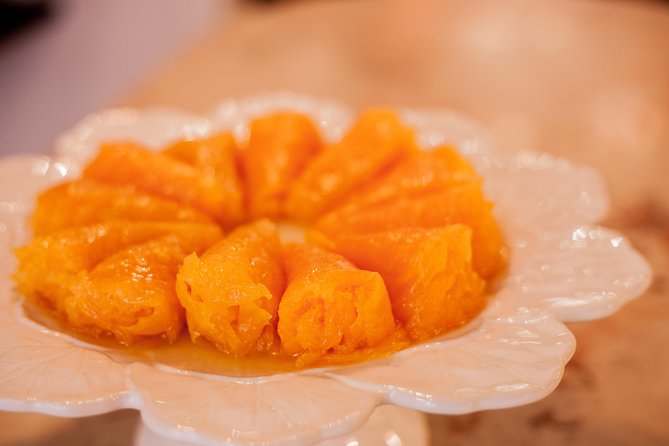
The maximum is six people per booking, and the full activity also caps attendance at six. That is one of the strongest reasons to choose this workshop over a large cooking class.
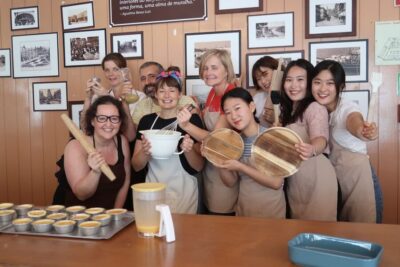
With a group of four or six, you can expect to take part in the stages of the recipe. Past sessions have included families with teenagers, couples, friends, and even a single participant. Small numbers make it easier to ask questions, watch the instructor’s hands, and get help when the dough does not behave as planned.
The teaching team has included Maria, Filipa, and Filipe. The instruction is described as patient, lively, and clear. That combination matters in pastry making, where a cheerful teacher helps, but careful guidance matters even more. You need someone willing to slow down and show the technique again.
The class works well for families. Teenagers aged 11, 13, and 14 have taken part successfully, and the pastry work gives younger participants something real to do. This is not a lecture about Portuguese food. You mix, shape, fill, bake, and taste.
Still, small does not mean private in every case. You may share the session with another family, couple, or group. That can make the afternoon social, but anyone seeking a fully private lesson should confirm the arrangement before booking.
What happens during the two hours
The session begins with an introduction to the shop, the pastries, and the food traditions behind them. The instructors explain the place of convent baking in Portuguese culture and connect the recipes to the long tradition of using egg yolks and sugar.
You then start working on the pastry. The puff pastry is made from scratch and handled by hand, which is a more useful lesson than simply watching an instructor prepare it. You can see how much care goes into creating thin layers and how the texture changes as the dough is shaped.
Next comes the filling and assembly. The instructor leads you through the process for both pastries, with everyone taking part. Since the group is small, you have time for questions and practical corrections. That is particularly helpful for the pastel de nata, where the shape of the shell affects how the tart bakes.
The pastries are then cooked before the tasting. Exact kitchen timing can vary, so the two-hour estimate should be treated as approximate. The class is short enough to fit into an afternoon, but long enough to make the work feel worthwhile.
At the end, you taste the two pastries you prepared. Port wine or Ginja liqueur is served alongside them, with coffee and tea also available. Alcoholic drinks are included, but you can choose coffee or tea if that suits you better.
A different kind of day out, same corner of Portugal:
- Lisbon City Center Tour – The Unmissable Lisbon
★ 5.0 · 22,234 reviews - Lisbon: Sintra, Pena, Regaleira, Cabo da Roca & Cascais
★ 4.7 · 19,656 reviews - Sintra: Pena Palace and Park Entrance Ticket
★ 4.2 · 17,410 reviews - Lisbon: Jerónimos Monastery Entrance Ticket
★ 4.1 · 14,164 reviews
The story behind convent sweets
The food lesson has a cultural purpose. Portuguese pastry is closely tied to convent kitchens, where egg whites were used for other household tasks and leftover yolks became the basis for rich sweets. The workshop explains this connection as part of the pastry lesson.
The reference to a 500-year-old ovos moles tradition gives the shop a useful historical frame. You are not expected to become a pastry scholar in two hours, but you do gain a better understanding of why Portuguese sweets use such generous amounts of egg yolk and sugar.
The instructor also explains how Portuguese pastry methods differ from French ones. That is a fine detail for anyone who already enjoys baking. The lesson is not only about copying a recipe. It shows that Portugal has its own pastry techniques and traditions, even when the finished products use familiar ingredients such as flour, butter, sugar, and eggs.
I especially like this kind of food lesson because it gives you a story to carry home. A pastel de nata becomes more memorable when you understand its convent connection and the work behind its flaky shell.
Is $96.55 good value?
At $96.55 per person, this is not the cheapest way to eat pastel de nata in Lisbon. You can buy the pastries for very little at bakeries across the city.
That is not the right comparison, though. The fee includes about two hours of instruction, tasting, snacks, coffee or tea, and Port wine or Ginja liqueur. You are paying for the setting, the teacher, the ingredients, and the chance to prepare both pastries yourself.
The small group changes the value calculation. A large class can offer a similar recipe at a lower price, but you may spend more time watching than working. Here, a maximum of six gives the lesson a personal feel and makes the price easier to justify.
I would consider it good value for a food-focused visitor, a family, or anyone who wants an activity beyond standard sightseeing. It is less compelling if you only want to taste excellent pastries or if your Lisbon budget is tight. In that case, visit a bakery and spend the difference on several different sweets.
The recipes add lasting value. You may not reproduce the pastries perfectly on your first attempt, especially the puff pastry, but you leave with a method to practice. Several participants planned to make the desserts at home, and the class is clearly designed to support that.
Port, Ginja, coffee, and the final tasting
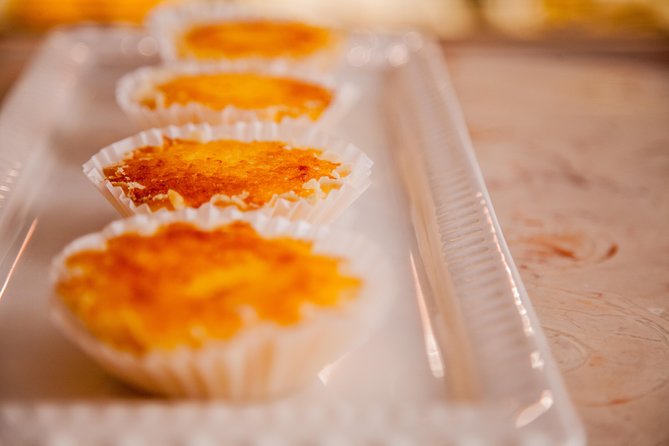
The tasting gives the workshop a pleasant finish. Fresh pastries are served with a choice of traditional Portuguese drinks, including Port wine and Ginja liqueur.
Ginja is a sour-cherry liqueur strongly linked with Portugal, while Port gives you another classic local flavor. The combination of sweet pastry and a small glass of fortified wine or liqueur makes the final tasting feel like a proper Portuguese food moment rather than a simple snack break.
Coffee and tea are included as well. That is useful for mixed groups, families, and anyone who does not want alcohol. The food menu is simple: the two pastries you prepare, served with the included drinks. Do not expect a full meal.
The tasting also lets you judge your own work. You can see how the pastry layers turned out, check the texture of the custard, and compare the two pastries. That small moment of pride is part of what makes a cooking class more satisfying than a normal bakery visit.
Who should book this Lisbon pastry class?
I would recommend this activity to:
- Food lovers who want to understand how Portuguese pastries are made.
- Families with older children and teenagers who enjoy practical activities.
- Couples and friends looking for a relaxed afternoon experience.
- Repeat visitors to Lisbon who have already covered the major sights.
- Bakers at any level who want to learn Portuguese pastry techniques.
- Solo participants who are comfortable joining a small group.
You do not need to be an experienced baker. The class is built around instruction, and the teachers guide you through the stages. You should, however, be willing to work with dough and follow a process rather than simply watch a professional.
This is also a good rainy-day option in practical terms, but the stated policy says the activity requires good weather. If poor weather causes a cancellation, you are offered another date or a full refund. Since that condition is unusual for an indoor pastry class, check the arrangements close to your booking date.
Timing, meeting point, and cancellation details
The listed start time is 3 p.m., though class times differ depending on the day of the week. The experience lasts about two hours and ends back at the meeting point.
You meet at Casa dos Ovos Moles em Lisboa, Calçada do Sacramento 25, 1200-393 Lisboa. The location is near public transportation, and transportation to or from the activity is not included. A mobile ticket is accepted, and the class is offered in English.
You can cancel for a full refund up to 24 hours before the local start time. Changes or cancellations made inside that 24-hour window are not accepted for a refund. The experience also requires a minimum number of participants, so a cancellation for that reason brings the choice of another date or experience, or a full refund.
The activity is recommended by 98 percent of participants and carries a 4.9 rating from 53 reviews. Those numbers suggest a dependable experience, but I would still judge it by your interests. High ratings do not make a pastry class right for someone who dislikes cooking or has little time in Lisbon.
Should you book it?
Book this workshop if you want to do something active, local, and food centered. The strongest features are the six-person limit, the chance to make the puff pastry yourself, the two distinct Portuguese recipes, and the relaxed tasting with Port, Ginja, coffee, or tea.
I would book it early if your Lisbon dates are fixed. The activity is often reserved well ahead, with an average booking lead time of about 94 days, and the small capacity can fill quickly.
Skip it if you only want a quick pastry tasting, need a morning activity, or are trying to keep food costs low. For everyone else, this is a smart two-hour addition to a Lisbon itinerary, especially for families and repeat visitors who want a hands-on connection to Portuguese food.
FAQ
Where does the Portuguese pastry workshop take place?
The workshop takes place at Casa dos Ovos Moles em Lisboa, Calçada do Sacramento 25, 1200-393 Lisboa, Portugal.
What pastries will I make?
You will make two Portuguese pastries: pastel de nata and travesseiro de Sintra.
Do I make the puff pastry from scratch?
Yes. The class covers the full process, including preparing and handling the puff pastry by hand.
How long does the workshop last?
The activity lasts approximately two hours.
What drinks are included?
The tasting includes Port wine or Ginja liqueur, as well as coffee and tea. Alcoholic beverages, food tasting, snacks, and beverages are included.
Is the class offered in English?
Yes. The workshop is offered in English.
How many people can join the class?
The activity has a maximum of six participants, and each booking can include up to six people.
Can I cancel for a refund?
You can cancel up to 24 hours before the start time for a full refund. Cancellations or changes made less than 24 hours before the start time are not accepted for a refund.
Recently reviewed around Lisbon
- Lisbon: Catamaran Luxury Sunset and Wine Tour★ 5.0 · 119 reviews
- Morning Sailing Tour in Tagus River from Lisbon★ 5.0 · 68 reviews
- Lisbon’s authentic Food and Wine tour with a Winemaker★ 5.0 · 67 reviews
- Lisbon: Belem Walking Tour with Jeronimos Monastery Tks Included★ 5.0 · 115 reviews
- PRIVATE Unforgettable Full Day Tour to Sintra from Lisbon★ 5.0 · 236 reviews
- Discover Lisbon’s Alfama: Secrets of the Old Town★ 5.0 · 104 reviews
- Sesimbra Wild Beach Tour from Lisbon★ 5.0 · 57 reviews
- Private Jeep Tour from Lisbon – Arrábida, Sesimbra & Beach Picnic★ 5.0 · 48 reviews
Workshops, compared.
Pastel de Nata Cooking Class with Grandma’s Recipe
Read our review →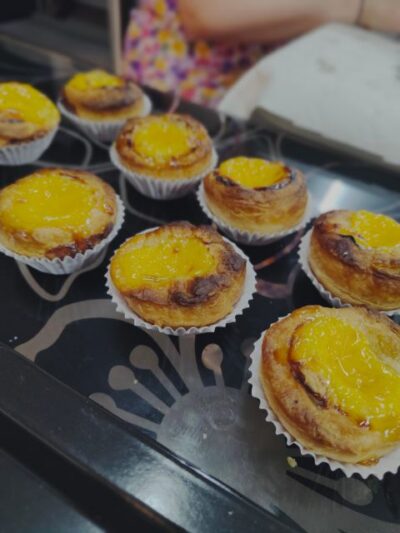
Pastel de Nata Cooking Class with Port Wine – Sé
Read our review →

Browse the lists this tour appears in