
Reviewed · COOKING CLASSES
Pastel de Nata Baking Class – Portugal’s Famous Custard Tart
The best part of this Lagos cooking class is that you do not simply eat Portugal’s famous custard tart. You help make it, from the silky filling to the final bake, then sit down with the warm result. I especially like the small maximum of 10 people and Joana Glória’s lively, patient teaching style. I also like that you receive a PDF recipe afterward, so the class can continue in your own kitchen.
There is one important catch: you may not make the entire puff-pastry case from scratch during your session. The pastry is prepared in advance, sometimes by an earlier class, so you can focus on the custard and assembly within two hours. That saves time and reduces waste, but serious pastry fans may find it less hands-on than expected.
In This Review
- Key points to know before booking
- Why Pastéis de Nata make such a good cooking class
- Arriving at The Kitchen in Lagos
- Making the custard filling
- The pastry step, and the honest limitation
- Filling, shaping, and getting the tarts into the oven
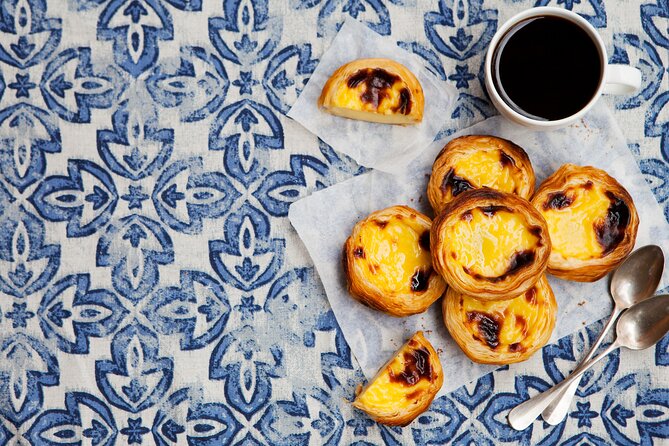
- Eating the warm Pastéis de Nata
- What you take home besides sugar
- Price, timing, and overall value
- Who should book this Lagos cooking class
- Should you book the Pastel de Nata class?
- FAQ
- Where does the Pastel de Nata baking class take place?
- Where does the activity end?
- How long does the class last?
- How much does the class cost?
- Is the class offered in English?
- How many people can join the class?
- What will I make during the class?
- Do I make the pastry cases from scratch?
- Do I receive the recipe afterward?
- Can I cancel for a full refund?
Key points to know before booking
- A hands-on Portuguese dessert class: You make the custard, work with the pastry, fill the cases, and bake the Pastéis de Nata.
- Joana Glória leads a friendly class: Her teaching is lively, clear, and practical, with English instruction throughout.
- Small-group setting: The class has a maximum of 10 people, which gives you a better chance to ask questions and take part.
- Warm pastries at the end: You eat the tarts made during the session, with some sessions also offering a small glass of port.
- A recipe for home: The Kitchen emails you a PDF recipe after the class.
- One pastry limitation: The full pastry case may be prepared before your class, rather than made entirely by you.
Why Pastéis de Nata make such a good cooking class
Portugal’s custard tart looks simple, but it depends on several small details. The pastry needs to form a thin, flaky shell. The custard must be smooth and rich without becoming heavy. Then the tarts need a hot bake that gives the top its familiar browned spots.
That makes Pastéis de Nata a smart choice for a short class. You can learn the main stages in about two hours without spending an entire afternoon on a complicated meal. You also finish with something you can eat right away, which is a much happier ending than packing away a loaf of bread or waiting for a cake to cool.
I like the cultural side of this class, too. The tart is not just a generic dessert. It is one of Portugal’s best-known foods, and making it gives you a useful connection to the country’s cafés and bakeries. Joana also shares local information about Lagos and the Algarve, so the session is not limited to measuring ingredients.
More cooking classes in Lagos:
- Lisbon: Pastel de Nata Baking Class
★ 4.9 · 2,106 reviews - Porto: Pastel de Nata Cooking Class with Grandma’s Recipe
★ 5.0 · 1,565 reviews - Porto: Pastel de Nata Cooking Class with Port Wine – Sé
★ 4.8 · 888 reviews
Arriving at The Kitchen in Lagos
The class begins at Rua Lucinda Anino dos Santos F, 8600-722 Lagos, Portugal, and finishes at the same location. The meeting point is near public transportation, which helps if you are staying elsewhere in Lagos and do not want to arrange a taxi.
You should allow a little time to find the address and arrive ready to begin. The experience is listed at approximately two hours, so the schedule is compact. That is useful if you are fitting the class between sightseeing, lunch, or an evening reservation, but it also means the group needs to keep moving.
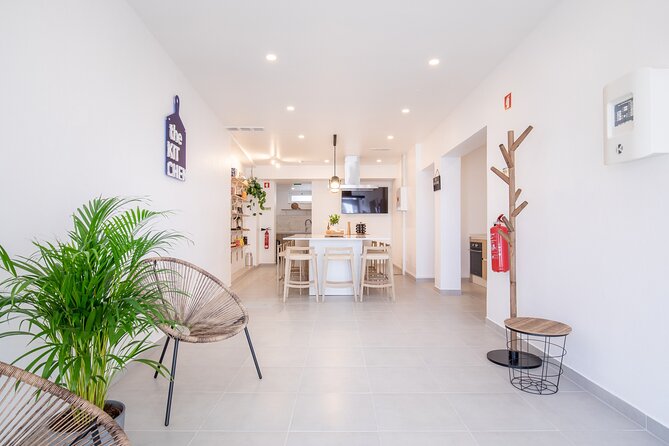
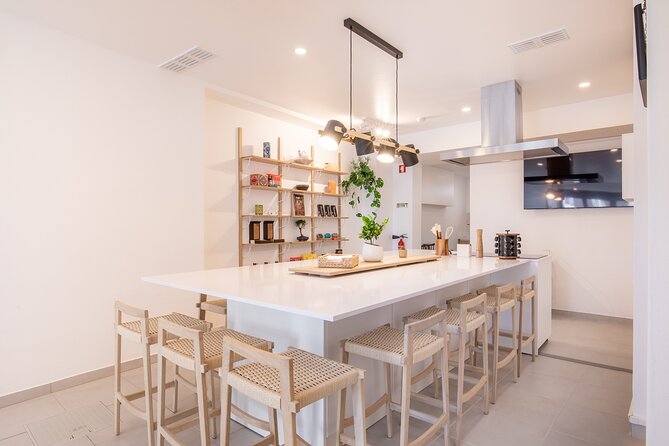
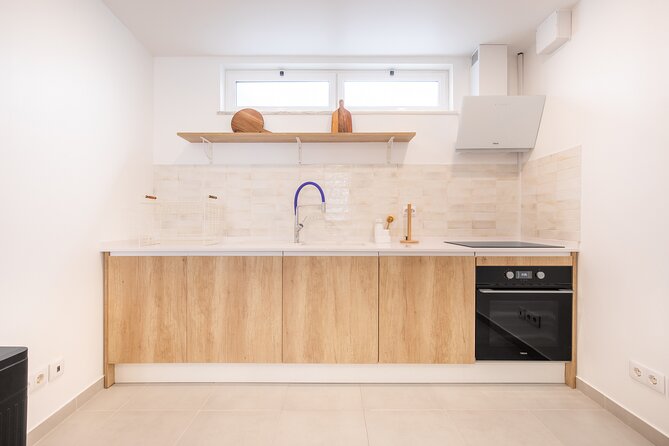
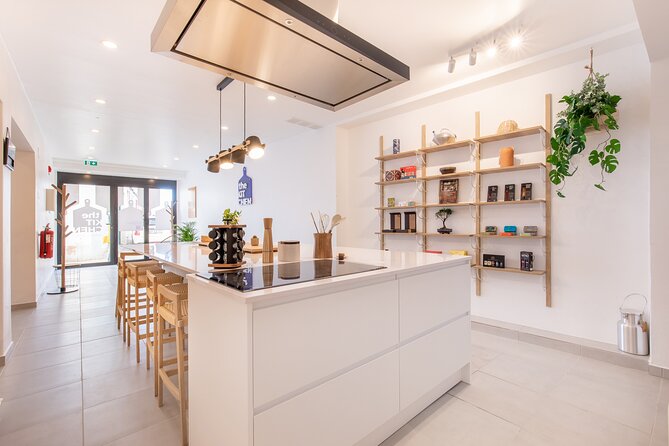
The kitchen itself is one of the pleasant features of the class. It is described as a beautiful, modern space, and the atmosphere is designed to feel social rather than formal. You work alongside other people, which makes this a good pick for couples, friends, solo visitors who enjoy meeting people, and families with an interest in food.
The group limit of 10 matters here. A cooking class can become frustrating when everyone is crowded around one work surface or waiting for a turn. A maximum of 10 still gives the class an easy social feel, while keeping it small enough for the instructor to guide people through the steps.
Making the custard filling
The custard is the heart of a Pastel de Nata, and this is where you get the clearest hands-on lesson. The team guides you through preparing the creamy filling and explains the process as you work.
You are not expected to arrive with professional cooking skills. The instructions are step by step, and the class is suitable for beginners. That makes it a sensible activity for someone who likes Portuguese food but rarely cooks at home.
I would pay close attention during this part, because custard is less forgiving than it looks. Small changes in heat or timing can affect the texture. The class gives you a chance to see how the filling should look before it goes into the pastry, rather than trying to copy a recipe blindly later.
The teaching style is a major strength. Joana is described as engaging, funny, and patient, and she keeps the mood light while still explaining the method. That balance matters. You want enough instruction to learn something real, but not so much technical talk that a holiday afternoon feels like a professional training course.
The work is shared among the group. You may be assigned part of the custard-making process, then take a turn with the filling and assembly. This keeps everyone involved, although it also means you may not personally perform every single step from start to finish.
The pastry step, and the honest limitation
Here is the detail to understand before you pay the $78.44 price. The full puff pastry may not be made by you during your own class. The pastry cases can be prepared by an earlier class, while your group concentrates on the custard and the final assembly.
That is the one clear limitation in the format. If your main goal is to learn laminated pastry from the first fold onward, this may not satisfy you completely. You will not necessarily see every stage of creating the pastry dough.
The reason given by The Kitchen is practical and sensible: freshly prepared pastry can be reused in a later class rather than thrown away. It also allows the two-hour session to cover the parts that most people can realistically learn and repeat at home. From a waste-reduction point of view, the system has merit.
You still work with the pastry cases and take part in filling them. For most people, that will be enough to understand how the tart comes together. I would simply book with the right expectation: this is a Pastel de Nata baking workshop, not a full pastry-making masterclass.
More Lagos trips worth a second look
- Beginner Surf Lesson at the Beautiful Algarvian West Coast
★ 5.0 · 377 reviews - Surf Lessons in Algarve
★ 5.0 · 101 reviews - Porto: Pastel de Nata Pastry-Making Workshop
★ 4.9 · 1,542 reviews - Matosinhos: Surfing Lesson with Equipment
★ 4.8 · 704 reviews
Filling, shaping, and getting the tarts into the oven

Once the custard is ready, the group combines the two main parts. You fill the pastry cases and prepare the tarts for baking.
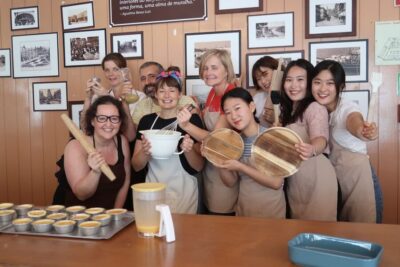
This is the stage where the class becomes especially enjoyable because the work starts to look like the finished dessert. It also leaves room for small mistakes. A few tarts may leak or escape their pastry cases, but that does not make them inedible. In fact, the imperfect ones can still taste excellent.
That is worth remembering if you are not confident in the kitchen. The class is meant to teach you, not test you. You do not need to produce bakery-perfect pastries on your first attempt. You need to understand the method well enough to try again at home.
The cooking team keeps the group occupied while the tarts bake. Games have been used during this waiting period, which adds a social touch and prevents the class from turning into a long spell of staring at an oven.
The schedule also gives you a chance to talk with the other people in the room. If you enjoy shared activities, this is part of the value. If you prefer a quiet, private lesson, the group format may feel less personal.
Eating the warm Pastéis de Nata
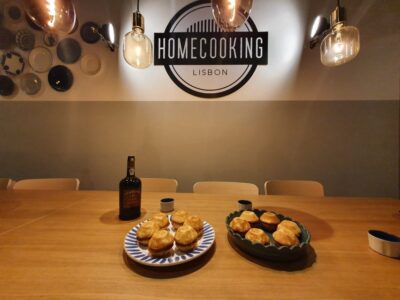
At the end, you eat the Pastéis de Nata made during the class. The menu is simple: the dessert you have just prepared.
That simplicity works. You get a direct reward for the work, and the warm tarts let you judge the pastry and custard while the result is fresh. You may also be able to take the tarts away if you prefer, although the supplied details specifically describe eating them at the end.
Some class sessions include a glass of port with the pastries. It is a small touch, not the main purpose of the booking, but it gives the tasting a distinctly Portuguese finish. Since the formal inclusions list ingredients, tools, and the recipe PDF rather than port, I would treat the drink as a possible extra rather than something to book solely for.
A birthday can also be marked in a simple way. Joana has added a candle to one of the tarts for a birthday celebration, so the team appears willing to make the occasion personal when asked. I would contact the provider in advance if this matters to you, since no formal celebration package is listed.
What you take home besides sugar
The most useful take-home item is the recipe PDF emailed after the class. This gives you a chance to repeat the dish instead of treating the afternoon as a one-time holiday memory.
That follow-up matters because Pastéis de Nata are exactly the kind of food people want to recreate after returning home. You may need to adapt ingredients or equipment depending on where you live, but the recipe gives you a clear starting point.
You also leave with a better sense of the process. You have seen the custard, handled the pastry cases, filled the tarts, and watched the bake. That practical memory is more useful than simply buying a tart at a café.
Still, keep the pastry limitation in mind when judging the recipe. The class gives you a strong introduction to the tart as a whole, but your home results may require practice. Do not expect your first batch to look exactly like a bakery display.
Price, timing, and overall value
At $78.44 per person for about two hours, this is not the cheapest way to eat Pastéis de Nata in Portugal. You can buy a tart at a bakery for very little. The price is paying for instruction, ingredients, equipment, the kitchen setting, the social activity, and the recipe you receive afterward.
I think the cost makes the most sense when you value the activity as part of your Lagos visit. You are not buying two pastries. You are booking a guided food lesson with a tasting at the end.
The class is booked about 26 days ahead on average, so I would not leave it until the last day of your Algarve trip. A small class can fill more quickly than a large sightseeing tour, especially during busy holiday periods.
The two-hour length is another value point. It is long enough to feel like a real activity, but short enough to fit into a day in Lagos. You should be aware that the compact schedule is also why some pastry work is handled before the class.
The 97 percent recommendation rate and 4.9 rating from 74 reviews suggest strong satisfaction, particularly with the instructors, the kitchen, and the finished tarts. I would place the greatest weight on the repeated praise for Joana’s energy, clear teaching, and ability to make beginners feel comfortable.
Who should book this Lagos cooking class
I would recommend it to you if you:
- Like food-based activities more than formal sightseeing
- Want a taste of Portuguese culture with a practical skill attached
- Are traveling as a couple, with friends, or alone and enjoy a small social group
- Have little or no baking experience
- Want a recipe to try again at home
- Need an activity that lasts about two hours
- Enjoy friendly instruction rather than a serious culinary-school atmosphere
It is also a good rainy-day option, though the supplied information does not promise any special weather arrangement. Families may enjoy it as well, but the details do not state a minimum age, so check directly if you are booking for young children.
I would hesitate if you want to laminate every layer of the pastry yourself. The advance-prepared pastry is the main compromise. I would also skip it if your only goal is to sample a tart cheaply, since a bakery or café is a far less expensive choice.
The class permits service animals. It is near public transportation, and confirmation is provided when you book. Free cancellation is available if you cancel at least 24 hours before the start time. Cancellations or changes made inside that window are not accepted for a refund, and the class may be rescheduled or refunded if its minimum number of participants is not reached.
Should you book the Pastel de Nata class?
I would book this class if you want a warm, social afternoon in Lagos and like the idea of learning a dish you can recreate at home. The strongest reasons are Joana’s personable teaching, the small group, the attractive kitchen, and the pleasure of eating your own fresh tarts at the end.
Just be clear about what you are buying. You will learn the custard, assembly, and baking process, but you may not prepare the pastry cases from scratch during your session. For most people, that is a reasonable trade for a well-paced two-hour class. For dedicated pastry makers, it may be a deal-breaker.
At $78.44, I see this as a special-occasion or memorable-holiday activity rather than a bargain. If you want more than a dessert, and you enjoy leaving Portugal with a story, a recipe, and a new kitchen skill, it is a solid choice.
FAQ
Where does the Pastel de Nata baking class take place?
The class begins at Rua Lucinda Anino dos Santos F, 8600-722 Lagos, Portugal.
Where does the activity end?
The class ends back at the same meeting point in Lagos.
How long does the class last?
The experience lasts approximately two hours.
How much does the class cost?
The listed price is $78.44 per person.
Is the class offered in English?
Yes. The experience is offered in English.
How many people can join the class?
The class has a maximum of 10 participants.
What will I make during the class?
You will prepare the creamy custard, work with the puff pastry, combine the two parts, fill the pastry cases, and bake the Pastéis de Nata.
Do I make the pastry cases from scratch?
Not necessarily. The pastry cases may have been prepared by an earlier class, allowing your group to focus on the custard and assembly.
Do I receive the recipe afterward?
Yes. The Kitchen sends participants a PDF of the recipe by email after the class.
Can I cancel for a full refund?
Yes, if you cancel at least 24 hours before the experience’s start time. Cancellations or changes made less than 24 hours in advance are not refunded or accepted.
Recently reviewed around Lagos
- NEW Lagos-Watching Dolphins and Benagil Cave with Biologists★ 4.5 · 147 reviews
- Sunset Yoga at Lagos’s beautiful beach by el Sol Lifestyle★ 5.0 · 52 reviews
- Wild and Wonderful West Coast Full Day Tour★ 5.0 · 92 reviews
- Small-Group Day Tour of Silves and Monchique with Wine Tasting★ 5.0 · 133 reviews
- Sealife Sea Safari, Dolphin Watching with Marine Biologist’s Lagos★ 5.0 · 313 reviews
- Sunrise SUP Caves Tour in Lagos – Small Group Experience★ 5.0 · 49 reviews
- Sagres & Cape St. Vincent Half-Day Tour★ 5.0 · 116 reviews
- Small group Wine Tasting Tour from Lagos★ 5.0 · 145 reviews
Cooking Classes, compared.
Pastel de Nata Cooking Class with Grandma’s Recipe
Read our review →
Pastel de Nata Cooking Class with Port Wine – Sé
Read our review →
Lisbon Portuguese Cooking Class with 3-Course Dinner
Read our review →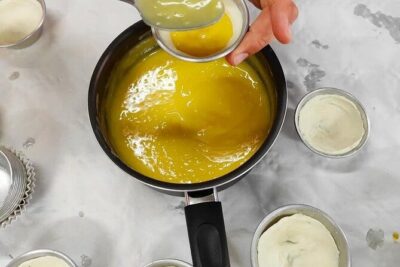
Pastel de Nata Cooking Class with Porto Wine (Sé do Porto)
Read our review →Browse the lists this tour appears in