
Reviewed · FADO SHOWS
Lisbon Fado History Cultural Walking Tour
Lisbon’s fado story begins away from the polished postcard views. This three-hour evening walk leads you from Rossio Square into Mouraria, a neighborhood of narrow streets, old stories, and present-day change. You learn how fado took root here before finishing near São Cristóvão, where dinner and good company round out the night.
I like the small group limit of six, which gives a guide room to answer questions and adjust the pace. I also like the mix of history and modern city life: the tour addresses gentrification, points out a major urban-art mural, and explains why a later fado performance makes more sense after this introduction.
The main caution is that the route includes hills and uneven streets, so you need moderate fitness and sensible shoes. The tour is also offered on Friday evenings only, and the guide is not fixed in advance. Telma, João, Inés, and Alfredo have led other Blue Emotion outings, but your assigned guide may differ.
In This Review
- Key points about the Lisbon fado walk
- Why Mouraria is the right place to begin
- Praça Martim Moniz and Lisbon’s changing center
- The short walk to São Cristóvão Church
- Fado history that prepares you for the evening
- Dinner and the social side of the experience
- How the three-hour timing works
- What the small group changes
- Price and overall value at $34.89
- Who should book this Lisbon fado tour?
- My take on the Lisbon Fado History Cultural Walking Tour
- FAQ
- Where does the Lisbon Fado History Cultural Walking Tour begin?
- Where does the tour end?
- How long does the experience last?
- On which day is the tour offered?
- How many people can join the tour?
- Is dinner included?
- Can I cancel for a full refund?
Key points about the Lisbon fado walk

- Mouraria before the music: Learn why this neighborhood is tied to fado and how Lisbon’s redevelopment is changing it.
- A six-person maximum: The small format should feel more like a guided walk than a crowd following a flag.
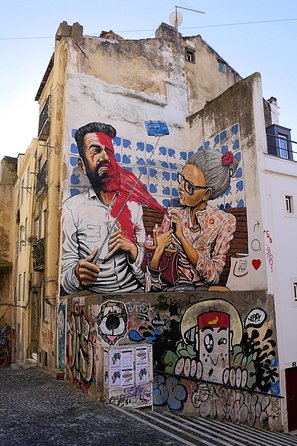
- Two telling landmarks: Visit Praça Martim Moniz and the area below São Cristóvão Church, including a major fado-themed mural.
- A useful prelude to a fado show: The stories help you recognize the cultural setting and themes you hear later.
- Friday evening timing: The walk runs from 7:00 p.m. to 10:00 p.m., a natural slot before or alongside a night out.
- Dinner included: The experience is designed as a social evening, not simply a history lesson.
Why Mouraria is the right place to begin
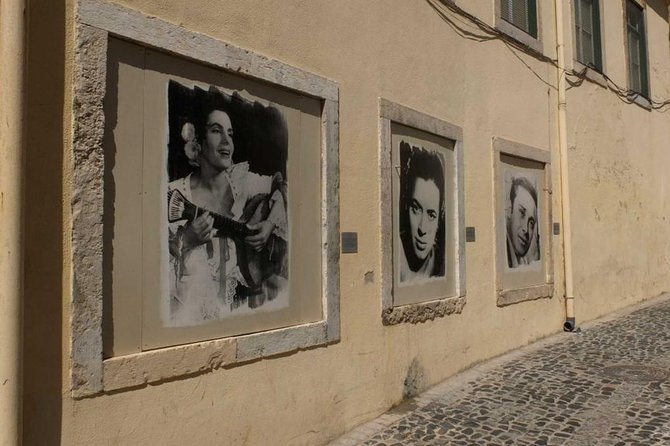
Many first visits to Lisbon focus on Baixa, the riverfront, Belém, and the castle area. Those places matter, but Mouraria gives you a different angle. It is tied to the beginnings of fado, and the walk uses its streets to explain how the music grew from Lisbon’s working neighborhoods into one of Portugal’s best-known cultural forms.
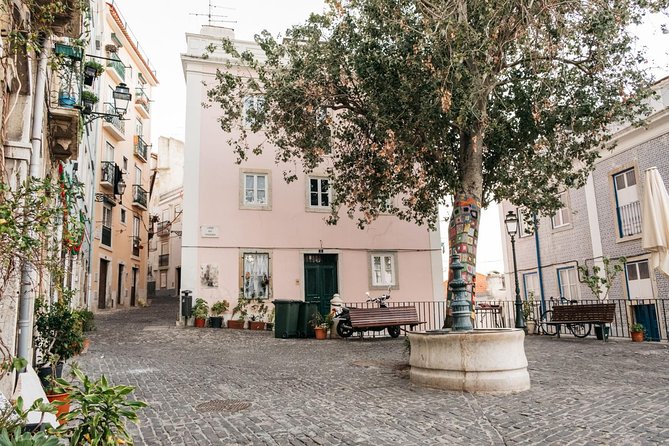
The starting point is Rossio Square, a convenient central meeting place near public transportation. From there, the route heads toward Praça Martim Moniz and Mouraria. That change in scenery is part of the experience. You leave the broad central square and enter a more intimate part of Lisbon, where the city’s past and its current pressures sit close together.
The opening stop lasts about 15 minutes. Rather than treating Mouraria as a frozen historical display, the guide also discusses gentrification and the problems facing Lisbon today. That is useful context. A neighborhood can be important to the city’s identity while also facing rising costs, redevelopment, and pressure on long-time residents.
I appreciate that the tour does not present fado as a decorative add-on. It connects the music to a real place and to the people who lived there. You get a sense of why a walk through Mouraria can teach you more than a quick visit to a fado restaurant alone.
More Fado Shows in Lisbon
- Lisbon: Live Fado Show with Port Wine in Historic Center
★ 4.7 · 4,166 reviews - Lisbon: Fado in Chiado Live Show
★ 4.6 · 3,095 reviews - Lisbon: Fado Show and Portuguese Dinner
★ 4.5 · 1,531 reviews
Praça Martim Moniz and Lisbon’s changing center
Praça Martim Moniz is more than a place to gather. It serves as the first point where the guide frames Mouraria, both historically and as a living part of Lisbon. The stop is short, but its subject is broad: the neighborhood’s origin and the changes reshaping the city.
This is one of the strongest parts of the tour for anyone who wants current affairs mixed with cultural history. Lisbon’s popular districts are changing quickly, and a guide who addresses that directly can help you read the streets with more care. You are not just looking at attractive buildings or hunting for a fado connection. You are considering who lives here, how the area has changed, and what may be lost when local districts become highly desirable.
The square is also a practical place to begin because it is central and easy to reach. Still, keep your expectations in check. The listed stop lasts only 15 minutes, so it cannot offer a full social history of Mouraria. Think of it as the opening chapter, not the whole book.
The short walk to São Cristóvão Church
The route continues toward São Cristóvão Church, with a second listed stop lasting about 10 minutes. The church is at R. São Cristóvão 28, and it is also the stated end point of the experience.
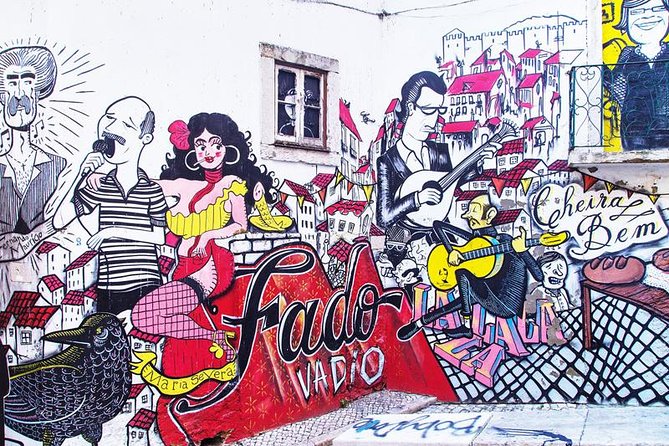
Below the church, the guide explains one of Lisbon’s best-known urban-art murals and links the image to the history of fado. This makes a good visual pause after the broader discussion at Martim Moniz. You are given something concrete to look at while hearing how fado developed.
The mural matters because it places the music in the public life of the neighborhood. Fado is often encountered indoors, in a dim room with a singer and Portuguese guitar. Here, the story reaches the street. That contrast helps you see fado as part of Lisbon’s daily identity, not only as an evening performance sold to visitors.
The stop is brief, so you should not expect a long art lecture or a formal church visit. The value comes from the connection between the image, the setting, and the music. If you enjoy learning through symbols and local stories, this part should be rewarding.
Fado history that prepares you for the evening
The tour’s central promise is to explain where and how fado was born. The supplied details do not give a full list of musical subjects or performers covered, so I would not book this expecting a specialist music seminar. The focus is more practical: understand the cultural setting before you attend a fado show.
That preparation has real value. Without context, a fado performance can seem solemn, beautiful, and a little mysterious. After hearing why Mouraria matters and how the music relates to Lisbon, you have a better framework for listening. You can pay attention to mood, place, and storytelling instead of treating the performance as background music.
This is especially useful if you are new to Portuguese culture. The guides used by Blue Emotion on related Lisbon walks, including Telma, João, and Inés, are praised for bringing history to life, using humor, and offering practical suggestions for food, bars, and transport. Alfredo has also been described as warm and helpful on other routes. Those are encouraging signs, but the provider does not promise a particular guide for this experience, so the style may vary.
The most important guide quality here is not simply the number of facts delivered. It is the ability to connect a street corner, a mural, and a musical tradition without turning the walk into a lecture. Based on the guide descriptions available, Blue Emotion often aims for that friendly, story-led approach.
More Historical Tours in Lisbon
- Lisbon: History, Stories and Lifestyle Walking Tour
★ 4.8 · 10,902 reviews - Lisbon: Fado Show with Wine in a Historic Venue
★ 4.8 · 1,294 reviews - Explore Lisbon by Tuk Tuk: History and Viewpoints
★ 5.0 · 840 reviews - Lisbon: Daytime or Sunset Boat Cruise with History and Wine
★ 4.9 · 819 reviews
Dinner and the social side of the experience

This is not designed as a silent walk from one historical point to another. The description presents it as an evening where you meet new people, enjoy company, and share a delicious dinner. That social element changes the feel of the outing.
With a maximum of six people, conversation should be easier than on a large group tour. You can ask a follow-up question without trying to catch the guide’s attention, and the group may feel more relaxed when dinner arrives. If you are traveling alone, this can be a pleasant way to add company to your evening without committing to a full-day group program.
The dinner details are not specified. There is no confirmed menu, restaurant name, drink list, or information about dietary accommodations. I would contact Blue Emotion Tours before booking if food allergies, vegetarian meals, or other restrictions are important to you.
The end point is near São Cristóvão rather than back at Rossio. That is helpful if you want to continue into the historic center for dinner or nightlife, but you should plan your return route from the finishing area. The walk ends at about 10:00 p.m., so check your accommodation location and transport options before setting out.
How the three-hour timing works
The advertised duration is approximately three hours, from 7:00 p.m. to 10:00 p.m. The named stops themselves account for only about 25 minutes, which tells you that much of the experience is spent walking between locations, hearing stories, and enjoying dinner.
That pacing should suit you if you prefer a relaxed introduction rather than a rapid checklist of sights. The walk has time to explain the neighborhood and fado connection without trying to cover all of Lisbon in one evening.
Do not expect a museum-heavy route. The appeal is the setting: streets, viewpoints or corners along the way, public art, and the changing atmosphere of central Lisbon after dark. The exact walking path is not fully detailed, so the guide’s choices and the group’s pace will shape the evening.
Wear shoes with a good grip. Lisbon’s streets can be steep, and the physical-fitness note is worth taking seriously. You do not need to be an athlete, but this is not the right choice if you want a completely flat, low-effort outing.
What the small group changes
The six-person cap is one of the clearest reasons to consider this tour. A guide can speak in a normal voice, stop when someone has a question, and notice if the group is losing the thread. The arrangement also makes dinner feel more natural.
Small groups are not automatically better. A lot depends on the assigned guide, and a quiet group may produce less conversation than you expect. Still, the format gives the experience a good foundation. It is particularly suitable for couples, solo visitors, and families who prefer personal attention.
Related walks led by Telma have been described as warm, humorous, and good with children. João has been praised for adapting explanations to the interests of the group and for adding context rather than reciting dates. Inés has been noted for enthusiasm and for linking Lisbon’s symbols to Portuguese culture. Again, these guides are not guaranteed for your departure, but they indicate the range of styles you might encounter.
If you want a highly structured academic lecture, this may feel informal. If you want a local introduction with room for questions and practical advice, the small group is a strong match.
Price and overall value at $34.89
At $34.89 per person, the tour is priced as an accessible evening experience rather than a luxury private outing. You receive about three hours of guiding, a small group setting, cultural background, and dinner. That combination makes the price reasonable, provided the meal is substantial enough for your needs.
The value is strongest for first-time visitors who plan to attend fado later in the trip. You are paying for interpretation and orientation, not just movement through the streets. The walk can help you choose a fado evening with more understanding, and it may save you from treating the music as a generic tourist show.
The value is less clear if you already know Mouraria well or have arranged a separate fado guide and dinner. In that case, the tour may repeat material you have covered. It also does not appear to include an actual fado performance, so do not confuse this with a combined walking tour and concert package.
The small group helps justify the fee. A six-person limit is a meaningful difference from a large city walk, especially when the guide is explaining a cultural subject that benefits from questions and conversation.
Who should book this Lisbon fado tour?
I would point this experience toward:
- First-time visitors who want cultural context before a fado performance
- Solo visitors who like a social evening in a small group
- Couples seeking something beyond major monuments
- Families with older children who can manage hills and a three-hour evening
- Visitors interested in how tourism and gentrification affect historic neighborhoods
- Anyone who prefers stories, streets, and local setting over museum interiors
I would think twice if you have limited mobility, dislike hills, or want a clearly itemized food experience. I would also skip it if your schedule does not allow a Friday evening departure from 7:00 p.m. to 10:00 p.m.
The tour requires a moderate fitness level, and the mobile ticket makes arrival simple. Confirmation comes at booking, and the meeting point is near public transportation. You can cancel for a full refund up to 24 hours before the start time. Cancellations or changes inside that window are not accepted, and the experience may be canceled if its minimum number is not reached.
My take on the Lisbon Fado History Cultural Walking Tour
This walk earns its high rating and 97 percent recommendation mainly through a smart idea: teach you the neighborhood and the music together. Mouraria, fado, street art, and dinner create a more connected evening than a basic sightseeing route.
I like the direct discussion of Lisbon’s current housing and redevelopment pressures. I also like that the route ends near São Cristóvão, where a mural and the fado story bring the themes together. The short stops mean the guide must do good storytelling, and the small group gives that storytelling a fair chance.
Book it if you want to understand the mood and setting behind fado before hearing it live. Skip it if you want a full concert, a detailed restaurant menu, or a flat route with guaranteed accessibility. For the right visitor, $34.89 buys a useful introduction to one of Lisbon’s most distinctive cultural traditions, with dinner and conversation added to the lesson.
FAQ
Where does the Lisbon Fado History Cultural Walking Tour begin?
It begins at Rossio Square, Praça do Rossio, 1100-200 Lisboa, Portugal.
Where does the tour end?
The stated end point is São Cristóvão, at R. São Cristóvão 28, 1100-177 Lisboa, Portugal.
How long does the experience last?
The tour lasts approximately three hours, from 7:00 p.m. to 10:00 p.m.
On which day is the tour offered?
The listed opening time is Friday from 7:00 p.m. to 10:00 p.m.
How many people can join the tour?
The experience has a maximum of six participants.
Is dinner included?
The description presents dinner as part of the experience. Specific menu details are not provided.
Can I cancel for a full refund?
Yes. You can cancel at least 24 hours before the start time for a full refund. Cancellations or changes made less than 24 hours before the start time are not accepted.
More Walking Tours in Lisbon
- Best of Lisbon Small-Group Guided Walking Tour
★ 5.0 · 4,869 reviews - Lisbon: Food and Wine Small Group Walking Tour
★ 4.9 · 4,082 reviews - Best of Lisbon Walking Tour: Rossio, Chiado & Alfama
★ 4.9 · 2,700 reviews - Age of Discoveries Walking Tour in Belém
★ 5.0 · 1,513 reviews
Recently reviewed around Lisbon
- Lisbon: Catamaran Luxury Sunset and Wine Tour★ 5.0 · 119 reviews
- Lisbon’s authentic Food and Wine tour with a Winemaker★ 5.0 · 67 reviews
- Morning Sailing Tour in Tagus River from Lisbon★ 5.0 · 68 reviews
- PRIVATE Unforgettable Full Day Tour to Sintra from Lisbon★ 5.0 · 236 reviews
- Lisbon: Belem Walking Tour with Jeronimos Monastery Tks Included★ 5.0 · 115 reviews
- Discover Lisbon’s Alfama: Secrets of the Old Town★ 5.0 · 104 reviews
- Sesimbra Wild Beach Tour from Lisbon★ 5.0 · 57 reviews
- Private Jeep Tour from Lisbon – Arrábida, Sesimbra & Beach Picnic★ 5.0 · 48 reviews
Fado Shows, compared.

Live Fado Show with Port Wine in Historic Center
Read our review →


Authentic Fado Show, Port Wine & Handmade Instruments
Read our review →
Live Fado Concert with Glass of Tawny Port Wine
Read our review →

Browse the lists this tour appears in