
Reviewed · FADO SHOWS
Lisbon: Fado Show and Portuguese Dinner
Lisbon’s Fado is best understood with a plate of Portuguese food in front of you and a singer just a few feet away. This two-hour evening begins with a short introduction near Praça Luís de Camões, then leads you through Bairro Alto to a traditional Fado restaurant for dinner and live music.
I like the way the guide explains the songs between sets, especially for anyone who does not speak Portuguese. I also like the solid value: for $57, you get a full meal, one beer, wine, or soda, a shot of ginjinha, and about 90 minutes of music. The main consideration is that the restaurant can feel cramped and the meal may be good rather than memorable. You are paying mainly for the music and the setting.
In This Review
- Key points
- Meeting Fado at Praça Luís de Camões
- A short walk through Bairro Alto
- Dinner begins as the musicians take their seats
- Understanding the songs between the sets
- What the live Fado setting feels like
- The food, drinks, and final ginjinha
- Is $57 a fair price for two hours?
- Who will enjoy this evening most?
- Should you book the Lisbon Fado dinner?
- FAQ
- Where does the Fado dinner experience meet?
- How long does the activity last?
- Is the tour conducted in English?
- What does the dinner package include?
- Are vegan or vegetarian meals available?
- Can children join the activity?
- Can I cancel the booking?
Key points
- Meet in central Bairro Alto: Find the guide at Praça Luís de Camões, beside the statue, marked by a red Wild Walkers shirt or sweatshirt and red umbrella.
- Hear the meaning behind the music: English-speaking guides such as Melissa, Carol, Antonio, and João Miguel explain Fado’s origins and translate song themes.
- Walk only 5 to 10 minutes: The short route gives you a little neighborhood context without turning the evening into a long walking tour.
- Expect a traditional dinner: Choose from Portuguese dishes, with vegan and vegetarian choices available. Portions can be generous.
- Enjoy about 90 minutes of live Fado: The music is presented in sets, with pauses that allow the guide to explain what you have just heard.
- Good value for a first Fado night: Your package includes dinner, one drink, ginjinha, the guide, and the show for $57.
Meeting Fado at Praça Luís de Camões
The evening starts at Praça Luís de Camões, a useful central meeting spot between Chiado and Bairro Alto. Look for the guide in a red shirt or sweatshirt with the Wild Walkers logo, holding a red umbrella.
This clear visual marker matters in Lisbon, where a busy square can make a meeting point less obvious than it sounds. Arrive with enough time to find the statue and settle in before the introduction begins.
The guide sets the stage by explaining where Fado came from and why it matters in Portuguese life. Fado developed among working people in the neighborhoods of Mouraria and Alfama, then became closely linked with Bairro Alto. Its emotional pull comes from themes such as longing, fate, love, loss, and ordinary life.
You do not need a music background to follow this. The guide’s job is to give you a few handles before the singing starts, so the performance feels like more than a sequence of unfamiliar Portuguese songs.
Guides vary by departure, but Melissa, Carol, Antonio, Rafael, Carolina, and João Miguel have all led this experience. The strongest guides bring warmth and energy to the opening talk, and they continue explaining the music during breaks rather than leaving you to guess what is happening.
More Fado Shows in Lisbon
- Lisbon: Live Fado Show with Port Wine in Historic Center
★ 4.7 · 4,166 reviews - Lisbon: Fado in Chiado Live Show
★ 4.6 · 3,095 reviews - Lisbon: Fado Show with Wine in a Historic Venue
★ 4.8 · 1,294 reviews
A short walk through Bairro Alto
After the introduction, you walk for about five to 10 minutes to the restaurant. This is not a full neighborhood tour, but it gives you a brief sense of the streets associated with Lisbon’s evening culture.
That short distance is helpful if you want a cultural night without committing to a long walking route. You get a little local context, then reach your seat quickly. Wear shoes with a steady grip, since Lisbon’s central streets can be steep and paved with smooth stone.
The walk also creates a useful pause between the history lesson and the performance. By the time you enter the restaurant, you know why Fado is tied to humble neighborhoods and why the music is treated as a serious expression of Portuguese identity.
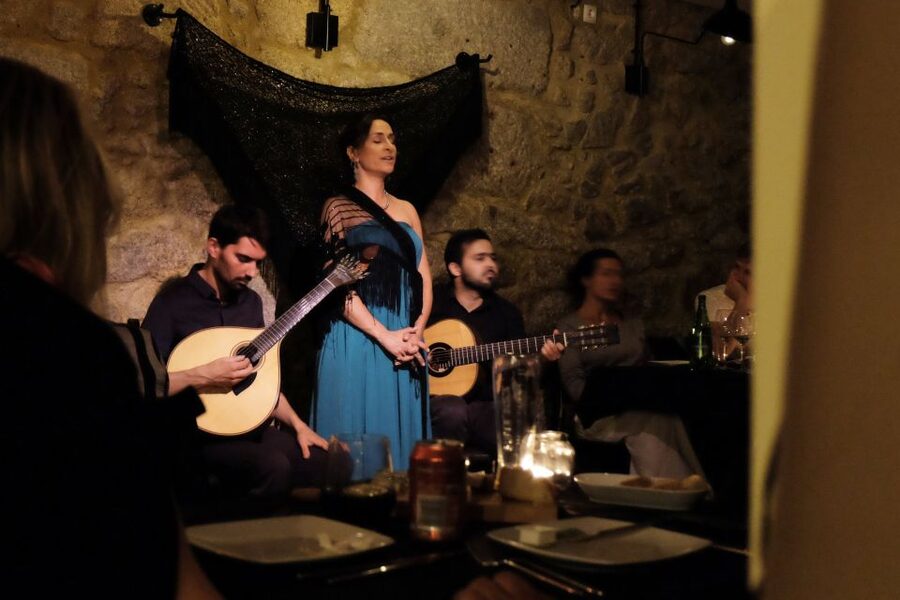
Do not expect an exclusive concert hall or a grand dining room. The setting is a traditional Fado house, and some accounts describe it as small, close, and cozy. That intimacy is part of the appeal, though people who prefer lots of personal space may find the room cramped.
Dinner begins as the musicians take their seats
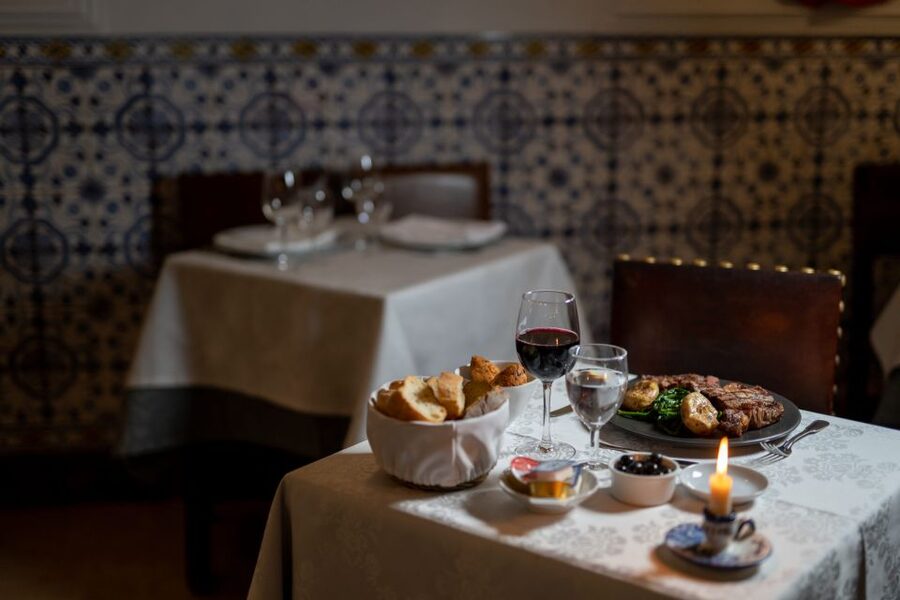
Once you reach the restaurant, you are shown to your table and given time to choose your food. As the room settles, the musicians and singers take their places. That moment before the first song has its own charm: conversation fades, plates arrive, and the room grows expectant.
The package includes starters, a main course, one drink, and a shot of ginjinha. Your drink choice is beer, wine, or soda. Several dishes described from the menu include Portuguese favorites, pork with clams, codcakes, and some pasta options. The exact selection can vary, so check the menu when you arrive.
The food is best viewed as part of a complete evening rather than as a destination meal by itself. Portions are often described as generous, and many diners find the meal tasty and filling. One particularly useful tip is to consider the wine if you want the strongest value from the included drink, since a Portuguese wine fits the meal and the setting.
The meal has some variation. A few people find the food merely average, while others praise the flavor, portion size, and friendly service. Restaurant organization can also be imperfect at times. If you need a polished, carefully paced dinner, this may feel casual. If you want dinner, music, and a local tradition in one affordable package, the arrangement makes sense.
A vegan option is available, and vegetarian choices are also mentioned. If you have strict dietary needs, ask the provider ahead of time rather than relying on a last-minute adjustment.
Understanding the songs between the sets
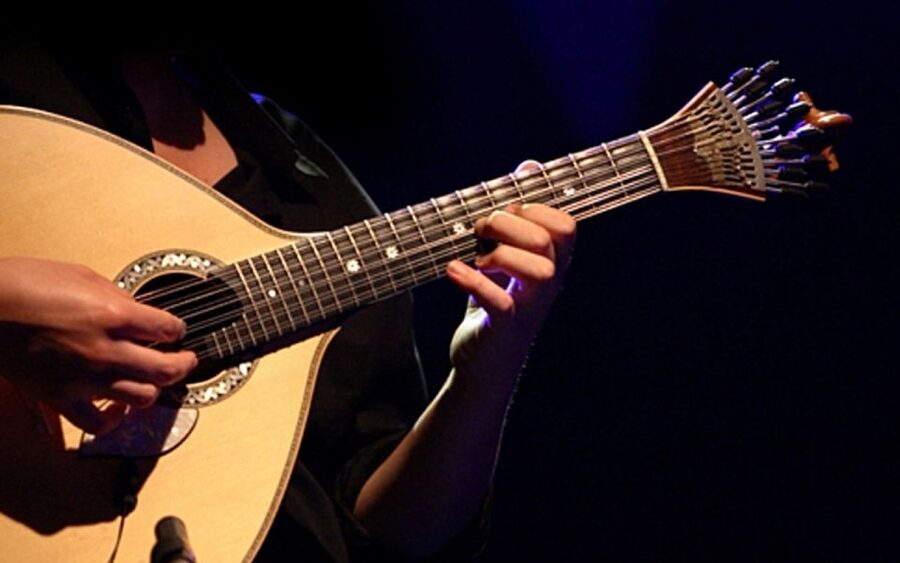
This is the part I consider most important for English speakers. Fado is sung in Portuguese, and its force does not depend on a word-for-word translation. Still, understanding the subject of a song changes the way you hear the singer’s voice and the guitarist’s pauses.
The guide explains the meaning of many songs during the breaks. Melissa has been praised for retelling the stories behind the lyrics, while Carol and Antonio have also been singled out for clear explanations. João Miguel is another guide known for adding useful context about Lisbon and Fado.
The timing works well. When a singer performs, the room becomes quiet. During pauses, the guide can explain the last song, describe its emotional subject, and prepare you for the next set. You are not asked to talk over the music, and you are not left without context for the whole evening.
A typical format may include several sets, with around 12 songs in total. One reported arrangement featured three groups of four songs, split between a male and female singer. The exact performers and number of songs can change, but you should expect a substantial live program rather than a brief sample.
The translation is not a formal literary analysis. It is more likely to be a plain explanation of the song’s idea and feeling. That is enough. Fado is often carried as much by the singer’s phrasing as by the words themselves.
More Lisbon trips worth a second look
- Lisbon: Baixa District Food Tour with Dinner and Drinks
★ 4.9 · 1,870 reviews - Lisbon: Alfama Tour and Live Fado with Traditional Dinner
★ 4.4 · 970 reviews - Lisbon Portuguese Cooking Class with 3-Course Dinner
★ 5.0 · 445 reviews - Lisbon: Fado Night with Dinner in a Typical Fado House
★ 4.3 · 365 reviews
What the live Fado setting feels like
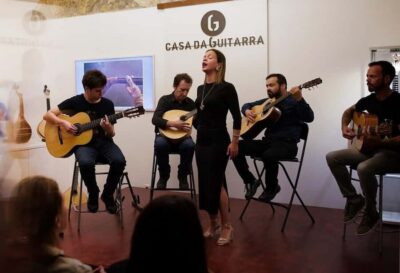
The music is the heart of the evening, and the traditional restaurant setting gives it a direct, close-up quality. You are not watching from a large theater. The singer and musicians are part of the same room, with dinner tables nearby and the normal sounds of a small restaurant around them.
That closeness can make the performance feel personal. It also means you should not expect every part of the evening to be perfectly silent or staged. The restaurant continues operating, staff continue serving, and the room may feel tight.
The musical quality can vary with the night’s performers, as it can at any live show. The strongest accounts describe skilled musicians, powerful singing, and a heartfelt atmosphere. One useful feature is the presence of both male and female singers on some evenings, giving the program more variety in voice and style.
Fado is not cheerful background music. It is often slow, serious, and emotionally exposed. If you want a lively folk dance show, this is the wrong choice. If you enjoy music that leaves room for silence, sadness, and reflection, the mood may stay with you long after dinner.
The guide’s explanations help keep the emotion from becoming vague. You learn why the music sounds mournful and how it connects with Portuguese ideas of longing and destiny. You can enjoy the performance without understanding Portuguese, but the extra context gives your attention somewhere to go.
The food, drinks, and final ginjinha
The included meal makes this easier to book than a standalone Fado show. You do not have to find a restaurant before the music or decide how much dinner will add to the cost. The food arrives as part of the evening, and you can focus on the performance.
Starters provide a first taste of Portuguese cooking. Codcakes may be available, though menu items can run out, especially on a busy night. Main courses include local choices as well as simpler alternatives, so you are not forced to choose an unfamiliar dish.
The pork and clams dish has been especially well received, and portions can be large. Pasta may be available for a less traditional but familiar option. Vegan and vegetarian diners have a workable choice, though you should confirm your needs before booking.
Your included drink is one beer, wine, or soda. Extra food and drinks cost more and are paid directly to the restaurant. Keep that in mind if you want additional wine or dessert, since the advertised price does not cover extras.
The evening ends with a shot of ginjinha, a sweet Portuguese cherry liquor. It is a small but fitting finish to a traditional night out. Youth tickets include the same experience, but alcoholic drinks are replaced with non-alcoholic choices.
Is $57 a fair price for two hours?
At $57 per person, the value is strong if you want a first introduction to Fado with dinner already arranged. The price covers the local guide, the short walk, a 1.5-hour live show, starters, a main course, one drink, and ginjinha.
Booking these parts separately could cost more, especially once you add a restaurant meal and a professional performance. The main saving is not only money. It is the time and effort of choosing a Fado house without knowing which places welcome first-time listeners.
The tradeoff is control. You may not choose the exact restaurant, singer, seat, or menu item. The dining room may be close-set, and the food may not match the quality of a restaurant chosen solely for its cooking.
I see this as a good-value cultural introduction, not a special-occasion gourmet dinner. If you want the best possible meal in Lisbon, spend more time researching restaurants. If you want an easy evening that combines food, explanation, and music, $57 is reasonable.
Who will enjoy this evening most?
I would recommend it to first-time visitors who want to understand Fado rather than simply hear it. The English explanations are especially useful if you are unfamiliar with Portuguese music or have never attended a Fado performance.
Couples, solo visitors, and families with teenagers can all fit the format. Children age five and under can join free, but dinner is not included for them, and their food and drinks must be paid directly to the restaurant. The youth ticket replaces alcoholic drinks with non-alcoholic beverages.
The evening also suits people who prefer a short, organized activity. The whole experience lasts about two hours, with only a five to 10-minute walk. You get a focused cultural night without giving up your entire evening.
I would think twice if you dislike group dining, close tables, or serious music. You may also want another option if a top-level culinary experience is your main goal. The strongest reason to book is the guide’s song explanations and the chance to hear Fado in a traditional setting.
The activity is wheelchair accessible, and the tour is conducted in English. Starting times vary, so check the available departure when booking.
Should you book the Lisbon Fado dinner?
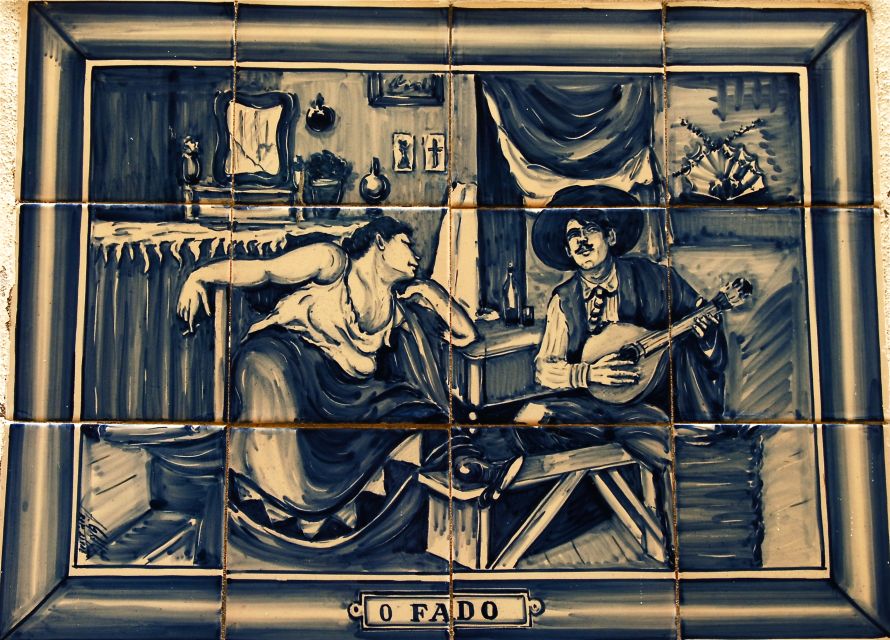
Book this experience if you want a friendly, affordable introduction to Lisbon’s signature music, with the meaning explained as you go. The combination of a short neighborhood walk, Portuguese dinner, live singing, and ginjinha gives you a lot for two hours.
I especially like the balance between quiet performance time and guide commentary. You can listen without interruption, then ask questions or hear the song’s meaning during the breaks. That format turns a potentially unfamiliar show into something you can follow.
Skip it if you want a refined restaurant, a large concert venue, or a completely private evening. For most first-time visitors, though, the price and structure make this a sensible way to spend one night in Lisbon.
FAQ
Where does the Fado dinner experience meet?
The meeting point is Praça Luís de Camões, in front of the statue. The guide wears a red Wild Walkers shirt or sweatshirt and carries a red umbrella.
How long does the activity last?
The experience lasts two hours. It includes a five to 10-minute walk to the restaurant and about 1.5 hours of live Fado.
Is the tour conducted in English?
Yes. The local guide speaks English and explains the history of Fado and the meaning of the songs.
What does the dinner package include?
It includes starters, one main course, one drink, and one shot of ginjinha. The included drink is beer, wine, or soda.
Are vegan or vegetarian meals available?
A vegan option is available, and vegetarian choices are also mentioned. Contact the provider ahead of time if you have specific dietary requirements.
Can children join the activity?
Children age five or younger can join free, but dinner is not included for them. Their food and drinks must be paid directly to the restaurant. Youth tickets include the activity, with alcoholic drinks replaced by non-alcoholic beverages.
Can I cancel the booking?
You can cancel up to 24 hours in advance for a full refund. The activity also offers reserve now and pay later booking.
More Show in Lisbon
- Fado in Chiado – Live Show in Lisbon on Stage for over 15 Years
★ 4.5 · 638 reviews - Fado: Musical Walking Tour with Food & Live Show
★ 5.0 · 121 reviews - Lisbon Dinner with Fado Show and Sights by Night
★ 4.1 · 45 reviews - Porto: Live Fado Show with Glass of Port Wine
★ 4.8 · 6,498 reviews
More Dining Experiences in Lisbon
- Lisbon: Fado Night with Dinner with Live Performance
★ 4.6 · 298 reviews - Lisbon: Dinner with Fado Show with the Rising Stars of Fado
★ 4.4 · 110 reviews - Lisbon: Erotic Cabaret Show and Dinner
★ 4.5 · 84 reviews - Lisbon: Authentic Fado Show, Dinner and Night Tour
★ 4.6 · 80 reviews
Recently reviewed around Lisbon
- Portinho da Arrábida: Coasteering Boat Tour★ 4.9 · 78 reviews
- Setúbal: Dolphin-Watching Boat Tour★ 4.8 · 213 reviews
- From Lisbon: Private Óbidos and Nazaré Tour★ 5.0 · 152 reviews
- No Diet Club – Unique food tour in Lisbon with many Tastings★ 4.8 · 44 reviews
- Queluz National Palace & Gardens Ticket★ 4.6 · 447 reviews
- Melides: Horse Riding on the Beach with Wine Tasting★ 4.3 · 117 reviews
- Melides: Horseback Riding on Melides Beach★ 4.7 · 111 reviews
- Lisbon: Street Art Tuk Tuk Tour★ 4.9 · 372 reviews
Fado Shows, compared.
Live Fado Show with Port Wine in Historic Center
Read our review →

Authentic Fado Show, Port Wine & Handmade Instruments
Read our review →
Live Fado Concert with Glass of Tawny Port Wine
Read our review →
Browse the lists this tour appears in