
Reviewed · WINE TASTINGS & PORT CELLARS
Porto: Live Fado Concert with Glass of Tawny Port Wine
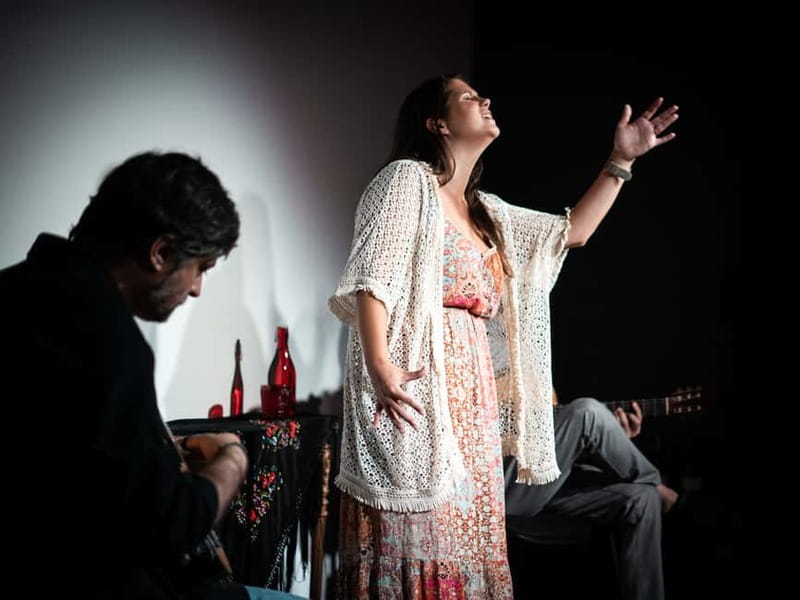
Fado na Baixa does more than put on a concert. It explains why Fado matters to the Portuguese, then lets you hear its changing forms through four live performers, short films, and a glass of Tawny Port. The program moves from Lisbon Fado to Coimbra songs, Portuguese guitar, and the work of Amália Rodrigues.
I like the clear storytelling, especially if you are new to Fado and want more than a string of unfamiliar songs. I also like the intimate 19th-century auditorium near the Douro, where the singers and musicians feel close enough to watch their expressions. The main consideration is that this is a polished one-hour introduction, not a long, informal night at a neighborhood Fado house. Some listeners may also find the historical film sections a little long, and the vintage chairs are not everyone’s favorite.
In This Review
- Key points to know before booking
- Why this Porto Fado show works for first-time listeners
- Entering the Ribeira auditorium on Rua de São João
- First chapter: the intense Lisbon tradition
- The Portuguese guitar and the Tawny Port pause
- Coimbra Fado and the sound of student tradition
- Amália Rodrigues and Fado’s wider reach
- The final movement: traditional roots and modern Fado
- The performers and the small-room atmosphere
- What the $19 price really buys you
- Who should book this experience
- Practical details for planning your hour
- Should you book Fado na Baixa?
- FAQ
- Where does the Fado concert take place?
- How long does the activity last?
- What is included in the ticket?
- Which types of Fado are presented?
- Which languages are available?
- Is the auditorium wheelchair accessible?
- Does the activity start and end at the same place?
- Can I cancel the booking?
Key points to know before booking
- Two Fado traditions in one hour: Hear Lisbon Fado alongside the very different Coimbra style, sung by a male performer with a former Coimbra University connection.
- A concert with context: Short films and personal testimonials explain the music’s themes, development, and place in Portuguese life.
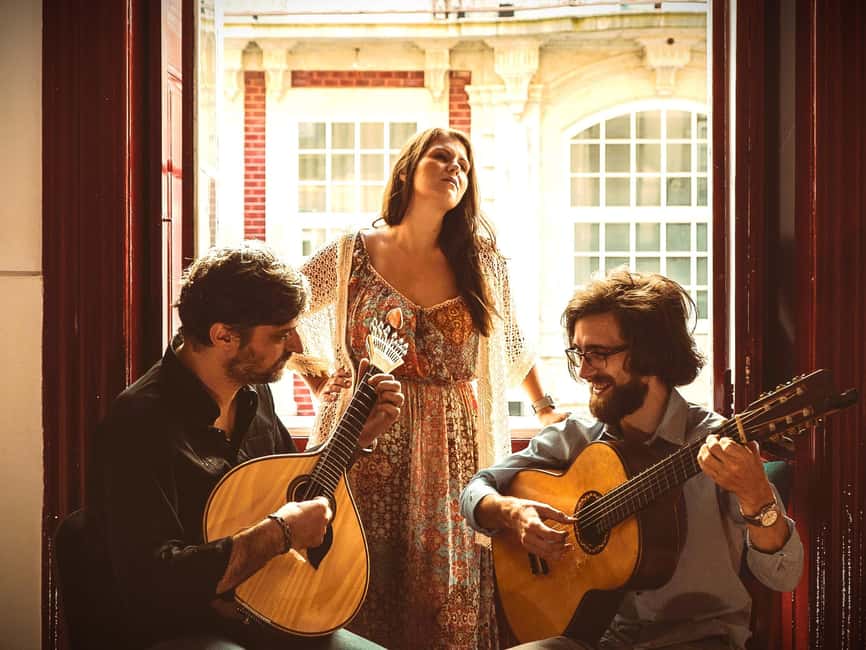
- Four live performers: Expect two singers and two musicians, including Portuguese guitar, with both male and female voices.
- Port included: Your ticket covers a glass of Tawny Port, served as part of the cultural pairing between music and wine.
- Central Ribeira location: The licensed auditorium is at Rua de São João 99, close to the Douro River.
- Useful one-hour format: The show fits easily into an evening in Porto and ends where it begins.
Why this Porto Fado show works for first-time listeners
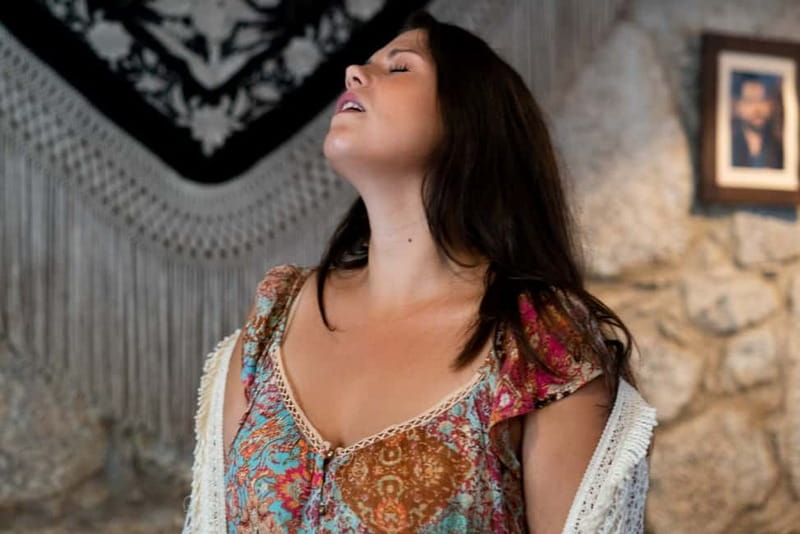
Fado can be moving even when you do not understand every word. Its sound is full of longing, fate, departure, love, and memory, but a first-time listener may still wonder what separates Fado from any other sad song.
That is where this performance helps. It gives you a short explanation before asking you to listen closely. The films and personal testimonials are available through audio or presentation content in Portuguese, English, Spanish, and French, so you can follow the basic ideas in your own language.
I appreciate this approach because the music is not treated as background entertainment. You learn what you are hearing, then listen again with better ears. The presentation also shows that Fado is not one fixed sound. Lisbon and Coimbra have different traditions, and later performers changed how the music reached the wider world.
The format is especially useful if you have only a short stay in Porto, or if you feel unsure about booking a full evening at a more traditional Fado venue. At one hour, it offers a tidy cultural stop without taking over your night.
More Fado Shows in Porto
- Porto: Live Fado Show with Glass of Port Wine
★ 4.8 · 6,498 reviews - Porto: Cálem Cellar Tour, Fado Show & Wine Tasting
★ 4.4 · 3,530 reviews - Porto: Authentic Fado Show, Port Wine & Handmade Instruments
★ 4.8 · 2,737 reviews
Entering the Ribeira auditorium on Rua de São João
The meeting point is Fado na Baixa at Rua de São João 99, 4050-553 Porto, in the heart of Ribeira. The auditorium is in a 19th-century building near the Douro River, giving the experience a proper setting rather than the feel of a temporary tourist stage.
The room is described as intimate, and that matters for Fado. This music depends on the singer’s voice, the pauses between lines, and the quiet detail of the Portuguese guitar. A small room lets you see the performers and hear the contrast between the two string instruments.
The setting is licensed and wheelchair accessible. The activity begins and ends at the same address, so you do not need to arrange transport between venues. Check the available starting times when booking, since the exact schedule can change.
You receive your glass of Port as part of the ticket. It is Tawny Port, a style known for its time in wood and its softer, nutty character. Here, the wine is not a separate tasting lesson. It is a simple drink to enjoy while the program introduces the music.
First chapter: the intense Lisbon tradition
The performance begins with traditional Lisbon Fado. Lisbon is generally treated as the place where this widely known style took shape, and it became the form most often presented to international audiences.
Expect a direct, emotional opening. Fado singers often hold a phrase for longer than you expect, allowing the voice to carry the feeling before the guitar answers. The effect can be intense, even when the song is brief.
The opening section gives you a useful reference point for the rest of the show. Once you have heard this highly recognizable style, the later Coimbra section makes more sense. You can listen for changes in vocal delivery, mood, and accompaniment rather than treating every song as the same kind of performance.
This part is also where the program’s personal tone begins. The performers do not simply sing and leave. They use short explanations and multimedia material to place the songs within Portuguese culture.
The Portuguese guitar and the Tawny Port pause
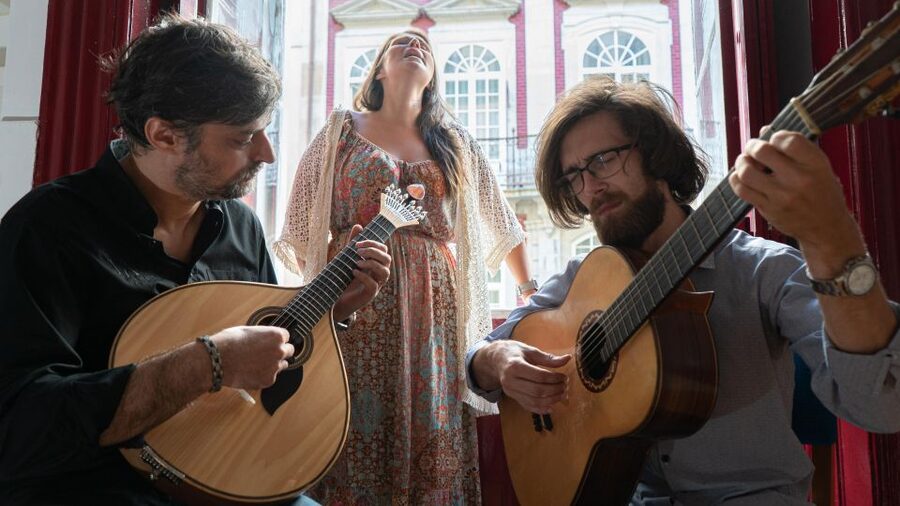
One of the most distinctive sounds in Fado comes from the Portuguese guitar. It is smaller and shaped differently from the classical guitar, with a bright, ringing tone that can sound almost like a reply to the singer.
The concert gives the instrument its own attention. You hear the Portuguese guitar closely and learn about the differences between Lisbon and Coimbra playing techniques. That is one of the best parts for anyone who enjoys instruments, because you are not left with only a general impression of beautiful music.
Musicians connected with the performance include Mário Henriques and Rato, both noted for their Portuguese guitar playing. The contrast between the two traditions is part of the program, and the playing is an important reason not to think of this as simply a vocal concert.
This is also when you can enjoy the Tawny Port. The pairing makes practical sense: a small glass gives you a taste of Portugal’s wine culture without turning the event into a formal tasting. I would not book this expecting several wines or a detailed lesson in Port production. The wine is a pleasant part of the hour, not its main subject.
More Wine Tastings in Porto
- From Porto: Douro Valley w/ Boat Tour, Wine Tasting & Lunch
★ 4.7 · 19,061 reviews - Porto: Cálem Cellar Tour, Interactive Museum & Wine Tasting
★ 4.5 · 4,113 reviews - Douro Valley Small-Group Tour with Wine Tasting, Lunch and Boat
★ 5.0 · 3,642 reviews - Douro Valley Tour: 2 Vineyard Visits, River Cruise, Winery Lunch
★ 5.0 · 3,542 reviews
Coimbra Fado and the sound of student tradition
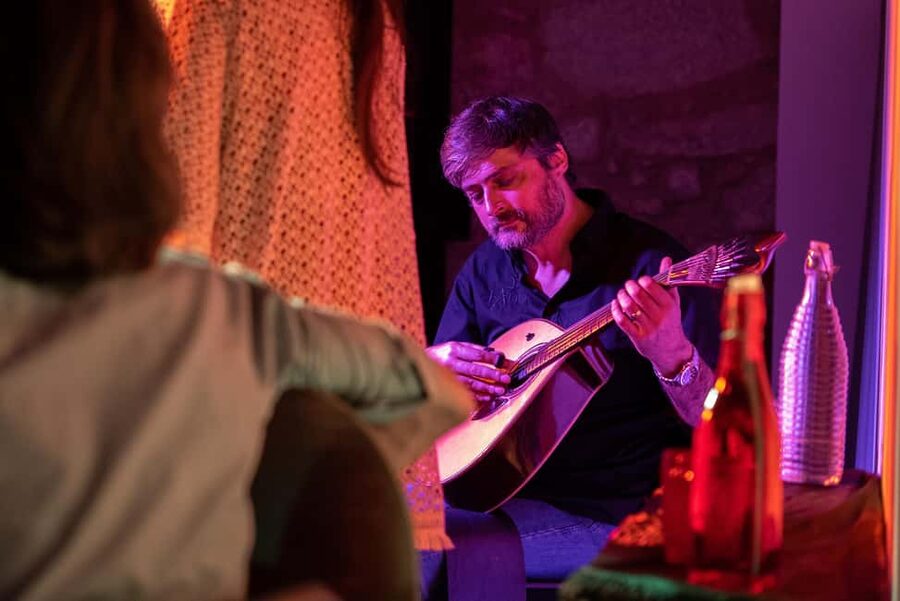
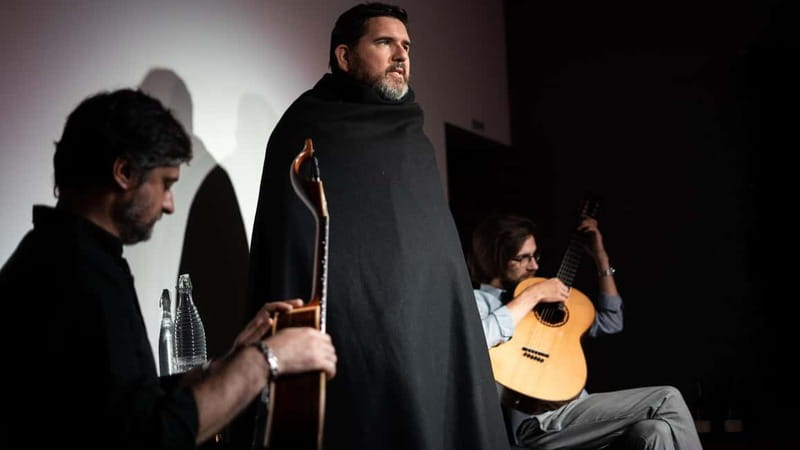
The Coimbra section gives the show a different character. Coimbra Fado is closely linked with Portuguese university life and has its own musical identity. In this performance, it is sung live by a male singer who was formerly a student at Coimbra University, following the tradition presented by the program.
This is an important inclusion. A Porto concert that offered only the famous Lisbon style would give you a narrower picture of Fado. Coimbra adds another voice, both literally and culturally.
You will hear why the guitar matters so much here. The playing techniques differ from those used in Lisbon, and the male vocal style helps separate the section from the earlier songs. A personal reflection connected to university life also gives this part a human scale.
The program does not pretend that every Portuguese person experiences Fado in exactly the same way. Instead, it shows how place, age, education, and tradition can shape the music. That makes the Coimbra segment one of the most useful parts for someone who wants cultural context rather than a generic concert.
Amália Rodrigues and Fado’s wider reach
The next section focuses on Amália Rodrigues, often called the queen of Portuguese Fado. Her importance lies not only in her singing, but also in how she changed traditional Fado and helped bring it to a much larger audience.
The presentation uses her story to show that tradition is not frozen. Fado can keep its emotional center while changing in style, poetry, and reach. You see how one major performer helped move the music beyond its earlier setting and gave it international recognition.
This section is supported by short visual material, so the history does not depend only on spoken explanation. The films are brief enough to connect with the live music, though the balance may not suit everyone. If you came mainly for uninterrupted singing, you may wish the concert moved more quickly. If you want to understand what you are hearing, the added context is valuable.
The program’s treatment of Amália also helps explain why Fado remains relevant. It is not presented as an old custom preserved behind glass. The music has changed because singers and composers kept finding new ways to express it.
The final movement: traditional roots and modern Fado
The closing section looks at how Fado continues through new poetry, combinations with other musical styles, and respect for older forms. This gives the show a wider ending than simply returning to the first song.
I like this final idea because it answers a question many visitors have: if Fado is tied so closely to tradition, how can it still develop? The answer is heard in the music itself. Singers can honor the familiar sound while bringing new words, new arrangements, and new personal experience.
The concert also includes some inviting moments of participation. A little singalong spirit appears near the end, giving the hour a warmer finish than a strictly formal recital. The exact feel will depend on the performers and audience, but the structure moves from explanation to listening and then toward shared appreciation.
By the end, you should have a better sense of Fado as a living Portuguese art form, not simply a sad song performed for visitors.
The performers and the small-room atmosphere

The cast includes two Fado singers, one woman and one man, alongside two musicians. That mix gives the concert vocal contrast and lets you hear how different singers approach the same broad tradition.
The performances are the heart of the experience. The singers are supported by strong musicianship, especially from the Portuguese guitar players. The program also includes songs connected with fishermen and the loved ones left behind, subjects that fit Fado’s recurring themes of distance and longing.
The intimate room helps here. You can pay attention to the singer’s face, the musician’s hands, and the quiet moments between verses. That closeness makes the concert feel personal, though it also means the presentation is less grand than a large theater show.
The chairs have a vintage appearance, and they may not be the most comfortable if you are sensitive to seating. Since the show lasts about an hour, this is a modest concern rather than a serious problem. Still, it is worth knowing if comfort is a major part of your evening plans.
What the $19 price really buys you
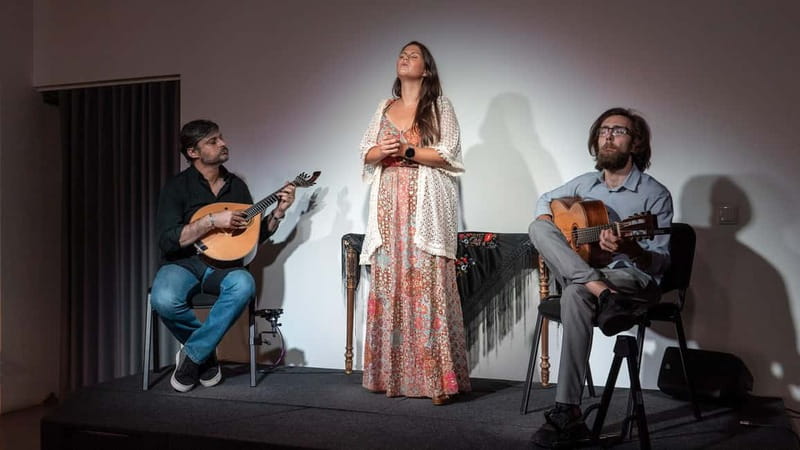
At $19 per person, this is a good-value introduction to Fado. Your ticket covers the live performance, multimedia content, audio guide, and a glass of Tawny Port. You are paying for both the concert and the explanation that gives it meaning.
I would judge the price differently depending on your goal. If you want a full dinner, several glasses of wine, and a long night of music, this is not that product. If you want a focused cultural activity that fits around dinner or sightseeing, the cost is more reasonable.
The one-hour length is a strength for many schedules. You can visit Ribeira, attend the performance, and still have time for a meal or an evening walk near the river. It also suits families and teenagers who may not want to sit through a longer concert.
The high overall rating and large number of bookings point to a consistently well-received format, but you should still match your expectations to the experience. The show is educational and polished. It is less spontaneous than wandering into a small bar and discovering a singer by chance.
Who should book this experience
I would choose Fado na Baixa if you are hearing Fado for the first time and want a clear introduction. The explanations, translations, films, and comparison between Lisbon and Coimbra remove much of the guesswork.
It also suits:
- Couples looking for a quiet cultural evening with a glass of Port
- Families with older children or teenagers
- Music lovers curious about the Portuguese guitar
- Visitors with only one hour available
- Anyone staying near Ribeira who wants an activity within walking distance
- People who prefer a structured show to an unplanned night out
You may want something else if your main goal is an extended, informal Fado evening with food and several performers. You may also find the multimedia sections interrupt the mood if you prefer a concert without explanations.
The experience is presented in Portuguese, Spanish, English, and French, with audio guide support in those languages. That makes it a sensible choice for international visitors who want to follow the story rather than rely on atmosphere alone.
Practical details for planning your hour
The activity lasts one hour and returns to the same meeting point. Starting times depend on availability, so check the schedule before arranging dinner or another timed visit.
You can cancel up to 24 hours in advance for a full refund, and the reserve-now, pay-later option allows you to keep plans flexible. Wheelchair access is available at the venue.
Arrive at the listed auditorium in Ribeira rather than looking for a separate meeting area. Since the address is near the Douro River, it is easy to combine the show with time in Porto’s central riverfront district, though the activity itself does not include transport or a guided walk.
Should you book Fado na Baixa?
Book it if you want an efficient, well-explained introduction to Fado with live singing, Portuguese guitar, Coimbra tradition, Amália Rodrigues, and a glass of Port. The short length and central location make it easy to fit into a Porto itinerary.
Skip it if you want a long dinner show or a completely unbroken concert. For most first-time listeners, though, the balance works well: you hear excellent voices and musicians, learn what makes the styles different, and leave with a clearer feeling for why Fado remains so important in Portugal.
FAQ
Where does the Fado concert take place?
It takes place at the Fado na Baixa auditorium at Rua de São João 99, 4050-553 Porto, in the Ribeira area near the Douro River.
How long does the activity last?
The performance lasts one hour.
What is included in the ticket?
The ticket includes the live performance, multimedia content, an audio guide, and one glass of Tawny Port wine.
Which types of Fado are presented?
The program includes traditional Lisbon Fado, Coimbra Fado, and discussion of how Fado developed through the work of Amália Rodrigues and later forms.
Which languages are available?
The host or greeter languages are Portuguese, Spanish, English, and French. The audio guide is available in Portuguese, Spanish, English, and French.
Is the auditorium wheelchair accessible?
Yes, the activity is wheelchair accessible.
Does the activity start and end at the same place?
Yes. It begins at the Fado na Baixa auditorium and ends back at the meeting point.
Can I cancel the booking?
Yes. You can cancel up to 24 hours in advance for a full refund. Reserve now and pay later is also available.
More Concerts in Porto
- Porto: Fado Concert in Porto’s Most Beautiful House
★ 4.9 · 1,201 reviews - Porto: The highest-rated traditional fado concert (downtown)
★ 4.8 · 1,130 reviews - Lisbon: Lisbon Classical Nights Concert
★ 4.8 · 143 reviews - Funchal: Funchal Guitar Quartet in Concert
★ 4.9 · 56 reviews
More Wine Tours in Porto
- Complete Douro Valley Wine Tour with Lunch, Wine Tastings and River Cruise
★ 5.0 · 12,920 reviews - Douro Valley: Wine Tour with Lunch, Tastings & River Cruise
★ 4.6 · 6,081 reviews - Douro Valley: Historical Sites, Wine Experience, Lunch & Cruise
★ 5.0 · 5,133 reviews - Authentic Small Group Douro Wine Tour with Lunch & River Cruise
★ 5.0 · 4,775 reviews
Recently reviewed around Porto
- Bridges Cruise with World of Discoveries or Sunset Option★ 4.0 · 219 reviews
- Porto Card Walker (1, 2, 3 or 4 Days)★ 3.4 · 135 reviews
- Porto: 6 Bridges Yacht Cruise with Local Wine & Snacks★ 5.0 · 399 reviews
- Porto: 5D Flight over de City for all family.★ 4.0 · 281 reviews
- Porto:Aveiro, Cruise, Costa Nova & Capelha da Pedra Full Day★ 4.5 · 434 reviews
- Porto Private E-Bike Tour: Douro River, Parks & Beaches★ 4.7 · 104 reviews
- Porto: 3-Hour Walking City Tour & Lello Bookstore Visit★ 4.7 · 99 reviews
- Port Wine class with 3 or 5 Port tasting and pairings★ 4.9 · 441 reviews
Wine Tastings & Port Cellars, compared.

Douro Valley w/ Boat Tour, Wine Tasting & Lunch
Read our review →
Live Fado Show with Port Wine in Historic Center
Read our review →
Cálem Cellar Tour, Interactive Museum & Wine Tasting
Read our review →
Douro Valley Small-Group Tour with Wine Tasting, Lunch and Boat
Read our review →
Douro Valley Tour: 2 Vineyard Visits, River Cruise, Winery Lunch
Read our review →
Browse the lists this tour appears in