Reviewed · LISBON TOURS
Portuguese flavors in a typical village home
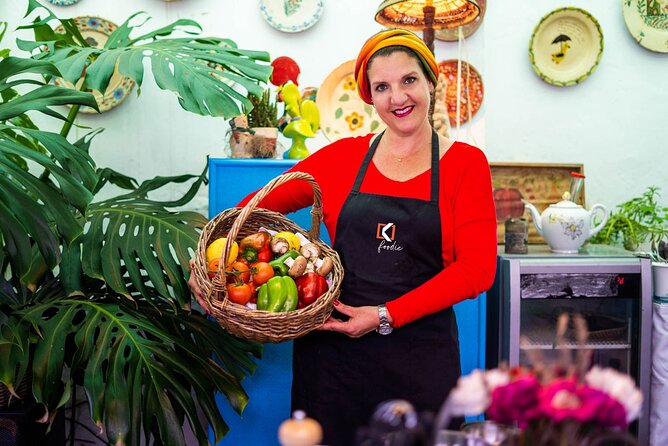
A short trip from Lisbon takes you to Katija’s 100-year-old family home in the village of Valejas, where a Portuguese meal becomes a doorway into local customs, family stories, and everyday life. You help prepare food, then sit around the table to eat it with wine, tea, and conversation.
I like the small group limit of six and the way menus can change with the season or your dietary needs. I also like the personal touches: fresh herbs from the garden, family artifacts, and an exclusive recipe e-book sent after the experience. The main drawback is that this is a relaxed cooking demonstration, not a serious chef-training class, so you may do only a few of the more complex steps yourself.
In This Review
- Key points to know before booking
- Leaving Lisbon for the village of Valejas
- Crossing the threshold of a century-old home
- Starting with Portuguese snacks and a welcome drink
- Preparing a seasonal recipe with Katija
- Food stories that make the meal meaningful
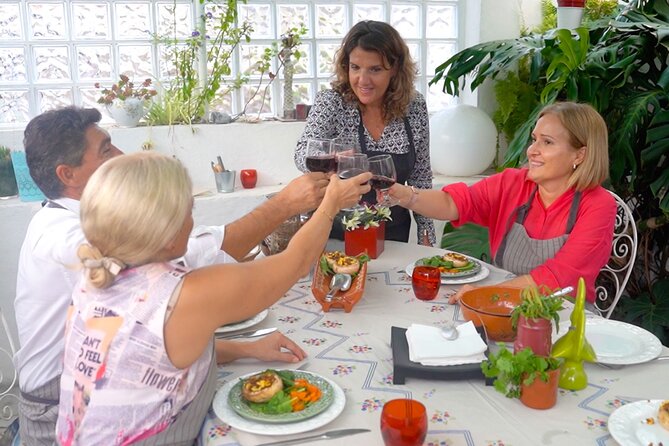
- Sitting down to a full Portuguese lunch
- The recipe e-book is useful after you return home
- How the experience handles dietary needs
- Who will enjoy this Lisbon cooking experience
- Practical details for planning the afternoon
- Should you book Portuguese flavors in a typical village home?
- FAQ
- Where does the cooking experience take place?
- How far is the village from Lisbon?
- What time does the activity start?
- How long does the experience last?
- How many people can join?
- What food and drinks are included?
- Can the menu accommodate allergies or dietary preferences?
- Is transportation included?
Key points to know before booking
- A village home near Lisbon: Reach Valejas in about 20 minutes from the city by car, with public transportation nearby.
- Katija is the host: She leads the cooking, shares family stories, and explains how Portuguese food connects to the country’s past.
- Small groups only: The experience is limited to six people, making conversation and hands-on cooking easier.
- Seasonal, adaptable food: Recipes can be changed for the season, allergies, dietary restrictions, and personal preferences.
- A complete meal is included: You receive appetizers, a main course, dessert, red and white wine, tea, and water.
- Allow for a leisurely afternoon: The advertised duration is about three hours, but the relaxed pace can stretch closer to three or four.
Leaving Lisbon for the village of Valejas
The appeal begins with the change of setting. You leave the city behind and arrive in a small village in the Lisbon area, close enough for an easy half-day outing but far enough to feel removed from the usual sightseeing circuit.
The meeting point is Igreja de São Bento de Valejas in Barcarena, at 1 p.m. The activity finishes back at the same point. You can reach the area by car or train, and the meeting point is near public transportation. A pickup from the nearest train station may sometimes be offered, but private transportation is not included, so you should confirm the exact route and transfer details before setting out.
This location works well if your Lisbon plans already include Sintra or Cascais. It is also useful for anyone who wants a quieter afternoon between museum visits and city walks. Just leave enough time for the journey. A cooking appointment is not the place to arrive breathless or late.
The experience requires good weather. That matters because part of the activity may take place in the garden or outdoor kitchen area. In poor weather, the date may be changed or you may receive a full refund. Even when rain moves the cooking indoors, the home itself remains central to the experience.
Other Lisbon days travellers weigh against this one:
- Lisbon City Center Tour – The Unmissable Lisbon
★ 5.0 · 22,234 reviews - Lisbon: Sintra, Pena, Regaleira, Cabo da Roca & Cascais
★ 4.7 · 19,656 reviews - Sintra: Pena Palace and Park Entrance Ticket
★ 4.2 · 17,410 reviews
Crossing the threshold of a century-old home
Katija welcomes you into a private home that has been connected to her family for roughly a century. This is not a restaurant dressed up as a local house. The setting is informal, personal, and domestic, which is exactly why the atmosphere feels different from a standard cooking school.
You may see family photographs and objects connected to her grandfather and other relatives. Katija also explains the home’s place in the village and shares stories tied to her family. These details give the meal a sense of time and place without turning the afternoon into a formal history lecture.
The house setting also sets expectations. You are not signing up for polished studio kitchens, matching uniforms, or a tightly timed sequence of professional demonstrations. You are visiting someone’s home. The charm is in the warmth and conversation, though anyone expecting a highly structured culinary course may find the presentation informal.
The maximum group size of six is important here. With only a few people at the table, you have a reasonable chance to ask questions and talk with Katija directly. Some dates may include another couple or a small family. If you are lucky, the group dynamic becomes part of the pleasure.
Starting with Portuguese snacks and a welcome drink
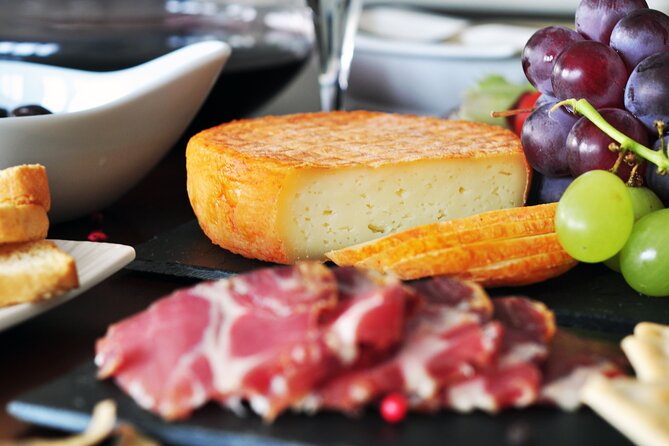
The meal begins with simple Portuguese starters: olives, cheese, local jam, and toast. You receive a welcome drink of local tea, wine, or water, followed by red or white wine, tea, and water with the meal.
This opening course is a useful introduction to the Portuguese habit of petiscos, small bites that encourage people to linger and talk. Do not think of it as a wine tasting. Wine is included with the meal, but the focus is food, cooking, and culture rather than comparing bottles or learning formal tasting notes.
One memorable detail is the possibility of tea made from lemon verbena picked in the garden. That small act says more about the experience than a long list of included features. Ingredients are not treated as anonymous supermarket items. They may come from nearby sources or from Katija’s own garden, depending on the season.
The food can also reflect Portuguese connections beyond the mainland. Katija has spoken about growing up in a Portuguese colony and about the many influences that have shaped the country’s cooking. You may discuss bacalhau, the dried salted cod that appears in countless Portuguese dishes, or learn how seafood, beans, rice, herbs, and cured meats fit into home cooking.
Preparing a seasonal recipe with Katija
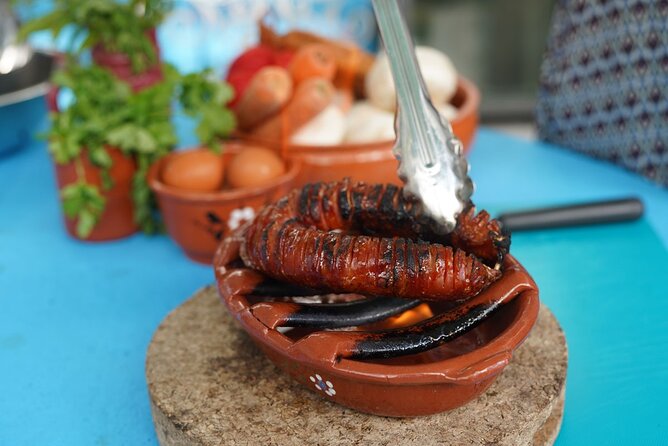
The main dish changes. Katija adapts the menu to the time of year, dietary restrictions, allergies, and preferences. Possible dishes described through the experience include seafood rice, octopus rice, beans with squid, chorizo and vegetables with garlic rice, soup, and preparations involving bacalhau.
That variety is a plus if you want food that feels connected to the moment rather than a fixed menu repeated every day. It also means you should not book expecting one specific dish unless you confirm it in advance.
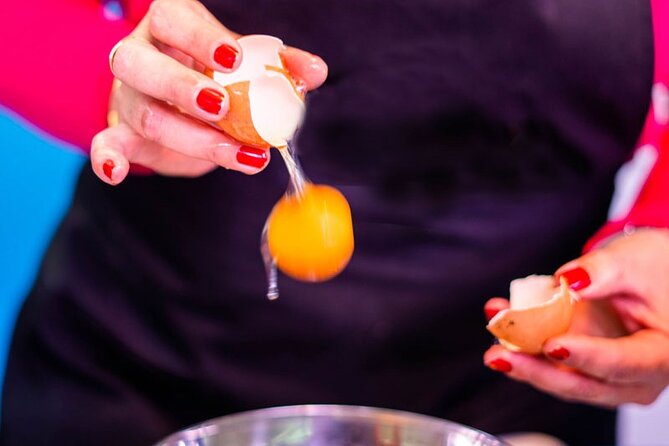
The cooking itself is participatory, but the amount of hands-on work can vary. You might slice peppers and onions, prepare aromatics, add rice or seafood to a pot, pick herbs, or help with other manageable tasks. Some ingredients may already be prepared before you arrive, allowing the meal to stay within the three-hour schedule.
This is where the experience deserves an honest description. You will learn traditional recipes and take part in preparing the meal, but it is not necessarily an advanced class. The recipes may be straightforward, and Katija may handle several technical stages herself. That is not a problem if your goal is to understand Portuguese home cooking and enjoy a shared meal. It could disappoint you if you want detailed knife work, multiple complex dishes, or intensive instruction from start to finish.
The relaxed pace is part of the design. Cooking is mixed with stories about Portugal, food traditions, family life, and the village. You will have time to talk rather than rush from one station to another. For many people, that social rhythm is more valuable than learning a long list of techniques.
A different kind of day out, same corner of Portugal:
- Lisbon: Jerónimos Monastery Entrance Ticket
★ 4.1 · 14,164 reviews - Lisbon: History, Stories and Lifestyle Walking Tour
★ 4.8 · 10,902 reviews - Lisbon: Sunset Boat Party Cruise with DJ and Open Bar
★ 4.5 · 10,378 reviews - Lisbon: Pena Palace, Sintra, Cabo da Roca, & Cascais Daytrip
★ 4.7 · 9,981 reviews
Food stories that make the meal meaningful
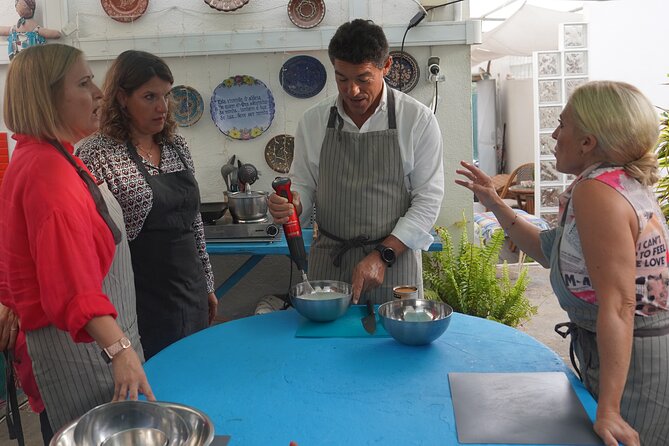
Portuguese cuisine is often shaped by practicality. Dishes use what families could preserve, grow, catch, or afford. Salted cod lasted without refrigeration. Beans added substance. Rice carried seafood and aromatics through a shared family meal. Chorizo brought smoke and spice to simple ingredients.
Katija uses dishes like these to explain Portugal’s food culture. A recipe is not just a set of instructions. It can show how trade, colonial connections, fishing, agriculture, preservation, and household economy shaped what appeared on Portuguese tables.
This context is one of the strongest reasons to choose the experience. You can eat bacalhau in a Lisbon restaurant without knowing why it became so important. You can order octopus rice without hearing how a home cook thinks about the dish. Here, the food arrives with a personal explanation and a place at the table.
You should also expect conversation that goes beyond cooking. Katija’s style is warm and open, and the afternoon may include talk about travel, children, family, and daily life. That personal exchange is difficult to schedule or guarantee, but the experience is clearly built around it.
Sitting down to a full Portuguese lunch
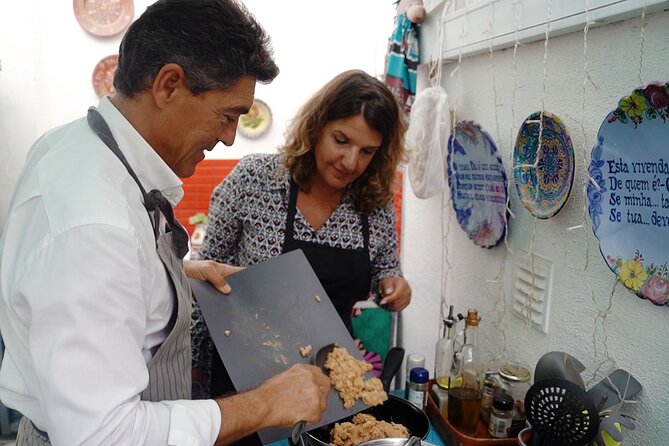
Once the main dish is ready, you sit down to eat. Lunch includes the starters, main course, dessert, and drinks, so the $106.65 price is not just paying for an hour of instruction. It covers food, wine, hospitality, use of a private home, preparation before your arrival, and the time spent talking with you.
The value depends on what you want. If you compare it with a basic market cooking class where you prepare one inexpensive dish, the price may feel high. If you compare it with a private cultural visit that includes a complete home-cooked meal, drinks, personal storytelling, and a small group, the cost becomes easier to understand.
Portions appear generous. One meal described included appetizers, seafood, rice, and dessert, with enough food to leave people comfortably full. The exact menu changes, so you should not rely on any single dish appearing on your date.
Dessert is selected from Portugal’s wide range of traditional sweets. It may use eggs and dairy, or it may involve cooked fruit with a special touch. A simple dessert described during the experience combined whipped cream, coffee, and biscuits. If you have dietary restrictions, raise the issue when booking so the dessert can be adjusted where possible.
The recipe e-book is useful after you return home
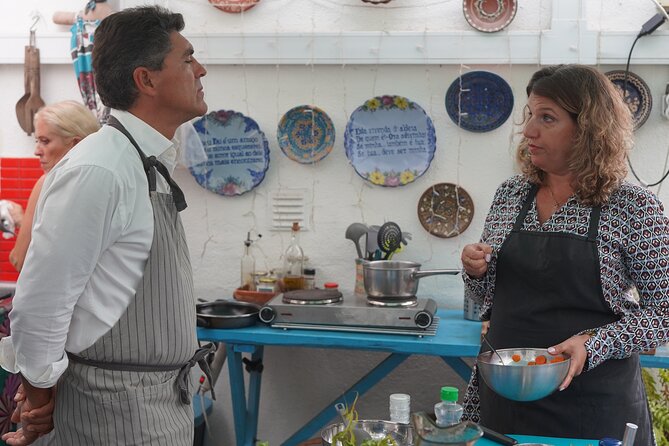
A thoughtful extra is the exclusive recipe e-book sent after the experience, following your feedback. It includes the recipes prepared during your visit and may include additional dishes offered in the cooking sessions.
This makes the class more useful than a meal that disappears as soon as you fly home. Octopus rice, seafood rice, or a Portuguese bean dish can become part of your own kitchen routine. The e-book cannot replace watching the cooking in person, but it gives you a written starting point.
Take notes while you are there. Ask about substitutions, cooking times, and what ingredients might be difficult to find outside Portugal. Since the menu changes, your e-book may be especially valuable if it records the particular meal prepared on your date.
How the experience handles dietary needs
The menu is adapted for dietary restrictions and preferences. One couple received a change to accommodate a food allergy, and the host emphasizes that everyone should feel safe and included at the table.
Still, you should communicate clearly before arrival. State allergies, intolerances, vegetarian requirements, dislikes, and whether you drink alcohol. The included drinks are wine, tea, and water, and the welcome drink may be tea, wine, or water.
Do not assume that every traditional Portuguese recipe can be adjusted without changing the dish. Seafood, eggs, dairy, cured meats, and bread appear often in Portuguese cooking, so early notice gives Katija more room to plan a suitable menu.
Who will enjoy this Lisbon cooking experience
I would choose this for you if you value personal contact more than a polished classroom. It suits couples, families, solo visitors, and small groups who want to meet a local person and share an unhurried meal.
It is also a good pick for a parent and child who already enjoys cooking. A 12-year-old participant especially enjoyed the hands-on setting, and the small group format can help younger cooks stay involved.
Food lovers will appreciate the seasonal approach and the chance to try dishes they might otherwise avoid. Octopus, squid, bacalhau, chorizo, seafood, and beans all appear in the wider range of meals associated with the experience. If you are cautious about unfamiliar food, the informal setting gives you a friendly way to ask questions before tasting.
You may want a different activity if you expect a professional culinary school, a market tour, a wine seminar, or a precise multi-course lesson. The class is elementary at times, and some of the cooking may be demonstration rather than extended practice.
Practical details for planning the afternoon
The advertised duration is approximately three hours, but plan for three to four hours. Conversation can continue after the meal, and the pace is intentionally relaxed.
The activity is offered in English and uses a mobile ticket. Confirmation is provided when you book. Service animals are allowed, and the meeting point is near public transportation.
The tour is recommended by 98 percent of customers and has a 4.9 rating from 40 reviews. Those numbers suggest a consistently strong experience, but the more useful point is what they reveal about the fit: the strongest reactions focus on Katija’s warmth, the intimate home setting, the meal, and the connection between food and Portuguese culture.
Free cancellation is available up to 24 hours before the start time for a full refund. Changes or cancellations inside that window are not accepted for a refund. Since good weather is required, a weather cancellation offers either another date or a full refund.
Should you book Portuguese flavors in a typical village home?
Book it if you want a small, personal food experience rather than a standard city cooking class. The short trip from Lisbon opens the door to a quieter village, and the home setting gives the meal a human story.
At $106.65, it is not the cheapest way to eat lunch in Portugal. You are paying for the host’s time, the private setting, fresh ingredients, drinks, cultural conversation, and the follow-up recipe e-book. For a special afternoon, that can be fair value.
Skip it if your main goal is advanced technique or a long list of dishes you prepare entirely yourself. Otherwise, this is a strong choice for couples, families, and curious eaters who want to understand Portuguese food through one welcoming table.
FAQ
Where does the cooking experience take place?
It takes place at Igreja de São Bento de Valejas in Barcarena, Portugal, in a small village near Lisbon.
How far is the village from Lisbon?
The village is described as approximately 20 minutes from Lisbon. It is also accessible from Sintra or Cascais by car or train.
What time does the activity start?
The start time is 1 p.m.
How long does the experience last?
The advertised duration is approximately three hours. You should allow three to four hours because the meal and conversation follow a relaxed pace.
How many people can join?
The experience has a maximum of six people.
What food and drinks are included?
You receive Portuguese appetizers, a seasonal main course, dessert, red and white wine, tea, and water.
Can the menu accommodate allergies or dietary preferences?
Yes. Katija adapts the menu for the season, dietary restrictions, allergies, and personal preferences. You should provide those details when booking.
Is transportation included?
No. Private transportation is not included. The meeting point is near public transportation, and a pickup from the nearest train station may be available, but you should confirm that arrangement in advance.
Recently reviewed around Lisbon
- Lisbon: Catamaran Luxury Sunset and Wine Tour★ 5.0 · 119 reviews
- Lisbon’s authentic Food and Wine tour with a Winemaker★ 5.0 · 67 reviews
- Morning Sailing Tour in Tagus River from Lisbon★ 5.0 · 68 reviews
- Lisbon: Belem Walking Tour with Jeronimos Monastery Tks Included★ 5.0 · 115 reviews
- PRIVATE Unforgettable Full Day Tour to Sintra from Lisbon★ 5.0 · 236 reviews
- Sesimbra Wild Beach Tour from Lisbon★ 5.0 · 57 reviews
- Private Jeep Tour from Lisbon – Arrábida, Sesimbra & Beach Picnic★ 5.0 · 48 reviews
- Discover Lisbon’s Alfama: Secrets of the Old Town★ 5.0 · 104 reviews
Lisbon Tours, compared.

Lisbon City Center Tour – The Unmissable Lisbon
Read our review →
Sintra, Pena, Regaleira, Cabo da Roca & Cascais
Read our review →


Sunset Boat Party Cruise with DJ and Open Bar
Read our review →
Pena Palace, Sintra, Cabo da Roca, & Cascais Daytrip
Read our review →