Reviewed · LISBON TOURS
Lisbon’s Post-Colonial Feast
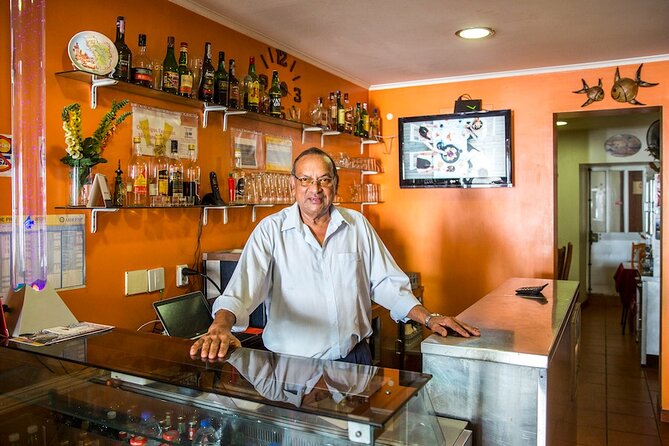
Lisbon’s Post-Colonial Feast is a food walk with a serious subject at its center: how slavery, repression, and colonial rule shaped Portugal and the cuisines connected to it. You move through central neighborhoods, stop for regional specialties, and learn why Brazilian, Goan, Angolan, and other food traditions belong in the story of Lisbon.
I like the small maximum of seven people, which makes conversation with the guide and other participants much easier. I also like the clear link between each bite and Portugal’s past, rather than treating food as a string of unrelated snacks. The main consideration is the price, $150 per person, and the fact that the tour requires about five hours, good walking stamina, and an appetite.
In This Review
- Key points to know before booking
- Why this Lisbon food walk is different
- Starting at Praça do Chile at 11 a.m.
- Paço da Rainha and the first taste of the city
- Campo dos Mártires da Pátria and Lisbon’s difficult past
- Avenida da Fonte Luminosa and the main theme
- Jardim do Torel and the next bite
- Largo de São Domingos and the biggest tasting stop
- What you will eat and what the food explains
- The guide and the value of seven people
- Walking, timing, and practical comfort
- Who should book this experience
- Is Lisbon’s Post-Colonial Feast worth $150?
- FAQ
- How long does Lisbon’s Post-Colonial Feast last?
- What time does the tour begin?
- Where does the tour meet?
- Where does the tour finish?
- How many people can join the tour?
- Is the tour offered in English?
- What happens if I need to cancel?
Key points to know before booking
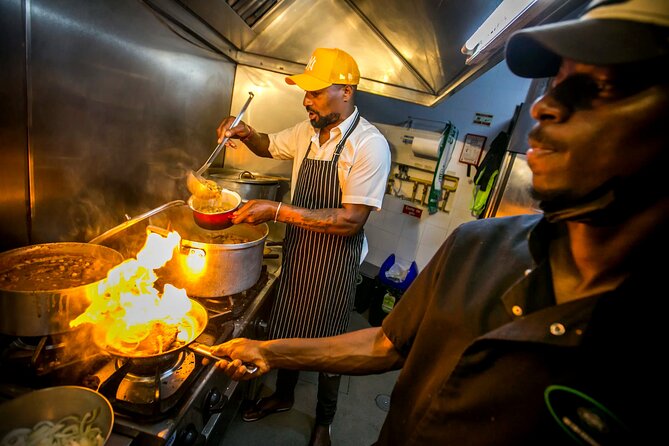
- The food tells a colonial story: Expect chocolate, chorizo stew, and specialties connected with former Portuguese colonies.
- The group is capped at seven: This suits people who prefer a personal walk over a large food crawl.
- The subject is not sugar-coated: Slavery, exploitation, and repression are part of the discussion.
- The route reaches beyond standard Lisbon stops: Paço da Rainha, Campo dos Mártires da Pátria, Avenida da Fonte Luminosa, Jardim do Torel, and Largo de São Domingos all form part of the day.
- A guide can make the difference: Celia has led the experience and was praised for explaining the food and cultural mix with warmth and clarity.
- Plan for a full late morning and afternoon: The walk begins at 11 a.m., returns to the starting point, and takes approximately five hours.
Why this Lisbon food walk is different

Many food tours in Lisbon focus on familiar Portuguese favorites. This one asks a harder and more useful question: why does Portuguese food taste the way it does, and who helped shape it?
That means the food is not simply a reward between sightseeing stops. Chocolate, stews, and regional dishes become clues to Portugal’s links with Brazil, Goa, Angola, and other former colonies. You also hear about the human cost behind those links, including slavery and exploitation.
I appreciate that balance. A food tour can easily turn colonial history into a pleasant backdrop, but this experience makes the past part of the meal. It is best for you if you want context with your lunch and do not mind discussing uncomfortable chapters of Portuguese history while eating.
The tour has earned a 5 out of 5 rating from 88 ratings, with 100 percent of participants recommending it. The strongest praise centers on the combination of food and history, the guide’s grasp of mixed cultural influences, and the surprise of finding unfamiliar neighborhoods and cuisines in Lisbon.
Other Lisbon days travellers weigh against this one:
- Lisbon City Center Tour – The Unmissable Lisbon
★ 5.0 · 22,234 reviews - Lisbon: Sintra, Pena, Regaleira, Cabo da Roca & Cascais
★ 4.7 · 19,656 reviews - Sintra: Pena Palace and Park Entrance Ticket
★ 4.2 · 17,410 reviews
Starting at Praça do Chile at 11 a.m.
The meeting point is Praça do Chile 2, in Lisbon, and the start time is 11 a.m. The activity ends back at the same meeting point, which makes your onward plans easier than a tour that leaves you across town.
The location is near public transportation, a useful detail if you are staying outside the immediate center. You receive a mobile ticket, and confirmation comes at booking. Since the route lasts about five hours, I would avoid scheduling a museum, train, or timed attraction immediately afterward.
The group limit matters here. With no more than seven people, you can hear the guide without fighting for space, ask questions about the food, and get to know the others in the group. One group included six people, with two Portuguese participants who had been visiting Lisbon for decades but still found neighborhoods they had not explored.
That is a good sign for the route. You are not limited to the postcard version of Lisbon, even if you have already seen the main squares and viewpoints.
Paço da Rainha and the first taste of the city
The first listed stop is Paço da Rainha, where you spend about 45 minutes taking in the surroundings on the way to a food stop. Admission is free, so the value here comes from the guide’s interpretation and the route itself rather than an included monument ticket.
This opening section gives you time to settle into the pace. You can expect the guide to introduce the day’s theme while pointing out parts of Lisbon that help place the city’s communities and food traditions in context.
Do not think of this as a conventional attraction visit. The stop is more about walking through the city and noticing how history sits alongside everyday life. The food begins to make more sense when you are first given a picture of the places and people connected to it.
Campo dos Mártires da Pátria and Lisbon’s difficult past
The walk continues to Campo dos Mártires da Pátria, another roughly 45-minute section. Here the emphasis is on Lisbon’s history and culture, including the less comfortable parts of Portugal’s relationship with its former colonies.
This is where the tour’s title becomes more than a marketing label. Portugal’s overseas power brought ingredients, cooking methods, people, and wealth back to Lisbon, but it also relied on coercion and unequal systems. A useful food tour should let you enjoy the flavors while still explaining the cost behind those exchanges.
The setting also gives you a chance to see a part of Lisbon away from the most heavily visited routes. If your idea of a food walk is simply moving between famous restaurants, this may feel different. The history and neighborhood walking are central parts of the experience, not filler.
A different kind of day out, same corner of Portugal:
- Lisbon: Jerónimos Monastery Entrance Ticket
★ 4.1 · 14,164 reviews - Lisbon: History, Stories and Lifestyle Walking Tour
★ 4.8 · 10,902 reviews - Lisbon: Sunset Boat Party Cruise with DJ and Open Bar
★ 4.5 · 10,378 reviews - Lisbon: Pena Palace, Sintra, Cabo da Roca, & Cascais Daytrip
★ 4.7 · 9,981 reviews
Avenida da Fonte Luminosa and the main theme
At Avenida da Fonte Luminosa, the guide discusses the theme of the day while you take in the sights. The listed stop lasts about 45 minutes, though the full activity includes walking and food breaks between the named locations.
This is an important part of the tour because it helps connect individual dishes to wider cultural movement. Food from Brazil or Goa may not be the first thing you associate with eating in Portugal, yet those links are part of the country’s modern food culture.
The experience is particularly useful if you tend to look at food as a record of migration and power. You are not just told that a dish has foreign influence. You are encouraged to consider how those influences reached Portugal, how colonial rule affected the source regions, and how those traditions are understood in Lisbon today.
Jardim do Torel and the next bite
The route then reaches Jardim do Torel, a scenic stop where another food specialty is introduced. The listed time is about 45 minutes, and admission is free.
This section gives the day a welcome change of pace. After the more serious historical discussion, a garden setting offers room to pause, eat, and talk. The exact food available can vary, but the advertised spread includes chocolate, chorizo stew, and a range of regional delicacies.
I would not book this expecting a fixed tasting menu with every dish guaranteed in the same order. One useful detail from the experience is that an Angolan restaurant had closed unexpectedly, so that stop was not available to one group. The meal still provided plenty of food, but this is a reminder that independent restaurants and local food businesses can change.
That uncertainty is part of the trade-off with a tour built around living food communities. You may get a more genuine picture of Lisbon’s food scene, but no operator can fully control restaurant openings or last-minute changes.
Largo de São Domingos and the biggest tasting stop
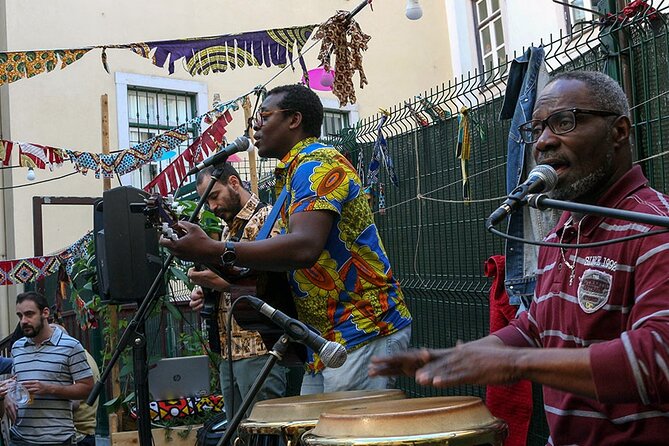
The final listed stop is Largo de São Domingos, where you spend about an hour sampling specialties in a historic square. This is the longest single stop and likely the point at which the food side of the tour takes center stage.
The tasting can include food linked to Brazilian and Goan traditions, along with Portuguese dishes and other regional flavors. The goal is comparison. You can notice how ingredients and techniques have crossed borders, then hear how the colonial relationship affected those exchanges.
Come hungry. The food is substantial enough that one group was already very full after the scheduled stops, even without the Angolan restaurant visit. That makes the $150 cost easier to judge, since you are paying for more than a few small nibbles. You are also buying a guide-led history walk, several hours of neighborhood exploration, and a small group setting.
Still, the price is not a bargain in the usual Lisbon food-tour sense. If you mainly want inexpensive cod, pastries, or a quick introduction to Portuguese staples, cheaper options are available. This tour earns its higher price through its subject, route, guide attention, and number of tastings.
What you will eat and what the food explains
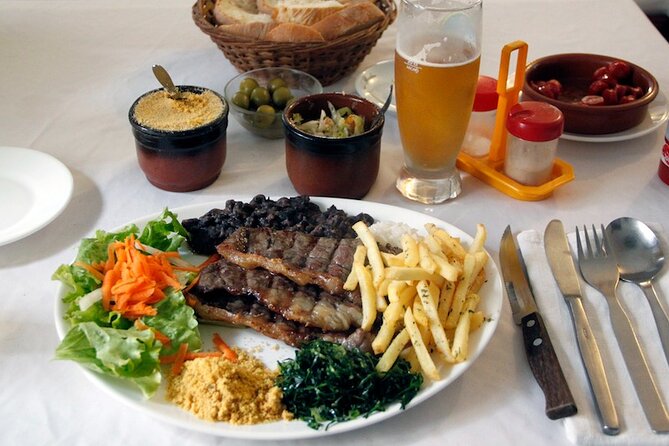
The advertised food includes chocolate, chorizo stew, and a broad selection of regional delicacies. The culinary focus also reaches beyond mainland Portuguese cooking, with particular attention to Brazilian and Goan food and, when possible, Angolan cuisine.
That range is the point. You are shown how Lisbon’s food culture is not sealed off from the rest of the Portuguese-speaking world. Recipes, ingredients, and cooking habits have moved in both directions, though not under equal conditions.
The best way to approach the tastings is with curiosity. You may recognize some ingredients but encounter them in a form you did not expect. You may also find that the guide spends as much time explaining the people and places behind a dish as describing its flavor.
I would not choose this tour for a picky eater who wants complete control over every course. The exact mix can change, and the experience works best when you are open to regional foods and unfamiliar culinary traditions.
The guide and the value of seven people
A guide is especially important on this walk because the history needs care. Celia led one group and was praised for being warm and well informed about the mixed cultures and foods that shaped Portugal. Her role was not just to lead people from one bite to the next, but to explain the links between cuisine, colonization, and present-day Lisbon.
A seven-person limit gives the guide room to adapt. If you ask about a particular former colony, a dish, or a neighborhood, you are more likely to get a real answer than a rehearsed line delivered to a crowd.
The small size also helps if you are visiting alone or as a couple. Food walks can feel awkward when everyone stays inside their own travel group, but a group of seven naturally creates chances for conversation. The experience suits people who enjoy sharing a table and discussing what they are tasting.
Walking, timing, and practical comfort
The activity is approximately five hours and includes several 45-minute sections, followed by an hour at Largo de São Domingos. The published stop times add up to less than five hours, so the remaining time is likely used for walking, transitions, and food stops. Allow the full five-hour window.
Most people can participate, and the tour is near public transportation. However, you should still be comfortable spending much of the day on foot and moving between neighborhoods. The supplied information does not give a detailed accessibility description, so contact the operator if you need specific help with mobility or route conditions.
The tour is offered in English. It requires good weather, which matters for a walking route with outdoor stops. If poor weather cancels the activity, you are offered another date or a full refund. The same applies if the minimum number of participants is not reached.
You can cancel without charge up to 24 hours before the start time. Cancellations or changes made inside that window are not refunded or accepted, so keep the local start time in mind.
Who should book this experience
I would recommend this tour to you if you enjoy three things at once: eating, walking, and asking why a place has the culture it does. It is a strong choice for repeat visitors to Lisbon who have already seen the main monuments and want a more local route.
It also suits people with an interest in colonial history, migration, and the Portuguese-speaking world. You do not need specialist knowledge, but you should be ready for an honest discussion of slavery, repression, and exploitation.
Families with older children may enjoy the food and neighborhood route, though the five-hour duration and historical subject may be too much for young children. The small group also works well for couples, solo participants, and friends who prefer a personal experience.
I would look elsewhere if you want a short pastry crawl, a strictly traditional Portuguese menu, or a tour centered on major sights. This is a food and history walk first, not a general sightseeing tour with a few samples added.
Is Lisbon’s Post-Colonial Feast worth $150?
For $150, this is an expensive food walk, but the cost can make sense if you value the full package. You receive about five hours with an English-speaking guide, multiple tastings, neighborhood walking, and a group capped at seven people.
The strongest reason to book is the subject. Brazilian and Goan food may not be on your first Lisbon itinerary, yet this tour shows why they belong in the city’s story. The experience also gives you a way to think about Portuguese cuisine without ignoring the harm and inequality that shaped its global reach.
I would book it if you want an informed, personal introduction to Lisbon’s post-colonial communities and are happy to let the food lineup vary. I would skip it if your main goal is the cheapest possible meal or a predictable list of classic Portuguese dishes.
FAQ
How long does Lisbon’s Post-Colonial Feast last?
The experience lasts approximately five hours.
What time does the tour begin?
It starts at 11 a.m.
Where does the tour meet?
The meeting point is Praça do Chile 2, 1170 Lisboa, Portugal.
Where does the tour finish?
The activity ends back at the meeting point.
How many people can join the tour?
The tour has a maximum of seven participants.
Is the tour offered in English?
Yes, the tour is offered in English.
What happens if I need to cancel?
You can cancel up to 24 hours before the start time for a full refund. Cancellations or changes made less than 24 hours before the start time are not accepted, and the amount paid is not refunded.
Recently reviewed around Lisbon
- Lisbon: Catamaran Luxury Sunset and Wine Tour★ 5.0 · 119 reviews
- Lisbon’s authentic Food and Wine tour with a Winemaker★ 5.0 · 67 reviews
- Morning Sailing Tour in Tagus River from Lisbon★ 5.0 · 68 reviews
- Lisbon: Belem Walking Tour with Jeronimos Monastery Tks Included★ 5.0 · 115 reviews
- PRIVATE Unforgettable Full Day Tour to Sintra from Lisbon★ 5.0 · 236 reviews
- Discover Lisbon’s Alfama: Secrets of the Old Town★ 5.0 · 104 reviews
- Sesimbra Wild Beach Tour from Lisbon★ 5.0 · 57 reviews
- Private Jeep Tour from Lisbon – Arrábida, Sesimbra & Beach Picnic★ 5.0 · 48 reviews
Lisbon Tours, compared.
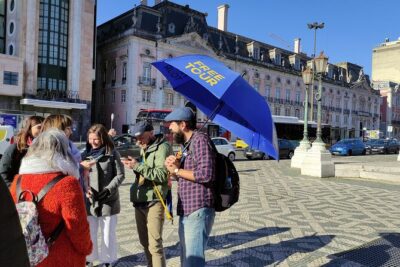
Lisbon City Center Tour – The Unmissable Lisbon
Read our review →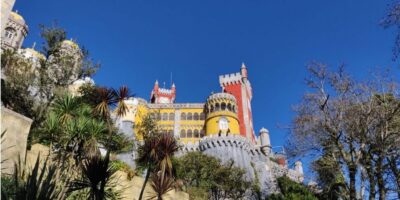
Sintra, Pena, Regaleira, Cabo da Roca & Cascais
Read our review →

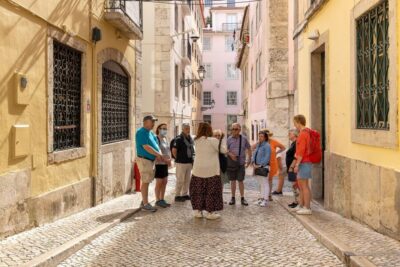

Sunset Boat Party Cruise with DJ and Open Bar
Read our review →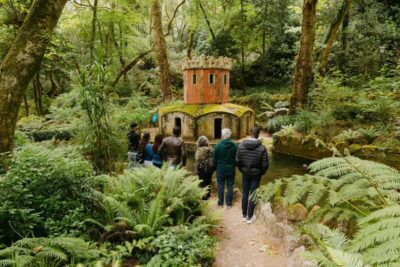
Pena Palace, Sintra, Cabo da Roca, & Cascais Daytrip
Read our review →