Reviewed · PRIVATE
Tour Évora and Alentejo in a private tour
Évora’s biggest surprise may be the cork factory, not the famous Roman Temple. You’ll see cork oak bark turned into wine stoppers, bags, shoes, wall coverings, and other goods, then spend the afternoon walking through one of Portugal’s finest walled towns. It makes a long day feel varied rather than like a single monument stop.
I like the private format, which lets you slow down for a cathedral roof, change the lunch plan, or skip a sight that does not interest you. I also like the guides, especially João and Anastasiya, who are praised for clear storytelling, prompt replies, good English, and an easygoing approach.
The main drawback is distance. Évora is about an hour and a half from Lisbon each way, so a substantial part of this nine-hour outing happens in the vehicle. If you want a relaxed look at Alentejo, it works well. If you dislike long road trips, consider staying overnight in Évora instead.
In This Review
- At a glance
- Why the cork factory is the day’s surprise
- The long road from Lisbon to Alentejo
- Entering Évora through the walled center
- The Água de Prata Aqueduct and Évora’s water supply
- Inside the Chapel of Bones
- São Francisco and the symbols of Portugal’s sea age
- Giraldo Square, Graça Church, and the central streets
- The Roman Temple and Diana’s Garden
- Évora Cathedral and the optional tower climb
- Lunch, shopping, and the value of flexibility
- Is $169.31 a fair price?
- Who should book this private day trip?
- Should you book it?
- FAQ
- How long is the Évora and Alentejo tour?
- Where can pickup and drop-off take place?
- Is transportation included?
- Is lunch included in the price?
- Are monument entrance fees included?
- Can I cancel the tour for a full refund?
At a glance
- See cork made in Alentejo: Visit Corticarte and follow cork from tree bark to finished products.
- Walk inside medieval walls: Évora’s old center covers 107 hectares and preserves more than three kilometers of walls.
- Visit the Chapel of Bones: Human bones and skulls line this small, solemn chapel, admission extra.
- Pair Roman and Christian Portugal: The Temple of Diana and Évora Cathedral sit close together in the historic center.
- Set your own pace: A private vehicle and guide make it possible to adjust lunch, timing, and emphasis.
- Plan for extra costs: Lunch and monument tickets are not included. Museum tickets are listed at €10 per person.
Why the cork factory is the day’s surprise
The visit to Corticarte, a traditional cork workshop, gives the excursion a useful connection to the countryside you pass on the road from Lisbon. Instead of simply looking at souvenirs in a shop, you learn how cork is harvested, sorted, prepared, and made into practical goods.
The cork oak is central to Portugal’s rural economy. Its bark grows back after removal, and the bark is generally taken every nine years. At maturity, it can reach about 25 centimeters in thickness. Portugal accounts for 55 percent of world cork production, making this more than a quirky local craft.
You’ll learn why cork works so well for wine bottles. Its structure allows tiny amounts of oxygen to reach the wine, helping it age while keeping its quality. The same material can resist heat, cold, and fire, which explains its use in flooring, wall coverings, sporting goods, fishing rod handles, and decorative objects.
The factory visit lasts about an hour, and admission is included. The setting is described as a working facility rather than a polished museum, which is part of its appeal. You may see the process in a hands-on, practical setting, then browse cork purses, shoes, chairs, fabric-like material, and other products.
I would give this stop your full attention even if you booked the tour mainly for Évora. Several parts of the city are visually impressive, but the cork visit explains something distinctly Portuguese that you are unlikely to understand from a standard city walk.
More Lisbon trips worth a second look
- True 4Hour Private Tuk Tuk Tour: Discover Lisbon with a Local!
★ 5.0 · 8,008 reviews - Lisbon: Private Guided Tuk-Tuk Tour with Hotel Pickup
★ 4.9 · 4,552 reviews - Private Lisbon Sightseeing Tuk-Tuk Tour: Alfama, Belém & More
★ 5.0 · 4,277 reviews
The long road from Lisbon to Alentejo
Pickup begins around 8:30 a.m. at your hotel, apartment, or cruise port. You ride in an air-conditioned vehicle with private transportation, WiFi, and a guide accompanying you throughout the day.
The journey to Évora takes roughly an hour and a half in each direction. That makes the nine-hour schedule feel full, but the drive also gives your guide room to explain Portugal, the Alentejo region, cork production, and sights along the route.
João Costa is praised for humor, fluent English, and broad knowledge of Portugal and the Iberian Peninsula. Anastasiya is described as patient, kind, punctual, and good at adjusting the day to suit the group. The supplied information also names Xavier and Pedro in related tour experiences, so your exact guide can vary.
The private arrangement matters here. You are not tied to a large coach schedule, and you can ask for a slower walk, a different lunch style, or more time inside a church. One couple chose small bites rather than a formal meal, while others appreciated having a traditional restaurant arranged for them.
Entering Évora through the walled center
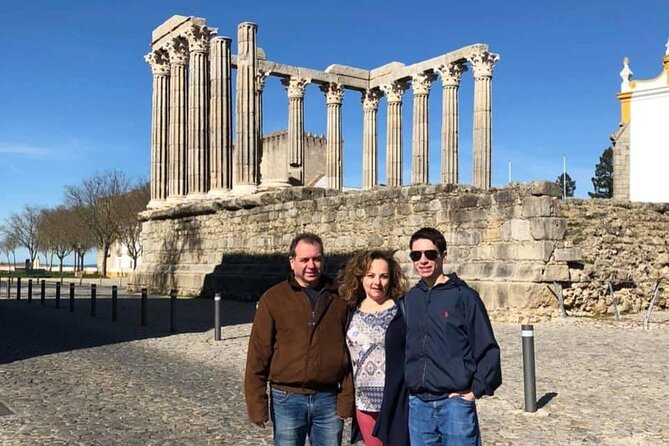
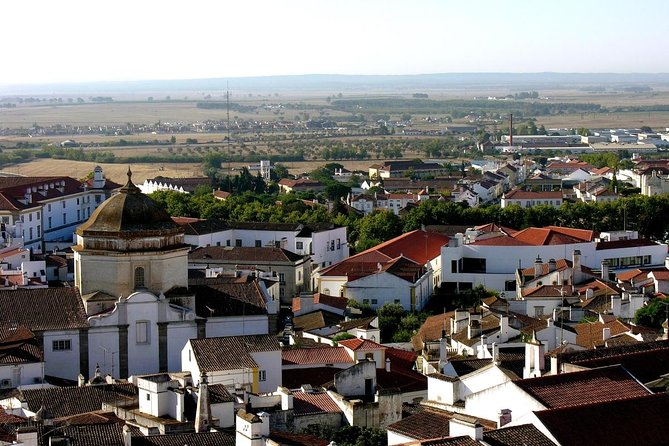
Évora’s historic center is a UNESCO World Heritage site, enclosed by medieval walls and filled with narrow lanes, patios, squares, whitewashed buildings, tiled facades, and wrought-iron balconies. The central area covers about 107 hectares, so this is not a single plaza with a few nearby sights.
The city carries traces of Celtic, Roman, Arab, Jewish, and Christian settlement. It reached a high point in the 15th century, when Portuguese kings lived here. The old center also influenced Portuguese building traditions in Brazil.
The walking portion is not long in any one listed stop, but the sights sit close enough to create a steady sequence of views and stories. Expect uneven old streets, lanes, steps, and church interiors. Comfortable shoes will help, especially if you choose to climb the cathedral tower.
The stated visit to the historic center lasts about 45 minutes, but the full Évora portion includes several additional stops. Since the tour is adjustable, ask your guide how much free time you want for shopping, photographs, or a quiet meal.
The Água de Prata Aqueduct and Évora’s water supply
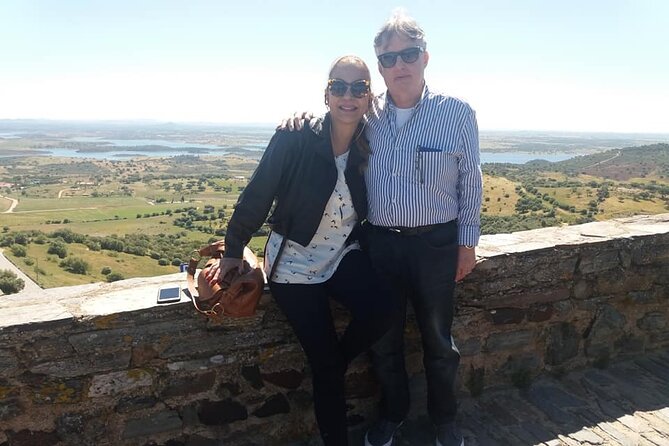
The Água de Prata Aqueduct is a major Renaissance engineering project. Built during the reign of João III and inaugurated in 1537, it was designed and built by royal architect Francisco de Arruda.
The aqueduct carried water from springs near Graça do Divor, connected with the grounds of the São Bento de Castris Convent, to Évora. Its full route extended about 18 kilometers. Some arches remain visible within the city, where the structure can seem almost hidden among later buildings.
This stop is less about entering a monument and more about understanding how Évora functioned. The aqueduct helped supply a city whose importance had outgrown its older water sources. It also links the Roman and Renaissance parts of the visit: both eras required ambitious public works to make urban life possible.
The itinerary does not assign a separate duration or admission charge to the aqueduct. Your guide will likely explain it from viewpoints along the route rather than treat it as a long standalone visit.
A different kind of day out, same corner of Portugal:
- Lisbon City Center Tour – The Unmissable Lisbon
★ 5.0 · 22,234 reviews - Lisbon: Sintra, Pena, Regaleira, Cabo da Roca & Cascais
★ 4.7 · 19,656 reviews - Sintra: Pena Palace and Park Entrance Ticket
★ 4.2 · 17,410 reviews - Lisbon: Jerónimos Monastery Entrance Ticket
★ 4.1 · 14,164 reviews
Inside the Chapel of Bones
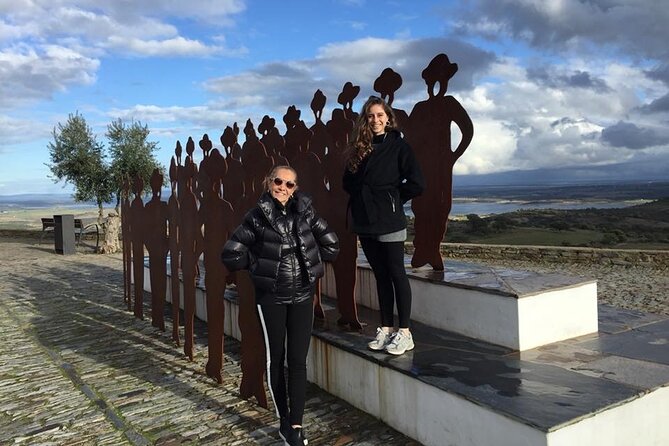
The Chapel of Bones is the most unusual stop. Its walls and pillars are covered with human bones and skulls, said to represent more than 5,000 monks. The sight is deliberately unsettling, but the chapel is meant to prompt reflection on mortality rather than simple shock.
A message at the entrance translates roughly as a reminder that the bones here are waiting for you. That line gives the small chapel its solemn purpose. You should expect a brief visit, not a large complex or a long guided activity.
The chapel takes about 30 minutes. Admission is not included, so keep money aside for entry. This is also the stop most likely to divide opinion. I would not recommend it to anyone uncomfortable with displays of human remains, but if you appreciate historic religious spaces with a serious edge, it is memorable.
The Chapel of Bones is connected with the Church of São Francisco, making the two stops easy to understand together. The church is free to enter according to the tour details.
São Francisco and the symbols of Portugal’s sea age
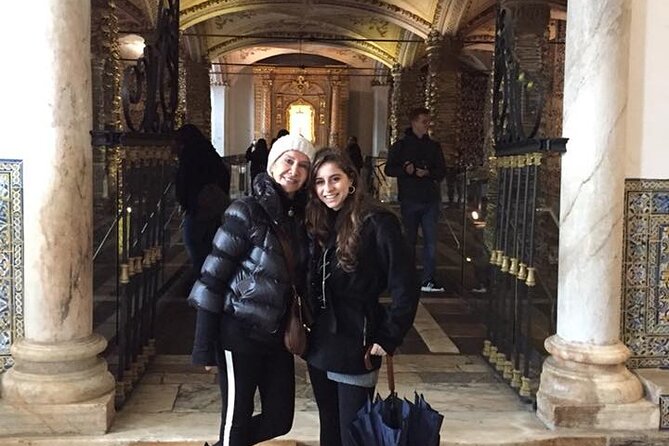
The Church of São Francisco was built between 1480 and 1510 in Gothic-Manueline style. Its stonework and decoration connect it with the era of Portuguese maritime expansion.
Look for the cross of the Order of Christ and the emblems of João II and Manuel I. These symbols are not random decoration. They point to the close ties between royal power, religious institutions, and Portugal’s overseas ambitions.
The visit lasts about 20 minutes. That is enough for an introduction, but not a long art-history lecture. I like this short stop because it gives context to Portugal’s larger story without taking too much time from the city itself.
Giraldo Square, Graça Church, and the central streets
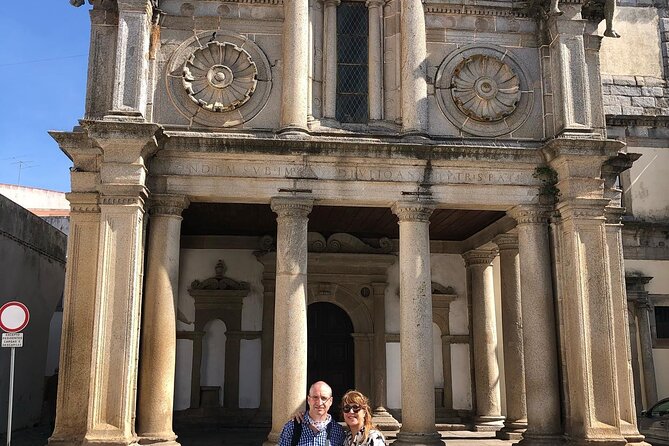
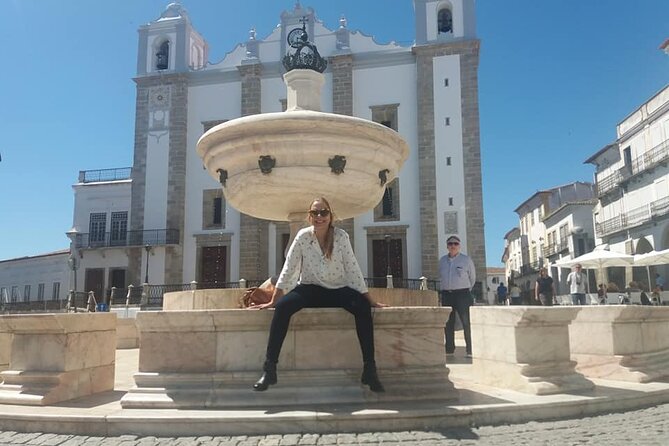
Praça do Giraldo is Évora’s main gathering place and the point where the city’s streets seem to meet. It was built in the late 16th century and named for Geraldo Geraldes, the figure credited with taking Évora from the Moors in 1167.
The square works as a useful orientation point. You can pause here, watch daily life, and begin to understand how the old city is organized. It is also near shops on Rua 5 de Outubro, a good place to look for Alentejo crafts.
The tour also passes the Church of Graça, or Convent of Nossa Senhora da Graça. Founded in 1511 for Augustinian hermits, it is an important Renaissance building designed by Miguel de Arruda. Its facade includes the stone Atlantean figures known locally as the Meninos da Graça.
The itinerary gives the square about 15 minutes and the Church of Graça no separate duration. Treat these as short, focused stops rather than extended interior visits. Their value comes from seeing how Évora’s streets, religious buildings, and public spaces fit together.
The Roman Temple and Diana’s Garden
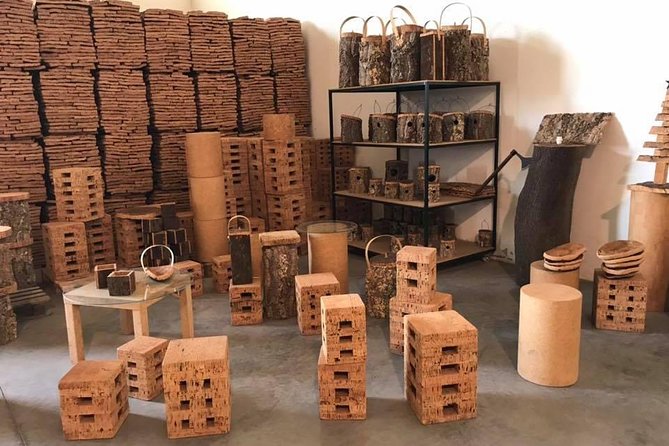
The Roman Temple of Évora, often called the Temple of Diana, is one of the city’s essential sights. Its surviving columns are a clear reminder that Évora mattered long before Portugal became a nation.
The temple is near the cathedral, and the aqueduct can also be seen from this part of the city. The listed visit takes about 15 minutes and has no separate admission fee.
Diana’s Garden sits beside the temple at Largo do Conde de Villa Flor. It is a pleasant place to pause after the tighter streets and darker church interiors. The garden also provides one of the simplest ways to appreciate the Roman remains in relation to the surrounding city.
Do not expect the Roman Temple to fill an entire morning. It is compact, open to the air, and best understood as one piece of a larger walk through Évora.
Évora Cathedral and the optional tower climb
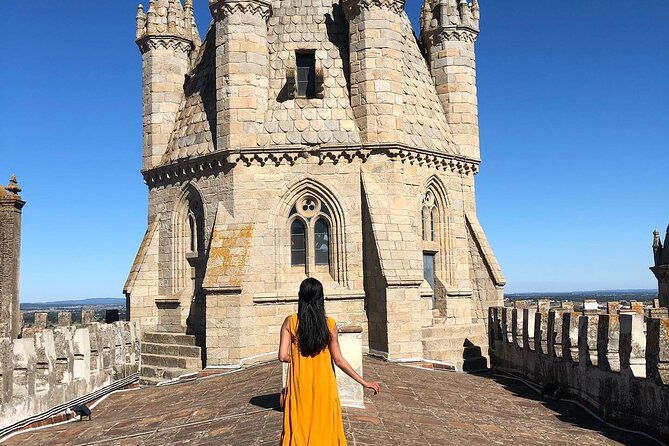
The Cathedral of Évora is the largest and most imposing church on the route. Construction began in 1186, and the cathedral was consecrated in 1204 before completion in 1250. Its granite exterior shows the shift from Romanesque to Gothic design.
Two medieval towers frame the facade. The south tower contains the bells, and the entrance is decorated with 14th-century sculptures of the Apostles by Mestre Pêro. Inside, the crossing tower is especially striking, with a stone-scaled spire dating from the reign of King Dinis.
The cathedral visit lasts about 45 minutes, and admission is not included. Some descriptions of the day mention climbing to the roof or tower for city views. If that option is open during your visit, ask about it early, since steps and weather may affect the experience.
The cathedral is one place where a private guide adds real value. Without explanation, you see granite, towers, and a large medieval interior. With context, you can connect the building’s changing styles, royal links, and location within the old city.
Lunch, shopping, and the value of flexibility
Lunch is not included, so you choose how much to spend. The guide can arrange a traditional Portuguese restaurant, and several accounts describe the meal as a highlight. If you prefer a lighter bite or want more time in the streets, the private format allows that change.
This is useful because a nine-hour day can feel different for different people. You may want a slow sit-down lunch after the Chapel of Bones and cathedral. I might choose a quick local snack to preserve time for shops and viewpoints. The schedule can adapt instead of forcing everyone into one plan.
Look for Alentejo handicrafts along Rua 5 de Outubro and in the old center. The cork factory shop is another obvious place to buy something, though the tour is not a shopping excursion and purchases are your own responsibility.
Is $169.31 a fair price?
At $169.31 per person, this tour is not the cheapest way to reach Évora. The price includes hotel, apartment, or cruise-port pickup and drop-off, a private air-conditioned vehicle, a private guide, WiFi, transport, and compulsory insurance.
The value improves if you are traveling as a small private group and would otherwise need to arrange a rental car, navigate the roads, pay for fuel, and organize several admissions. You also receive interpretation at the cork factory and historic sites, plus help choosing lunch.
You still need to budget for food and entrance tickets. The supplied details list museum tickets at €10 per person, while the Chapel of Bones and cathedral are specifically excluded from the tour price. Confirm current admission costs when booking, since ticket prices can change.
The price is harder to justify if you only want a quick look at the Roman Temple. In that case, the long drive takes up too much of the day. It makes more sense for you if you want the cork industry, several churches, a guided historic walk, and the ease of door-to-door transport.
Who should book this private day trip?
I would recommend it to first-time visitors based in Lisbon who want one full day outside the capital without managing transport. It suits couples, families, and small groups who value conversation and the ability to adjust the pace.
It is especially good for anyone curious about Portuguese wine culture, rural industries, religious art, or medieval town planning. The cork factory adds a practical local subject, while Évora supplies the major monuments.
You should think twice if you want a slow, unhurried Évora stay. The drive from Lisbon is long, and the city has enough streets, churches, shops, and viewpoints to reward an overnight visit. One useful approach is to take this tour only when your schedule allows no overnight, then return another time for a slower stay.
The tour requires a start around 8:30 a.m. Most people can participate, and the activity is private for your group. Since some visits involve old streets and possible steps, ask the operator about the day’s walking plan if mobility is a concern.
Should you book it?
Book this experience if you want Évora plus a strong Alentejo connection, not just a quick monument checklist. The cork factory is the unusual ingredient, and guides such as João and Anastasiya add history, humor, practical help, and flexibility to a long day.
Skip it if the thought of three hours of round-trip driving bothers you, or if you would rather spend a full day inside Évora itself. For most Lisbon visitors with limited time, though, the private transport, adaptable schedule, and mix of cork, Roman remains, churches, and local food make the $169.31 price reasonable.
FAQ
How long is the Évora and Alentejo tour?
The experience lasts approximately nine hours and begins at about 8:30 a.m.
Where can pickup and drop-off take place?
Pickup and drop-off are offered at your hotel, apartment, or cruise port.
Is transportation included?
Yes. The tour includes private transportation in an air-conditioned vehicle, along with WiFi on board.
Is lunch included in the price?
No. Lunch is not included. Your guide can help arrange a traditional Portuguese meal, or you can choose a lighter option.
Are monument entrance fees included?
No. Entrance tickets are extra. The supplied details list museum tickets at €10 per person and specifically exclude admission to the Chapel of Bones and Évora Cathedral.
Can I cancel the tour for a full refund?
Yes, if you cancel at least 24 hours before the local start time. Cancellations made less than 24 hours in advance are not refunded, and changes within that period are not accepted.
Recently reviewed around Lisbon
- Lisbon: Catamaran Luxury Sunset and Wine Tour★ 5.0 · 119 reviews
- Lisbon’s authentic Food and Wine tour with a Winemaker★ 5.0 · 67 reviews
- Morning Sailing Tour in Tagus River from Lisbon★ 5.0 · 68 reviews
- Lisbon: Belem Walking Tour with Jeronimos Monastery Tks Included★ 5.0 · 115 reviews
- PRIVATE Unforgettable Full Day Tour to Sintra from Lisbon★ 5.0 · 236 reviews
- Discover Lisbon’s Alfama: Secrets of the Old Town★ 5.0 · 104 reviews
- Sesimbra Wild Beach Tour from Lisbon★ 5.0 · 57 reviews
- Private Jeep Tour from Lisbon – Arrábida, Sesimbra & Beach Picnic★ 5.0 · 48 reviews
Private, compared.
True 4Hour Private Tuk Tuk Tour: Discover Lisbon with a Local!
Read our review →
Private Lisbon Sightseeing Tuk-Tuk Tour: Alfama, Belém & More
Read our review →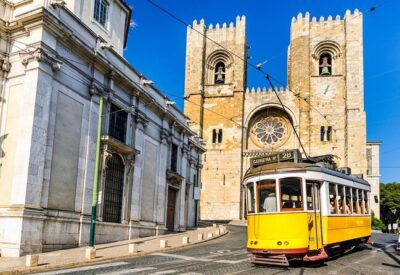
Lisbon Highlights: Private Tuk Tuk Tour Adventure Sightseeing
Read our review →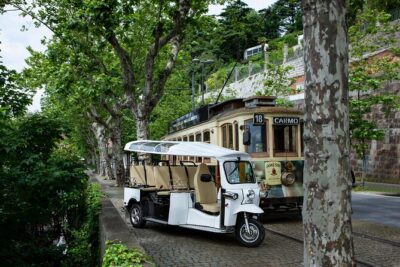
Discover Porto’s Highlights on a 2-Hour Private Electric Tuk Tuk
Read our review →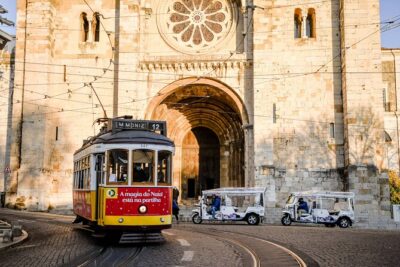
Welcome Lisbon Tour with Local Guide in Private Eco Tuk Tuk
Read our review →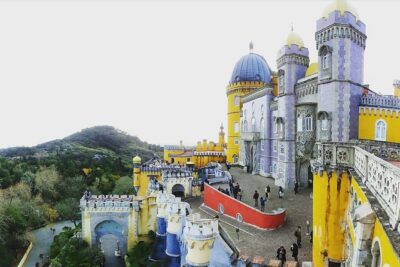
Sintra Full-Day Private Tour – A Journey through Wonderland
Read our review →