

Reviewed · WALKING TOURS
Lisbon Tram No. 28 Ride & Walking Tour
Lisbon’s most famous tram is also a working piece of public transport, and that is exactly what makes this experience fun. You squeeze through the Old Town’s narrow streets, climb Lisbon’s hills, and then continue on foot through Alfama, the city’s oldest traditional neighborhood.
I like the mix of transport and walking, since the tram gives you a quick sense of Lisbon’s shape while the stroll lets you linger over places the tram cannot reach. I also like the small group, limited to 10 people, and the warm, story-filled guiding style often provided by Nuno. The main consideration is that Tram 28 is not reserved for your group, and traffic or road trouble can change the plan.
In This Review
- Key points at a glance
- Why Tram 28 is the right way to begin
- Meeting in Praça Luís de Camões
- The cathedral and the layers beneath Lisbon
- São Vicente de Fora and the National Pantheon
- Walking through Alfama’s steep lanes
- Learning what Fado means in Alfama
- Feira da Ladra on Tuesdays and Saturdays
- How the guide shapes the experience
- Three hours, $23, and what you are really buying
- Who will enjoy this tour most
- Booking details worth knowing
- Should you book the Lisbon Tram 28 tour?
- FAQ
- How long does the Lisbon Tram No. 28 Ride and Walking Tour last?
- What is included in the tour?
- Is hotel pickup or drop-off included?
- What language is the tour conducted in?
- How large is the group?
- Is Tram 28 guaranteed to follow the planned route?
- What should I bring?
Key points at a glance
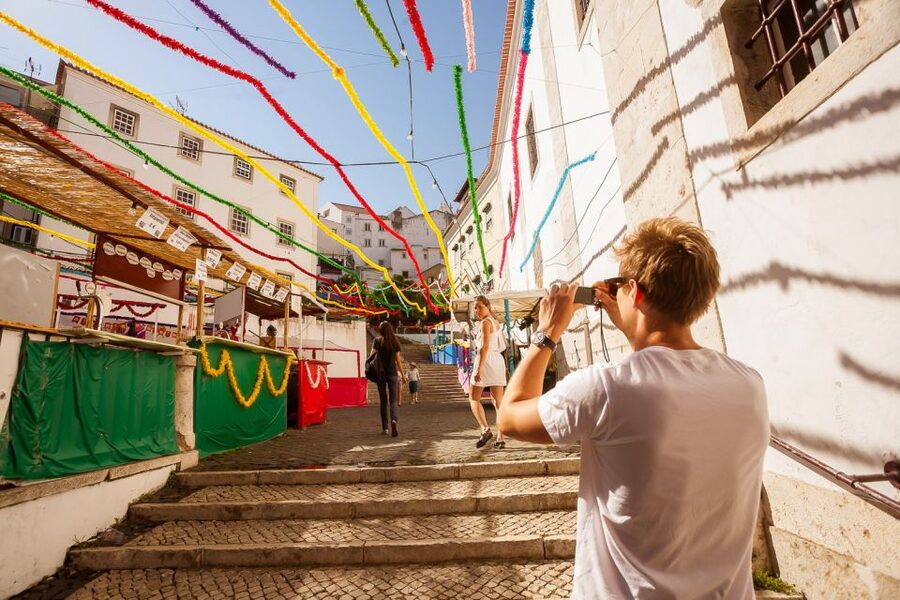
- A working ride on Tram 28: This is public transport, not a private sightseeing carriage, so expect authentic city travel and possible delays.
- Alfama beyond the tram route: Walk steep lanes, small squares, and residential corners where Lisbon’s older character is easiest to feel.
- Major sights with context: See Sé de Lisboa, São Vicente de Fora, and the National Pantheon while learning why they matter.
- Panoramic hilltop views: The route brings you to viewpoints over Lisbon and the Tagus River.
- Fado in its home setting: Get an introduction to Portugal’s traditional music in the narrow streets of Alfama.
- Good value at $23: Three hours of guiding, a Tram 28 ride, and a focused Old Town walk make this a useful first look at central Lisbon.
Why Tram 28 is the right way to begin

Tram 28 is famous for good reason. Its small yellow cars rattle through parts of Lisbon that seem designed to reject modern vehicles. The track climbs and bends through the Old Town, passing close to old façades and squeezing between buildings.
The ride gives you more than a photo opportunity. You see how Lisbon is built around hills, how neighborhoods stack above one another, and why getting from one district to the next can take effort on foot. From the higher sections, you can look across tiled rooftops toward the river and the city’s pale hills.
The tradeoff is comfort and control. This is ordinary public transport, subject to traffic, parked cars, roadworks, and other surprises. You may get a shorter Tram 28 segment than expected, or the guide may need to use another public route, such as a bus or funicular, before continuing on foot.
That flexibility is worth understanding before you book. If your only goal is a long, uninterrupted ride on the full Tram 28 route, this is not the best format. If you want the tram as one part of a broader introduction to Lisbon, the uncertainty is easier to accept.
More Walking Tours in Lisbon
- Lisbon: History, Stories and Lifestyle Walking Tour
★ 4.8 · 10,902 reviews - Best of Lisbon Small-Group Guided Walking Tour
★ 5.0 · 4,869 reviews - Lisbon: Food and Wine Small Group Walking Tour
★ 4.9 · 4,082 reviews
Meeting in Praça Luís de Camões
The tour begins at Praça Luís de Camões, near the statue. Look for the guide carrying a black backpack marked with the Lisbon Spirit logo.
This is a central starting point and a sensible place to begin a Lisbon orientation. You are not collected from your hotel, so plan your own way to the square and arrive with enough time to locate the guide. Pickup and drop-off are not included.
The group is capped at 10 people, which matters in a city where a large crowd can easily block a narrow lane. A small group also gives you a better chance to ask about restaurants, neighborhoods, transport, and other practical matters. Several guides, especially Nuno, are praised for answering questions and offering useful tips beyond the formal route.
The cathedral and the layers beneath Lisbon
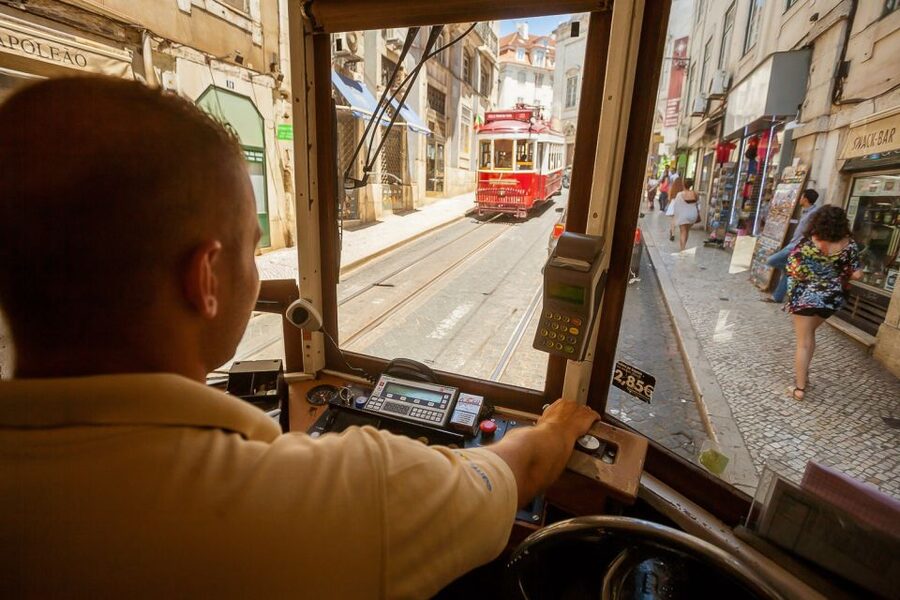
One of the key stops is Sé de Lisboa, Lisbon’s medieval cathedral. Its heavy form and old walls provide a useful lesson in how much of the city’s past is still visible in the Old Town.
The cathedral is not simply a quick photo stop. The guide explains how the building reflects almost 1,000 years of religious and political change, with different periods showing through its structure. You get a better sense of Lisbon as a city repeatedly rebuilt, altered, and adapted.
The value here comes from interpretation. On your own, you might see a grand old church and move on. With a guide, the cathedral becomes part of a larger story about Lisbon’s origins, faith, power, and changing neighborhoods.
Do not expect a long, private visit inside every sight. The activity includes a guided ride and walking tour, not admission to a series of monuments. The emphasis is on seeing the buildings, understanding their place in the city, and continuing through the surrounding streets.
São Vicente de Fora and the National Pantheon

The route also takes in Mosteiro de São Vicente de Fora, or Saint Vincent Monastery. Its presence adds another major landmark to the walk and helps show how important this hill has been to Lisbon’s religious and civic life.
You will also see the Panteão Nacional, the National Pantheon, recognizable by its large dome on the Lisbon skyline. The guide shares the legend connected with the building, giving you a story to remember rather than another name on a sightseeing list.
These stops are especially useful for first-time visitors. Lisbon can feel like a jumble of churches, tiled buildings, viewpoints, and steep alleys until someone connects the pieces. This tour does that work for you.
The route can be information-heavy. Guides such as Nuno are praised for knowing a great deal about Lisbon and Portugal, and that is a major strength if you enjoy history, politics, religion, and local affairs. If you prefer a light stroll with only a few facts, you may find some explanations longer than expected.
More Lisbon walks with a guide:
- Best of Lisbon Walking Tour: Rossio, Chiado & Alfama
★ 4.9 · 2,700 reviews - Age of Discoveries Walking Tour in Belém
★ 5.0 · 1,513 reviews - Sintra & Cascais Day Tour with Pena Palace Entry and Gardens Walk
★ 5.0 · 962 reviews - Lisbon Roots – Small group Food & Culture Walking Tour w/tastings
★ 5.0 · 910 reviews
Walking through Alfama’s steep lanes

The walking portion is the heart of the experience. Alfama is a maze of narrow streets, stairs, and small squares, with routes that rise and fall across the hill. The neighborhood rewards slow walking because much of its appeal is in the transition from one lane to the next.
You see a more ordinary side of Lisbon here, including residential streets and the daily life of people who live in the old quarter. The experience is not only about famous buildings. It is about understanding how a traditional neighborhood works when streets are too tight for modern traffic and every turn reveals another angle.
Wear comfortable shoes, and take the warning seriously. The paving can be uneven, and the hills are not decorative. The pace is generally leisurely, making the walk manageable for a mixed-age group, but leisurely does not mean flat or effortless.
The guide also points out small squares and viewpoints that you might miss alone. These pauses help break up the uphill walking and give you time to look back over the tiled roofs and the river.
Learning what Fado means in Alfama

Fado is closely tied to Lisbon’s older neighborhoods, and the tour introduces you to the tradition in the setting where it still feels most natural: small bars and cafés tucked into the city’s narrow lanes.
You should think of this as an introduction rather than a full Fado performance. The focus is on what the music means, how it fits into Portuguese culture, and why Alfama is so often linked with it.
That approach suits a three-hour city tour. You get cultural context without committing your entire evening to a music venue. If you want a full Fado dinner or concert later, this walk helps you recognize the tradition and choose a more focused experience.
Feira da Ladra on Tuesdays and Saturdays
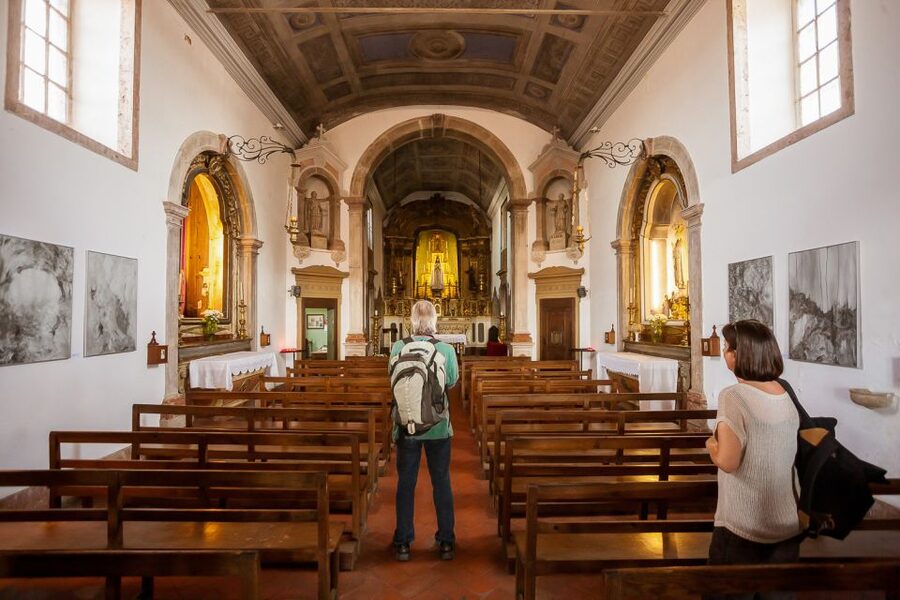
If you take the tour on a Tuesday or Saturday, the route includes the Feira da Ladra, Lisbon’s well-known flea market. The market adds a different feel to the walk, with stalls and browsing replacing some of the quiet lanes.
This is a useful seasonal and weekly detail when planning your booking. The market is not available every day, so choose one of those two days if it is a priority.
The market can also make the route feel less predictable. Crowds, stalls, and street activity may affect the walking pace, but they also give you a glimpse of Lisbon as a lived-in city rather than a collection of preserved monuments.
How the guide shapes the experience

The strongest part of this tour is the guiding. The activity is offered in English, and the most consistent praise goes to guides who combine facts with humor, personal observations, and a clear affection for Lisbon.
Nuno is repeatedly singled out for his broad knowledge, friendly manner, and willingness to answer questions. Some groups have found that he continued beyond the planned three hours because people were still engaged. That is not something you should count on as part of the schedule, but it gives you an idea of the guide-led character of the experience.
The commentary can cover more than architecture. You may hear about Portuguese history, religion, politics, real estate, and modern city life. That range is valuable because Lisbon’s old streets are not museum pieces. They are part of a changing city.
There is a small risk of unevenness depending on the guide and the group. A guide who enjoys historical detail may spend more time on background than you expected. For most first-time visitors, that is a fair exchange for seeing the city with a local perspective rather than simply following a route on a map.
Three hours, $23, and what you are really buying
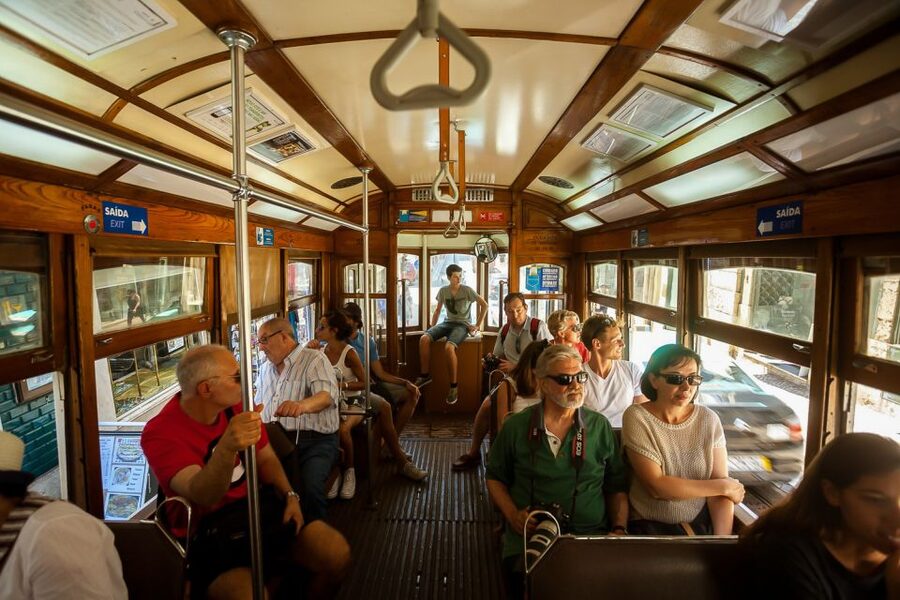
At $23 per person, this is a strong-value introduction to Lisbon’s Old Town. The price includes the Tram 28 ride and the guided walk through Alfama, with a live English-speaking guide and a group of no more than 10.
You are paying less for admission tickets and more for orientation. That matters in Lisbon, where the hills, confusing lanes, and public transport can make a first day inefficient. A good guide helps you understand where you are and what deserves a return visit.
The tour is particularly useful early in your stay. After three hours, you should have a clearer idea of which viewpoints you want to revisit, where Alfama sits in relation to the cathedral, and how the old neighborhoods connect.
The price does not include hotel transport or entry to sights. You also should not treat the tram ride as a guaranteed private sightseeing segment. At this cost, the value is the combination of transport, walking, local explanation, and practical orientation.
Who will enjoy this tour most
I would choose this for a first visit to Lisbon, especially if you want history and neighborhood life in the same morning or afternoon. It works well for couples, families with older children, and mixed-age groups who prefer a steady pace over a hard march.
It also suits anyone who likes asking questions. The small group makes it easier to get personal suggestions and follow up when a story catches your attention.
You may want a different experience if you have limited mobility or dislike steep streets and uneven paving. You may also prefer to ride Tram 28 independently if the tram itself is your main goal. In that case, this tour’s walking and historical content could feel like an extra rather than the main attraction.
Bring comfortable shoes and prepare for changing conditions. Traffic can alter the transport plan, and a broken-down car or rush-hour congestion can force the guide to adjust the route. The benefit is that the tour can still show you the Old Town instead of simply ending when the tram encounters trouble.
Booking details worth knowing
The activity lasts three hours, with starting times available according to the date you select. It is guided in English, and the group is limited to 10 participants.
You can cancel up to 24 hours in advance for a full refund. A reserve-now, pay-later option is also available, which helps if your Lisbon schedule is still shifting.
Since there is no pickup or drop-off, allow time to reach Praça Luís de Camões and plan your return from the final stop. The tour does not necessarily finish where it starts, so check your map and transport options before setting off for your next appointment.
Should you book the Lisbon Tram 28 tour?
Book it if you want more than a quick tram photo. The best feature is the balance: a ride through the Old Town, major landmarks, panoramic views, Alfama’s lanes, and an introduction to Fado, all tied together by an English-speaking local guide.
I would especially recommend it near the start of a Lisbon stay. It gives you useful bearings and helps you decide where to spend more time later.
Skip it if you want a guaranteed full-length Tram 28 journey, a private carriage, or a flat route. For everyone else, $23 is a sensible price for three hours of context, views, and city streets that are much easier to appreciate when someone shows you how they fit together.
FAQ
How long does the Lisbon Tram No. 28 Ride and Walking Tour last?
The tour lasts three hours.
What is included in the tour?
The price includes a ride on Tram 28 and a guided walking tour of Alfama.
Is hotel pickup or drop-off included?
No. You meet the guide at Praça Luís de Camões, near the statue, and arrange your own transport before and after the tour.
What language is the tour conducted in?
The tour is guided in English.
How large is the group?
The group is limited to 10 participants.
Is Tram 28 guaranteed to follow the planned route?
Tram 28 is public transport and is subject to traffic and other unpredictable situations outside the activity provider’s control. The route or transport used may therefore change.
What should I bring?
Bring comfortable shoes. The walking route includes narrow, steep streets and uneven surfaces.
Recently reviewed around Lisbon
- Portinho da Arrábida: Coasteering Boat Tour★ 4.9 · 78 reviews
- Setúbal: Dolphin-Watching Boat Tour★ 4.8 · 213 reviews
- From Lisbon: Private Óbidos and Nazaré Tour★ 5.0 · 152 reviews
- No Diet Club – Unique food tour in Lisbon with many Tastings★ 4.8 · 44 reviews
- Queluz National Palace & Gardens Ticket★ 4.6 · 447 reviews
- Melides: Horse Riding on the Beach with Wine Tasting★ 4.3 · 117 reviews
- Melides: Horseback Riding on Melides Beach★ 4.7 · 111 reviews
- Lisbon: Street Art Tuk Tuk Tour★ 4.9 · 372 reviews
Walking Tours, compared.

Best of Lisbon Small-Group Guided Walking Tour
Read our review →

Porto Walking Tour, Lello Bookshop, River Cruise and Cable Car
Read our review →
Best of Lisbon Walking Tour: Rossio, Chiado & Alfama
Read our review →
Experience Porto’s Charm: 3-Hour Guided Walking Tour
Read our review →
Enjoy a Guided Levada Walk in the Rabaçal Valley
Read our review →Browse the lists this tour appears in