
Reviewed · MUSEUMS
Lisbon: National Tile Museum Entry Ticket
Lisbon’s National Tile Museum is far more than a room full of pretty squares. Inside the former Madre Deus Convent, you’ll see Portuguese azulejos unfold across centuries, then find them covering a church, chapel, cloister, and grand architectural details. The large city panorama near the end is a real highlight.
I like the chronological layout, which helps you follow changing styles without needing an art degree. I also like the setting: the convent gives the collection a sense of place that a modern gallery could never match. At $11, this is good value for an art museum, though the ticket is non-refundable and is not officially a skip-the-line ticket.
In This Review
- Key points to know before you go
- Why the National Tile Museum is worth your time
- Entering the former Madre Deus Convent
- Following the tile story from the 15th century onward
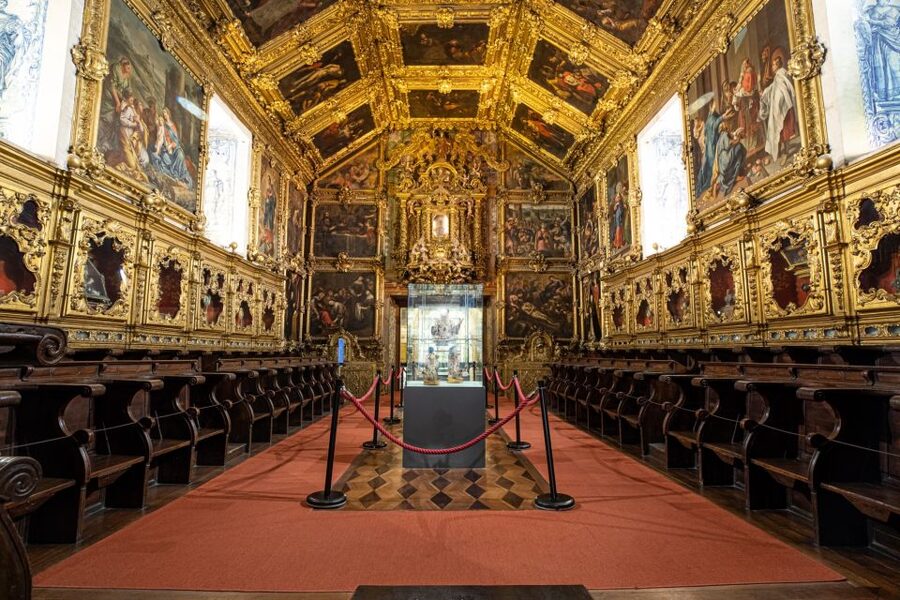
- The church, sacristy, and high choir
- The Chapel of Saint Anthony and its Baroque decoration
- The tiled Lisbon panorama
- How long to plan and when to visit
- Is the $11 ticket good value?
- Café, gardens, and a sensible visit plan
- Who will enjoy this museum most?
- Should you book the National Tile Museum ticket?
- FAQ
- Where is the National Tile Museum located?
- How much does the entry ticket cost?
- How long is the ticket valid?
- What are the museum’s opening hours?
- When is the museum closed?
- Is this a skip-the-line ticket?
- Is the museum wheelchair accessible?
- What should I bring?
- Is the ticket refundable?
Key points to know before you go
- 15th-century tiles through modern work: Follow Portuguese tile-making from its early examples to contemporary pieces.
- A museum inside a convent: The Madre Deus setting includes a Mannerist cloister, church, sacristy, high choir, and Baroque chapel.
- Allow 90 minutes to two hours: The collection is larger and more elaborate than its modest name suggests.
- The Lisbon panorama is special: A large tiled city scene gives the visit a memorable finish.
- Plan around the split schedule: The museum opens Tuesday to Sunday from 10:00 am to 1:00 pm and 2:00 pm to 6:00 pm.
- A useful rainy-day stop: The indoor galleries, church, café, and gardens make this an easy addition to a Lisbon day.
Why the National Tile Museum is worth your time
Lisbon is famous for azulejos, but you can only learn so much by spotting them on façades and metro stations. This museum explains how the art developed, how tiles were made, and how they became part of Portugal’s buildings and daily visual culture.
I especially like that the collection begins with materials and techniques. That short introduction gives you a better eye for what follows. Instead of seeing only color and pattern, you can start noticing how tiles were formed, decorated, and arranged into larger scenes.
The collection runs from the second half of the 15th century to the present day. It includes decorative ceramic tiles, along with ceramics, porcelain, and faience from the 17th to the 21st century. The range keeps the visit from feeling stuck in one period.
The museum was founded in 1965 and became a national museum in 1980. Its home, the former Convent of Madre Deus, was founded by Queen D. Leonor in 1509. That background matters because the building is not simply a container for the art. It is one of the main exhibits.
More Lisbon trips worth a second look
- Lisbon: Luz Stadium Tour & SL Benfica Museum Ticket w/Scarf
★ 4.7 · 3,264 reviews - Lisbon: Banksy Museum Permanent Exhibition Entry Ticket
★ 4.7 · 506 reviews - Lisbon: Belem, Jeronimos Monastery, and Coach Museum Tour
★ 4.8 · 478 reviews
Entering the former Madre Deus Convent
You enter at the museum’s main entrance and show your ticket on arrival. The ticket is valid for one day, so you are not tied to a narrow guided-tour departure. Check the available starting time when booking, then plan your arrival around the museum’s morning or afternoon opening period.
The convent has changed over time through several building campaigns. That gives the museum a layered appearance, with rooms and decorative schemes from different periods. You move through a working piece of religious architecture as well as an art collection.
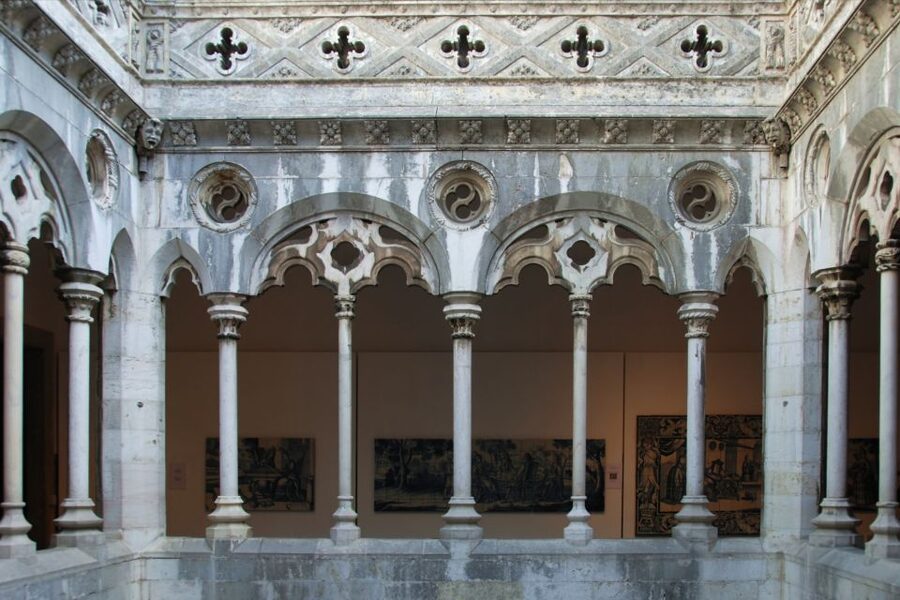
The 16th-century Mannerist cloister is one of the first places worth slowing down for. Its proportions and quiet open space offer a break from the display rooms, while tile details and religious sculpture add to the atmosphere. You might find that the building makes the collection easier to understand: Portuguese tiles were often designed for churches, convents, palaces, and other architectural settings.
The museum is wheelchair accessible. You should still wear comfortable shoes, since the visit involves moving through a substantial historic building rather than standing in one compact gallery.
Following the tile story from the 15th century onward
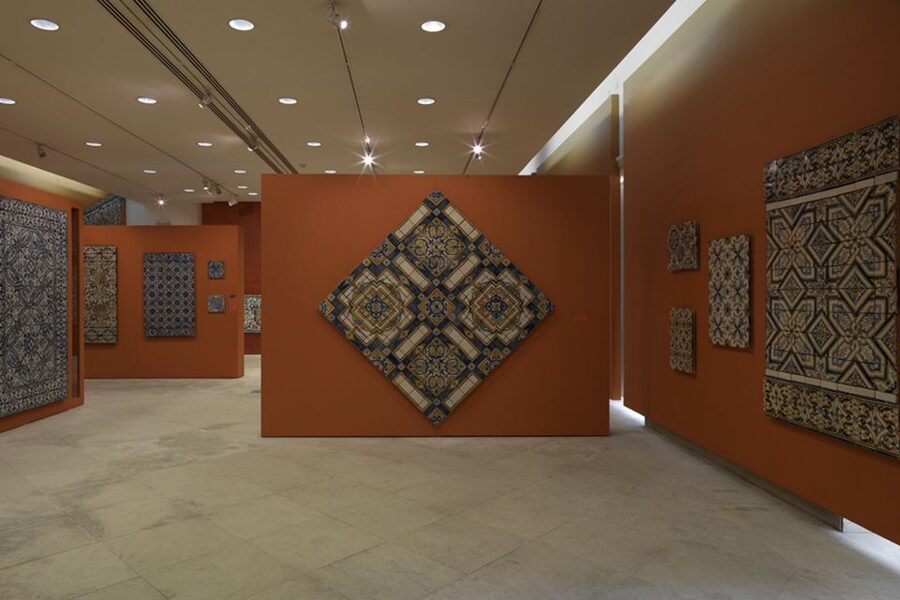
The permanent exhibition follows a chronological route after the opening section on materials and production. This is a sensible way to see the collection, especially if you are new to Portuguese tile art.
Early pieces show how decorative tile work developed in Portugal from the 15th century. As you move forward, the styles and uses change. Some tiles are best understood as individual objects, while others work as part of a wider decorative scheme.
The museum also includes large scenes made from many tiles. These displays show why azulejos matter beyond their surface decoration. A single tile can be attractive, but a wall-sized composition can tell a story, mark a religious setting, or transform an otherwise plain architectural space.
I would give yourself time to look at the overall arrangements, not just the individual patterns. The best part of the collection is often the relationship between repeated shapes, color, scale, and the room around them.
Some pieces have limited individual explanation. If you want more detail about the art and its makers, an audio tour may help. The audio option requires downloading an app and bringing your own headphones, so prepare before you arrive rather than counting on a simple handset at the door.
The church, sacristy, and high choir
The convent church is one of the reasons this visit feels larger than a standard tile museum. The church contains notable paintings and tile decoration, allowing you to see how azulejos function as part of a complete interior.
Look upward as well as along the walls. The ceiling and surrounding decoration can be as important as the tiled panels at eye level. One memorable room includes paintings and decoration across the ceiling, creating the kind of visual overload that rewards a slow pace.
The sacristy adds another layer of decorative detail. It features a Brazilian wood display cabinet and carved wooden frames holding paintings. This is a useful reminder that the museum’s appeal is not limited to tile technique. Furniture, painting, wood carving, and architecture all work together here.
The high choir has carved giltwood decoration. Gilded wood, painted surfaces, and tile can create a very different mood from the more orderly chronological galleries. I would not rush through these spaces simply because they are not part of the main tile sequence.
A different kind of day out, same corner of Portugal:
- Lisbon City Center Tour – The Unmissable Lisbon
★ 5.0 · 22,234 reviews - Lisbon: Sintra, Pena, Regaleira, Cabo da Roca & Cascais
★ 4.7 · 19,656 reviews - Sintra: Pena Palace and Park Entrance Ticket
★ 4.2 · 17,410 reviews - Lisbon: Jerónimos Monastery Entrance Ticket
★ 4.1 · 14,164 reviews
The Chapel of Saint Anthony and its Baroque decoration
The Chapel of Saint Anthony is decorated in an 18th-century Baroque style and includes a significant number of canvases by André Gonçalves. It is a smaller, more concentrated experience than the main collection, but it helps explain the visual world in which religious tiles were used.
The chapel can feel ornate and busy, especially after the cleaner arrangement of the museum galleries. That is part of its value. You are seeing decoration as an entire environment, not as separate objects arranged under museum lighting.
The church and chapel are also good places to pause if you are visiting with teenagers or anyone unsure about spending time in a tile museum. The building supplies variety, and the religious interiors offer a change of pace from the chronological displays.
The tiled Lisbon panorama
Near the top floor, look for the large tiled representation of Lisbon. It is one of the most distinctive parts of the visit because it turns azulejos into a broad city view rather than a repeating pattern or small decorative panel.
This display gives you a chance to think about Lisbon as a place shaped by tile, architecture, and public imagery. It is also a natural point to pause after following the collection through several centuries.
The panorama is especially useful for anyone who has already been exploring Lisbon’s streets. You can connect the museum’s tile tradition with the city you are seeing outside, even though the museum itself is away from the central sightseeing route.
How long to plan and when to visit
The official ticket is valid for one day, but most people should plan roughly 90 minutes to two hours for the museum. That allows time for the chronological collection, convent rooms, church, chapel, panorama, and a few pauses.
You can visit Tuesday through Sunday from 10:00 am to 1:00 pm, then from 2:00 pm to 6:00 pm. Last entry is at 5:30 pm. The midday closure matters, so do not arrive expecting a continuous afternoon visit.
The museum is closed on January 1, Easter Sunday, May 1, June 13, and December 25. Check the date before you make a fixed plan, especially around public holidays.
A hot day may make the interior less comfortable because ventilation can be limited. On the other hand, the museum works well in wet weather and gives you a substantial indoor activity. Comfortable clothing, water, and shoes are sensible.
Is the $11 ticket good value?
At $11 per person, I consider this a strong-value museum ticket. You are paying for more than a tile display: the admission includes access to a former convent, cloister, church, sacristy, high choir, chapel, and gardens, along with the permanent collection.
The value is best if you enjoy art, architecture, religious interiors, or Portuguese culture. Even if tile art is not initially high on your list, the building and the large installations give the visit enough variety to justify the price.
The ticket is non-refundable, so choose your date carefully. It is also specifically not a skip-the-line ticket. Some people have found that buying ahead helped them move past a queue, but you should not book this product expecting a guaranteed fast entrance. Show the ticket at the main entrance when you arrive.
Café, gardens, and a sensible visit plan
The on-site café is a useful part of the stop, not just an afterthought. It has garden seating and can turn the museum into a relaxed couple of hours rather than a quick indoor inspection.
The café may be busy at popular times, so you could eat first or save it for the end depending on your schedule. The gardens offer a pleasant change after the decorated rooms, particularly if the museum feels warm or visually intense.
A practical plan is to arrive near the start of an opening period, see the materials and techniques section, follow the chronological route, then spend extra time in the cloister and religious rooms. Finish with the Lisbon panorama, gardens, and café.
Bring a camera if you like recording tile patterns, but be considerate of the museum rules on photography in individual rooms. An ID card or passport is also listed among the items to bring.
Who will enjoy this museum most?
I would recommend the National Tile Museum to anyone interested in Portuguese art, architecture, design, religious interiors, or urban culture. It is also a good choice for art lovers who want something less predictable than Lisbon’s major headline attractions.
Families may find the museum more accessible than expected because the displays change from room to room. The chronological route gives younger visitors a simple story to follow, while the church and panorama add visual variety.
It suits a rainy afternoon particularly well. It can also work on a hot day, though the limited ventilation may be a drawback. The museum is close enough to other Lisbon attractions by a short car ride that you could pair it with another stop, but the available information does not specify a particular public transport route.
The main limitation is the absence of a personal guide. You explore at your own pace, which is convenient, but you must rely on the displays or arrange the audio option yourself. If you want detailed explanations for every object, bring headphones and prepare to use the app.
Should you book the National Tile Museum ticket?
Book it if you want a reasonably priced Lisbon museum with much more than one type of exhibit. The combination of 15th-century tiles, later ceramics, a convent cloister, decorated church, Baroque chapel, gardens, and the Lisbon panorama gives you a full cultural visit for $11.
I would skip it only if your schedule is extremely tight or if you strongly prefer outdoor sightseeing. Allow at least 90 minutes, remember the midday closure, and do not assume the ticket guarantees skip-the-line access.
For most people with room for one quieter cultural stop, this is a smart choice. You leave with a better understanding of why tiles are so central to Portugal, and you get to see them in the architectural setting they were made to serve.
FAQ
Where is the National Tile Museum located?
The museum is in Lisbon District, Portugal, inside the former Convent of Madre Deus.
How much does the entry ticket cost?
The listed price is $11 per person.
How long is the ticket valid?
The ticket is valid for one day. Check availability for the applicable starting times.
What are the museum’s opening hours?
The museum is open Tuesday to Sunday from 10:00 am to 1:00 pm and from 2:00 pm to 6:00 pm. Last entry is at 5:30 pm.
When is the museum closed?
It is closed on January 1, Easter Sunday, May 1, June 13, and December 25.
Is this a skip-the-line ticket?
No. The ticket information specifically says it is not a skip-the-line ticket.
Is the museum wheelchair accessible?
Yes, the activity is listed as wheelchair accessible.
What should I bring?
Bring a passport or ID card, comfortable shoes, a camera, water, and comfortable clothes.
Is the ticket refundable?
No. The cancellation policy states that the activity is non-refundable.
Recently reviewed around Lisbon
- Portinho da Arrábida: Coasteering Boat Tour★ 4.9 · 78 reviews
- Setúbal: Dolphin-Watching Boat Tour★ 4.8 · 213 reviews
- From Lisbon: Private Óbidos and Nazaré Tour★ 5.0 · 152 reviews
- No Diet Club – Unique food tour in Lisbon with many Tastings★ 4.8 · 44 reviews
- Queluz National Palace & Gardens Ticket★ 4.6 · 447 reviews
- Melides: Horse Riding on the Beach with Wine Tasting★ 4.3 · 117 reviews
- Melides: Horseback Riding on Melides Beach★ 4.7 · 111 reviews
- Lisbon: Street Art Tuk Tuk Tour★ 4.9 · 372 reviews
Museums, compared.

Cálem Cellar Tour, Interactive Museum & Wine Tasting
Read our review →
Luz Stadium Tour & SL Benfica Museum Ticket w/Scarf
Read our review →

Banksy Museum Permanent Exhibition Entry Ticket
Read our review →
Belem, Jeronimos Monastery, and Coach Museum Tour
Read our review →


Browse the lists this tour appears in