
Reviewed · WALKING TOURS
Lisbon: Alfama, Bairro Alto and Downtown Walking Tour
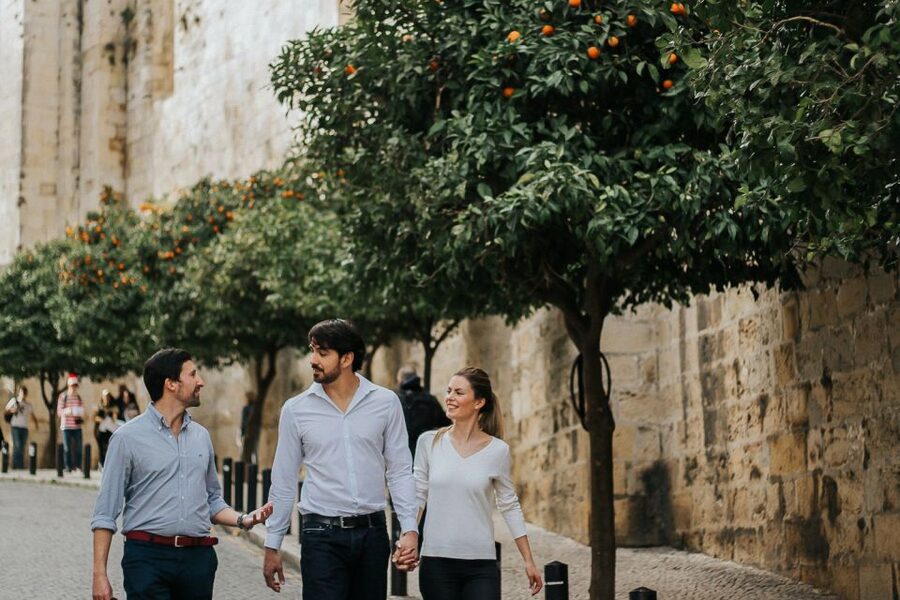
Lisbon’s old quarters make the most sense when you combine walking with the city’s old transport. This private tour links medieval Alfama, central Baixa, and Bairro Alto, then adds rides on the Gloria funicular and the historic 28 tram.
I like the clear three-hour format, which gives you a useful first look without taking up a full day. I also like the private guide setup, especially since guides such as Déborah and Dirk Fittkau have been praised for detailed explanations and for adapting the walk to each group. The main caution is the meeting point: finding the Saint Vicente statue near Beco de Santa Helena may take care, and one guest had trouble locating the guide.
In This Review
- Key points at a glance
- Starting among Alfama’s old lanes
- Alfama’s color, calm, and medieval character
- From Alfama to the central city
- Riding the Gloria funicular to Bairro Alto
- The historic 28 tram experience
- What a private guide adds for $82
- Where this tour is strongest
- Who will get the most from it
- Practical planning before you go
- Should you book the Lisbon Roots walk?
- FAQ
- Where does the tour meet?
- How long does the tour last?
- What neighborhoods does the tour visit?
- Does the tour include the Gloria funicular?
- Does the tour include the 28 tram?
- What languages are available?
- Is this a private tour?
- Are meals, drinks, and entrance fees included?
- Can I cancel for a full refund?
Key points at a glance
- Alfama comes first: Walk through Lisbon’s oldest district, known for colorful old buildings, quiet lanes, and a slower pace.
- Two classic rides are included: Use the Gloria funicular between Baixa and Bairro Alto, and experience the historic 28 tram.
- Architecture is a major theme: Look for baroque details in the center, along with belle époque and art deco façades.
- Private guiding keeps the tour personal: Your guide can adjust explanations and recommendations to your interests.
- Three hours is a useful introduction: You get several districts and transport experiences, but not a full study of every landmark.
- Plan for extra costs: Meals, drinks, and entrance fees are not included in the $82 price.
Starting among Alfama’s old lanes
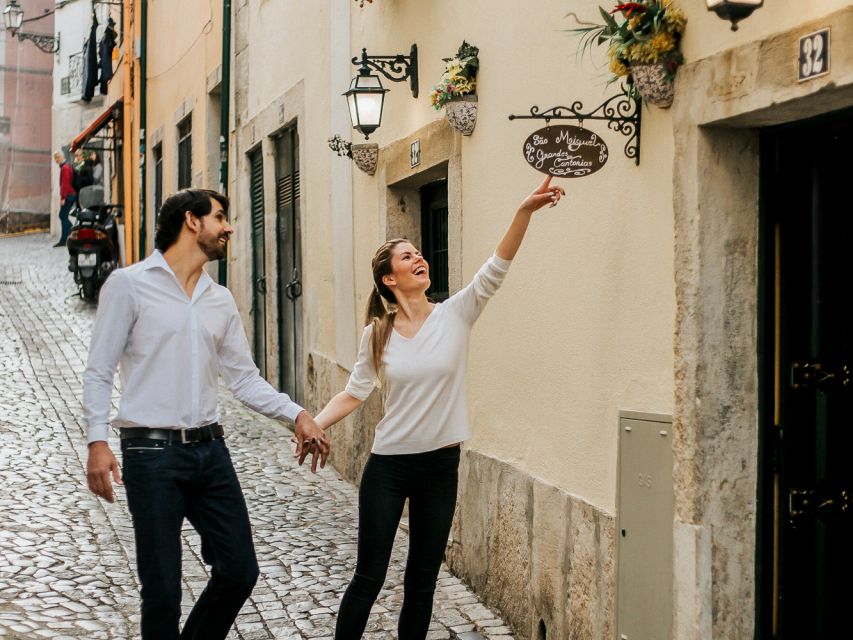
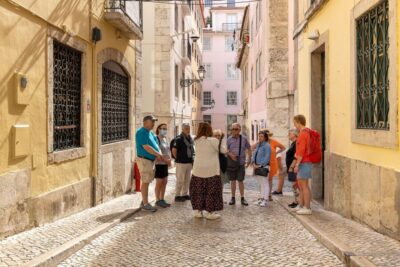
The tour begins at the Statue of Saint Vicente on Beco de Santa Helena, in the Alfama area. This is a sensible place to start because Alfama is the oldest and one of the most typical parts of Lisbon. You are already in the kind of setting that makes this tour worthwhile: old, colorful buildings, narrow streets, and a quieter mood than the main shopping streets below.
I would arrive early. The meeting point is specific, but the area includes small lanes and buildings at different levels. One person found the guide difficult to locate and suggested a small identifying flag. That is practical advice. Confirm the exact meeting spot before setting off, and keep your phone available in case you need to clarify where the group is waiting.
Alfama is best understood on foot. Its streets are not laid out like a modern grid, so the district can feel confusing if you explore it without a plan. A guide helps connect the physical setting with Lisbon’s past, while also showing you how the neighborhood differs from Baixa and Bairro Alto.
Expect walking on uneven streets and some uphill or downhill sections. The supplied information does not give an accessibility assessment, so you should ask the provider directly if you have mobility concerns. The tour moves between districts and includes historic public transport, so comfortable shoes are a practical choice.
More Walking Tours in Lisbon
- Lisbon: History, Stories and Lifestyle Walking Tour
★ 4.8 · 10,902 reviews - Best of Lisbon Small-Group Guided Walking Tour
★ 5.0 · 4,869 reviews - Lisbon: Food and Wine Small Group Walking Tour
★ 4.9 · 4,082 reviews
Alfama’s color, calm, and medieval character
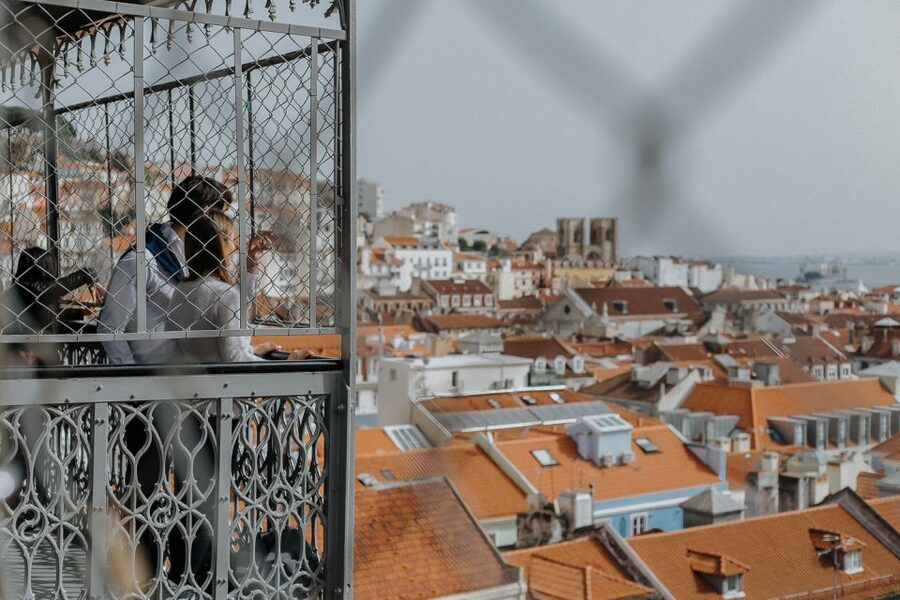
Alfama is not presented as a list of grand indoor sights. Its appeal lies in the streets themselves. The old buildings have distinctive features, with color playing a major part in the experience. You might notice painted façades, aging surfaces, and small changes in the way homes and streets fit together.
The tour description also points to a sense of joy and calm in Alfama. That contrast matters. Lisbon’s center can be busy, but Alfama has pockets where the pace feels slower. A guide can help you notice this shift rather than simply rushing through the district in search of a famous viewpoint.
This is also where a private guide can add real value. Guides named in the booking feedback include Déborah and Dirk Fittkau. Déborah was praised for detailed explanations, courtesy, and flexibility. Dirk was praised for bringing historical places and less obvious corners to life, while shaping the tour around individual interests. Those are useful qualities in Alfama, where the pleasure comes from small details and local context.
Keep your expectations sensible. Three hours is not enough to explore every lane, museum, church, or viewpoint in the old quarter. Entrance fees are not included, and the tour does not promise admission to specific monuments. The focus is the neighborhood, its architecture, and the story told while walking through it.
From Alfama to the central city
The route then turns toward Lisbon’s central districts. This change gives you a useful lesson in the city’s layout. Alfama feels old and irregular, while the center is more formal, planned, and architectural in a different way.
The central area is described as baroque, with belle époque and art deco buildings. Those styles give you plenty to watch for between stops. Baroque details can feel ornate and theatrical. Belle époque façades often bring a lighter, more decorative touch, while art deco favors stronger lines and a more modern look.
I like this part of the tour because it avoids treating Lisbon as one single postcard scene. The city’s appeal comes from the contrast between districts. A walk that covers only Alfama can leave you with a narrow picture of Lisbon. Adding Baixa and Bairro Alto shows how the capital changes from medieval lanes to more formal streets and later architectural styles.
Your guide’s explanations matter here. Architecture can be easy to admire and hard to interpret. A good explanation helps you understand why one building feels different from the next, and gives you details to watch for during the rest of your stay.
You should not expect an architecture lecture aimed at specialists. This is a practical city introduction. The goal is to help you read Lisbon as you walk, not to catalogue every building. If you are especially interested in design, tell the guide at the start. The private format makes that request more realistic than it would be on a large group outing.
Riding the Gloria funicular to Bairro Alto

One of the tour’s most distinctive elements is a ride on the Elevador da Glória, also called the Gloria funicular. It is one of Lisbon’s three funicular railways and links Baixa with Bairro Alto.
This short ride does more than save your legs. It shows how Lisbon’s steep terrain shapes daily movement. The funicular connects two districts that sit at different levels, making the city’s hills part of the experience rather than a problem to work around.
For a first-time visitor, this is a smart inclusion. You get transport, a city landmark, and a practical sense of Lisbon’s geography in one short segment. It also breaks up the walking, which is helpful during a compact tour covering several neighborhoods.
Still, you should think of the ride as one part of the tour, not as a long attraction by itself. The main value comes from understanding the connection between Baixa and Bairro Alto. The tour does not include a separate entrance ticket package for attractions, and no extra admission is listed.
Bairro Alto has a different identity from Alfama. The tour introduces the neighborhood after the funicular ride, giving you a chance to see how Lisbon’s upper district fits into the wider city. The supplied details do not promise specific bars, restaurants, or nightlife stops, so do not book this as a food or evening entertainment tour. It is a guided neighborhood and architecture walk.
More Lisbon walks with a guide:
- Best of Lisbon Walking Tour: Rossio, Chiado & Alfama
★ 4.9 · 2,700 reviews - Age of Discoveries Walking Tour in Belém
★ 5.0 · 1,513 reviews - Sintra & Cascais Day Tour with Pena Palace Entry and Gardens Walk
★ 5.0 · 962 reviews - Lisbon Roots – Small group Food & Culture Walking Tour w/tastings
★ 5.0 · 910 reviews
The historic 28 tram experience
The tour also includes the historic 28 tram. This is one of the features likely to appeal most to anyone who wants to experience Lisbon rather than simply photograph it.
The tram gives you a moving view of the city and adds variety to the three-hour route. After walking through Alfama and central Lisbon, you get to see parts of the city from a classic public transport vehicle. That makes the tour feel more connected to everyday Lisbon than a walk that stays entirely on foot.
The practical value is just as important. Lisbon’s hills and districts are easier to understand when you experience the ways they connect. The Gloria funicular handles one steep link, while the tram offers a different view of movement through the older parts of the city.
The exact tram timing and route details are not provided, so I would not assume how long you will ride or which specific stops you will pass. The same applies to the order of every segment. Your guide may adjust the route to conditions and the group’s interests.
You should also remember that this is a shared public transport experience within a private tour. The group is private, but the tram itself is not reserved only for your party. If riding the 28 is a top priority, confirm the plan with Lisbon Roots before booking, especially if the tram is important to your schedule.
What a private guide adds for $82
The price is $82 per person. For that amount, you receive a three-hour private walking tour with a live guide, but drinks, meals, and entrance fees are extra.
That price makes the most sense for people who value personal attention. A private guide can adjust the pace, answer follow-up questions, and focus on subjects you care about. The available languages are English, Spanish, French, German, and Italian, which gives you a good chance of receiving the tour in your preferred language.
The strongest praise connected with this experience centers on the guides. Déborah has been singled out for detailed explanations, courtesy, and flexibility. Dirk Fittkau has been praised for charm, strong preparation, personal storytelling, and attention to individual interests. Stéphanie also described a passionate guide who offered detailed explanations and useful recommendations for the rest of a Lisbon stay.
Those comments point to the tour’s best use: book it early in your visit, then use the guide’s advice to shape the days that follow. A good orientation tour can help you decide which districts deserve more time, where to return for a meal, and which sights need a separate ticket.
Value depends on group size. If two people book privately, the per-person cost is higher than joining a large group, but you gain a more personal format. If several people share the booking, the private arrangement can become more appealing. The available information does not state the maximum group size, so ask before booking if that affects your decision.
Where this tour is strongest
I see three clear strengths.
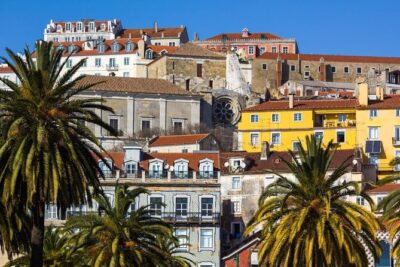
First, it covers several sides of Lisbon in a short period. Alfama gives you old streets and colorful buildings. Baixa brings baroque, belle époque, and art deco architecture. Bairro Alto adds the upper-city setting reached by the Gloria funicular.
Second, it mixes walking with transport. That matters in Lisbon, where hills can turn a simple map into hard work. The funicular and tram add local character while helping you understand how the districts connect.
Third, the private format gives the guide room to respond to you. The positive comments about Déborah and Dirk suggest that guide quality can make a large difference. You are not locked into a one-size-fits-all lecture.
The tour also has limits. It is only three hours, so the experience is an introduction rather than a full examination of Lisbon. Meals and drinks are not included, and specific entrance fees are extra. You should also allow a little patience at the meeting point, since locating the guide was not easy for everyone.
One booking failure was reported, involving a guide who did not appear. A prompt refund followed, but the incident is still worth keeping in mind. Confirm the start time and meeting details shortly before the tour, and do not schedule an important timed attraction immediately afterward.
Who will get the most from it
This tour suits a first visit to Lisbon, especially if you want an organized introduction before exploring alone. It is also a good choice if you want to combine the old districts with the city center rather than spending the whole morning in one neighborhood.
You will likely appreciate it if you enjoy architecture but do not want a formal museum tour. The focus on baroque, belle époque, and art deco buildings gives you a visual theme to follow through the city.
The tour also suits couples, families, and small private groups who want to ask questions without competing with a large crowd. The available languages make it useful for international visitors, and the guide can respond to personal interests more easily than a fixed group tour.
I would be more cautious if you want a long food experience, extensive monument access, or a full-day historical study. None of those are promised. You should also think carefully about the walking if hills and uneven streets are difficult for you.
Practical planning before you go
Wear shoes suitable for city walking. The route covers old districts and includes changes in elevation, so comfort matters more than dressing for a formal sightseeing event.
Bring water and budget for food or drinks. They are not included, and a three-hour city walk can make a refreshment stop tempting even if the schedule does not include one.
If you care about a particular language, select from English, Spanish, French, German, or Italian when booking. The tour is led by a live guide, and the group type is private.
Check the meeting point carefully. It is the Statue of Saint Vicente, Beco de Santa Helena 25, 1100-411 Lisboa, Portugal. Because one guest found the location unclear, I would verify whether the meeting point is at the terrace or a building below, then look for a clear guide identifier.
The booking terms are flexible. You can cancel up to 24 hours before the tour for a full refund, and you can reserve now and pay later. That is useful when your Lisbon plans may change, but it does not remove the need to confirm the start time, since starting times depend on availability.
Should you book the Lisbon Roots walk?
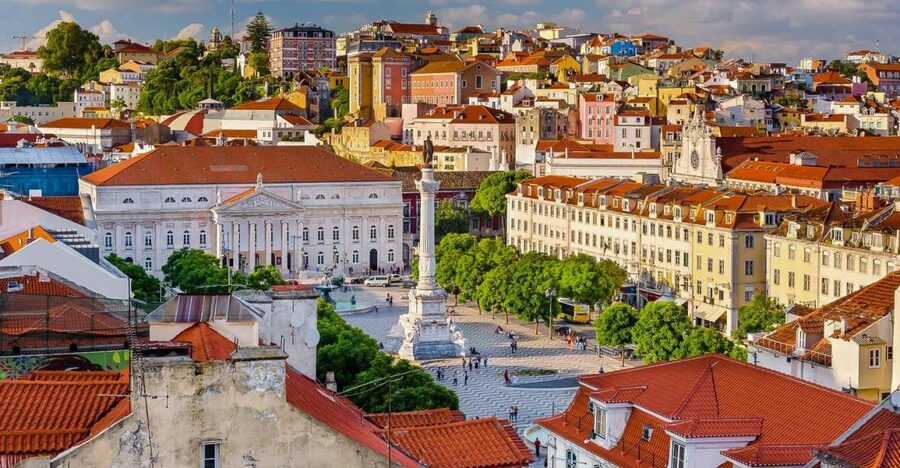
Book it if you want a private, compact introduction to Lisbon that joins three important districts with two classic forms of transport. The combination of Alfama’s old streets, central architecture, the Gloria funicular, and the 28 tram gives you a broader first impression than a simple neighborhood walk.
The strongest reason to choose it is the guide-led format. Déborah and Dirk Fittkau received especially warm praise for clear explanations, personal attention, and useful recommendations. At $82 per person, the tour offers better value when you want that one-to-one style and can share the private booking with companions.
Skip it if you need guaranteed monument entry, included meals, or a full-day route. Also take extra care with the meeting point and reconfirm the appointment. For most first-time visitors who want to get their bearings fast, understand Lisbon’s contrasting districts, and ride the city’s historic transport, this is a well-focused choice.
FAQ
Where does the tour meet?
The meeting point is the Statue of Saint Vicente at Beco de Santa Helena 25, 1100-411 Lisboa, Portugal.
How long does the tour last?
The tour lasts three hours.
What neighborhoods does the tour visit?
The tour covers Alfama, Bairro Alto, and downtown Lisbon, also known as Baixa in the tour description.
Does the tour include the Gloria funicular?
Yes. The experience includes a ride on the Elevador da Glória, the funicular linking Baixa and Bairro Alto.
Does the tour include the 28 tram?
Yes. Riding the historic 28 tram is one of the stated highlights.
What languages are available?
The live guide service is available in Spanish, English, French, German, and Italian.
Is this a private tour?
Yes. The group type is private.
Are meals, drinks, and entrance fees included?
No. Meals, drinks, and entrance fees are not included in the price.
Can I cancel for a full refund?
Yes. You can cancel up to 24 hours in advance for a full refund. You can also reserve now and pay later.
Recently reviewed around Lisbon
- Portinho da Arrábida: Coasteering Boat Tour★ 4.9 · 78 reviews
- Setúbal: Dolphin-Watching Boat Tour★ 4.8 · 213 reviews
- From Lisbon: Private Óbidos and Nazaré Tour★ 5.0 · 152 reviews
- No Diet Club – Unique food tour in Lisbon with many Tastings★ 4.8 · 44 reviews
- Queluz National Palace & Gardens Ticket★ 4.6 · 447 reviews
- Melides: Horse Riding on the Beach with Wine Tasting★ 4.3 · 117 reviews
- Melides: Horseback Riding on Melides Beach★ 4.7 · 111 reviews
- Lisbon: Street Art Tuk Tuk Tour★ 4.9 · 372 reviews
Walking Tours, compared.
Best of Lisbon Small-Group Guided Walking Tour
Read our review →

Porto Walking Tour, Lello Bookshop, River Cruise and Cable Car
Read our review →
Best of Lisbon Walking Tour: Rossio, Chiado & Alfama
Read our review →
Experience Porto’s Charm: 3-Hour Guided Walking Tour
Read our review →
Enjoy a Guided Levada Walk in the Rabaçal Valley
Read our review →Browse the lists this tour appears in