
Reviewed · HISTORICAL TOURS
Historic Walking Tour Through Lisbon’s Oldest Neighborhood
Lisbon’s oldest neighborhood is a maze of steep lanes, stairways, viewpoints, and dead ends. This 2.5-hour walk from Rossio to Lisbon Cathedral gives you a clear route through Alfama, with a local guide adding stories and legends that are easy to miss when you explore alone.
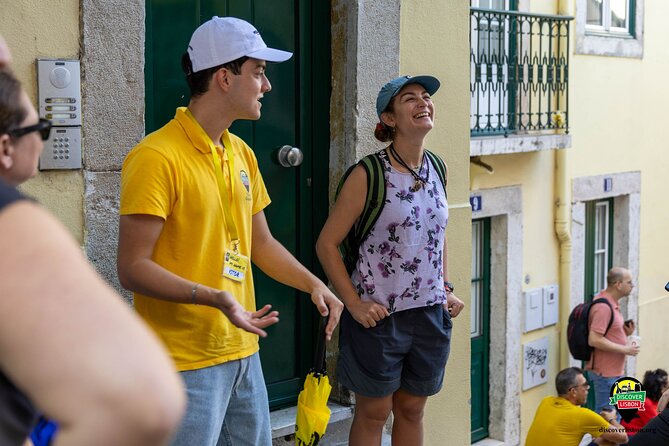
I like the low starting price and the useful first-day orientation. I also like the human touch: guides such as Alex and Vivian have been praised for making the walk interactive and for giving practical tips beyond the basic sights.
The main catch is the payment structure. The advertised price is only $3.62, but you should budget a suggested €10 to €20 contribution for the guide, plus any transport and tasting costs. The route is also hilly, so comfortable shoes matter.
In This Review
- Key points to know before you book
- Why this walk makes sense in Lisbon
- Rossio Square starts the story
- Teatro Nacional Dona Maria II from the outside
- Igreja de São Domingos and the weight of Lisbon’s past
- Heading uphill toward São Jorge Castle
- Viewpoints and the medieval street maze
- Finishing at Lisbon Cathedral
- What the $3.62 price really means
- Who will enjoy this most
- How to make the most of the afternoon
- Should you book this Alfama walk?
- FAQ
- Where does the tour begin?
- Where does the tour end?
- How long does the walking tour last?
- Is the tour offered in English?
- Is the guide contribution included in the $3.62 price?
- Are wine and ginjinha tastings included?
- Are transportation tickets included?
- Can I cancel for a full refund?
Key points to know before you book
- Rossio to Alfama in one clear route: Start in central Lisbon and finish beside the cathedral.
- A strong first introduction: The walk helps you get your bearings before tackling Alfama alone.
- Churches, castle, and viewpoints: See Igreja de São Domingos, learn about São Jorge Castle, and pause at scenic points.
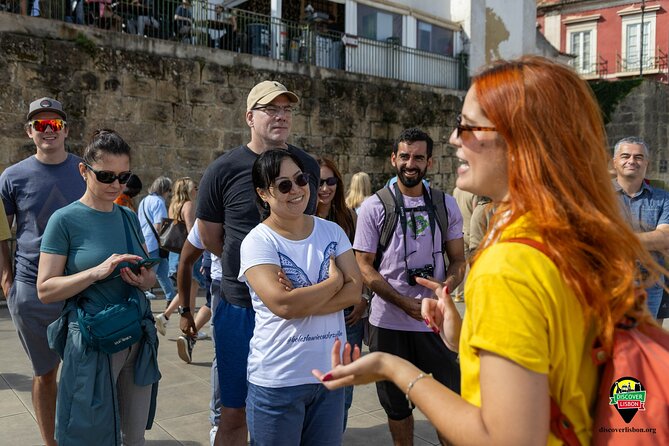
- Guides shape the experience: Alex and Vivian are specifically praised for friendly, informative, interactive tours.
- Pay what you feel format: The low booking price does not replace the expected guide contribution.
- Moderate fitness required: Expect hills and uneven urban walking over roughly two and a half hours.
Why this walk makes sense in Lisbon
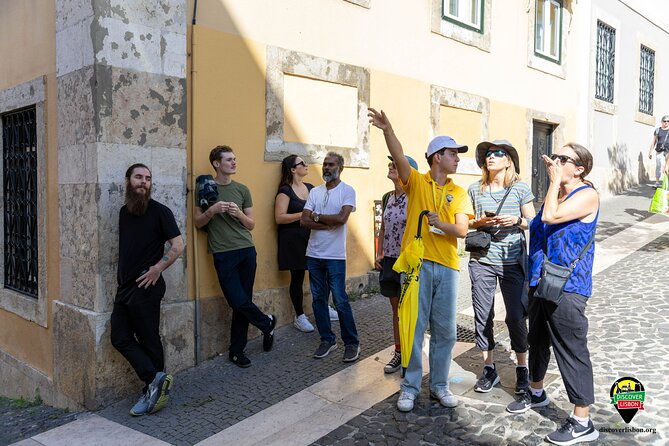
Alfama is best understood on foot. Its lanes were not laid out for modern traffic, and a map can become less useful once you move away from the broad streets near Rossio. A guide helps you spend less time checking your phone and more time noticing the old buildings, churches, slopes, and views.
The route begins at Praça do Rossio, also called Praça Dom Pedro IV. That is a handy starting point because it places you in the center of Lisbon before the walk turns toward the older quarters. You do not begin in an isolated corner of the city. You begin where several central streets and public transport connections meet.
I see this as an orientation walk rather than a full sightseeing package. The tour gives you a story of the city and a practical sense of direction. It does not appear to include paid admissions, and the listed stop at São Jorge Castle lasts only about 15 minutes. If entering the castle is your main goal, you should treat this walk as a preview and arrange a separate visit.
The experience is offered in English, with a mobile ticket and a maximum of 30 people per booking. The overall activity limit is listed as 100 people, so the group size may vary depending on the departure. A smaller group usually makes it easier to hear the guide and ask questions, while a larger one can feel slower on narrow lanes.
More Historical Tours in Lisbon
- Lisbon: History, Stories and Lifestyle Walking Tour
★ 4.8 · 10,902 reviews - Lisbon: Live Fado Show with Port Wine in Historic Center
★ 4.7 · 4,166 reviews - Lisbon: Fado Show with Wine in a Historic Venue
★ 4.8 · 1,294 reviews
Rossio Square starts the story
The walk opens at Praça do Rossio, or Praça Dom Pedro IV, for about 20 minutes. This is a useful place to begin because the square connects Lisbon’s modern visitor flow with its older core.
Your guide uses this opening stretch to set up the city’s story before leading you toward Alfama. That matters. If you start directly in the medieval lanes, you may notice attractive tiles and steep steps without understanding how the neighborhood fits into Lisbon as a whole.
The meeting point is Praça do Rossio, 1100-200 Lisboa. Pick-up from your hostel may be available depending on its location, but the stated meeting point is the square. I would plan to arrive there rather than rely on a pick-up unless the provider confirms it.
This first stop is not an admission-based attraction. It is a city square and a meeting place. Its value comes from context and orientation, not from spending a long time on a formal tour inside a monument.
Teatro Nacional Dona Maria II from the outside
The route continues to Teatro Nacional Dona Maria II, with about 10 minutes devoted to the theater. You see the building from the outside and hear about its place in Lisbon.
That short stop tells you something important about the walk. The guide is not trying to lead you through every major attraction in detail. Instead, the route links several landmarks while keeping the focus on the city’s streets and stories.
An exterior visit suits a walking tour because it keeps the group moving toward Alfama. You can take in the architecture, hear the essential background, and save time for the older neighborhood ahead. If you want a theater performance or an interior visit, this tour will not provide it.
I like this kind of brief stop when I am using a walk as a first look. It gives me enough information to decide what deserves a return visit. Just keep your expectations in check: 10 minutes is an introduction, not a full theater tour.
Igreja de São Domingos and the weight of Lisbon’s past
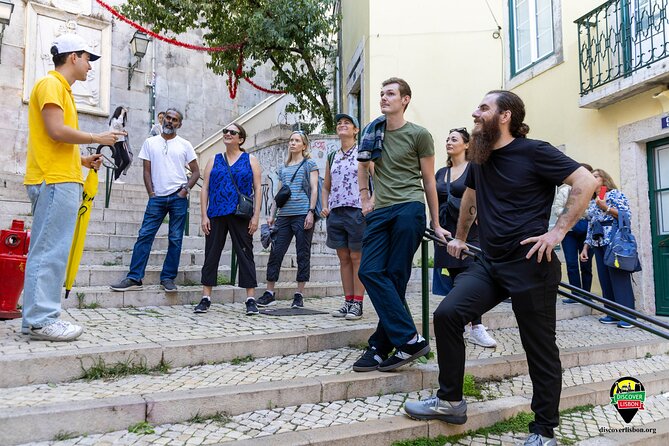
The stop at Igreja de São Domingos lasts about 15 minutes and includes going inside the church. That makes it one of the more substantial stops on the route, since you are not only viewing a facade from the street.
The guide shares the church’s history and unusual facts, giving you a chance to connect Lisbon’s past with a real interior space. Churches often reveal parts of a city’s story that a street walk cannot, and this stop breaks up the outdoor route in a useful way.
I would pay close attention here if you enjoy stories about how buildings change over time. The information provided does not promise a long guided visit or a private opening, so the experience remains brief. Still, entering the church adds variety and gives the walk a stronger sense of place.
The timing also shows why the guide’s storytelling matters. With only 15 minutes, you need someone who can select the details that make the building memorable. The positive feedback about Alex being informative and encouraging interaction suggests that his style suits this kind of stop, though your assigned guide may be different.
More Walking Tours in Lisbon
- Best of Lisbon Small-Group Guided Walking Tour
★ 5.0 · 4,869 reviews - Lisbon: Food and Wine Small Group Walking Tour
★ 4.9 · 4,082 reviews - Best of Lisbon Walking Tour: Rossio, Chiado & Alfama
★ 4.9 · 2,700 reviews - Age of Discoveries Walking Tour in Belém
★ 5.0 · 1,513 reviews
Heading uphill toward São Jorge Castle
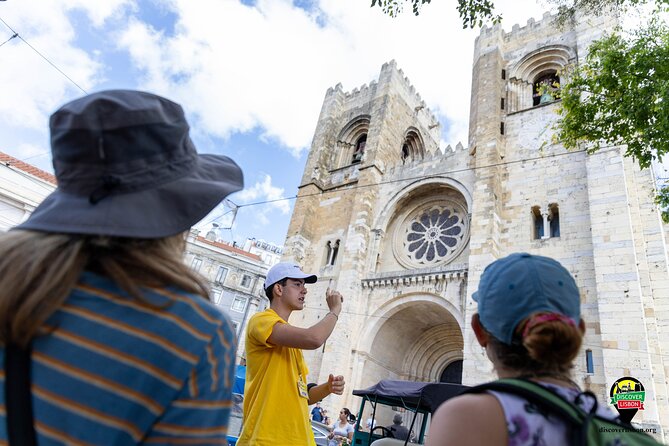
The walk then reaches Castelo de São Jorge, the hilltop castle in Lisbon’s Santa Maria Maior parish. The site has a very long human history, with occupation of the castle hill dating back at least to the eighth century BC and early fortifications dating to the first century BC.
The planned stop is about 15 minutes, and admission is listed as free within the tour. That wording means you should not assume a full paid castle visit is included. The schedule points to an exterior explanation or a short look around the castle area rather than enough time to explore every section at length.
Even a brief castle stop has real value. The hill explains much of Alfama’s shape, and the castle gives the guide a natural place to discuss Lisbon’s early defenses and the city’s growth around them. You also gain a clearer sense of why the neighborhood feels so steep and layered.
The climb is the part to take seriously. One guide was praised for a route that was a little hilly but manageable, with wonderful viewpoints. That is a fair description to keep in mind. You do not need elite fitness, but you should be comfortable walking uphill for an extended period and standing on uneven streets.
Wear shoes with a firm sole. Carry water, especially in warm weather. The tour does not include transportation tickets, so do not assume a vehicle will remove the uphill sections.
Viewpoints and the medieval street maze
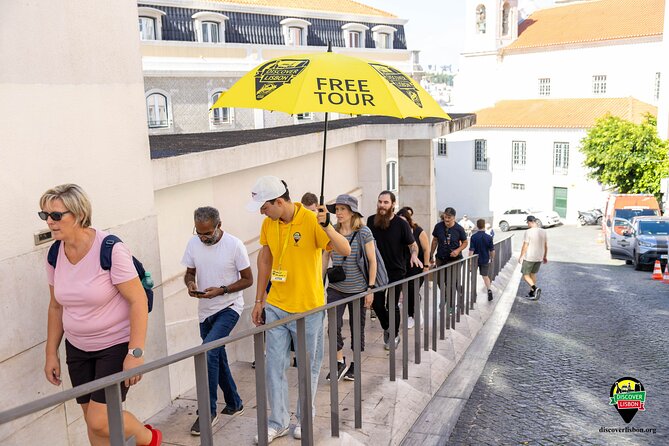
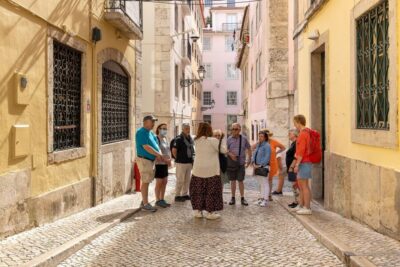
The itinerary highlights Alfama’s medieval maze, and that is the heart of the experience. You are not simply moving between isolated monuments. You are learning how to read a neighborhood where streets twist, narrow, climb, and occasionally open onto broad views.
A guide is most useful here when the route becomes confusing. You can follow the group without constantly stopping to work out which lane leads to the next sight. That makes the walk easier for a first visit and gives you enough confidence to return on your own later.
The exact viewpoints are not named, so I would not book this expecting a guaranteed visit to one particular terrace. Still, the route is designed around scenic points, and the positive feedback specifically calls out wonderful views. Your experience will depend on the guide, the pace of the group, and the route used that day.
This is also where an interactive guide can improve the walk. Alex was praised for encouraging participants to take part rather than simply delivering a long speech. Vivian was praised for useful tourist tips as well as information. Those details matter because Alfama is more enjoyable when you can ask practical questions as you go.
Finishing at Lisbon Cathedral
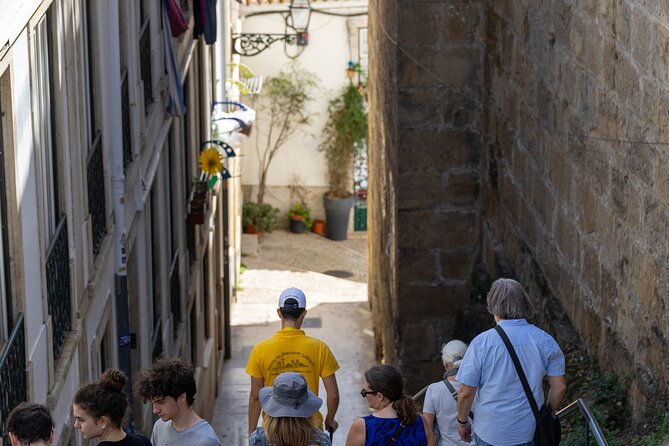
The tour ends at Lisbon Cathedral, Largo da Sé 1, 1100-585 Lisboa. The endpoint is well chosen. After moving through Rossio and Alfama, you finish beside one of the city’s best-known religious landmarks and in a useful area for continuing your day.
The end point also helps with planning. You can stay in the old quarter, find food nearby, continue toward other central sights, or use public transport. The activity itself does not include transportation tickets, so any onward journey is your own expense.
No interior cathedral visit is specified. I would regard the cathedral as the final landmark and orientation point, not as an included guided admission. If the cathedral interior is high on your list, check separately what you can visit and at what cost.
Ending here rather than returning to Rossio is another practical advantage. The walk feels like a one-way introduction to Lisbon’s older center, not a loop that brings you back to where you started. You should plan your afternoon from the cathedral area.
What the $3.62 price really means
At $3.62 per person, the booking price looks unusually low for a 2.5-hour guided walk. It is attractive if you want to limit your upfront cost or test a neighborhood with a guide before spending more on formal tours.
But this is a pay-what-you-feel model, not a fully complimentary activity. A contribution of €10 to €20 is not included in the listed price and should be part of your budget. One piece of feedback points out that the guide may ask for around €5 or more, while the supplied tour details give the broader suggested contribution of €10 to €20.
I would treat the higher range as the safer planning figure. The final amount is your choice, but expecting to pay nothing could create an awkward finish. The low booking fee covers access to the activity arrangement, while the guide contribution is the main payment for the person leading the walk.
Wine and ginjinha tasting are not included either. Ginjinha is a Portuguese sour-cherry liqueur, and tasting it may be offered separately, but you should expect to pay for it if you choose to take part. Transportation tickets also cost extra.
For the right person, the value is good. You receive a local guide, a long walking route, stories and legends, and help navigating one of Lisbon’s trickiest areas. If you already know Alfama well and have researched every major sight, the tour may add less. One piece of feedback even suggested that careful advance research might remove the need for the walk.
I would still choose the tour if you prefer learning through conversation and want your first hours in Lisbon to feel organized rather than improvised.
Who will enjoy this most
This walk suits a first-time Lisbon visitor who wants a quick mental map of the old city. It is especially useful if the thought of finding your own way through Alfama feels tiring or if you want practical tips from a local guide.
It also suits independent visitors who do not usually book expensive guided tours. The low initial price keeps the decision easy, while the pay-what-you-feel structure lets you decide what the experience was worth at the end.
You should be comfortable with moderate physical activity. The route takes about two and a half hours, includes hills, and moves through old streets that may be uneven or narrow. The supplied information allows service animals and notes that the tour is near public transportation, but it does not promise a fully step-free route.
I would be cautious about booking if you have trouble with inclines or need frequent rest stops. The tour may be manageable, but Alfama’s terrain is part of the setting and cannot be removed from the route.
A group of up to 30 people per booking is possible. If you prefer a quiet, highly personal walk, ask about the expected group size before booking. If you enjoy meeting people and hearing questions from others, a group can add energy, especially with a guide who encourages interaction.
How to make the most of the afternoon
Arrive at Rossio Square ready to walk, not ready for a formal indoor tour. Keep your phone charged because the ticket is mobile, and save the ending address at Lisbon Cathedral so you can plan your next stop.
Wear comfortable shoes and bring water. Since the route includes hills and viewpoints, you will appreciate carrying less rather than more. I would also leave room in your schedule after the tour instead of booking another fixed activity immediately afterward.
Listen for practical advice as well as dates and names. Vivian’s strength, based on the feedback available, is the mix of information and tourist tips. Alex’s strength is interaction. Those are useful qualities in a neighborhood where knowing how to move around can matter as much as knowing what you are looking at.
If you enjoy wine or ginjinha, carry a little extra spending money, but remember that tastings are not part of the stated price. Also plan for any bus, tram, or other transport ticket you may need later.
Free cancellation is available up to 24 hours before the start time for a full refund. Cancellations or changes made less than 24 hours ahead are not accepted for a refund, and the cut-off uses Lisbon local time.
Should you book this Alfama walk?
I would book it if you are new to Lisbon, like history told through stories, and want help getting through Alfama without losing your way. The strongest reasons are the clear Rossio to cathedral route, the church visit, the castle context, the viewpoints, and the chance to ask a local guide practical questions.
I would skip it if you want long visits inside every monument, a guaranteed small group, or a fully prepaid price with no suggested payment at the end. The $3.62 charge is only part of the cost, and the castle and theater stops are brief.
For most first-time visitors who can handle hills, this is a sensible orientation walk. Budget €10 to €20 for the guide, wear good shoes, and think of the tour as your introduction to Alfama rather than your complete visit to Lisbon’s oldest district.
FAQ
Where does the tour begin?
It begins at Rossio Square, also called Praça Dom Pedro IV, at Praça do Rossio, 1100-200 Lisboa, Portugal.
Where does the tour end?
The tour ends at Lisbon Cathedral, Largo da Sé 1, 1100-585 Lisboa, Portugal.
How long does the walking tour last?
The tour lasts approximately 2 hours and 30 minutes.
Is the tour offered in English?
Yes. The experience is offered in English.
Is the guide contribution included in the $3.62 price?
No. A contribution of approximately €10 to €20 for the guide is not included. The amount is left to your discretion.
Are wine and ginjinha tastings included?
No. Wine and ginjinha tasting are not included in the tour price.
Are transportation tickets included?
No. You must pay separately for any transportation tickets you use.
Can I cancel for a full refund?
Yes, if you cancel at least 24 hours before the experience start time. Cancellations or changes made less than 24 hours in advance are not eligible for a refund.
Recently reviewed around Lisbon
- Lisbon: Catamaran Luxury Sunset and Wine Tour★ 5.0 · 119 reviews
- Lisbon’s authentic Food and Wine tour with a Winemaker★ 5.0 · 67 reviews
- Morning Sailing Tour in Tagus River from Lisbon★ 5.0 · 68 reviews
- Lisbon: Belem Walking Tour with Jeronimos Monastery Tks Included★ 5.0 · 115 reviews
- PRIVATE Unforgettable Full Day Tour to Sintra from Lisbon★ 5.0 · 236 reviews
- Discover Lisbon’s Alfama: Secrets of the Old Town★ 5.0 · 104 reviews
- Sesimbra Wild Beach Tour from Lisbon★ 5.0 · 57 reviews
- Private Jeep Tour from Lisbon – Arrábida, Sesimbra & Beach Picnic★ 5.0 · 48 reviews
Historical Tours, compared.

Historical Sites, Wine Experience, Lunch & Cruise
Read our review →
Live Fado Show with Port Wine in Historic Center
Read our review →

Browse the lists this tour appears in