
Reviewed · COIMBRA & CENTRAL PORTUGAL TOURS
Portugal dos Pequenitos entry ticket
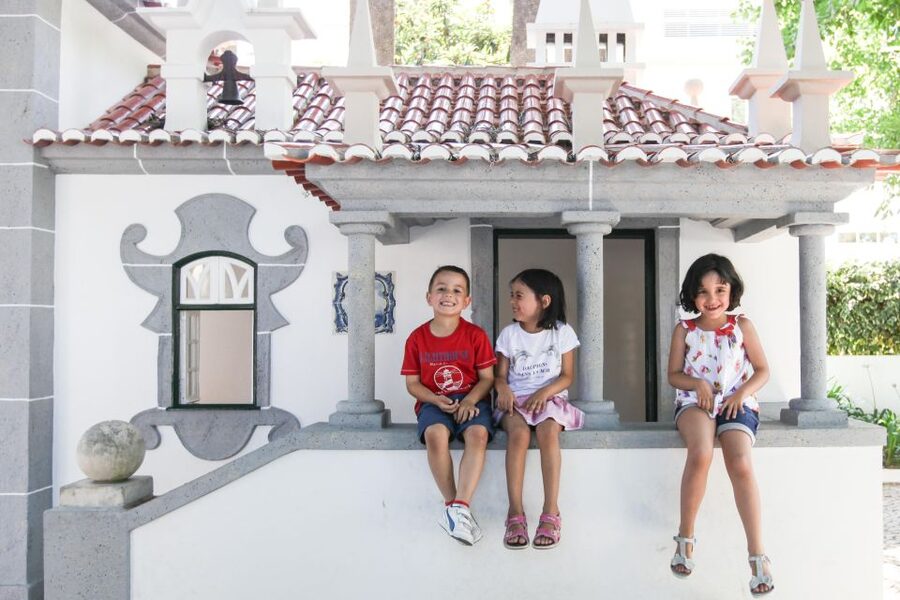
Portugal dos Pequenitos turns Portugal into a child-sized architectural atlas. In one compact park, you can move from northern houses to southern buildings, then continue into miniature versions of places linked to Portugal, including Brazil, Macau, India, Timor, and Portuguese-speaking African countries.
I like the range of architecture and the way the park connects buildings with local construction methods and traditional crafts. I also like that the ticket covers the exhibitions and programmed activities, so you are not paying separately at every corner. The main drawback is that some parts can feel dated, with electronic displays sometimes switched off and too little information beside individual areas.
In This Review
- Key points
- A miniature tour from northern Portugal to the south
- Cassiano Branco’s compact architectural plan
- Portugal and the World in one walk
- What you can do during a one-hour visit
- Why families tend to get more from the format
- The park’s strongest feature, and its weak spot
- Is the $17 entry fee good value?
- Allow extra time for ticket validation
- Accessibility and rules to know before arrival
- Who will enjoy Portugal dos Pequenitos most?
- My booking advice
- FAQ
- How long does a visit to Portugal dos Pequenitos take?
- What does the entry ticket include?
- Are guided tours included?
- Is Portugal dos Pequenitos wheelchair accessible?
- Can I cancel my booking for a refund?
- When is the park closed, and when is the last entry?
Key points
- Portugal in miniature: Follow architectural styles from the north of Portugal to the south in one 1.3-hectare park.
- Portugal and the World: See miniature representations and displays connected with Brazil, Macau, India, Timor, and Portuguese-speaking Africa.
- Designed by Cassiano Branco: The park’s original project came from a major name in modern Portuguese architecture.
- Flexible visit length: The stated visit time is one hour, but you can take longer if you stop for exhibitions and activities.
- Good family appeal: Children get small-scale buildings to explore, while adults can study regional design and cultural details.
- Bring patience at the entrance: Some bookings have needed voucher details sent by email before the tickets were accepted.
A miniature tour from northern Portugal to the south
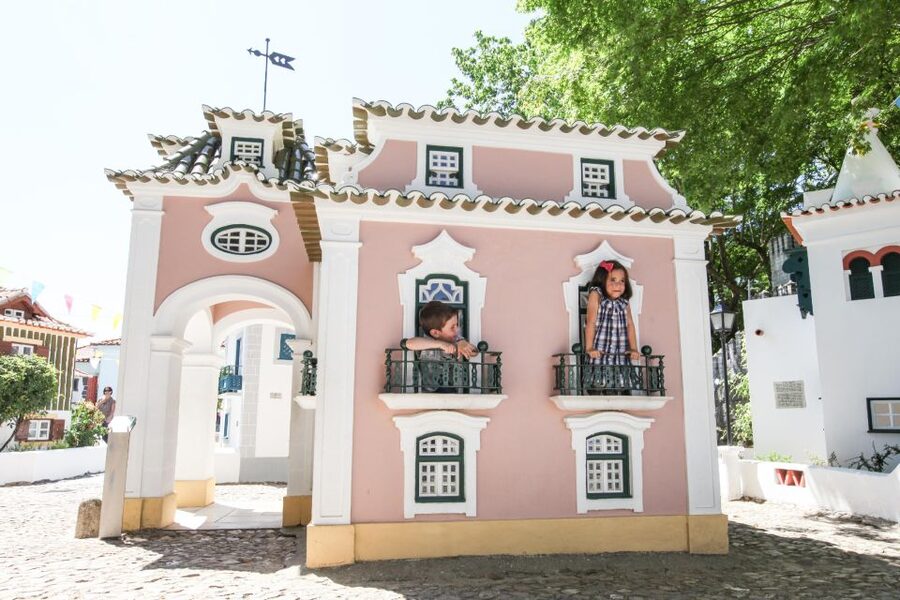
The first part of Portugal dos Pequenitos is a small-scale survey of Portugal itself. The idea is not simply to scatter pretty little buildings around a park. It is meant to show how architecture changes with regional materials, climate, terrain, and local habits.
You will see Portugal presented through different building styles and types of construction. The supplied description points to geomorphological factors, which is a useful way to read the park: homes and public buildings are shaped by the places where they are built. A visit can therefore work as a light introduction to regional Portugal, especially if you have not yet toured the country from end to end.
The miniature format makes comparison easy. You can look at one area, walk a short distance, and see another style without taking a train or changing regions. That is the basic pleasure of the park. It turns a large country into a walkable outline.
The park began as a display of Portugal’s heritage. Its early purpose focused on architectural styles, construction methods, and traditional crafts. That original aim still gives the place more substance than a collection of small buildings made only for photographs.
More Coimbra & Central Portugal trips worth a second look
- Batalha Monastery Entrance Ticket
★ 4.3 · 140 reviews - Coimbra Private Walking Tour with U.C. Tickets Early Access
★ 4.5 · 68 reviews - University of Coimbra – more complete and private visit, ticket included
★ 5.0 · 53 reviews
Cassiano Branco’s compact architectural plan
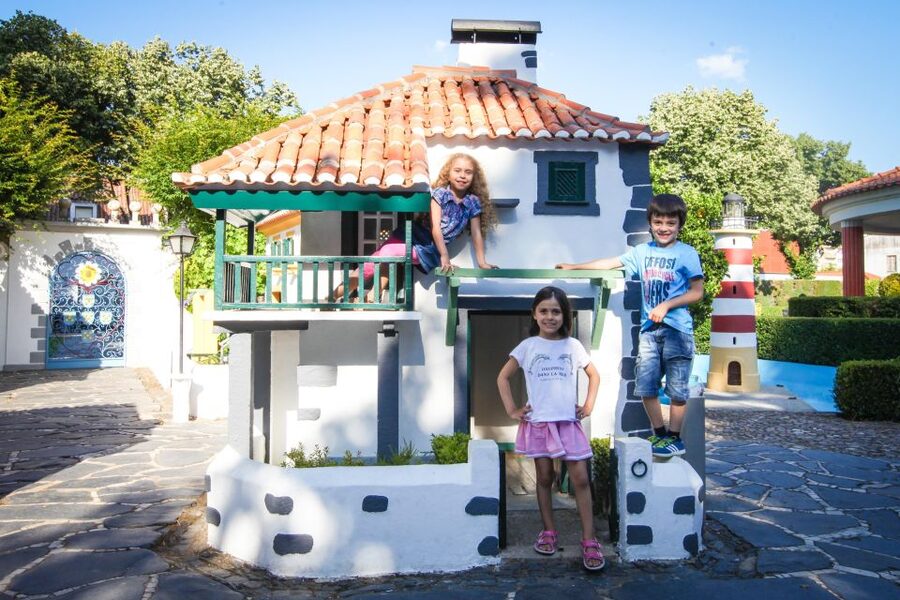
Portugal dos Pequenitos was designed by Cassiano Branco, one of the major figures in modern Portuguese architecture. Manuel de Jesus Cardoso directed the building work, bringing the plan into physical form.
That background matters because the park is not just a children’s attraction with random replicas. Its layout and buildings reflect a deliberate architectural project. You can appreciate it at two levels: children can move through small doors, courtyards, and streets, while adults can look at proportions, façades, rooflines, and regional differences.
The scale also changes the way you notice construction. A full-size building can overwhelm you with decoration or sheer size. Here, the smaller format lets you compare details quickly. You can focus on shape and design without needing a long explanation.
Still, do not expect a formal architecture lesson at every stop. Information beside each area can be limited. If you want detailed context for every miniature, you may find yourself wishing for clearer signs or a guide.
Portugal and the World in one walk
Later additions expanded the park beyond mainland Portugal. The area now known as Portugal and the World represents the ethnographic and monumental traditions of Portuguese-speaking African countries, Brazil, Macau, India, and Timor.
This section gives the visit a wider frame. Portugal’s cultural connections reach far beyond Europe, and the park presents that fact through buildings, displays, and interactive exhibitions. You get a quick visual introduction to places that shaped and were shaped by Portuguese history and culture.
The experience is necessarily selective. A miniature park cannot explain the full complexity of Brazil, India, Timor, Macau, or Africa in one visit. But it can prompt useful questions and give younger visitors a first sense that Portuguese culture is not limited to the country’s borders.
For adults, this is often the part that adds value beyond the cute factor. The tiny buildings are easy to enjoy, but the wider cultural scope gives the park a reason to visit even if you are not traveling with children.
What you can do during a one-hour visit
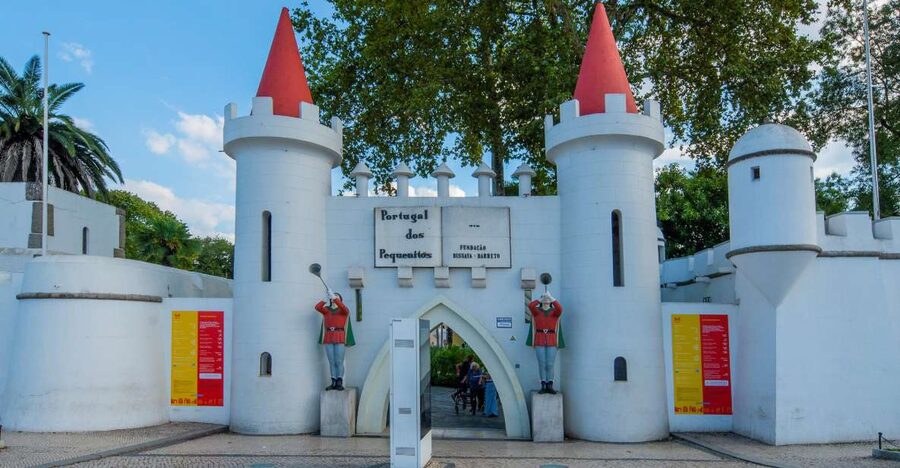
The advertised duration is one hour, and that is a sensible first estimate if you walk steadily through the main areas. You can see the principal miniature displays in that time, especially if you do not stop at every exhibit.
I would treat one hour as the minimum rather than a strict schedule. The park covers 1.3 hectares, and the ticket includes exhibitions and programmed activities unless a particular item is excluded. If an interactive display catches your attention, or if children want to inspect each building, the visit can take much longer.
The park itself says visitors decide how long to stay, with a visit potentially lasting a full day. That does not mean every visitor needs a whole day. It means the ticket gives you room to slow down, revisit areas, and spend time with the exhibitions rather than racing through a fixed route.
A practical approach is to make one complete circuit first. Then return to the sections that interest you most. Children may prefer the buildings they can approach and examine, while adults may want another look at regional architecture or the Portugal and the World displays.
A different kind of day out, same corner of Portugal:
- From Lisbon: Fatima, Batalha, Nazare, Obidos – Small Group
★ 4.8 · 2,031 reviews - Coimbra: Live Fado Show with Glass of Port Wine
★ 4.7 · 998 reviews - University of Coimbra guided tours without queue
★ 5.0 · 518 reviews - Guided tour of the University and city of Coimbra.
★ 5.0 · 377 reviews
Why families tend to get more from the format
The park’s scale gives children an immediate way into Portuguese culture. A standard museum can ask young visitors to stand quietly in front of large objects. Here, the buildings are the attraction, and the small scale encourages movement and discovery.
That does not make the park only for children. Adults who enjoy buildings, design, and cultural connections can find plenty to examine. The best visit is one where you treat the miniatures as more than a backdrop for photos.
The lack of information beside some areas may matter more to adults than to children. If you want to understand the meaning of each structure, plan to read whatever material is available and allow time for the exhibitions. A guided tour could help, but it must be arranged directly with the park, depends on availability, and costs extra.
Unaccompanied minors are not allowed, so children need to visit with an adult. The rules also prohibit party groups, including bachelor and bachelorette groups. This is a family and cultural attraction, not a venue for a noisy group outing.
The park’s strongest feature, and its weak spot
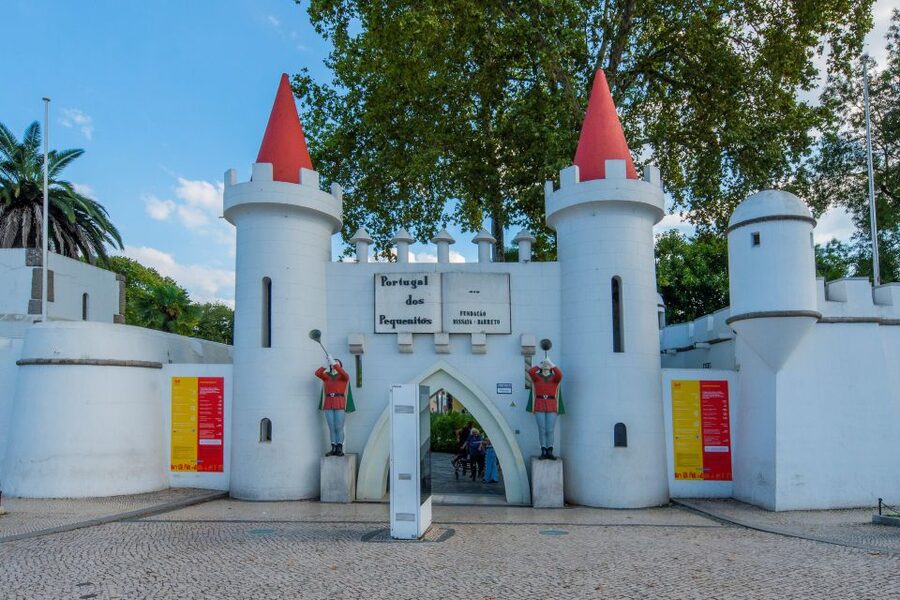
The strongest feature is the park’s clear idea. Portugal dos Pequenitos lets you compare the country’s architectural regions and then widens the view to Portuguese-speaking parts of the world. That is a smart use of a miniature setting.
The park also remains attractive when it is well maintained. A recent assessment described the space as beautiful and well conserved, which matches the appeal of carefully kept miniature buildings. At the same time, maintenance is not perfectly consistent.
Some electronic information panels have been reported as switched off, and the park can feel outdated in places. Signage beside individual areas may not give you enough background. If you expect polished, modern interactive technology throughout, the experience may disappoint.
I would book it for the buildings and the cultural idea first, and treat the electronic displays as an extra. That way, a nonworking screen does not spoil the main visit.
Is the $17 entry fee good value?
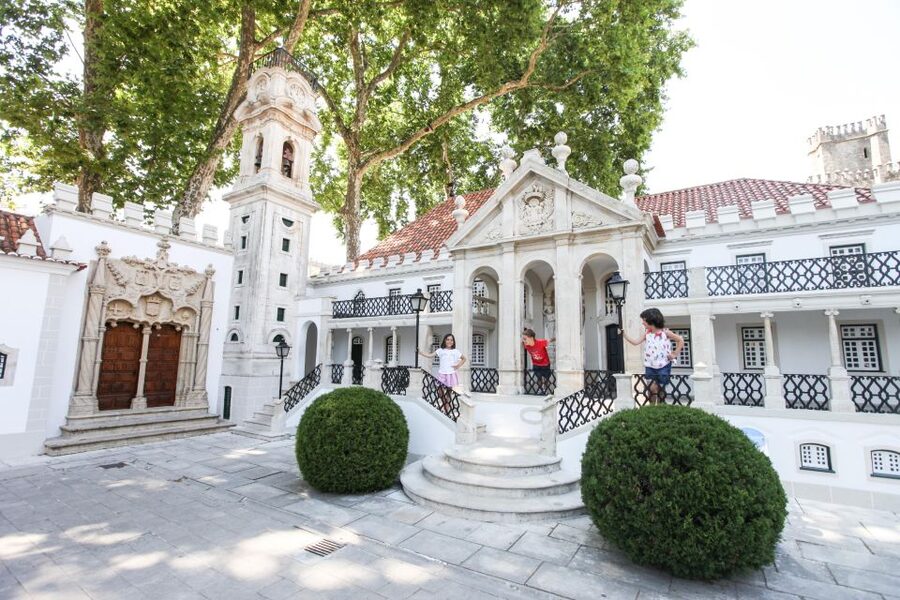
At about $17 per person, the ticket is reasonably priced if you use it as a cultural attraction rather than a quick photo stop. The fee includes the visit, exhibitions, and programmed activities unless an item is specifically excluded. There is no separate charge for a standard guided walk because a guided tour is not included at all, but you can visit independently.
The value improves if you spend more than the basic hour. A fast visit gives you a look at the main buildings, but a slower visit lets you examine Portugal’s regional styles and the displays connected with Brazil, Macau, India, Timor, and Portuguese-speaking Africa.
The price is less convincing if you expect a fully updated attraction with detailed interpretation at every stop. The dated sections and occasional inactive electronic signs mean the park does not offer the same level of polish everywhere.
One useful point is that buying through the booking platform has been reported to cost the same as the park ticket office. That removes one common reason to avoid advance booking. You can also reserve now and pay later, which helps if your schedule is still changing.
Allow extra time for ticket validation
There is one practical issue worth taking seriously. Some bookings have not been validated immediately at the entrance. Instead, visitors have had to send an email containing the voucher link before staff accepted the booking.
This does not mean every entry will be difficult. One purchase worked well and cost the same as the ticket office. Still, save your voucher link before you arrive, keep access to your email, and allow a few extra minutes at the entrance.
The last entry is 30 minutes before closing. Do not plan to arrive at the final moment, especially if you need to resolve a voucher question. The park closes on Christmas Day, December 25.
The available host languages are English, French, Portuguese, Spanish, and Tagalog. That can help if you need basic assistance at the entrance or have a question about the visit. It does not mean a guided tour in each language is automatically included.
Accessibility and rules to know before arrival
The park is wheelchair accessible. That is useful for visitors who need step-free access, though the supplied information does not describe every surface, restroom, or individual exhibit. If you need precise details about a particular route, contact the park before booking.
Large bags, oversize luggage, and mobility scooters are not allowed. Pets, bikes, skateboards, surfboards, drones, and fishing equipment are also prohibited. The rules ban smoking, alcohol and drugs, weapons or sharp objects, fireworks, explosives, and fire.
Other restrictions are unusually specific. Swimwear, bare feet, climbing, jumping, making noise, touching plants or animals, and party groups are not permitted. These rules point to a controlled park setting where the miniature structures and displays are meant to be looked at rather than climbed or handled.
A guided tour is not included in the entry fee. You must book it directly with Portugal dos Pequenitos, and it is subject to availability. The extra charge varies according to the size of the group or whether you book as an individual, and payment is made at the park ticket office.
Who will enjoy Portugal dos Pequenitos most?
I would recommend this experience most strongly to families, architecture fans, and anyone who wants a gentle cultural stop rather than a long formal museum visit. Children get a playful setting, while adults get a compact overview of Portuguese building traditions.
It also suits visitors with limited time. One hour is enough to make the ticket worthwhile if you keep moving, and you can extend the visit if the exhibitions and programmed activities appeal to you.
You should set your expectations carefully if you want modern technology, dense written information, or a polished attraction at every turn. The park’s best material is its physical setting and its unusual cultural scope. The weaker parts are uneven upkeep, inactive electronic displays, and limited information beside some areas.
I would also think twice if you dislike attractions built around miniatures. The central idea is the scale. If tiny buildings do not interest you, the park’s cultural message may not be enough to carry the whole visit.
My booking advice
Portugal dos Pequenitos is worth booking when you want an easy, family-friendly way to see Portugal’s regional architecture and its wider Portuguese-speaking connections. The $17 price is fair when you allow time for the full site and exhibitions, not just a quick walk past the buildings.
Book it with realistic expectations. You are choosing a distinctive historic miniature park, not a newly built high-tech attraction. Save your voucher link, arrive before the last-entry cutoff, and consider a paid guided tour only if you want more explanation than the signs provide.
If you enjoy architecture, bring your curiosity. If you are traveling with children, let them set part of the pace. The park works best when you give the small buildings time to tell the larger story.
FAQ
How long does a visit to Portugal dos Pequenitos take?
The listed duration is one hour, but you can decide how long to stay. The 1.3-hectare park, exhibitions, and programmed activities can take longer to explore, with visits potentially lasting a full day.
What does the entry ticket include?
The entry fee includes the visit, exhibitions, and programmed activities unless otherwise stated.
Are guided tours included?
No. Guided tours must be booked directly with the park, depend on availability, and cost extra. The fee varies by group size or individual booking and is paid at the park ticket office.
Is Portugal dos Pequenitos wheelchair accessible?
Yes, the activity is listed as wheelchair accessible.
Can I cancel my booking for a refund?
Yes. You can cancel up to 24 hours in advance for a full refund.
When is the park closed, and when is the last entry?
The park is closed on Christmas Day, December 25. Last entry takes place 30 minutes before closing.
Recently reviewed around Coimbra & Central Portugal
- Nazaré – Jeep Safari★ 5.0 · 76 reviews
- Soft Canyoning, river Ceira, Góis, Serra da Lousa, Coimbra★ 5.0 · 48 reviews
- Schist Villages at Lousa Mountain★ 5.0 · 127 reviews
- Lousa Mountain Private Tour★ 5.0 · 88 reviews
- Time travel at the Convent of Christ Tomar★ 5.0 · 56 reviews
- Convent of Christ Tour “Portugal in the Map” – Visit Tomar with a local guide!★ 5.0 · 105 reviews
- Schist Villages of Lousã Mountain, half-day from Coimbra★ 5.0 · 42 reviews
- Conimbriga and The Roman Tour★ 5.0 · 132 reviews
Coimbra & Central Portugal Tours, compared.

Fatima, Batalha, Nazare, Obidos – Small Group
Read our review →
University of Coimbra guided tours without queue
Read our review →
Guided tour of the University and city of Coimbra.
Read our review →

Medieval Tales & Secrets Spots Guided Walking Tour
Read our review →
Browse the lists this tour appears in