
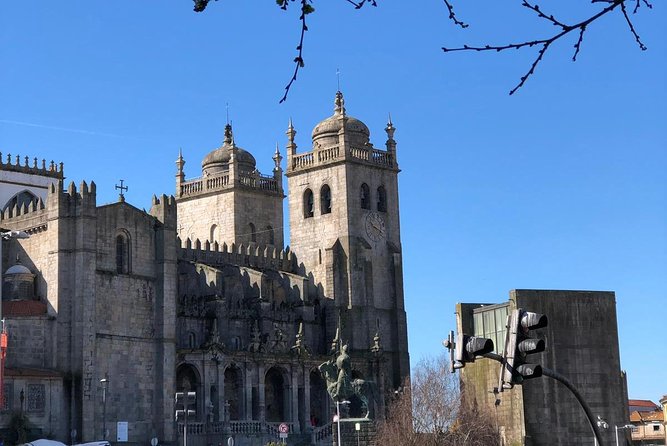
Reviewed · WALKING TOURS
Porto Walking Tour
Porto’s past comes into focus on this three-hour walk, where churches, viewpoints, tiled walls, and old streets are tied to Portugal’s Roman roots, Napoleonic invasion, nineteenth-century civil war, and Salazar’s dictatorship. The route finishes beside the Douro in Ribeira, so you get both the city’s high viewpoints and its riverfront heart.
I like the small-group feel, with a published maximum of 15 and some outings running with only a handful of people. I also like the port tasting, light snack, and practical restaurant advice from guides such as Nuno, Sid, and David. The main drawback is Porto’s pavement: expect steep slopes, stairs, narrow lanes, and uneven cobbles.
In This Review
- Key points to know before you book
- Why this is a smart first morning in Porto
- Starting at Porto Cathedral
- Clerigos, the Cordoaria Garden, and the Salazar years
- The Vitória viewpoint and Porto’s wars
- Avenida da Liberdade and São Bento Station
- Porto’s oldest quarter and the road to Ribeira
- The port tasting and what it adds
- The guides: Nuno, Sid, and David
- Pace, group size, and physical effort
- Who will get the most from this walk
- Booking timing, weather, and cancellation
- Should you book the Porto Walking Tour?
- FAQ
- How long is the Porto Walking Tour?
- How much does the tour cost?
- What language is the tour offered in?
- Where does the tour start?
- Where does the tour end?
- Does the tour include a port tasting?
- How large is the group?
- Can I cancel for a full refund?
Key points to know before you book
- A three-hour introduction to Porto: The route links the cathedral, Clerigos area, Vitória viewpoint, Avenida da Liberdade, São Bento Station, the old quarter, and Ribeira.
- History with local detail: You hear about Roman settlement, Salazar’s dictatorship, the Napoleonic invasion, the nineteenth-century civil war, and the city’s religious and political past.
- Port tasting included: The walk includes a glass of port and a light snack, with guidance on tasting and judging the wine’s quality and origin.
- English-speaking guides: Nuno, Sid, and David are among the guides associated with the experience, each praised for clear explanations, humor, and useful local advice.
- Good route for first-time visitors: The tour begins near Rua de São Filipe de Nery at 10:00 a.m. and ends at Ribeira Square beside the Douro.
- Bring sensible shoes: Porto is walkable, but this is not a flat stroll. Sloping streets and cobbled surfaces are part of the deal.
Why this is a smart first morning in Porto
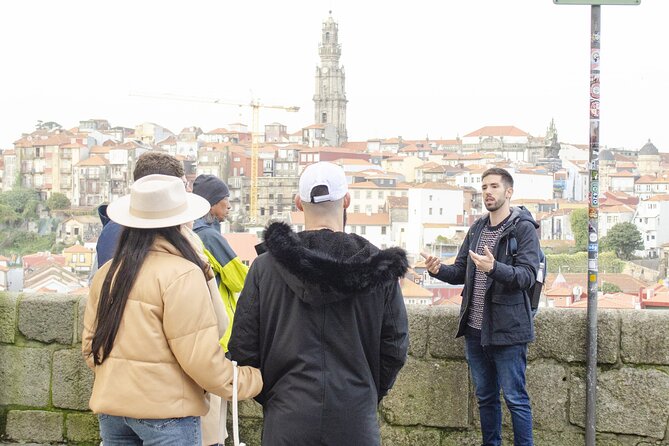
I would use this walk to get my bearings early in a visit. Porto can feel confusing at first because the upper city, lower riverfront, churches, bridges, and narrow lanes are packed into a surprisingly hilly area.
A guide helps you see the connections. Instead of treating Clerigos Tower, the cathedral, São Bento Station, and Ribeira as separate photo stops, the tour explains how religion, trade, government, war, and transport shaped the city.
The timing also works well. Starting at 10:00 a.m. gives you a full morning, and finishing at Ribeira places you near the Douro for lunch or further exploring. You can then return to places that caught your eye, or use the guide’s suggestions to plan the rest of your stay.
The price is $24.14 per person. For roughly three hours, that is a fair deal, especially since the walk includes a glass of port and a light snack. You are also paying for orientation and local context, not simply a procession past famous buildings.
This is not the right choice if you want a slow, private photo walk with long pauses at every monument. It is better for someone who wants a clear route, plenty of explanation, and a useful overview before exploring alone.
More Walking Tours in Porto
- Porto Walking Tour, Lello Bookshop, River Cruise and Cable Car
★ 5.0 · 3,354 reviews - Experience Porto’s Charm: 3-Hour Guided Walking Tour
★ 5.0 · 2,432 reviews - Porto: 3-Hour Guided City Highlights Walking Tour
★ 4.8 · 2,050 reviews
Starting at Porto Cathedral
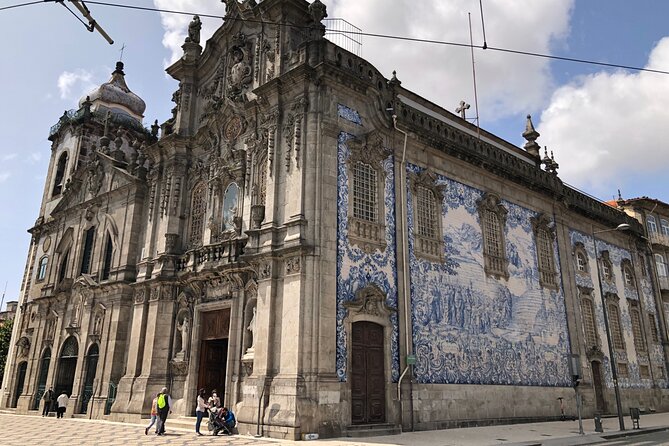
The tour’s first major stop is Porto Cathedral, known locally as the Sé. Here, you begin with the broad story of Portugal and Porto rather than jumping straight into decorative details.
That opening matters. Porto’s identity is tied to its position near the Douro, its trade, its religious institutions, and its long connection with northern Portugal. A guide can give you a framework for the buildings you will see later.
The cathedral area is also a good place to begin because it helps you understand Porto’s two-level character. From the upper streets, you can sense how quickly the city drops toward Ribeira and the river.
The walking route then moves through several historic monuments. The exact pace depends on the group and the guide, but the format is built around short stops, conversation, and movement rather than a long indoor lecture.
Clerigos, the Cordoaria Garden, and the Salazar years
The walk passes through Jardim da Cordoaria and by Porto’s courthouse before reaching the Clerigos area. These stops add a less postcard-focused side of the city.
The courthouse provides a setting for discussion of the Salazar dictatorship. This is one of the tour’s more useful features because it connects grand buildings and public spaces with Portugal’s modern political past. You are not hearing only about kings, churches, and old stone.
Clerigos Tower is one of Porto’s best-known landmarks and a city symbol. The route places it within the wider center, where streets, churches, and civic buildings sit close together.
Some outings have included entry into a church near Clerigos without waiting in a line, but entry arrangements can vary. Do not book this walk on the assumption that a particular interior visit or tower climb is guaranteed. The dependable part is the outdoor route and the guide’s explanation.
If you want to climb Clerigos Tower, check separately before booking. The information provided for this experience identifies the tower as a key area, but does not promise a tower admission.
The Vitória viewpoint and Porto’s wars
After the central monuments, the group climbs toward Miradouro da Vitória. This viewpoint is one of the best reasons to choose a walking tour instead of staying only on the main shopping streets.
From here, you get a broad view over Porto, including the city’s rooftops and the Douro area. The sight gives you a better sense of Porto’s steep layout, which is hard to grasp from street level.
The guide uses the viewpoint to discuss the Napoleonic invasion and the Portuguese Civil War of the nineteenth century. These subjects help explain why Porto has such a strong civic identity and why its buildings carry layers of political and military memory.
The climb is manageable for most people who can take part in a normal three-hour city walk, but you should not mistake manageable for flat or effortless. Porto’s gradients are real. Take shoes with firm soles, and be ready for pauses while the guide waits for the group.
The viewpoint is also a useful rest in practical terms. You get a chance to stop, look around, and ask questions before continuing through the center.
More Porto walks with a guide:
- Porto: Wine Tasting with Tapas Walking Tour
★ 4.4 · 1,541 reviews - Porto: Historic City Center Walking Tour
★ 4.7 · 1,172 reviews - Porto’s #1 Walking Tour
★ 5.0 · 1,026 reviews - Porto: Delicious Food and Wine Walking Tour
★ 4.8 · 977 reviews
Avenida da Liberdade and São Bento Station
The route continues along Avenida da Liberdade and ends inside São Bento Station, one of Porto’s most memorable public interiors.
São Bento occupies the site of an old convent, and its famous tiled hall is more than a quick photo stop. The blue-and-white panels show scenes from Portuguese history and daily life. A good guide can point out not only what the tiles depict, but also how they were made and how the station was built.
That extra explanation changes the experience. Without context, it is easy to glance at the walls, take a picture, and move on. With a guide, you can look at the images as part of Porto’s effort to present its national story in a railway station.
The station is still a working transport hub, so it can be busy and noisy. That is part of its appeal, but it also means you may not get a quiet, museum-like visit.
The route is geographically sensible. Moving from the upper center toward São Bento and then into the older quarter keeps the morning from feeling like a series of random detours.
Porto’s oldest quarter and the road to Ribeira
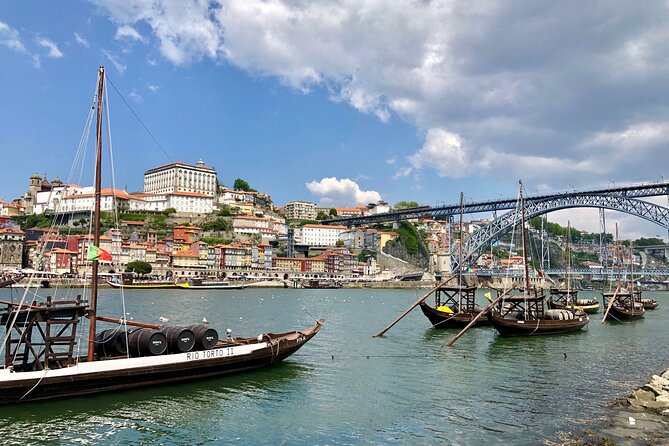
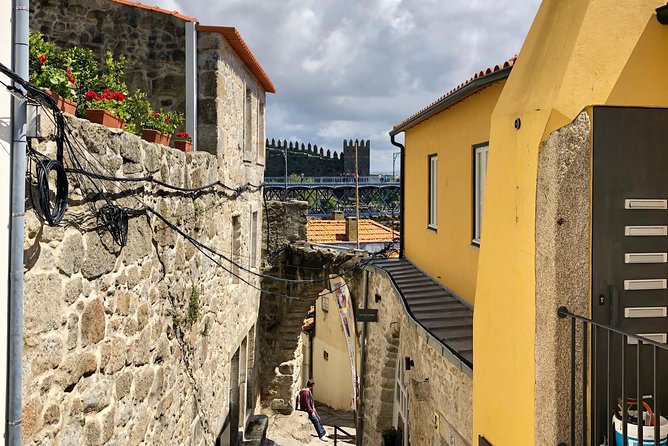
The walk also enters Porto’s oldest and most traditional neighborhood. Here, the focus shifts from major monuments to the survival of customs and everyday character from Roman times to the present.
This is where the tour can feel most grounded. You are not only looking at famous façades. You are moving through streets that show how Porto developed over centuries, with old lanes and changing slopes leading toward the river.
The final destination is Praça da Ribeira, beside the Douro. Ending here gives you a natural next step: stay for lunch, walk along the river, cross the bridge, or use the square as a reference point for later wandering.
The riverfront is also where Porto can feel most tourist-oriented. That makes the guide’s restaurant suggestions useful. David and Nuno have been especially praised for pointing people toward smaller, more traditional Portuguese places away from the busiest riverside choices.
I would write down recommendations during the walk. Restaurant advice is easy to forget by the time you reach Ribeira, and the end of the tour is a good moment to ask where to eat next.
The port tasting and what it adds
The tasting is a small part of the morning, but it gives the tour a welcome change of pace. You receive a glass of port and a light snack, and the guide explains how to appreciate the wine.
This is not a full winery visit or a long cellar tour. Think of it as a short introduction that connects port with Porto’s commercial and cultural identity.
The most useful detail is the guidance on checking the wine’s provenance and quality. You get more than a sample to drink. You learn what to pay attention to when ordering port later in the trip.
The tasting also breaks up the walking. Porto’s hills can make three hours feel longer than the clock suggests, so a seated or slower-paced pause is welcome.
If you do not drink alcohol, the supplied information does not specify a nonalcoholic replacement. You may want to ask the provider before booking if that matters to you.
The guides: Nuno, Sid, and David
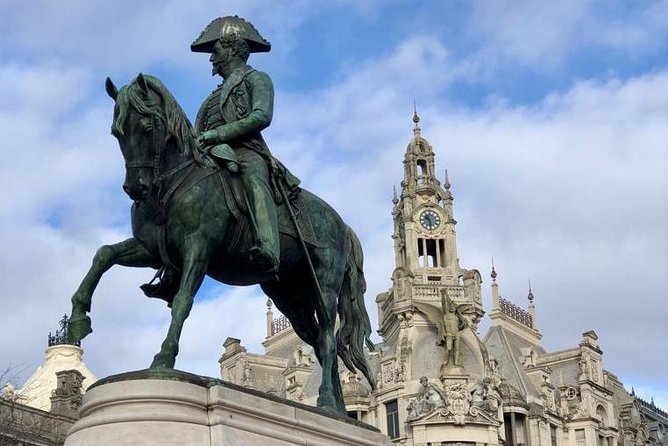
The experience is closely tied to the guide leading your departure. Nuno is described as friendly, funny, and strong on local recommendations. His English is clear, and his approach seems well suited to a small group that wants room for questions.
Sid is presented as a history major who grew up in the area. His style is patient and flexible, with time to stop, look closely, or discuss a point that interests you.
David is associated with the company and is praised for storytelling, historical detail, and thoughtful advice about Porto today. He has also led small groups with families, including children aged 12 and 14.
You may not be able to select a specific guide when booking. Still, the names are useful because they give you a sense of the range of people leading the walk.
The strongest common thread is the teaching style. The guides do not simply identify a church or point toward a viewpoint. They explain why a site matters and connect it to Porto’s politics, religion, wine trade, and daily life.
Pace, group size, and physical effort
The published maximum is 15 people. That is still small enough for questions, though the experience will feel more personal with six or ten people than with a full group.
Several outings have operated with very small numbers, including a family-only walk. That can make the route feel almost private, but you should book based on the stated cap rather than expecting a private tour.
The pace is described as easy and accommodating, but the surfaces are not. You will walk on pavements, cobbled streets, narrow lanes, and streets with changing gradients.
Most people who can manage an ordinary city walk should be able to participate. The activity information says most participants can take part, and service animals are allowed. It is also near public transportation.
I would avoid bringing a large wheeled suitcase. The supplied details do not set a luggage policy, but Porto’s cobbles and slopes are not kind to rolling bags. A small day bag is more sensible.
Who will get the most from this walk
This tour suits a first visit, especially if you want history explained in plain English and do not want to spend your first day piecing the city together alone.
It also fits families with older children. David’s outings have worked well for children aged 12 and 14, and the combination of viewpoints, station tiles, port, and stories gives younger visitors more variety than a long museum visit.
You will get the most from it if you enjoy asking questions. The small-group format allows conversation, and the guides are described as willing to adjust the pace and respond to individual interests.
It is less suitable for anyone seeking a fully accessible, flat route. The activity details do not promise wheelchair access, and the hills, stairs, and cobbles could be difficult. Contact the provider before booking if you have specific mobility needs.
Booking timing, weather, and cancellation
The activity is often reserved about six days before departure, so booking several days ahead is sensible if your schedule is tight.
You receive confirmation at booking unless you reserve within 12 hours of the start. In that case, confirmation comes as soon as possible and depends on availability.
Free cancellation is available up to 24 hours before the 10:00 a.m. start for a full refund. Changes or cancellations inside that 24-hour window are not accepted for a refund.
The walk requires good weather. If poor weather cancels it, you are offered another date or a full refund. The same applies if the minimum number of participants is not reached.
Should you book the Porto Walking Tour?
I would book it as an opening activity, not as the only thing you do in Porto. In three hours, you see the city’s major historic areas, hear about subjects ranging from Rome to Salazar, take in a strong viewpoint, visit São Bento, and finish at the Douro.
The $24.14 price makes sense if you value clear orientation and local food advice. The included port tasting and snack add a little more value, though the real benefit is having Nuno, Sid, David, or another guide connect the city’s scattered sights.
Book it if you want a friendly English walk, useful context, and a route that mixes famous landmarks with older streets. Skip it if steep cobbles are a serious concern, or if you prefer exploring alone at a very slow photographic pace.
FAQ
How long is the Porto Walking Tour?
The tour lasts approximately three hours.
How much does the tour cost?
The listed price is $24.14 per person.
What language is the tour offered in?
The tour is offered in English.
Where does the tour start?
The meeting point is on Rua de São Filipe de Nery in Porto. The start time is 10:00 a.m.
Where does the tour end?
The tour ends at Ribeira Square, Praça Ribeira, next to the Douro River.
Does the tour include a port tasting?
Yes. The experience includes a glass of port and a light snack, according to the tour details provided.
How large is the group?
The published maximum is 15 participants. Some departures may be smaller.
Can I cancel for a full refund?
Yes. You can cancel at least 24 hours before the start time for a full refund. Poor weather or failure to meet the minimum number of participants may also result in a different date or a full refund.
Recently reviewed around Porto
- Douro Valley Prime Tour: Wine Tastings, Boat & Lunch from Porto★ 5.0 · 572 reviews
- Private Vinho Verde Region Wine Tour from Porto Including Lunch★ 5.0 · 39 reviews
- Port Wine Tour | 3 Cellars | 7 Tastings | 12 Participants Maximum★ 5.0 · 443 reviews
- PORTO city Walking Tour★ 5.0 · 132 reviews
- Visit to Cockburn’s Cellars★ 5.0 · 526 reviews
- Wine Tasting with Tapas Walking Tour in Porto★ 4.5 · 544 reviews
- Porto to Lisbon with stop Aveiro-Fátima-Coimbra-Tomar-Nazaré-Óbidos★ 5.0 · 67 reviews
- 3 Hour Tuk tuk Tour in Porto★ 4.5 · 60 reviews
Walking Tours, compared.
Best of Lisbon Small-Group Guided Walking Tour
Read our review →
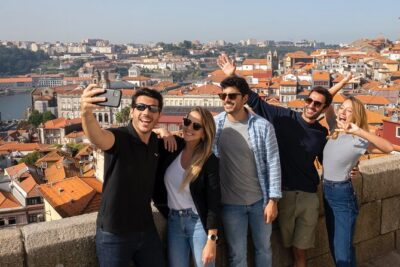
Porto Walking Tour, Lello Bookshop, River Cruise and Cable Car
Read our review →
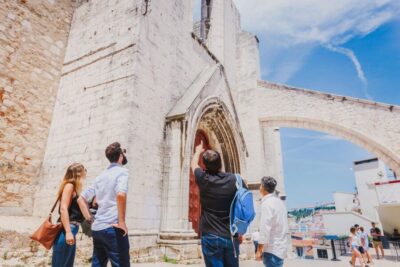
Best of Lisbon Walking Tour: Rossio, Chiado & Alfama
Read our review →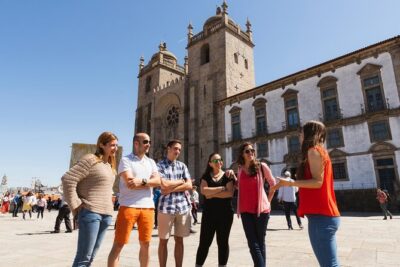
Experience Porto’s Charm: 3-Hour Guided Walking Tour
Read our review →
Enjoy a Guided Levada Walk in the Rabaçal Valley
Read our review →Browse the lists this tour appears in