
Reviewed · WHALE WATCHING
Horta: University Startup Whale and Dolphin RIB Boat Trip
The Azores are one of Europe’s best places to search for whales, and this three-hour RIB trip adds a useful scientific angle. A marine researcher from the University of Lisbon and the Azores joins you on board, explaining animal behavior while the skipper works with land-based whale spotters to find wildlife.
I like the small 16-person boat, which keeps the group manageable, and I like the research connection, since part of the work supports data collection. The main caution is the sea itself: a semi-rigid boat can ride hard in rough weather, and you may get wet even with the supplied waterproof clothing.
In This Review
- Key points before you book
- Why Horta is a fine place to search for whales
- Starting at Horta Marina with the whale spotters
- What the 16-passenger RIB feels like
- A marine researcher makes the sightings easier to understand
- The wildlife search, from first dolphins to large whales
- Birds, turtles, and smaller surprises
- Weather is part of the decision
- Is $101 a fair price?
- Who will enjoy this Horta whale trip most
- Booking details that matter
- Should you book Naturalist Science & Tourism?
- FAQ
- Where does the whale-watching trip begin?
- How early should I arrive?
- How long does the activity last?
- What departure times are available?
- What whales could I see?
- What dolphins live in the area?
- Is a marine researcher included?
- What is included in the price?
- Can I cancel the booking?
Key points before you book
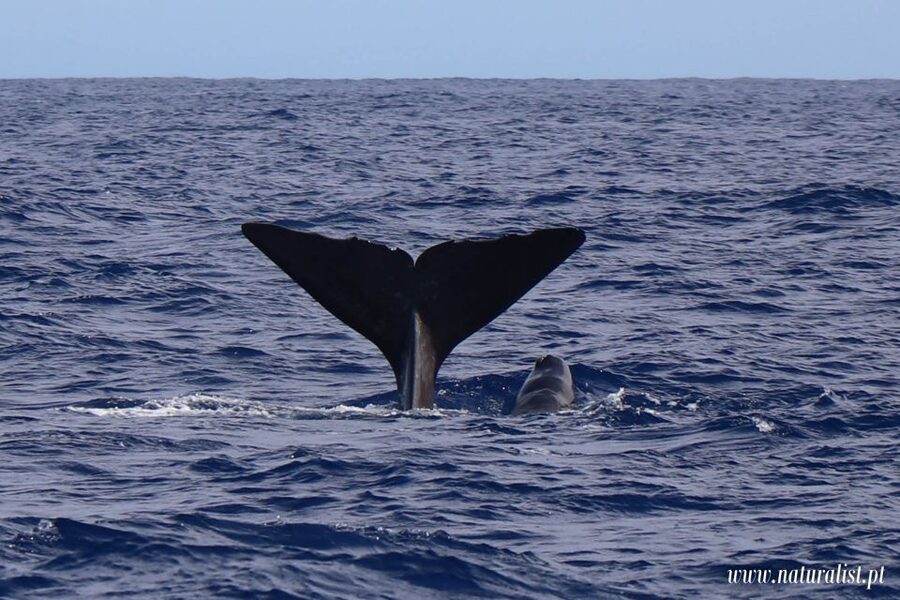
- Sperm whales live here year-round, while blue, fin, humpback, sei, and Bryde’s whales appear at different times of year.
- Land-based whale spotters guide the boat, giving the crew a better chance of finding animals in the wide Atlantic.
- A university marine researcher rides along, offering current information about whales, dolphins, turtles, birds, and other sea life.
- The 16-passenger RIB feels personal, but it also exposes you more to wind, spray, and rough water than a larger vessel.
- A normal trip may show two or three cetacean species, though sightings depend on weather, season, and animal behavior.
- Waterproof jackets and trousers are included, but quick-drying or waterproof shoes remain a smart choice.
Why Horta is a fine place to search for whales
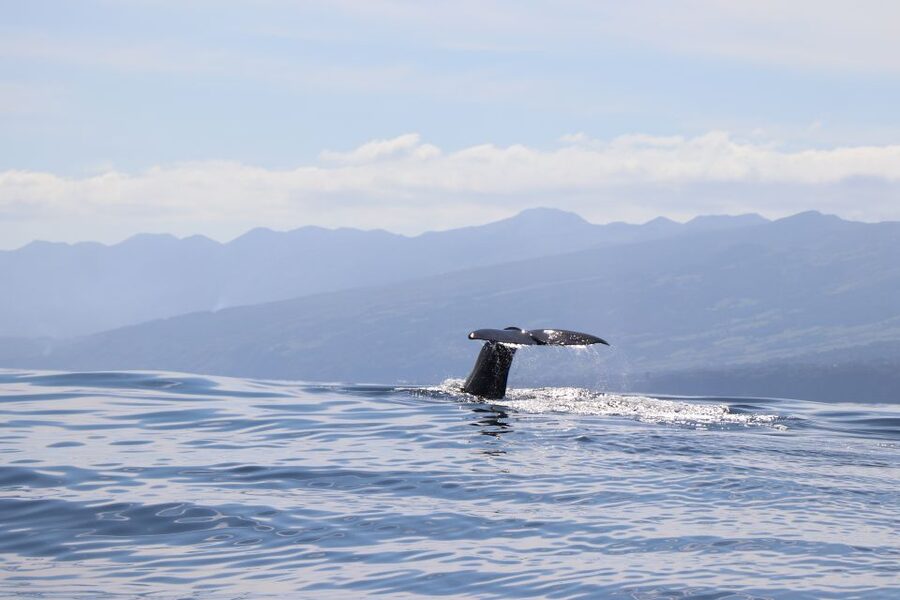
Horta sits on Faial Island, in the central Azores, with Pico Island rising across the channel. The surrounding Atlantic waters attract a wide range of marine life. More than 25 cetacean species occur in the region, though a typical outing sees two or three species rather than a parade of every animal on the list.
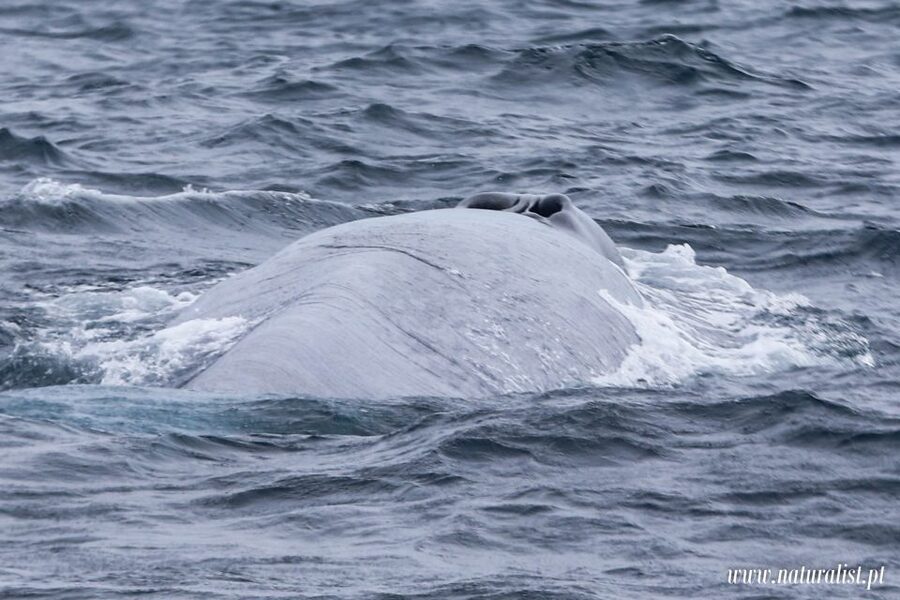
That variety gives the trip a good sense of possibility. Sperm whales are present all year, so they form the main long-season target. Blue and fin whales are more associated with spring, while Bryde’s and sei whales can also appear in summer. Humpback whales pass through as migrants.
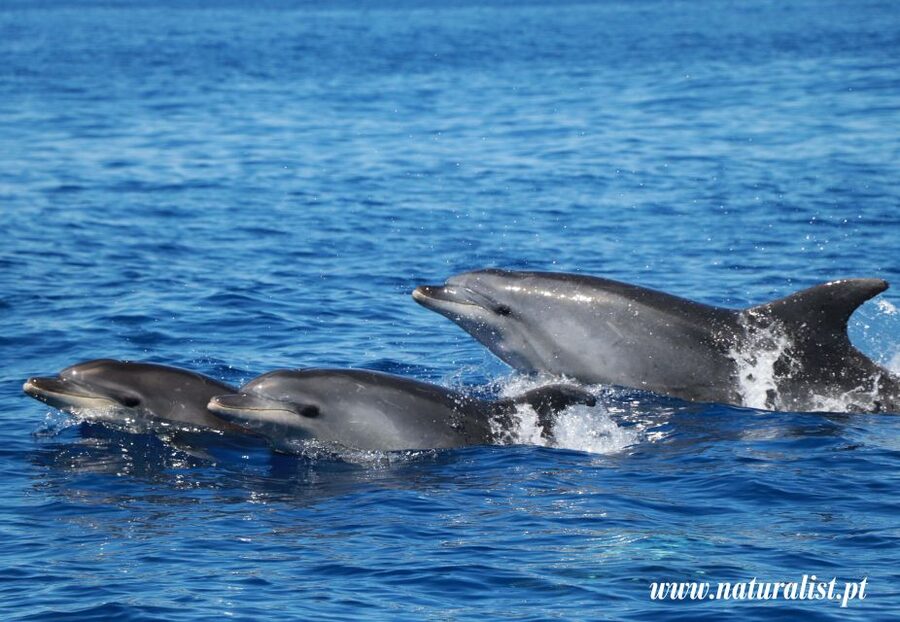
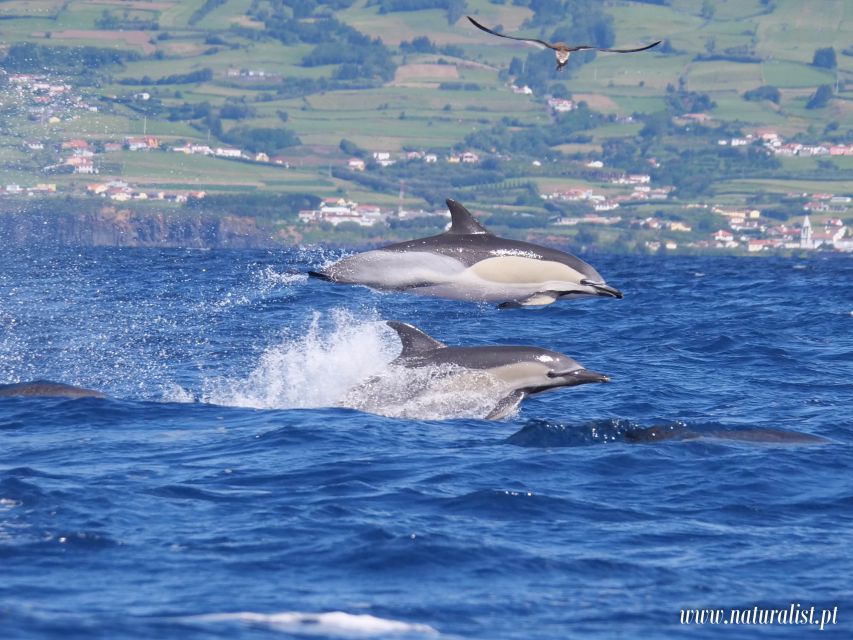
Dolphins provide another strong reason to go. Bottlenose, Risso’s, and common dolphins are resident species, and several migratory species may also turn up. You could see a few animals traveling past the boat or a large group feeding together. One outing recorded hundreds of dolphins alongside sperm, sei, and humpback whales, though you should treat that as a lucky day rather than a promise.
The sea also supports loggerhead and green turtles, with leatherback and Kemp’s ridley turtles possible in the region. Flying fish, squid, octopus, hammerhead sharks, blue sharks, and sunfish may appear. Seabirds add another layer, especially Cory’s, great, and Manx shearwaters, plus common and roseate terns.
More Boat Tours in the Azores
- Azores Whale Watching & Islet Boat Tour
★ 4.6 · 2,146 reviews - Azores Whale Watching & Islet Boat Tour
★ 4.5 · 1,059 reviews - São Miguel: Glass Bottom Boat Tour with Snorkeling
★ 4.7 · 633 reviews
Starting at Horta Marina with the whale spotters
You meet Naturalist, Science & Tourism, Whale Watching, at the marina. Arrive 15 minutes before departure, at 8:45 a.m. for the 9 a.m. outing or 1:45 p.m. for the 2 p.m. outing. Hotel pickup is not included, so you need to make your own way to Horta Marina.
The trip begins with a 10-minute safety briefing. This is a useful pause before the boat gets moving, since a RIB is not the same as a sedate harbor cruise. You receive safety instructions and waterproof clothes, and the crew explains what to expect on the water.
The company works with whale spotters based on Faial and Pico. These observers watch from land and help locate whales and dolphins before the boat heads out. That system matters. The Atlantic is huge, and a fast boat can still spend a long time searching if the crew has no information about where animals were recently seen.
The spotters also help the crew respond to changing conditions. Wildlife moves, boats move, and weather can shift. A good sighting often depends on patience and careful repositioning rather than simply racing offshore.
What the 16-passenger RIB feels like
The boat is a semi-rigid inflatable craft carrying up to 16 people. A group may be smaller. One reported departure had 11 tourists and two marine biologists, which gives you an idea of how personal the trip can feel when numbers are modest.
The RIB is a practical choice for whale watching. It can move quickly between areas, and its low profile keeps you close to the water. You get scenic views on the way out and a more direct feeling for the ocean than you would on a large sightseeing boat.
The trade-off is comfort. Rough water can make the ride turbulent, especially when the skipper is traveling at speed. The front seats are more exposed to spray, and you have a real chance of getting wet. The operator supplies waterproof jackets and trousers, which several outings found useful, but bring shoes that can handle water or dry quickly.
I would not choose this activity if you are pregnant, have serious back problems, or recently had surgery. Children under five cannot join. These rules are sensible for a fast open boat moving over Atlantic swells.
A marine researcher makes the sightings easier to understand
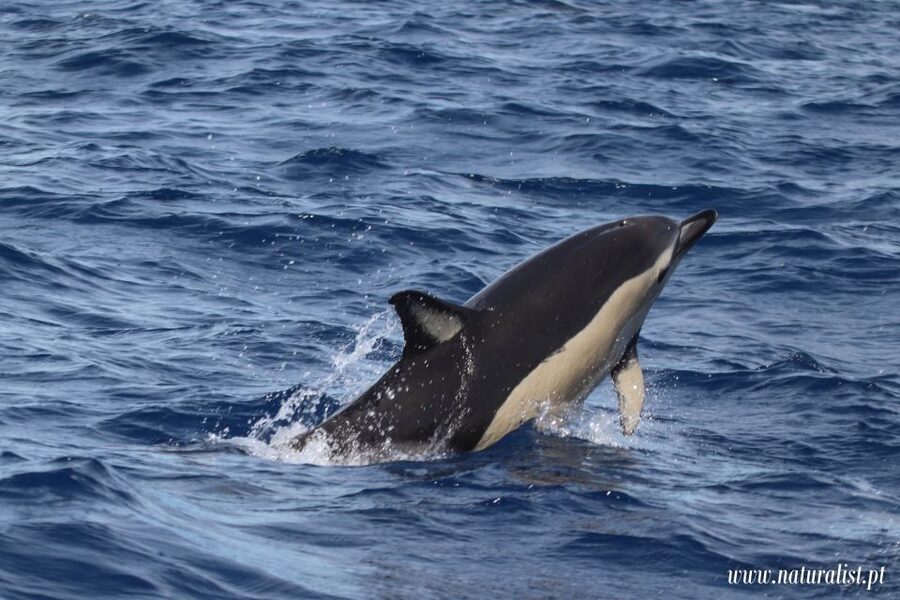
The marine researcher on board is more than a standard escort. You get a briefing about the region’s marine biodiversity and the cetaceans that may appear. The researcher also collects data during the trip, tying your excursion to ongoing scientific work.
That changes the experience in a worthwhile way. Instead of simply seeing a whale surface and disappear, you can learn about the animal’s behavior, likely species, and place in the local ecosystem. The guide can also explain why a whale surfaces in a certain pattern or why dolphins gather in a particular way.
Past guides named Anna and Cristiana received especially warm praise for clear explanations and strong subject knowledge. The exact guide varies, but the advertised format is consistent: a marine researcher or biologist accompanies the group and provides current information in English or Portuguese. Spanish expeditions are also described as available, while French needs to be requested ahead of time and depends on availability.
The research element gives the $101 price more weight. You are not paying only for a boat ride and a chance photograph. You are also paying for trained interpretation, a crew working with land observers, safety insurance, clothing, and participation in a data-gathering operation.
More Azores trips worth a second look
- From Ponta Delgada: Whale and Dolphin Watching Trip
★ 4.7 · 4,109 reviews - São Miguel Azores: Half-Day Whale Watching Trip
★ 4.5 · 983 reviews - Azores Whale Watching Tour – Ponta Delgada
★ 4.5 · 740 reviews - Pico Island: Whale Watching Experience from Lajes
★ 4.9 · 492 reviews
The wildlife search, from first dolphins to large whales
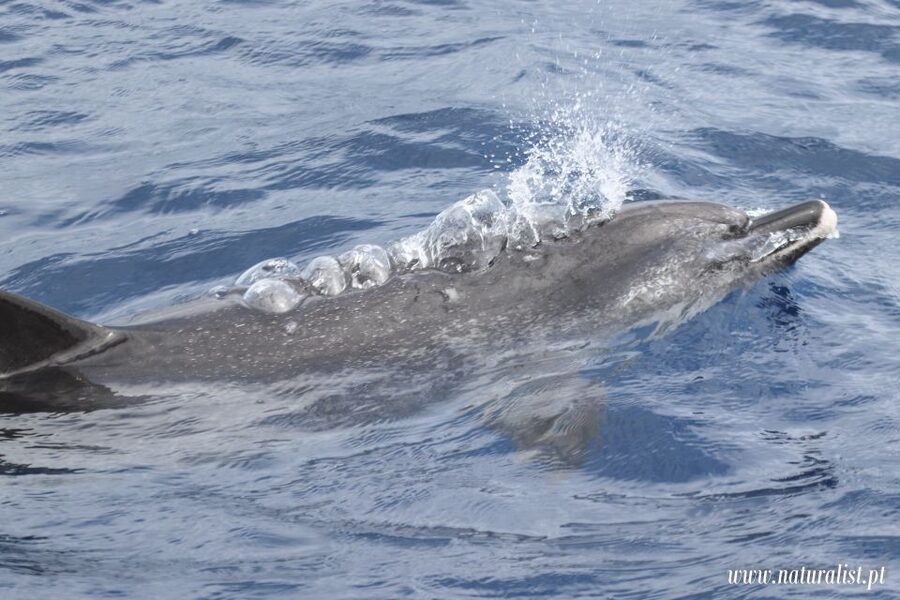
Once the boat leaves Horta, the main activity is searching. The published itinerary lists a guided marine-life viewing and photo stop of about 30 minutes, but the full expedition lasts around three hours. In practice, the time is shaped by the location of animals, the weather, and the need to watch without rushing them.
Dolphins may be the first animals you see. Common and bottlenose dolphins can travel near the islands, while Risso’s dolphins and migratory species may also appear. They can move quickly, so keep your eyes on the water rather than focusing only through a camera screen.
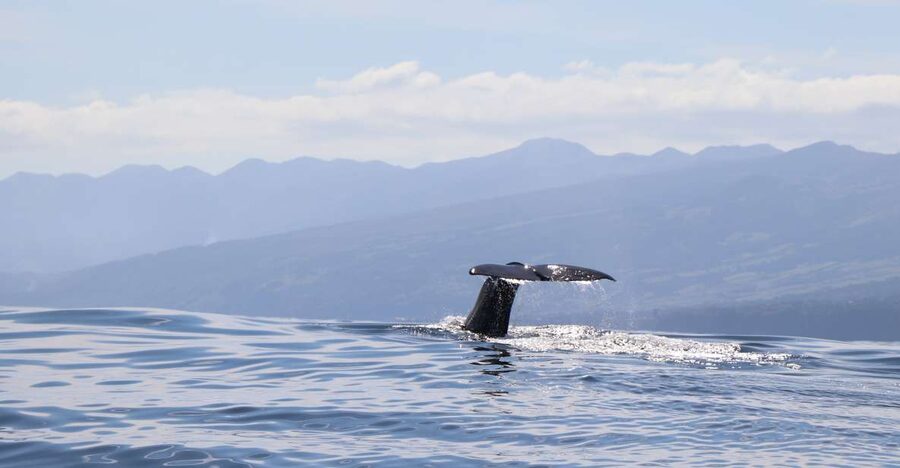
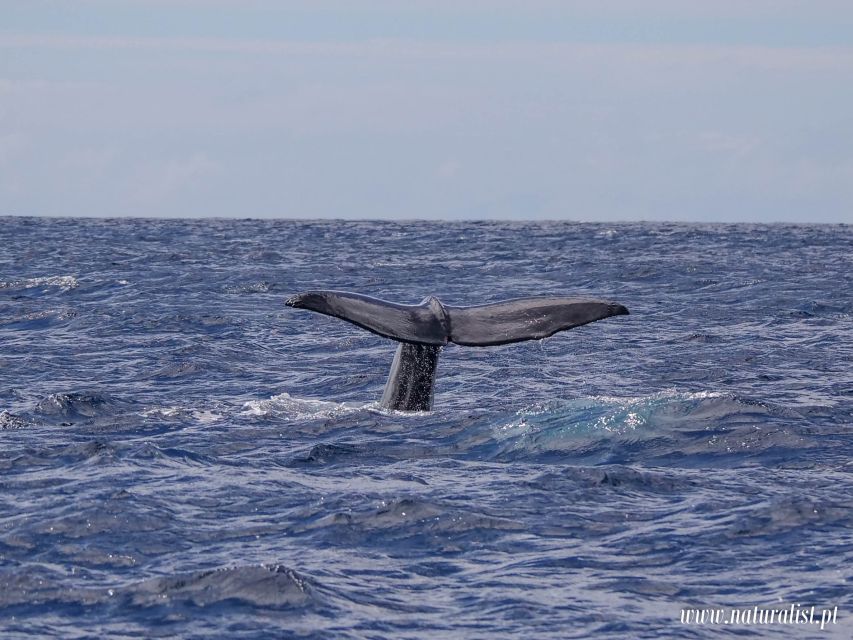
Whales require a different kind of patience. Sperm whales are a year-round possibility, and a sighting may involve one animal or several. In one particularly fortunate outing, five sperm whales appeared after the boat adjusted its position. Another group saw three kinds of whales, dolphins, tuna, and shearwaters.
The skipper’s judgment matters here. The crew may wait, then move to another area, or reposition to place the boat at a respectful distance from the animals. The aim is to give you a good view without crowding the whales. That careful approach is important for the animals and also makes the sighting calmer for you.
Season affects your odds and the species you may find. Spring is the stronger period for blue and fin whales. Summer can bring Bryde’s and sei whales, as well as resident dolphins. Humpbacks are migratory. Sperm whales give the experience a dependable year-round target, but no season guarantees a particular species.
Birds, turtles, and smaller surprises
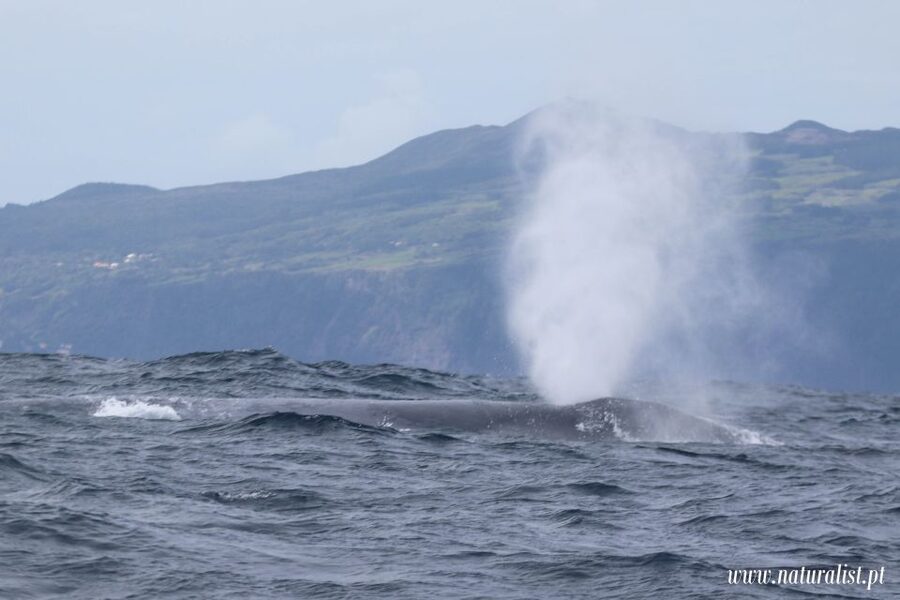
You should not judge the trip only by whale sightings. The Azorean sea is busy with other life, and the researcher can help you notice animals that are easy to miss.
Cory’s shearwaters are a characteristic regional bird, while great and Manx shearwaters may also pass by. Common and roseate terns are possible, and tuna may feed in the same waters as dolphins and whales. Large groups of birds can point toward a feeding area, giving the crew another clue about where marine life is active.
Sea turtles are less predictable, but loggerheads and green turtles live in the Azores. Leatherback and Kemp’s ridley turtles can also occur. One trip produced two loggerhead turtle sightings, a welcome addition to the cetaceans.
Flying fish, squid, octopus, sharks, and sunfish are also listed as possible sightings. Hammerhead and blue sharks are part of the area’s marine life, though you should think of them as an occasional bonus, not the central purpose of the outing.
This variety helps on quieter whale days. It does not make the trip guaranteed wildlife viewing, but it gives you more to watch for while the crew searches.
Weather is part of the decision
The operator can reschedule a trip if weather makes conditions unsuitable, with a full refund if the outing is canceled. That flexibility matters in the Azores, where wind and Atlantic swells can change the plan.
A storm forced one departure to move to a different date, and the company also arranged a start from Pico. This suggests useful flexibility when conditions disrupt the original plan, though any change depends on the operator’s arrangements and availability.
You should still leave room in your schedule. A whale trip is best booked early in your stay, not on the last afternoon before a flight. If weather cancels the trip, you need another possible day.
Even when the tour runs, the water may be rough. A spring outing had turbulent conditions, but the group still saw several sperm whales and a large pod of dolphins. Waterproof clothing helps with spray, yet it does not make the ride gentle. If you are prone to seasickness or dislike bouncing over waves, consider that before paying.
Is $101 a fair price?
At $101 per person, this is not the cheapest way to spend three hours in Horta. But the price includes a marine researcher, safety insurance, waterproof clothing, and an animal briefing. The group size is capped at 16, and some departures have been smaller.
I consider that good value if you care about learning what you see. The research connection gives the trip more purpose than a simple sightseeing ride, and the guide’s explanations help you understand the Azorean ecosystem. Complimentary photographs have also been provided on some outings, though you should not treat that as a guaranteed inclusion unless the operator confirms it.
Food and drinks are not included. A hot drink and lemon cookies were offered after one cold outing, but that should be viewed as a kind gesture rather than a listed part of the package. Bring your own refreshments if you need them during the three-hour trip.
The value is weaker if you want a guaranteed whale encounter or a smooth, comfortable ride. Nature decides what appears, and the RIB exposes you to the sea. The strong rating of 4.9 from 225 bookings reflects a very high level of satisfaction, but one outing did not find whales. That possibility is part of every wildlife trip.
Who will enjoy this Horta whale trip most
I would recommend this for adults, older children over five, couples, photographers, and anyone interested in marine science. It also suits people who prefer a smaller group and a fast boat rather than a large vessel.
It is a particularly good match if you want to see sperm whales outside the main spring migration period. You might also catch dolphins, seabirds, turtles, tuna, or a seasonal whale, depending on the day.
I would be more cautious if you have back trouble, recent surgery, pregnancy, or little tolerance for rough water. The operator specifically excludes those conditions, and the RIB’s movement can be demanding.
Bring waterproof or quick-drying footwear and clothes you can layer under the provided gear. Keep your camera ready, but listen to the guide and watch the whole waterline. A whale may surface several meters away from where you were looking.
Booking details that matter
You can cancel up to 24 hours before departure for a full refund. A reserve-now, pay-later option is available, which helps if you are arranging several Azores islands and want to keep your plans flexible.
Tours leave at 9 a.m. and 2 p.m. and last about three hours. The listed languages are English and Portuguese. Spanish is available for these expeditions according to the tour information, while French must be requested in advance and depends on staffing.
The meeting point is at the marina, not your hotel. Plan to arrive at 8:45 a.m. or 1:45 p.m., and remember that food, drinks, and hotel transportation are not included.
Should you book Naturalist Science & Tourism?
Book this tour if you want a serious wildlife search with a small group, a quick RIB, and a marine researcher who can explain the animals as you watch them. The combination of land-based whale spotters, university research, waterproof gear, and careful boat handling makes the $101 reasonable for the right visitor.
Do not book it expecting a guaranteed whale show or a calm cruise. Choose a flexible day in your itinerary, prepare for spray and rough water, and accept that dolphins, seabirds, turtles, or no whales at all may shape the outing.
If you can make room for weather changes and you value the story behind the sighting as much as the photograph, this is a strong choice from Horta.
FAQ
Where does the whale-watching trip begin?
The meeting point is Naturalist, Science & Tourism, Whale Watching, at Horta Marina in Faial.
How early should I arrive?
Arrive 15 minutes before departure. For the 9 a.m. tour, arrive at 8:45 a.m. For the 2 p.m. tour, arrive at 1:45 p.m.
How long does the activity last?
The expedition takes about three hours.
What departure times are available?
Tours are scheduled in the morning at 9 a.m. and in the afternoon at 2 p.m. You need to check availability for the date you want.
What whales could I see?
Sperm whales are present year-round. Blue and fin whales are associated with spring, while Bryde’s and sei whales can occur in summer. Humpback whales are migratory and may also appear.
What dolphins live in the area?
Bottlenose, Risso’s, and common dolphins are resident in the Azores. Several migratory dolphin species may also occur.
Is a marine researcher included?
Yes. A marine researcher from the University of Lisbon and the Azores is included on board to collect data and explain the local marine life.
What is included in the price?
The trip includes the marine researcher, waterproof clothing, safety insurance, and a briefing about the tour and the animals. Food, drinks, and hotel pickup are not included.
Can I cancel the booking?
You can cancel up to 24 hours before departure for a full refund. The trip may also be rescheduled because of weather, with a full refund if the operator cancels the outing.
More Dolphin Watching in Azores
- Pico Island: Azores Whale & Dolphin Watching on Zodiac Boat
★ 4.8 · 408 reviews - Albufeira: 2.5-Hour Benagil Caves & Dolphin Watching
★ 4.6 · 10,710 reviews - Albufeira: Benagil Caves & Dolphin Watching Speed Boat Tour
★ 4.6 · 6,316 reviews - From Funchal: Ecological Catamaran Dolphin Whale Watching
★ 4.5 · 5,771 reviews
Recently reviewed around Azores
- São Miguel: Whales & Volcano Full-Day Tour with Lunch★ 4.5 · 95 reviews
- Ponta Delgada: Sete Cidades Volcano Lakes Shore Excursion★ 4.7 · 198 reviews
- Ponta Delgada: Pineapple wine tasting and pineapple tour★ 4.8 · 127 reviews
- Ponta Delgada: Historical Walking Tour★ 4.4 · 41 reviews
- Ponta Delgada: Greenhouse Hot Tube with Pineapple Tour★ 4.4 · 76 reviews
- Pico Island: Whale Watching Experience from Lajes★ 4.9 · 492 reviews
- Pico island: Climb Mount Pico, highest mountain in Portugal★ 5.0 · 65 reviews
- Ponta Delgada: São Miguel Buggy Tour Around Sete Cidades★ 5.0 · 210 reviews
Whale Watching, compared.


Funchal Bay: Dolphin & Whale Watch Luxury Catamaran Cruise
Read our review →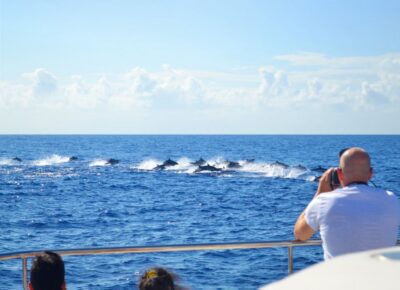
All Inclusive Whale and Dolphin Watching Luxury Tour
Read our review →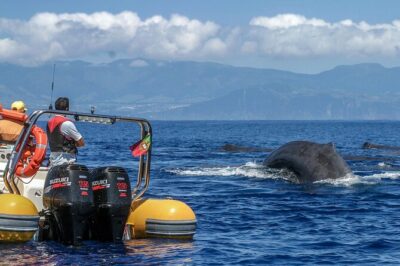
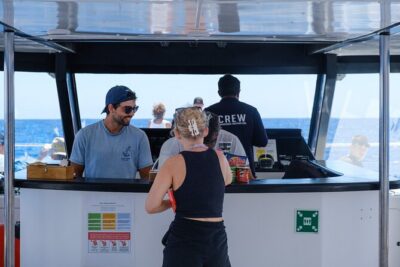
Madeira Dolphin and Whale Watching on a Ecological Catamaran
Read our review →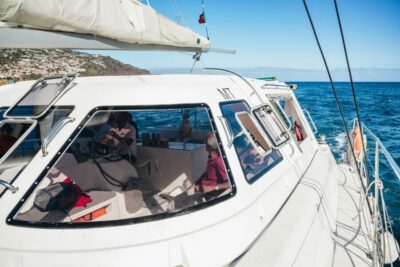
Dolphin and Whale Watching by Luxury Catamaran
Read our review →Browse the lists this tour appears in