
Reviewed · COIMBRA & CENTRAL PORTUGAL TOURS
From Fatima: Private Fatima Tour with a Local Guide
Fátima is far more meaningful when you understand the places behind the story. This private tour links the Chapel of Apparitions, the sanctuary basilicas, and the nearby villages where Francisco, Jacinta, and Lúcia lived, prayed, and were baptized.
I like the personal pace and the local setting. You are not confined to the main shrine: you also visit Aljustrel and Valinhos, where the story becomes tied to ordinary homes, paths, and fields. I also like that hotel pickup, a comfortable air-conditioned vehicle, and a private guide are included.
The main consideration is time. Four hours is enough for a focused introduction, but not for lingering at every church, attending services, or exploring Fátima at leisure. The $173 per-person price is also a serious one for a half-day visit, though it can make good sense for families or small groups who want context rather than a quick look.
In This Review
- Key points at a glance
- Why a private Fátima tour makes a difference
- The Chapel of Apparitions and the first part of the story
- The Basilica of Our Lady of the Rosary and the children’s tombs
- The Basilica of the Most Holy Trinity, consecrated in 2007
- Aljustrel and the homes of the three shepherd children
- The Parish church and its unusual treasures
- The Angel of Peace and Valinhos
- How the four-hour schedule works
- Is $173 per person good value?
- Who should book this tour?
- Should you book the private Fátima tour?
- FAQ
- How long does the private Fátima tour last?
- What sites are included in the tour?
- Will I visit the homes of the three shepherd children?
- Which tombs can I see during the tour?
- Is hotel pickup included?
- What languages does the guide speak?
- Is this a private group tour?
- Is transportation included?
- Is lunch included?
- How much walking is involved?
Key points at a glance
- The Chapel of Apparitions is the tour’s spiritual center, marking the place associated with the 1917 apparitions.
- Aljustrel brings the story down to human scale, with visits to the homes of the three shepherd children.
- The tombs of Francisco, Jacinta, and Sister Lúcia are inside the Basilica of Our Lady of the Rosary.
- The modern Basilica of the Most Holy Trinity offers a striking contrast to the older basilica and was consecrated in 2007.
- Valinhos and the Angel of Peace sites take you beyond the central sanctuary to important apparition locations.
- Nelson is the guide to request when available, especially if you value detailed storytelling, local memories, and a flexible pace.
Why a private Fátima tour makes a difference
You can walk around the Sanctuary of Fátima on your own, but the place does not explain itself completely. The open esplanade is easy to see, yet the meaning of each chapel, basilica, tomb, and village site is much clearer when someone connects the events.
That is the strength of this four-hour outing. Your guide does not simply point toward a church and name it. The visit follows the story of the apparitions in 1917, then moves outward to the homes and places connected with the three children.
A private group also gives you room to ask questions. Families with children can slow down when the story catches their interest. Older visitors can take their time between stops. If you already know the basic account of Fátima, a guide can add local background instead of repeating only the familiar outline.
Nelson is the guide most often singled out by name in the supplied experiences, and the praise is remarkably consistent: calm, clear English, strong local knowledge, patience with children, and an easy way of explaining difficult or emotional subjects. Some visitors also appreciated stories about his family’s connection with the area and what life was like in Fátima during the period when the apparitions took place.
He is not the only possible guide. Gabriel has also led this tour, including for visitors who needed a slower pace. If you have a strong preference, ask for Nelson or Gabriel when booking, but understand that guide requests depend on availability.
More Coimbra & Central Portugal trips worth a second look
- Joanina Library & Coimbra University | Private Former Alumni Tour
★ 5.0 · 135 reviews - Lousa Mountain Private Tour
★ 5.0 · 88 reviews - Fátima Private Tour: Shrine| Sacred Path |Shepherds House
★ 5.0 · 81 reviews
The Chapel of Apparitions and the first part of the story
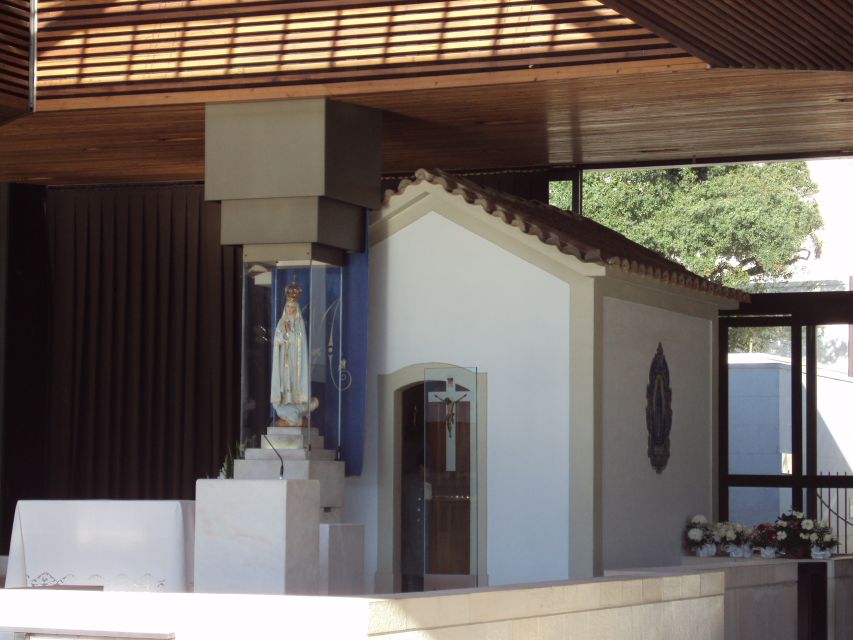
The tour begins with the central sanctuary and the Chapel of Apparitions. This small chapel marks the place where Our Lady is believed to have appeared to the three shepherd children in 1917.
The chapel is the key place to pause and listen. Its importance is not based on grand architecture. It is the location, the continuing flow of pilgrims, and the way your guide explains the events that took place here that give it force.
A local guide can help you follow the sequence of the apparitions and explain how the lives of the children and the people around them were affected. You will also hear about the wider setting of rural Fátima at that time, rather than receiving only a short devotional summary.
Expect the sanctuary to feel quiet in some moments and busy in others. The tour description promises the main chapels and basilicas, but the exact amount of time available at each one depends on your starting hour, questions, prayer time, and the pace of your group.
If you are visiting as a pilgrim, tell your guide what matters most to you. If you are visiting mainly for history and culture, say so. A private tour is most useful when the guide knows what kind of visit you want.
The Basilica of Our Lady of the Rosary and the children’s tombs
Next comes the Basilica of Our Lady of the Rosary, the older and more traditional church in the sanctuary complex. Inside are the tombs of Sister Lúcia, St. Francisco, and St. Jacinta.
This stop gives the story a personal focus. The three children are not just names in an account of the apparitions. Their lives, deaths, and later recognition are part of what draws pilgrims to Fátima, and the tombs are the place where that connection becomes most direct.
I would allow yourself a quiet moment here rather than treating the basilica as another item to check off. The guide’s explanation is useful, but you should also have time to look, pray, or simply sit.
The basilica is especially important if you know little about the three visionaries. You will learn which children were siblings, how Sister Lúcia’s life differed from that of Francisco and Jacinta, and why all three remain central to the sanctuary’s identity.
The Basilica of the Most Holy Trinity, consecrated in 2007
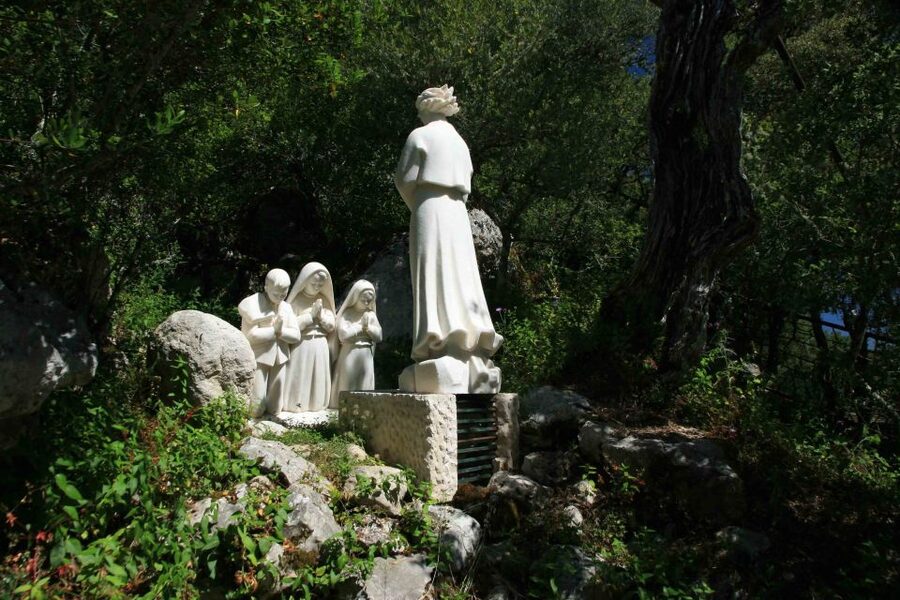
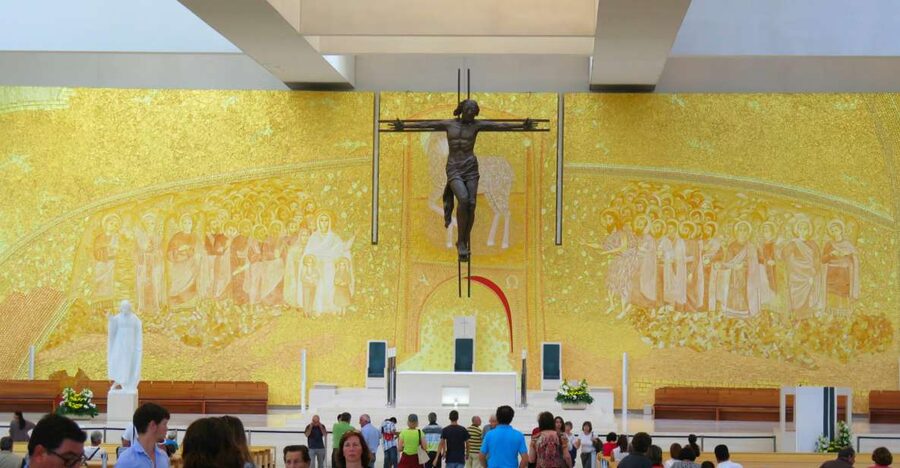
The modern Basilica of the Most Holy Trinity provides a clear change of mood and appearance. It was consecrated in 2007, as part of the 90th anniversary of the apparitions.
This is a useful stop for visitors who assume Fátima is made up only of old chapels and traditional Portuguese churches. The newer basilica reflects the scale of the modern pilgrimage site and the large crowds it serves.
Your guide can help place the building in the continuing development of Fátima. Its presence also shows how the sanctuary has grown from a local religious site into an international destination.
The drawback is simple: if your main interest is old architecture, this basilica may not hold you as long as the Chapel of Apparitions or the older basilica. Still, it belongs in the visit because it explains the present-day Fátima you see around you.
A different kind of day out, same corner of Portugal:
- From Lisbon: Fatima, Batalha, Nazare, Obidos – Small Group
★ 4.8 · 2,031 reviews - Coimbra: Live Fado Show with Glass of Port Wine
★ 4.7 · 998 reviews - University of Coimbra guided tours without queue
★ 5.0 · 518 reviews - Guided tour of the University and city of Coimbra.
★ 5.0 · 377 reviews
Aljustrel and the homes of the three shepherd children
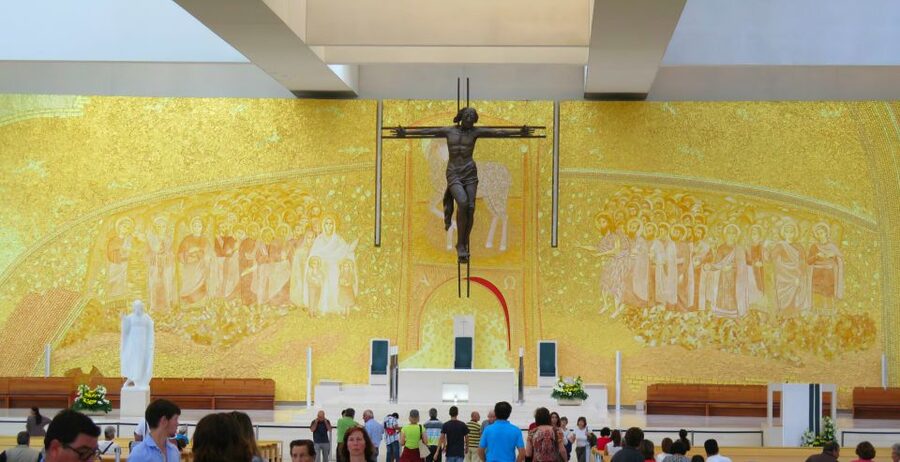
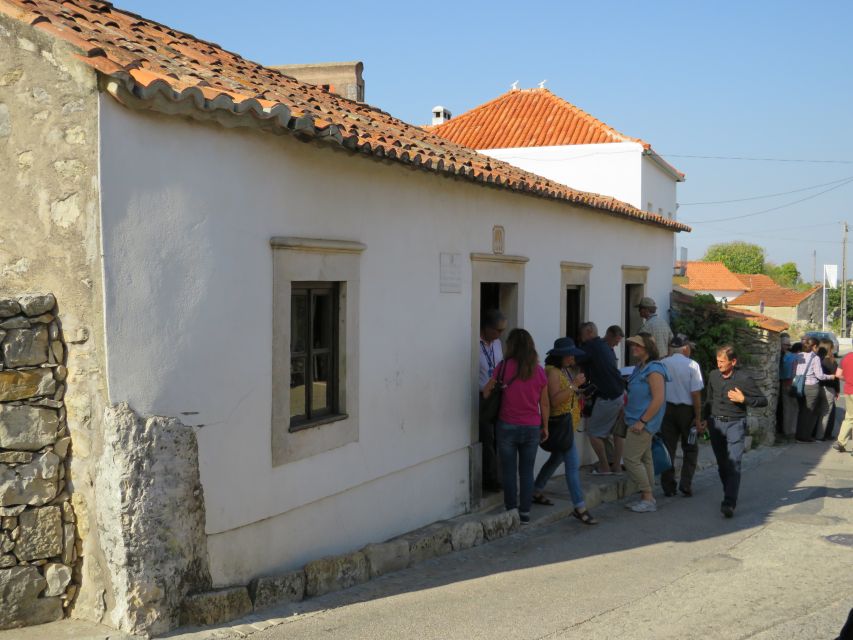
The tour then leaves the central sanctuary for Aljustrel, the village where the three children were born. This is one of the best reasons to choose the private tour instead of staying only in the main shrine area.
At the children’s homes, the story becomes more concrete. You are looking at the setting connected with their family lives, not only the formal religious sites built later. The contrast matters: the apparitions are remembered on a large scale, but the children came from a small rural community.
The guide’s local perspective is particularly valuable here. Nelson has been praised for explaining details that are hard to find in a basic guidebook, including what the area was like when his own parents and older residents knew it. That kind of context helps you picture Fátima before the sanctuary expanded.
This section can also work well for children. The story involves real homes, families, and village life, which may be easier for younger visitors to follow than a long explanation inside a basilica. Several families particularly valued a guide who could adjust the pace and explain the story without making it feel like a lecture.
The Parish church and its unusual treasures
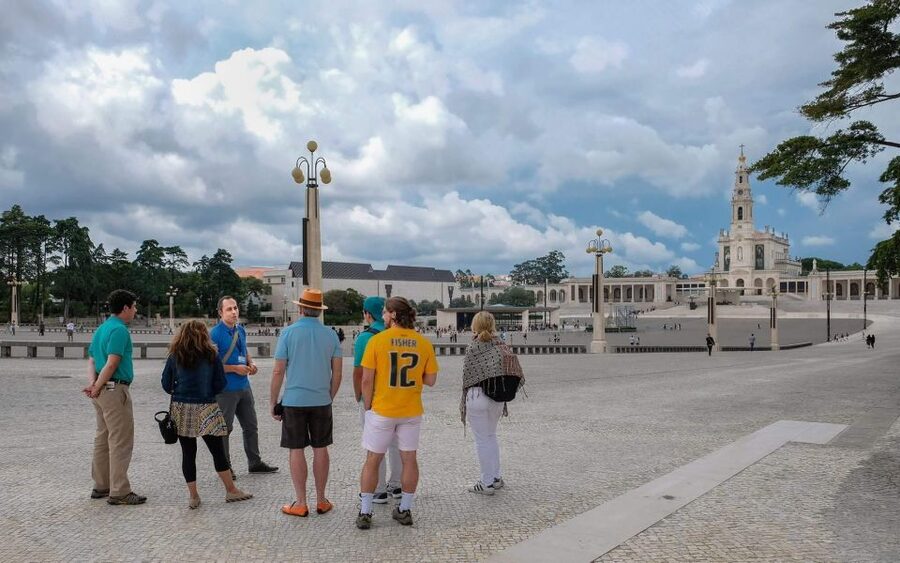
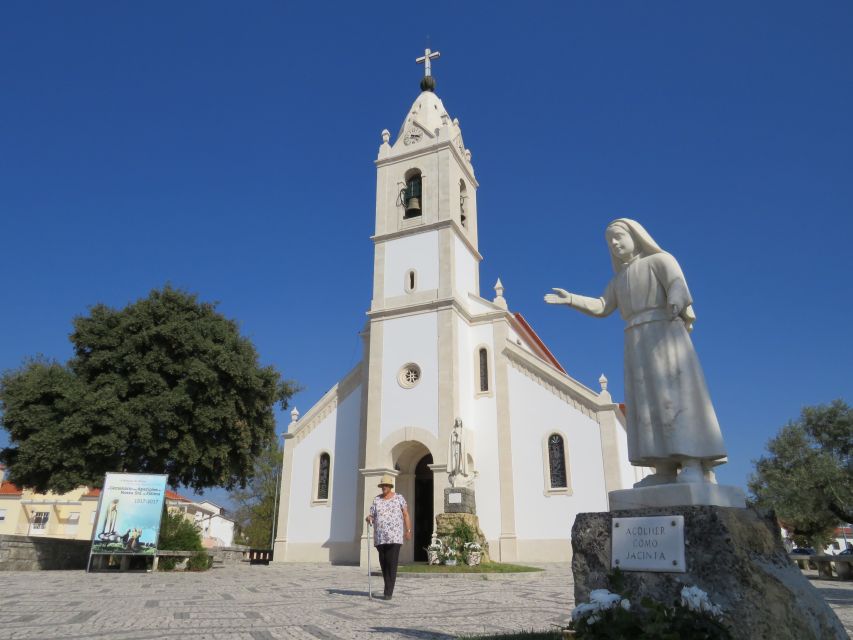
The Parish church is another important stop in Aljustrel. The three children were baptized there, making it a key place for understanding their early lives.
The church also contains unique treasures that are not limited to the main sanctuary story. The supplied details do not specify every object or display, so you should let the guide introduce what is present during your visit rather than expecting a fixed museum list.
This is where a local guide earns the fee. A sign may tell you the name of a church or a date, but it will not always explain how the building connects to the children, the village, and the events that made Fátima famous.
If you are interested in Portuguese religious customs, parish life, or local traditions, pay close attention here. The Parish church gives you a more ordinary setting than the grand sanctuary, and that makes the visit feel less staged.
The Angel of Peace and Valinhos
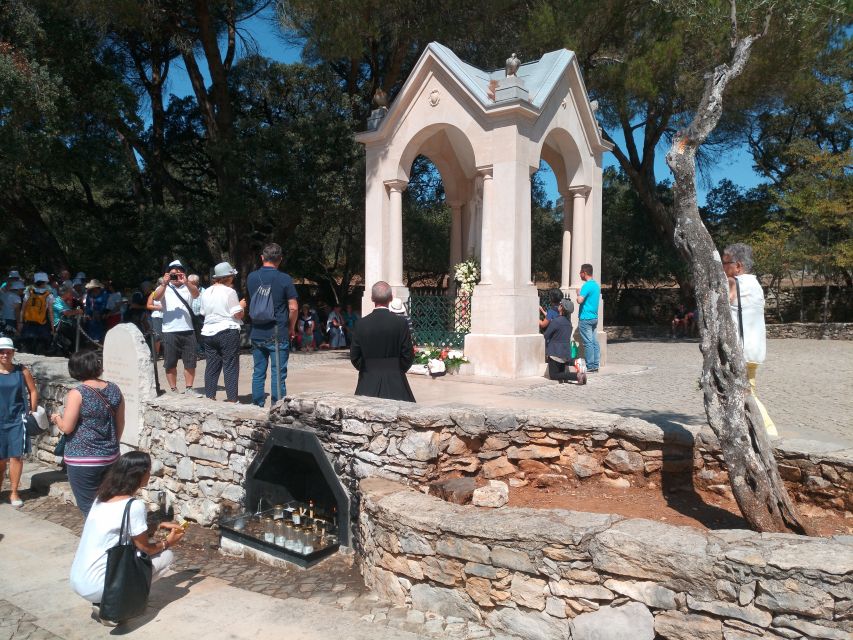
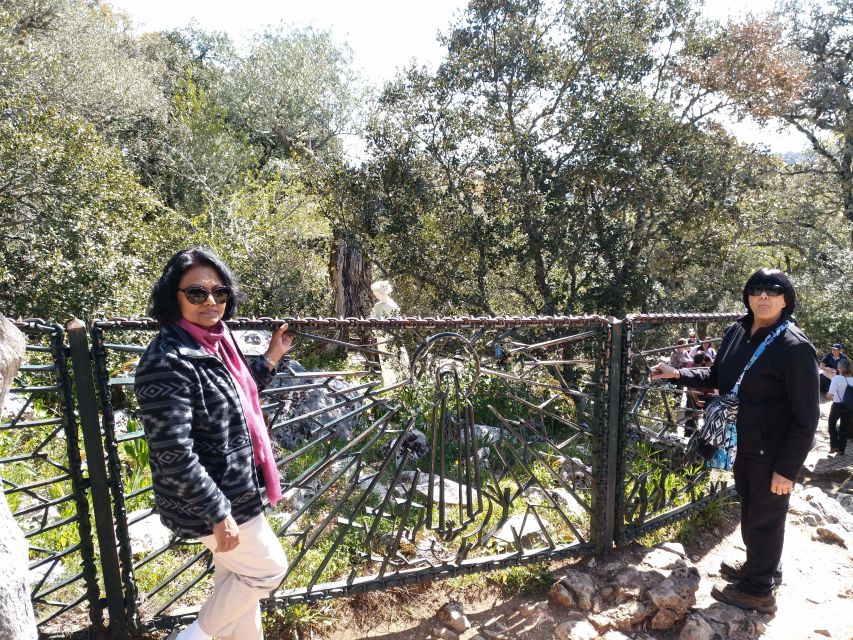
The final part of the tour takes you to sites beyond the central sanctuary, including the locations associated with the Angel of Peace and the fourth apparition of Our Lady at Valinhos.
These places are important because they widen the story. Fátima was not confined to the main chapel. The surrounding countryside and village paths were part of the children’s experience, and Valinhos helps you understand that geographical connection.
The tour description refers to the place where the Angel of Peace appeared and the site of the fourth apparition of Our Lady. Your guide supplies the context for each location and explains how they relate to the events of 1917.
This is also the section where comfortable shoes matter most. The tour involves a moderate, small amount of walking, but you will be moving between churches, chapels, homes, and outdoor sites. Wear shoes that can handle uneven ground and dress for the weather.
The tour operates in rain or shine. Fátima can feel very different under strong sun, wind, or rain, so bring suitable clothing. There is no promise of a long outdoor stay at every site, but you should not arrive dressed only for an indoor visit.
How the four-hour schedule works
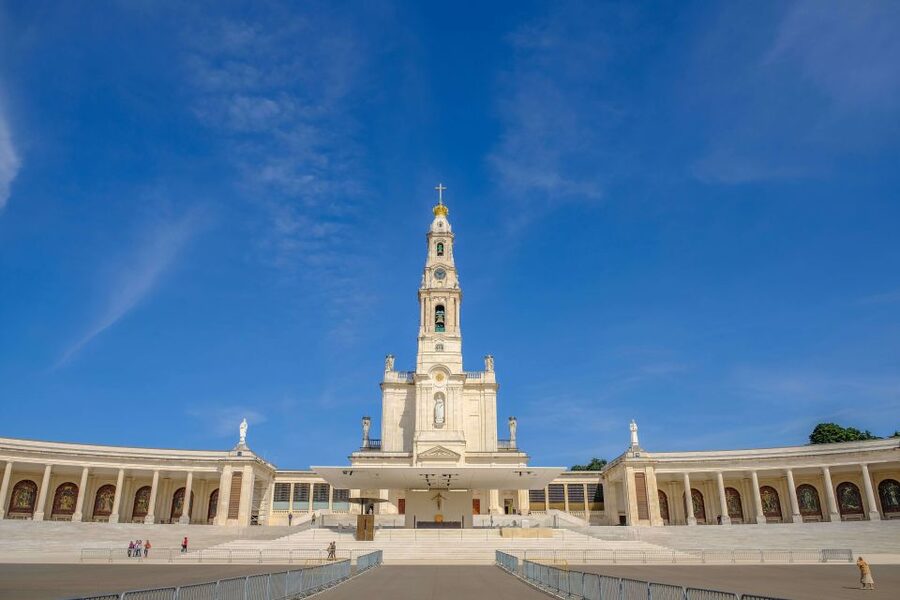
Four hours is a good length for a first, focused introduction. You can cover the sanctuary, Aljustrel, and Valinhos without turning the day into a tiring full-day excursion.
The schedule is organized around a vehicle, which saves time between the central sanctuary and the nearby village sites. Pickup and drop-off are included from hotels in Fátima. If you are not staying at a Fátima hotel, the alternative meeting point is Hotel Fátima on Rua João Paulo II.
A premium air-conditioned vehicle is included, and the private format means you are not waiting for a large coach group at every stop. That matters for families, small groups, and anyone who wants to ask questions without holding up strangers.
The time can pass quickly. If you want to attend Mass, light candles, pray at length, or visit additional parts of the sanctuary independently, consider adding personal time before or after the tour.
The tour is available in English and Portuguese. Several people specifically valued clear English, especially because the story contains names, dates, religious terms, and several connected locations. If you are traveling with children, mention their ages and interests when arranging the tour so the guide can set the right pace.
Is $173 per person good value?
At $173 per person, this is not the cheapest way to see Fátima. You are paying for a private guide, private transportation, hotel pickup and return, and the convenience of covering several locations in four hours.
For one person or a couple on a tight budget, the price may feel high. You can visit the sanctuary without a guide, and the main religious sites are accessible on foot. The difference is that you will have to build the story yourself and arrange your own transport to Aljustrel and Valinhos.
For a family or group, the calculation improves. The vehicle, flexible pace, and direct access to a local guide can make the cost easier to justify. Parents also avoid the strain of keeping children engaged while navigating between sites.
I see the strongest value in the guide’s local interpretation. Nelson has been praised for answering detailed questions, accommodating toddlers, adjusting the order of a visit, and sharing stories connected with his own family and the region. Those qualities are hard to reproduce with a map or audio guide.
Lunch and personal expenses are not included. The four-hour duration also means this is a sightseeing and interpretation tour, not a package with meals or a full day of extras.
Who should book this tour?
I would choose this experience if you are visiting Fátima for the first time, want the full story in a short window, or care about the connection between the sanctuary and the local villages.
It suits:
- Families who want a guide able to adjust explanations for children
- Pilgrims who want to understand the sites before spending private time in prayer
- Small groups who prefer a personal schedule
- Visitors staying briefly in Fátima
- Anyone interested in local Portuguese life as well as the religious story
It may not be the best fit if you want to spend the whole day quietly inside the sanctuary, attend several services, or explore entirely on your own. The private format is flexible, but four hours still puts a limit on how long you can linger.
The experience is also suitable for people with slower walking speeds, though you should mention your needs in advance. One earlier visit was adjusted for a mother using a walker, and the guide accommodated her pace. The official guidance remains modest walking, comfortable shoes, and clothing for all weather.
Should you book the private Fátima tour?
Book it if you want more than a quick look at the basilicas. The best part is the way it joins the central sanctuary with Aljustrel, the Parish church, and Valinhos, giving you the story’s places instead of only its headline.
The price is easiest to justify when shared by a family or small private group. It is also worth considering if you have only half a day and do not want to spend time arranging transport or working out which sites belong together.
When booking, ask whether Nelson is available if his storytelling style and local background appeal to you. Otherwise, focus on the private format, the four-hour schedule, and the chance to shape the visit around your interests.
FAQ
How long does the private Fátima tour last?
The tour lasts four hours.
What sites are included in the tour?
You visit the Chapel of Apparitions, the Basilica of Our Lady of the Rosary, the Basilica of the Most Holy Trinity, Aljustrel, the Parish church, the Angel of Peace sites, and Valinhos.
Will I visit the homes of the three shepherd children?
Yes. The tour continues to Aljustrel, the village where the three children were born, to visit their homes.
Which tombs can I see during the tour?
Inside the Basilica of Our Lady of the Rosary, you can see the tombs of Sister Lúcia, St. Francisco, and St. Jacinta.
Is hotel pickup included?
Yes. Pickup and drop-off are included from hotels in Fátima. An alternative meeting point is Hotel Fátima on Rua João Paulo II.
What languages does the guide speak?
The live guide service is available in English and Portuguese.
Is this a private group tour?
Yes. The experience is operated as a private group tour.
Is transportation included?
Yes. Transportation is provided in a premium air-conditioned vehicle.
Is lunch included?
No. Lunch and personal expenses are not included.
How much walking is involved?
A moderate, small amount of walking is involved. Comfortable shoes are recommended, and you should dress appropriately because the tour operates in all weather conditions.
Recently reviewed around Coimbra & Central Portugal
- Nazaré – Jeep Safari★ 5.0 · 76 reviews
- Soft Canyoning, river Ceira, Góis, Serra da Lousa, Coimbra★ 5.0 · 48 reviews
- Time travel at the Convent of Christ Tomar★ 5.0 · 56 reviews
- Schist Villages at Lousa Mountain★ 5.0 · 127 reviews
- Lousa Mountain Private Tour★ 5.0 · 88 reviews
- Convent of Christ Tour “Portugal in the Map” – Visit Tomar with a local guide!★ 5.0 · 105 reviews
- Schist Villages of Lousã Mountain, half-day from Coimbra★ 5.0 · 42 reviews
- Conimbriga and The Roman Tour★ 5.0 · 132 reviews
Coimbra & Central Portugal Tours, compared.
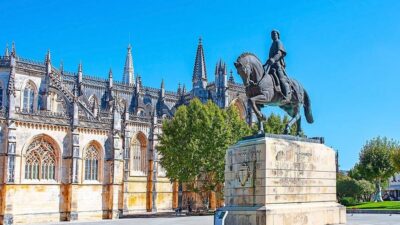
Fatima, Batalha, Nazare, Obidos – Small Group
Read our review →
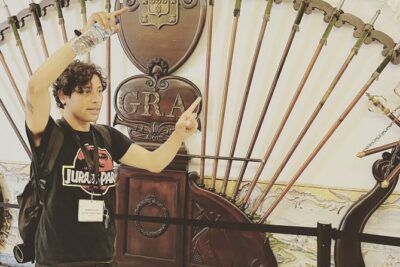
University of Coimbra guided tours without queue
Read our review →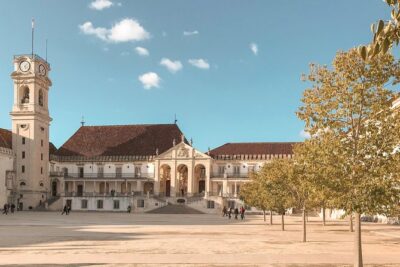
Guided tour of the University and city of Coimbra.
Read our review →

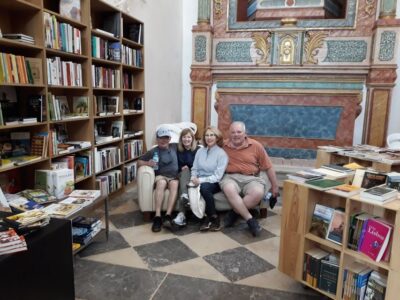
Medieval Tales & Secrets Spots Guided Walking Tour
Read our review →
Browse the lists this tour appears in