

Reviewed · SKIP THE LINE
Coimbra: A Local’s Tour of the University + Skip-the-Line
The Biblioteca Joanina is the star here: a Baroque library of gilded wood, painted ceilings, exotic timber, and more than 60,000 rare books. A guide helps you understand details you could easily miss, including the library’s resident bats, which control insects that might damage the collection.
I like the local perspective, especially when the guide has studied at Coimbra and can explain student customs alongside royal and religious history. I also like the skip-the-line entry, since library access is limited to 50 people per time slot. The main drawback is the stairs, which make this a poor choice for wheelchair users or anyone with serious mobility problems.
In This Review
- Key points to know before you book
- Why the University of Coimbra deserves your time
- Starting at Dom Dinis and the iron gate
- The Paço das Escolas, where palace and university meet
- The Joanina Library and its careful old-world design
- The academic prison beneath the books
- São Miguel Chapel, where tile meets ceremony
- Sala dos Capelos and the university’s formal power
- Via Latina and the final view over Coimbra
- How the guiding affects the experience
- Is $76 good value for 1.5 hours?
- Who should book this university tour?
- Practical advice before you go
- Should you book it?
- FAQ
- Where does the tour meet?
- How long does the experience last?
- What language is the tour offered in?
- Is the Joanina Library included?
- Does the tour skip the ticket line?
- Can I take photographs?
- Is the tour suitable for wheelchair users?
- Can I cancel the booking?
Key points to know before you book
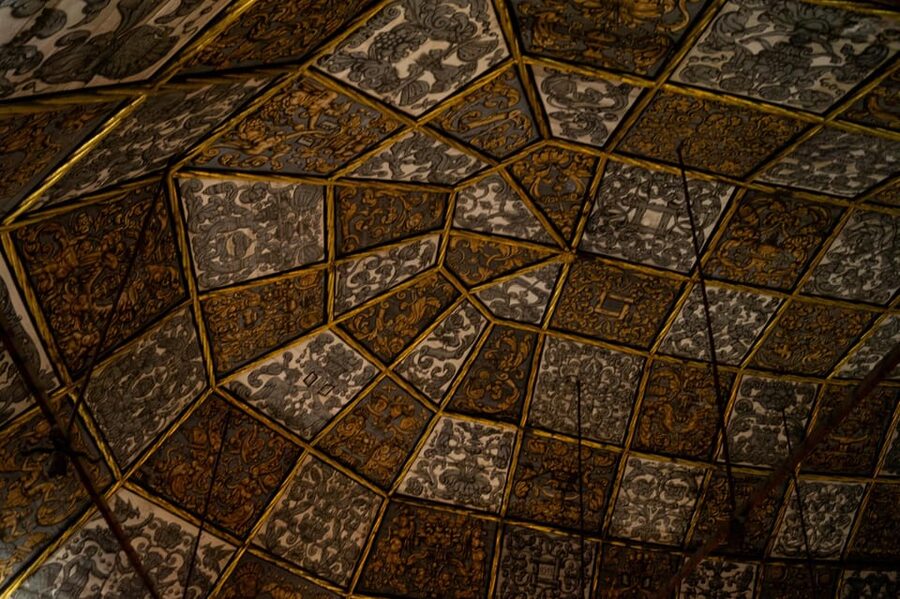
- The Joanina Library is the main prize: It is included, and many basic university visits do not include this room.
- Guides bring a personal connection: José, Rogério, David, and Jorge have been praised for clear explanations, student stories, and strong knowledge of Portuguese history.
- You see more than the library: The route includes the Paço das Escolas, Porta Férrea, academic prison, São Miguel Chapel, Sala dos Capelos, and Via Latina.
- The tour lasts 1.5 hours: That is enough time for a focused introduction without taking up your whole day in Coimbra.
- Library entry is carefully timed: Access may require a schedule adjustment because only 50 people can enter each time slot.
- Expect stairs and no flash photography: Photography is allowed, but flash is forbidden inside the Joanina Library.
Why the University of Coimbra deserves your time
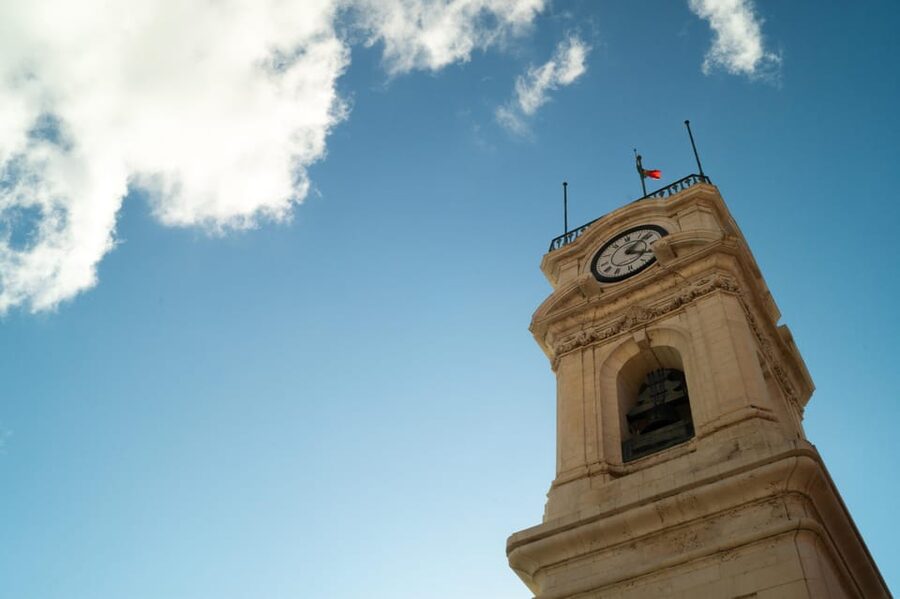
Coimbra’s university is not simply a collection of old rooms. It is a working center of learning with royal roots, formal ceremonies, student traditions, and buildings that show how Portugal’s rulers used architecture to express authority.
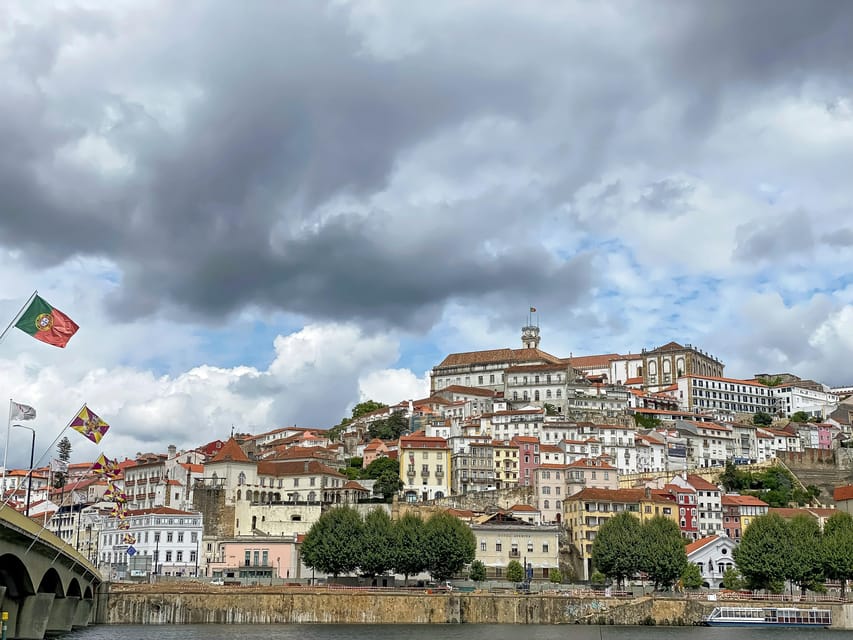
The historic core is the Paço das Escolas, the courtyard at the top of the university hill. The university moved from Lisbon to Coimbra in 1537, and this former royal palace became the heart of academic life. You get a strong sense of that change here: royal power and university life share the same stone walls.
I would choose a guided visit rather than wandering through the complex alone. The architecture is impressive on its own, but the meaning of the rooms depends on context. A good guide connects kings, academic rules, student rituals, and Portuguese history in a way that makes each stop easier to remember.
The experience costs $76 per person. That is not the cheapest way to see Coimbra’s university, but the price includes the guide and entrance ticket, with the Joanina Library included. For me, the value depends on how much you want from the visit. If you only want to glance at the buildings, you can find less costly options. If you want the library, a live explanation, and access arranged around its strict capacity, the price is easier to justify.
More Coimbra & Central Portugal trips worth a second look
- Sintra: Castle of the Moors Skip-the-Line Ticket
★ 4.6 · 2,893 reviews - Lisbon: Sao Jorge Castle Skip-the-Line Ticket with Guide
★ 4.6 · 1,191 reviews - Sintra: National Palace and Gardens Skip-the-Line Ticket
★ 4.3 · 1,144 reviews
Starting at Dom Dinis and the iron gate
The meeting point is Dom Dinis, outside the iron door at the entrance to the university complex. Your guide waits in front of the gate, so arrive with enough time to find the meeting point and get oriented before the group moves inside.
That iron entrance is the Porta Férrea, a triumphal arch built in 1634. It was designed by António Tavares and carries statues of D. Dinis, who founded the university, and D. João III, who brought it to Coimbra.
This is a useful first stop because the gate gives you the university’s basic story in stone. Look for the symbols of the original faculties and listen for the student custom involving academic dress. Students traditionally tied their academic attire to the gate after completing their studies, a small ritual that gives this grand entrance a human touch.
The courtyard beyond the gate is the Paço das Escolas. Take a moment to look around before focusing on individual rooms. You are standing in the historic center of one of Portugal’s oldest university institutions, in a former palace reshaped for academic use.
The Paço das Escolas, where palace and university meet
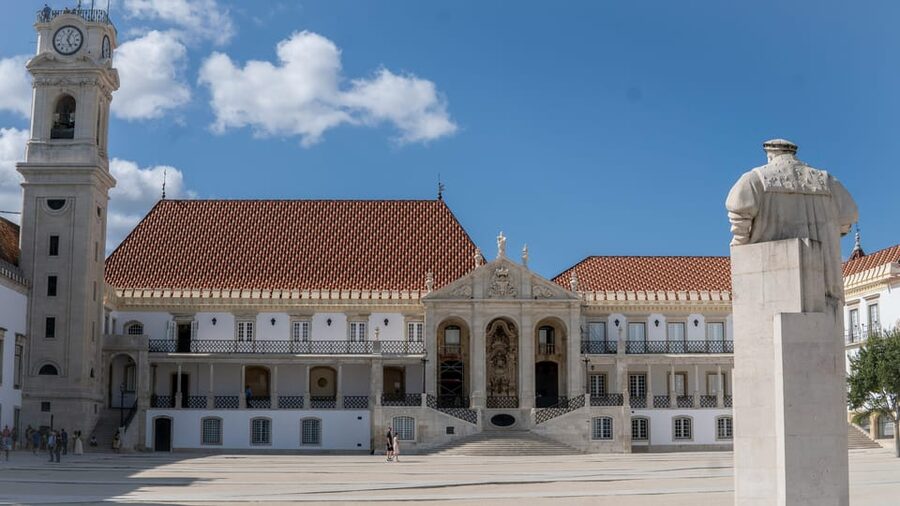
The Paço das Escolas is the tour’s anchor. Its buildings surround a broad courtyard, and the setting makes the university feel both ceremonial and practical. Academic life has taken place here since the relocation from Lisbon, while the former palace connection remains visible in the layout and formal atmosphere.
Your guide should help you read the courtyard instead of treating it as a photo stop. The important question is not only what each building looks like, but how the university gained enough authority to occupy a royal setting and govern aspects of student life.
This is where a guide with university experience can add real value. José has been described as a history graduate of Coimbra, while other guides, including Rogério, David, and Jorge, have university connections or experience explaining student life. Their personal connection can help bridge the gap between a grand monument and a living school.
The route is compact, but the setting is uphill and includes stairs. Wear practical shoes and do not plan this as an entirely effortless stroll.
The Joanina Library and its careful old-world design
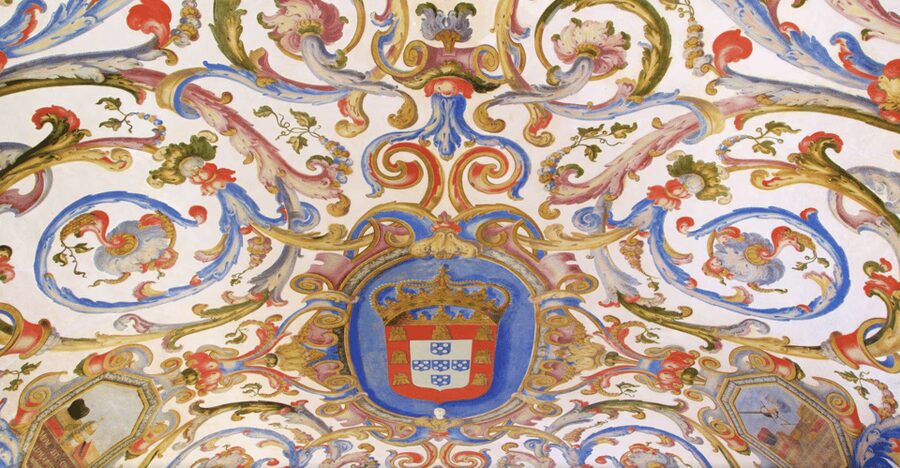
The Biblioteca Joanina is the reason I would book this particular experience. Built between 1717 and 1728 under D. João V, it is a Baroque showpiece filled with gilded woodwork, painted ceilings, and carefully finished exotic hardwoods.
More than 60,000 rare books are held here. You are not just looking at decoration. The design also reflects a serious effort to protect the collection, with features intended to help maintain suitable conditions for conservation.
The most memorable detail may be the bats. They help control insects that could harm the books, an old and practical solution inside one of Europe’s grandest libraries. Ask your guide to explain the story, since it is the sort of odd detail that makes the room stick in your mind long after the gold and paintings begin to blur together.
Library access is limited to 50 people per time slot. That matters. Your schedule might be adjusted so the group can enter at the assigned time, and the visit may not follow the exact order you expect. This is a small inconvenience in exchange for access to a room that can be difficult to fit into a busy Coimbra day.
Photography is allowed, but flash photography is prohibited inside the library. Follow that rule carefully. The room is a place for looking closely, not for firing off a rapid set of bright snapshots.
The library visit is listed as 30 minutes within the experience. That is enough time to admire the major features and hear the main stories, but not enough for a slow, solitary study of every ceiling panel and carved detail. If the Joanina Library is high on your list, 30 focused minutes with a guide can be more useful than a longer visit without context.
A different kind of day out, same corner of Portugal:
- From Lisbon: Fatima, Batalha, Nazare, Obidos – Small Group
★ 4.8 · 2,031 reviews - Coimbra: Live Fado Show with Glass of Port Wine
★ 4.7 · 998 reviews - University of Coimbra guided tours without queue
★ 5.0 · 518 reviews - Guided tour of the University and city of Coimbra.
★ 5.0 · 377 reviews
The academic prison beneath the books
After the library, the route descends to the Prisão Acadêmica, a medieval academic prison beneath the building. The location reveals how much control the university once held over its students.
Students who broke university rules could be confined in these narrow cells. Your guide explains how the university handled discipline and how students spent time in this secluded space, reflecting on their behavior.
The prison changes the tone of the tour. The library is polished, bright, and ceremonial. The cells are cramped and severe. Together, the two places show different sides of university life: the pursuit of learning and the strict system used to enforce order.
This stop also helps explain the institution’s autonomy. The university was not merely a school where students attended classes. It had its own rules and disciplinary powers, which shaped daily life in ways that may surprise you.
The stairs down to the prison are one more reason to consider mobility before booking. The experience is not suitable for wheelchair users, and it may not work well for people who have difficulty climbing or descending stairs.
São Miguel Chapel, where tile meets ceremony
The Real Capela de São Miguel is one of the most colorful stops. Its origins reach back to the 12th century, while later Baroque additions supplied the gilded altars, elaborate decoration, and patterned azulejos.
The blue-and-white tilework is a classic Portuguese visual feature, but the chapel has more than surface appeal. It remains part of university life and is used for religious ceremonies, concerts, and weddings.
Look for the large organ, which has more than 2,000 pipes. It gives the chapel a musical presence even when no performance is taking place. The combination of tile, gilt carving, and organ makes this room feel very different from the library’s restrained rows of books.
I appreciate that the tour treats the chapel as an active place rather than a frozen museum room. Its connection to ceremonies helps you understand why these buildings still matter to the university today.
As with the other interiors, listen closely and leave room for other people to move through the space. The chapel’s details reward a slower look, but the group must keep to its schedule.
Sala dos Capelos and the university’s formal power
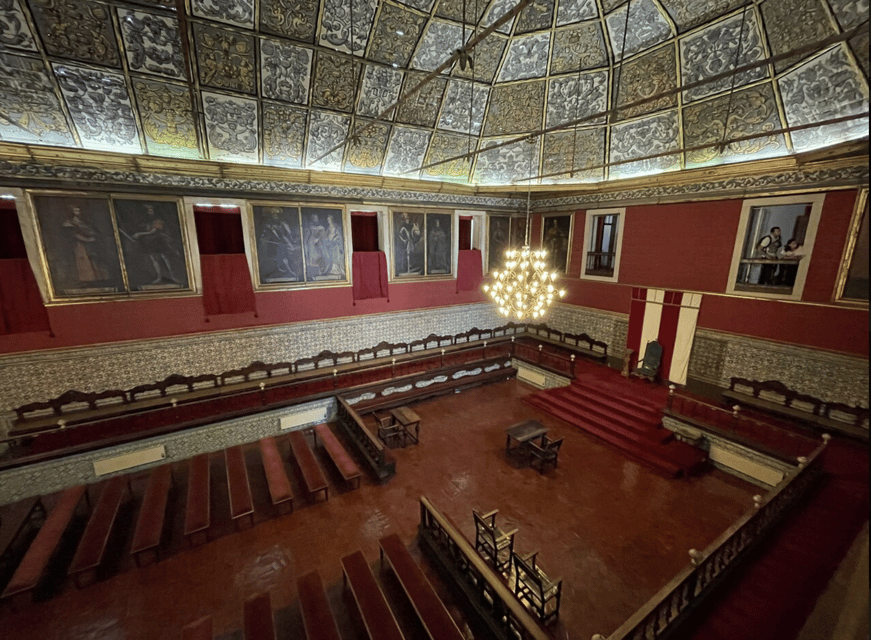
The Sala dos Capelos is the ceremonial hall and one of the most important rooms on the route. It began as a royal throne room, and that former purpose remains clear in its formal proportions and decoration.
Blue azulejos line the walls, grotesque motifs cover the ceiling, and portraits of Portuguese monarchs look down from above. The room links the university to the crown in a direct, visual way.
This is also where the institution’s rituals come into focus. Royal proclamations once took place here, and the room continues to host doctoral defenses. You can picture the hall shifting from royal ceremony to academic ceremony without losing its sense of importance.
A guide is especially useful here because the room can otherwise become a list of portraits and decorative features. The better explanation is about how power was displayed, first by monarchs and later by the university itself.
Via Latina and the final view over Coimbra
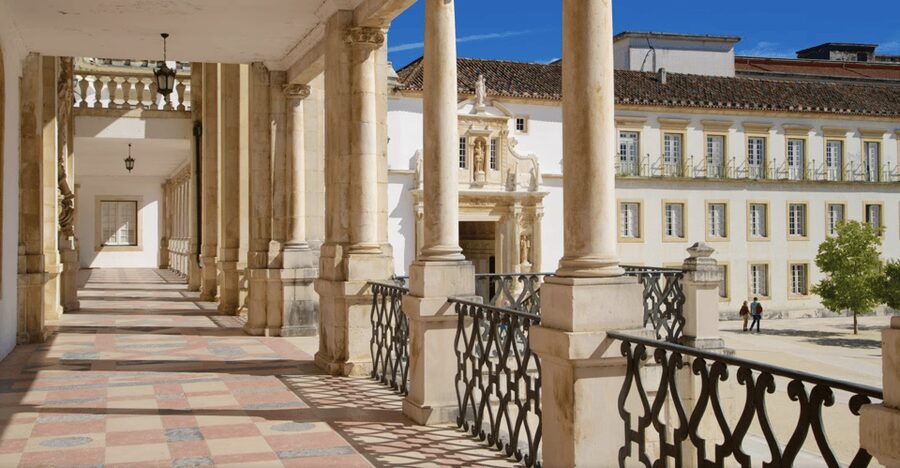
The tour ends at the Via Latina, an 18th-century neoclassical colonnade overlooking the Paço das Escolas. From here, you get a broad view across the courtyard and out toward Coimbra.
The name and design point to a change in academic life: the university’s movement from Latin toward Portuguese as the official teaching language. That shift made education more accessible to Portuguese speakers and marked a change in how the university related to the country around it.
This is a good ending because the colonnade gives you space to connect the pieces. You have seen royal rooms, a library built for rare books, a prison for misbehaving students, a chapel still used today, and a hall for academic ceremony. The view lets you step back from the detail and see the university as a long-running institution rather than a set of unrelated sights.
Your guide can also answer final questions here. Several guides, including José and David, have been praised for staying a little longer to discuss Coimbra, Portugal, and university life. Do not count on extra time, but it is worth asking any questions you still have before leaving.
How the guiding affects the experience
The strongest reason to take this tour is the guide. The university’s rooms are visually impressive, yet many of the best details are not obvious from the architecture.
José has led many of the strongest experiences, with visitors appreciating his background in history and his explanations of Portuguese rulers, religious figures, Coimbra, and student customs. Rogério has also been praised for clear, detailed explanations and a friendly manner. David and Jorge have guided visits that included extra conversation and strong personal ties to the university.
The exact guide may vary, so I would not book on the assumption that one specific person is guaranteed. What you can expect is a live guide in English or Portuguese, with private group availability if you prefer a more personal format.
The personal stories are particularly useful. A guide who studied at Coimbra can explain rituals and university habits that a standard audio guide may miss. That does not replace the major historical facts, but it gives the buildings a more immediate connection to student life.
The tour is also described as interactive and responsive to questions. That matters because a 90-minute visit can feel rushed if it is delivered as a long speech. The best version of this experience allows you to ask about the books, bats, chapel, academic rules, or student traditions as you go.
Is $76 good value for 1.5 hours?
At $76 per person, this is a premium short tour. You are paying for entry, a live guide, and access planning around the Joanina Library’s limited capacity.
I would call it good value if the library is a priority and you want the university explained in English. The tour covers a lot in 1.5 hours, and the skip-the-line arrangement can save uncertainty at a popular site with fixed library capacity.
I would think twice if you prefer to explore slowly, read every sign, or spend a long time taking photographs. The schedule is focused, and the library slot can affect the order of the visit.
You also get free cancellation up to 24 hours before the start and the option to reserve now and pay later. Those policies make the booking less risky if your Coimbra plans are still shifting.
Who should book this university tour?
I recommend it most for first-time visitors to Coimbra, history fans, architecture lovers, and anyone who wants the Joanina Library without sorting out the university complex alone.
It also suits families with older children who can manage the stairs. The prison, bats, royal stories, and student rituals give younger visitors more to hold onto than a simple discussion of dates and architectural styles.
The private group option is worth considering if you want to ask many questions or prefer a slower, more tailored pace. A shared tour may be enough if you mainly want the main facts and access to the rooms.
I would not choose it for anyone with major mobility limitations. The route includes stairs, and the experience is not suitable for wheelchair users. Also remember that no flash photography is allowed inside the Joanina Library.
Practical advice before you go
Arrive at Dom Dinis and look for the guide outside the iron door. The meeting point is specific, and the Porta Férrea is also the first important sight, so do not rush through it.
Wear shoes suitable for stairs and uneven historic interiors. Keep your camera ready, but leave the flash switched off before entering the library.
If the library time changes the order of the route, go along with it. The university limits entry to 50 people per slot, so timing is controlled by the site rather than by the guide alone.
Try to book an early time if it fits your schedule. An early visit leaves the rest of the day open for Coimbra, and it can help you approach the university before your sightseeing list becomes crowded.
Should you book it?
Book this tour if you want the Biblioteca Joanina, a guide who can explain Portuguese and university history, and a compact route through Coimbra’s most important academic rooms. The strongest guides, especially José, Rogério, David, and Jorge, bring personal university connections and entertaining details that help the place make sense.
Skip it if you need a step-free experience, want a very slow visit, or are mainly looking for the lowest possible price. For most first visits, though, the included library entry and local explanation make $76 reasonable, especially when access is arranged around the library’s strict time slots.
FAQ
Where does the tour meet?
The guide waits outside, in front of the iron door at Dom Dinis.
How long does the experience last?
The guided university experience lasts 1.5 hours. The Joanina Library visit is listed as 30 minutes within the itinerary.
What language is the tour offered in?
The live guide is available in English or Portuguese.
Is the Joanina Library included?
Yes. The experience includes an entrance ticket and a visit to the Biblioteca Joanina.
Does the tour skip the ticket line?
Yes. Skip-the-line access is included, although library entry is still controlled by time slots.
Can I take photographs?
Photography is allowed, but flash photography is prohibited inside the Biblioteca Joanina.
Is the tour suitable for wheelchair users?
No. The experience is not suitable for wheelchair users or people with mobility impairments because the route includes stairs.
Can I cancel the booking?
You can cancel up to 24 hours in advance for a full refund. You can also reserve now and pay later.
Recently reviewed around Coimbra & Central Portugal
- Óbidos: Medieval Tales & Secrets Spots Guided Walking Tour★ 4.9 · 171 reviews
- From Nazaré: Self-Guided Half-Day or Full-Day E-bike Rental★ 4.9 · 68 reviews
- Nazaré: Jet Ski Rental★ 4.6 · 112 reviews
- Nazaré: 4×4 Buggy Tour with Guide★ 4.8 · 283 reviews
- Lisbon: Fátima & The Shepherd Children Home Self-Guided Tour★ 4.4 · 101 reviews
- Sanctuary of Fátima and Coimbra City Tour★ 4.5 · 51 reviews
- Fátima: Sanctuary and Aljustrel Village, Private Guided Tour★ 5.0 · 57 reviews
- Fátima Private Tour: Shrine| Sacred Path |Shepherds House★ 5.0 · 81 reviews
Skip the Line, compared.


Sao Jorge Castle Skip-the-Line Ticket with Guide
Read our review →
National Palace and Gardens Skip-the-Line Ticket
Read our review →
Porto Pubcrawl: 5h,7 Drinks,4 bars &Skip the line Club Entry
Read our review →Browse the lists this tour appears in