
Reviewed · WINE TASTINGS & PORT CELLARS
Vila Nova de Gaia: Port Wine Tasting with Cheese Pairing
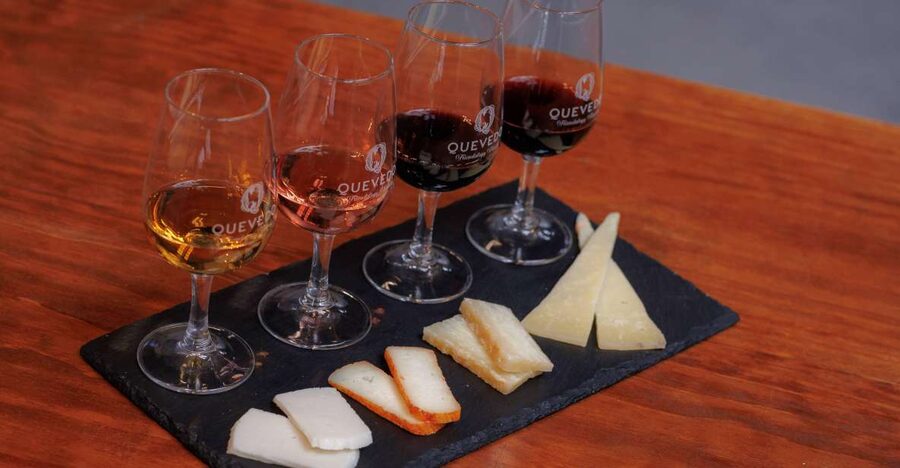
Port and cheese make a fine first lesson in Portuguese wine, and this one-hour tasting at Quevedo keeps the lesson focused. You try three distinct Ports, each matched with a different cheese, while a guide explains how the wine is made, aged, and shaped by grapes from the Douro Valley.
I like the small group limit of eight, which gives you room to ask questions rather than simply listen to a sales pitch. I also like the clear progression from Crusted Port to 10-Year-Old Tawny and then Colheita 2009 White Port. The main consideration is simple: this is a tasting, not a cellar tour, so you will not visit the bodega or see the production rooms.
In This Review
- Key points to know
- A focused introduction to Port in Vila Nova de Gaia
- What you taste, from Crusted Port to White Colheita
- Why the cheese pairings are worth your attention
- The family story behind the bottle
- The guide can make or break the hour
- The experience is a tasting, not a winery tour
- Is $30 a fair price?
- Who will enjoy this tasting most?
- How to get the most from your hour
- Booking details that matter
- Should you book it?
- FAQ
- Where does the Port tasting take place?
- How long does the experience last?
- How many Port wines are included?
- Which Port styles will I taste?
- What cheeses are paired with the wines?
- Is food included with every wine?
- How large is the group?
- What languages are available?
- Can I cancel or pay later?
Key points to know
- Three distinct Port styles: Crusted, 10-Year-Old Tawny, and 2009 White Colheita.
- Cheese is part of every pour: Each Port comes with a carefully selected Portuguese cheese and, in one pairing, local jam.
- Small family-owned producer: Quevedo has made Port for more than five generations and bottles under its own brand.
- Compact but useful format: The session lasts one hour, with 40ml pours of each wine.
- Central Gaia setting: Meet the Quevedo staff in Vila Nova de Gaia, close to the riverfront activity.
- Good access and flexibility: The experience is wheelchair accessible, available in four languages, and cancellable up to 24 hours before the start.
A focused introduction to Port in Vila Nova de Gaia
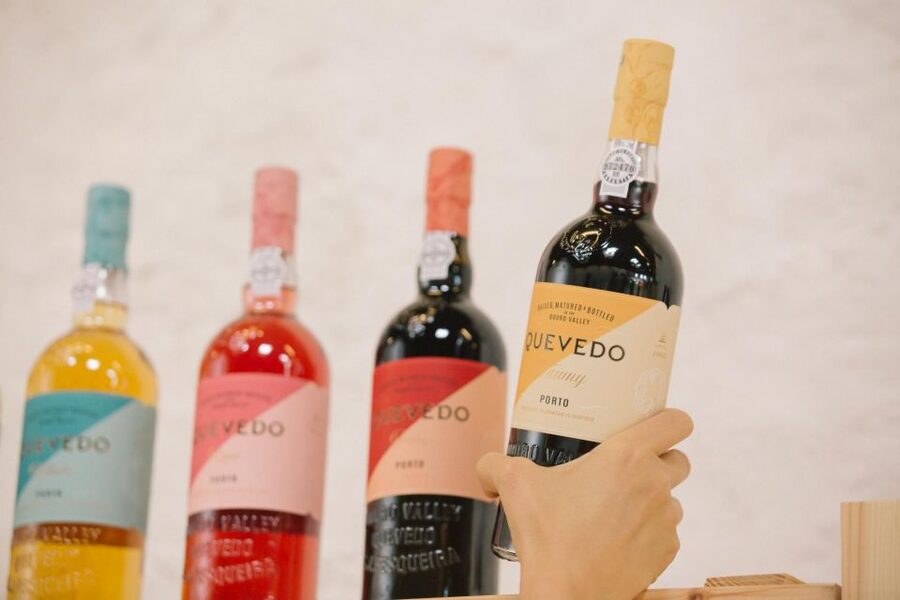
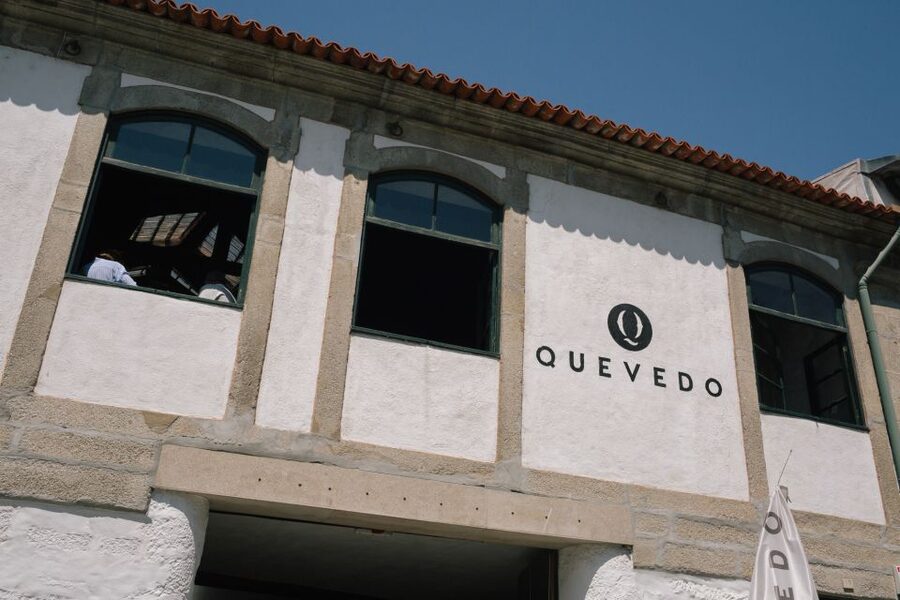
Quevedo’s tasting takes place at its cozy lodge in Vila Nova de Gaia, the city across the Douro River from Porto. Go to Quevedo Port Wine and speak with a local staff member when you arrive.
The setting is described as open, airy, welcoming, and peaceful. That matters in Gaia, where the riverfront can be lively and crowded. You get a quieter place to sit, taste, and talk, yet you remain close to the action along the river.
The experience lasts about an hour. That makes it easy to fit into a day of sightseeing. You could schedule it before lunch, after visiting Porto’s historic center, or between other Gaia wine-house stops. The short format also keeps the tasting from becoming tiring, especially if you are new to fortified wine.
The group can include no more than eight people. Some sessions may be even smaller. A small table gives the guide a chance to check your reactions, answer individual questions, and adjust the conversation to the group’s interests.
More Food Tours in Porto
- From Porto: Douro Valley w/ Boat Tour, Wine Tasting & Lunch
★ 4.7 · 19,061 reviews - Porto: Cálem Cellar Tour, Interactive Museum & Wine Tasting
★ 4.5 · 4,113 reviews - Douro Valley Small-Group Tour with Wine Tasting, Lunch and Boat
★ 5.0 · 3,642 reviews
What you taste, from Crusted Port to White Colheita
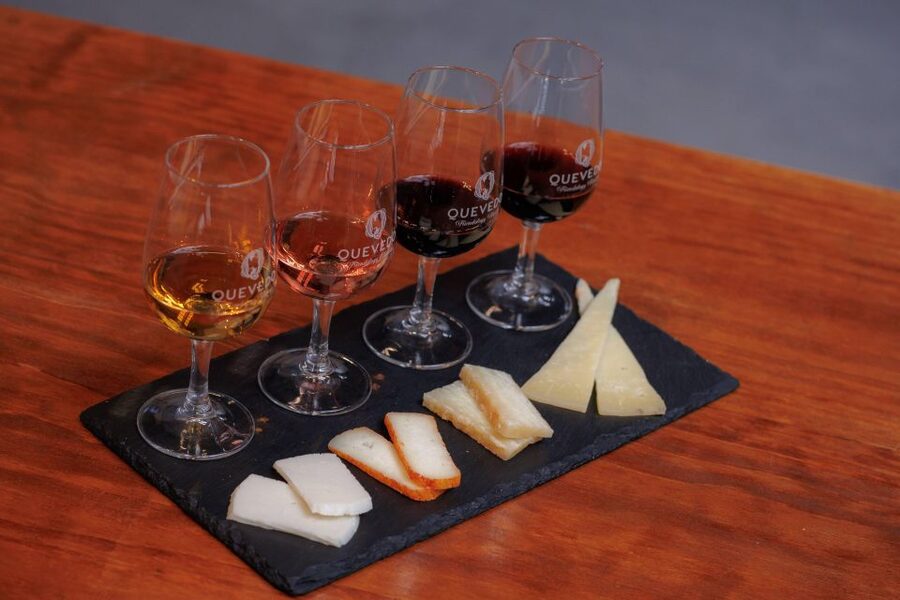
The tasting includes three 40ml glasses of Port. That is enough to compare styles without turning a short lesson into an afternoon of heavy pours.
The first pairing is Crusted Port with local-aged sheep cheese. Crusted Port is bottled with sediment and can develop in the bottle, making it a useful style to discuss when learning how Port changes with age. The sheep cheese brings a firm, savory counterpoint to the wine.
Next comes 10-Year-Old Tawny Port with an aged paprika cheese made from cow, goat, and sheep milk. Tawny Port spends time aging before bottling, and the stated age refers to an average style rather than one single harvest. The mixed-milk cheese adds several flavors at once, while the paprika gives the pairing a gentle savory edge.
The final pour is Colheita 2009 White Port with a seven-month-aged traditional Azores cheese and local jam. A Colheita comes from a single harvest year, so the 2009 date gives the wine a specific point of reference. The combination of White Port, island cheese, and jam provides a different finish from the darker, more familiar Port styles.
This order gives you three useful contrasts: a bottled style with sediment, a mature Tawny, and a dated White Port. You are not simply drinking three similar sweet wines. You are comparing color, age, grape character, texture, and the effect of food on the finish.
Why the cheese pairings are worth your attention
The cheese is not just a snack placed beside the wine. It is the teaching tool that makes the tasting easier to understand.
Port can taste quite different after a bite of cheese. A salty or tangy cheese may soften the wine’s sweetness, bring out fruit, or make the finish feel sharper. One pairing may work in close harmony, while another may create a contrast. That difference is useful. It teaches you to notice how food changes your sense of a wine.
The selection also gives you a small tour of Portuguese cheese traditions. You sample sheep cheese, a mixed-milk cheese with paprika, and an aged cheese from the Azores. The final pairing includes local jam, adding another layer of sweetness and fruit.
If strong cheeses worry you, this tasting may be approachable. One session was described as a good choice for people who prefer milder cheeses, while still offering enough variety to make the comparisons interesting.
I recommend tasting each Port once before eating the cheese, then taking another sip afterward. Notice what changes. You do not need formal wine vocabulary. Simply ask yourself if the wine seems sweeter, drier, softer, fruitier, or more intense.
The family story behind the bottle
Quevedo is a small family-owned Port producer with more than five generations of wine-making experience. The family’s work began before it could sell wine under its own name.
Portugal’s entry into the European Union in 1993 changed the rules for small producers. Quevedo was then able to bottle its wine under its own brand, making it one of the newer Port houses in the Douro region despite its long family tradition.
That contrast is one of the more interesting parts of the session. You learn about an established wine culture through a producer that is still relatively young as a branded Port house.
The family’s vineyards and olive groves are in the Douro Valley, where the Port grapes originate. Quevedo cultivates 100 hectares of vineyards and 25 hectares of organic olive groves spread across five properties.
The five properties give the producer grapes with different aromas and flavors. The stated approach is that good wine begins in the vineyard, so the tasting may place more attention on grape origin and growing conditions than a basic retail sample would.
The wines are raised, matured, and bottled in the Douro Valley. This is worth keeping in mind when you taste them in Gaia. Vila Nova de Gaia is the place where Port is presented, sold, and enjoyed, but the grapes come from the steep Douro Valley farther inland.
More Wine Tastings in Porto
- Porto: Live Fado Show with Glass of Port Wine
★ 4.8 · 6,498 reviews - Douro Valley Tour: 2 Vineyard Visits, River Cruise, Winery Lunch
★ 5.0 · 3,542 reviews - Porto: Cálem Cellar Tour, Fado Show & Wine Tasting
★ 4.4 · 3,530 reviews - Porto: Cockburn’s Port Lodge Tour and Tasting
★ 4.8 · 3,360 reviews
The guide can make or break the hour
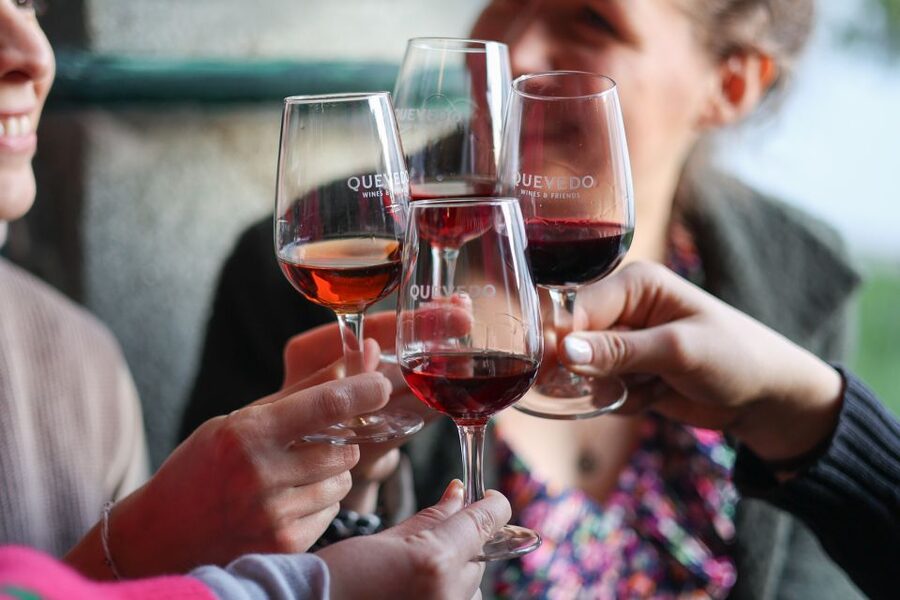
The wine is important, but the guide shapes the whole experience. The staff members who lead these sessions include Miguel, Inês, Bruna, Fernando, Marcia, Rafael, Dima, Antonio, and Francisco.
The strongest part of the guide style is the ability to explain Port without assuming that you already know wine. The explanations cover the brand, the Douro region, Port production, aging, and the reason each cheese was chosen.
Miguel has been praised for explaining viticulture and wine-making clearly, while Fernando is noted for his passion for Port, wine generally, and the Douro Valley. Inês has a reputation for making technical ideas understandable to people outside the wine trade. Bruna and Marcia are also singled out for friendly, clear presentations.
You may receive a different guide, but the available languages are Portuguese, English, Spanish, and Russian. English-language sessions are well supported, and the guides are described as fluent or easy to understand.
The tone is informal rather than stiff. Questions are welcome, including detailed ones about production and aging. One useful feature is the lack of pressure to buy. You can ask about wines you enjoy without feeling that the conversation must end at the sales counter.
Some sessions have included an extra sample when a participant wanted to explore a certain style. Treat this as a possible courtesy, not part of the guaranteed package. The included tasting is three Ports and three cheese pairings.
The experience is a tasting, not a winery tour
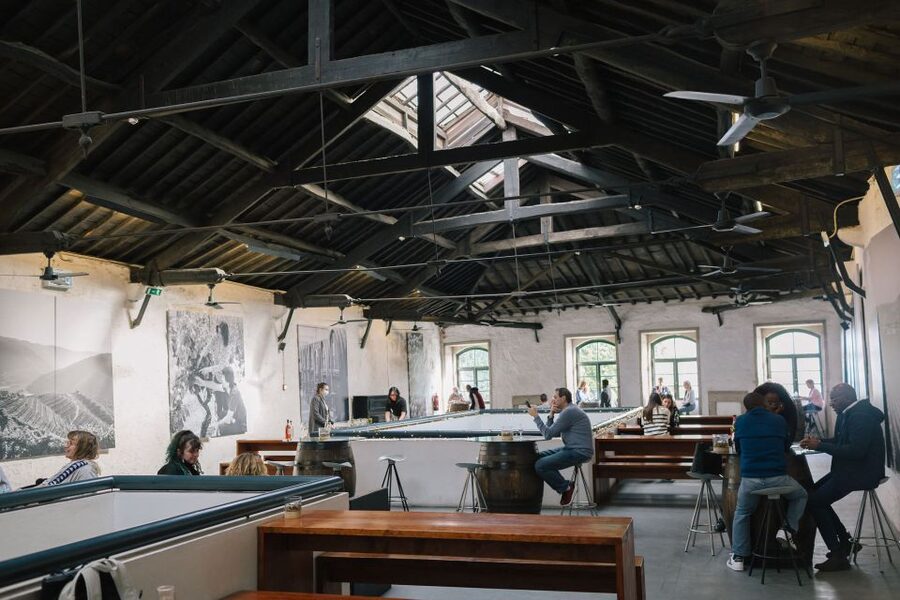
This distinction is important when you compare it with other Port activities in Gaia.
You do not visit the bodega or walk through production areas. Instead, you sit in the Quevedo lodge and focus on the glasses in front of you. For some people, that is a drawback. If you want barrels, machinery, storage rooms, or a longer explanation of winery operations, choose an experience that includes a cellar visit.
For others, the tasting-only format is an advantage. There is no time spent moving through a large commercial site, and the full hour can be devoted to tasting and questions. The setting is described as calm and comfortable, which suits people who prefer conversation over a staged tour route.
The format also works well for repeat visitors to Porto. If you have already toured a large Port house, Quevedo offers a more concentrated look at styles and pairings. It gives you practical knowledge you can use when choosing a bottle later.
Is $30 a fair price?
The price is $30 per person. For that, you receive three Port pours, three cheese pairings, and a guided session lasting one hour.
I consider that fair value, especially because the cheese is thoughtfully matched rather than treated as a token extra. You are paying for a seated lesson, not just three small glasses at a bar. The small group also adds value, since personal questions are more realistic with eight people or fewer.
One price-sensitive opinion found the experience slightly more expensive than it should be, while still considering it cheaper than the major Porto Port houses. That is a useful comparison. Quevedo is not the cheapest way to taste Port, but it can cost less than a large, famous producer while offering a more personal setting.
The 40ml pours are clearly stated. Three pours add up to 120ml of wine, before any extra samples. You should not expect a full meal. The cheese gives you something substantial enough to compare flavors, but additional wines and snacks cost extra and are not included.
For a first Port tasting, $30 is sensible if you want guidance. If you already know your favorite Port styles and only want a quick drink, you may find better value ordering a glass on your own.
Who will enjoy this tasting most?
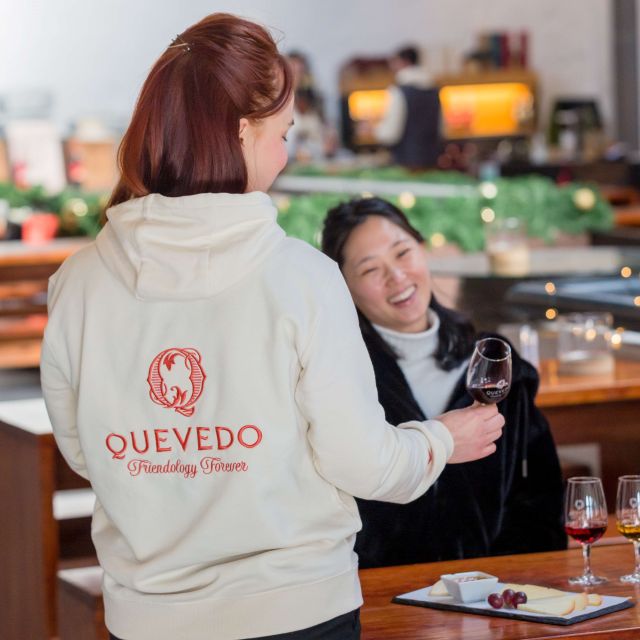
This experience suits a wide range of people, including those with little wine experience. The guides explain the differences between styles in plain language, and the cheese gives you a direct way to test what you are hearing.
It is especially useful for:
- First-time Port drinkers who want to understand the main styles.
- Couples looking for a short food-and-wine activity.
- Small groups who prefer conversation and questions.
- Repeat Porto visitors who have already seen a large Port cellar.
- Wine enthusiasts interested in White Port and Colheita, not only Tawny and Ruby styles.
- People who want a central Gaia activity without committing to a half-day excursion.
It is less suitable if you want a full meal, a long vineyard visit, or a detailed walk through production facilities. It is also not an adults-only setting. Children may be present in another group, so keep that in mind if you want a very quiet, grown-up wine room.
Wheelchair access is available. The host or greeter speaks Portuguese, English, Spanish, or Russian, which makes the tasting practical for an international audience.
How to get the most from your hour
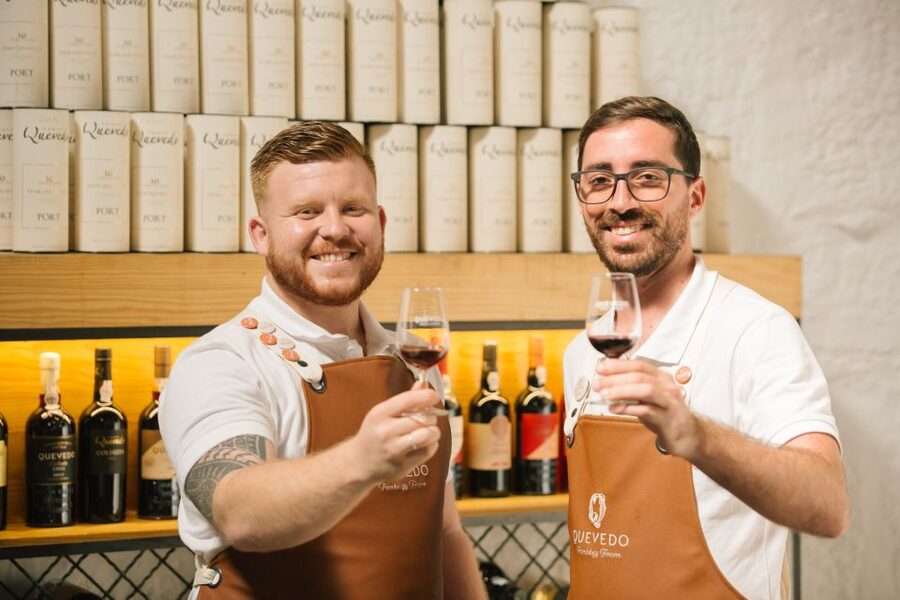
Arrive ready to taste slowly. Three glasses can pass quickly if you treat the session as a social drink rather than a lesson.
First, ask the guide to explain the difference between the three styles before you begin. Then take notes on what you like. You do not need to record every aroma. Simply mark the Port you would order again.
Pay attention to the food effect. Try the wine alone, taste the cheese, and then return to the wine. The point is not to decide that one combination is correct. The point is to see how your own palate responds.
Ask about the Douro Valley properties and the 2009 harvest. Ask why the mixed-milk cheese works with Tawny, or how the jam changes the White Port. The group size makes these questions practical.
If you are considering buying a bottle later, ask the guide how the tasted styles differ from other Quevedo Ports. The goal is not to buy on the spot. It is to leave with enough understanding to choose more confidently in Portugal or at home.
Booking details that matter
The activity costs $30 per person and lasts one hour. Meet at Quevedo Port Wine in Vila Nova de Gaia and speak with the local staff.
The group is limited to eight participants. Starting times vary, so check availability for the day you want. You can reserve now and pay later, which is helpful when your Porto plans are still shifting.
Free cancellation is available up to 24 hours in advance for a full refund. The activity is wheelchair accessible. Additional wines and snacks are not included, and each standard pour is 40ml unless otherwise noted.
Should you book it?
Book this Quevedo tasting if you want a short, friendly introduction to Port with food pairings that actually teach you something. The three wines cover useful ground, the cheeses add real contrast, and the guides are prepared to explain both the basics and more technical questions.
Choose another activity if your priority is a cellar tour, vineyard transport, a full meal, or a long Douro Valley excursion. For everyone else, this is a well-priced way to turn a drink beside the Gaia riverfront into a better understanding of Portuguese wine.
FAQ
Where does the Port tasting take place?
The tasting takes place at Quevedo Port Wine in Vila Nova de Gaia, in Portugal’s Norte Region. Go to Quevedo Port Wine and speak with one of the local staff members.
How long does the experience last?
The tasting lasts one hour.
How many Port wines are included?
Three glasses of Port are included. Each standard pour is 40ml unless otherwise noted.
Which Port styles will I taste?
The tasting includes Crusted Port, 10-Year-Old Tawny Port, and Colheita 2009 White Port.
What cheeses are paired with the wines?
Crusted Port comes with local-aged sheep cheese. The 10-Year-Old Tawny is paired with aged paprika cheese made from cow, goat, and sheep milk. The 2009 White Colheita comes with a seven-month-aged traditional Azores cheese and local jam.
Is food included with every wine?
Yes. Each of the three included Port glasses comes with a cheese pairing. Additional snacks are not included.
How large is the group?
The group is limited to eight participants.
What languages are available?
The host or greeter can provide the experience in Portuguese, English, Spanish, or Russian.
Can I cancel or pay later?
You can reserve now and pay later. Free cancellation with a full refund is available up to 24 hours in advance.
More Cheese in Porto
- Porto: Cálem Cellar with Chocolate, Cheese, and Wine Tasting
★ 4.6 · 310 reviews - Lisbon: Portuguese Wine and Cheese Tasting with Lunch
★ 4.7 · 353 reviews
More Wine Tours in Porto
- Complete Douro Valley Wine Tour with Lunch, Wine Tastings and River Cruise
★ 5.0 · 12,920 reviews - Douro Valley: Wine Tour with Lunch, Tastings & River Cruise
★ 4.6 · 6,081 reviews - Douro Valley: Historical Sites, Wine Experience, Lunch & Cruise
★ 5.0 · 5,133 reviews - Authentic Small Group Douro Wine Tour with Lunch & River Cruise
★ 5.0 · 4,775 reviews
Recently reviewed around Porto
- Bridges Cruise with World of Discoveries or Sunset Option★ 4.0 · 219 reviews
- Porto Card Walker (1, 2, 3 or 4 Days)★ 3.4 · 135 reviews
- Porto: 6 Bridges Yacht Cruise with Local Wine & Snacks★ 5.0 · 399 reviews
- Porto: 5D Flight over de City for all family.★ 4.0 · 281 reviews
- Porto:Aveiro, Cruise, Costa Nova & Capelha da Pedra Full Day★ 4.5 · 434 reviews
- Porto Private E-Bike Tour: Douro River, Parks & Beaches★ 4.7 · 104 reviews
- Porto: 3-Hour Walking City Tour & Lello Bookstore Visit★ 4.7 · 99 reviews
- Port Wine class with 3 or 5 Port tasting and pairings★ 4.9 · 441 reviews
Wine Tastings & Port Cellars, compared.

Douro Valley w/ Boat Tour, Wine Tasting & Lunch
Read our review →
Live Fado Show with Port Wine in Historic Center
Read our review →
Cálem Cellar Tour, Interactive Museum & Wine Tasting
Read our review →
Douro Valley Small-Group Tour with Wine Tasting, Lunch and Boat
Read our review →
Douro Valley Tour: 2 Vineyard Visits, River Cruise, Winery Lunch
Read our review →
Browse the lists this tour appears in