
Reviewed · FOOD & DRINK
Tavira Olive Experience Factory Tour and Tasting
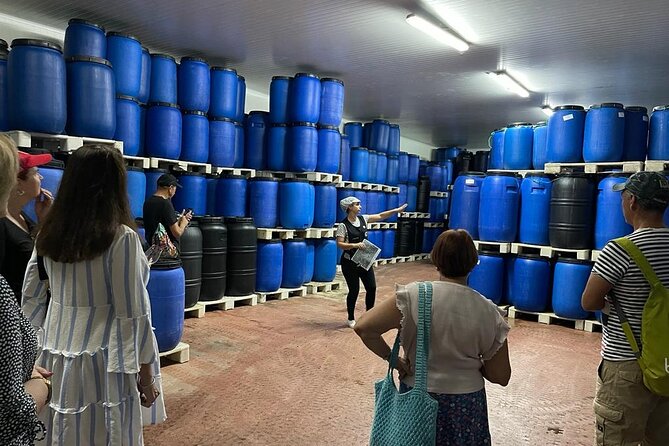
The most interesting part of this visit is that you enter a working small family olive factory, not a polished museum. Andreia explains the machines, salt, preservation, pits, and texture in a lively way, then sits you down for a generous tasting of Portuguese olives, cheese, bread, oil, honey, marmalade, and wine. I like the friendly local setting and the way the tasting turns a technical lesson into a meal. I also like that your money supports a business run by three women.
The main thing to understand is the scope: this is chiefly a table-olive processing tour, not an olive grove visit or a full olive-oil mill tour. Production is seasonal and may be stopped, especially outside September and October, so you could see idle machinery rather than olives moving through the factory.
In This Review
- Key points before you book
- Inside Olive Factory Tavira at 4:00 pm
- What the machines reveal about table olives
- Olive oil, salt, and the difference between fruit and finished food
- The tasting: a Portuguese spread, not a token sample
- How much value do you get for $35.09?
- The people make the small factory memorable
- Who should book this Tavira food experience?
- Booking, cancellation, and practical details
- Should you book the Tavira Olive Experience?
- FAQ
- Where does the Olive Factory Tavira tour start and end?
- What time does the tour begin?
- Is the tour offered in English?
- Will I see olives being processed in the machines?
- What food and drinks are included?
- Can I cancel for a full refund?
Key points before you book
- Table olives are the focus: Learn how olives are prepared for eating, including salt, preservation, pits, and texture.
- Andreia leads with humor: Her clear, animated presentation keeps the factory walk interesting, even when production is paused.
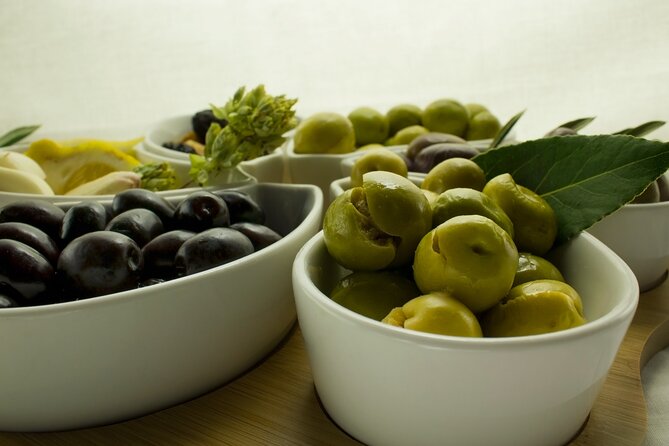
- The tasting is generous: Expect olives, special bread, sauce, cheese, honey, orange marmalade, olive oil, and wine.
- Timing matters: The tour starts at 4:00 pm and lasts about 90 minutes. Olive processing usually takes place in September and October, but not every day.
- Allow time to find the factory: Google Maps and Apple Maps have caused some visitors trouble, so check the address carefully and call if needed.
- Good value at $35.09: The price makes sense if you enjoy food tastings and local production, though dedicated olive-oil fans may want a more specialized mill visit.
Inside Olive Factory Tavira at 4:00 pm
The meeting point is Olive Factory Tavira, at Hélder Madeira, Estrada do Arraial Ferreira Neto S/N, 8800-228 Tavira. The tour begins at 4:00 pm and returns to the same place, which keeps the plan simple. You do not need to arrange a second pickup point at the end.
I would give yourself extra time to locate the factory. The address has not always appeared correctly in Google or Apple Maps, and finding the entrance can take longer than expected. If your map sends you in circles, contact the factory. Andreia has called to help visitors reach the right place, which is the sort of practical care you appreciate when you are standing somewhere unfamiliar.
You can arrive up to one hour early and use the bar before the visit begins. Drinks ordered before the tour cost extra, so treat that as an option, not part of the included package. The official experience is offered in English, though Andreia has also been able to arrange a French explanation on at least one occasion.
The group can include up to 30 people. That is not an intimate private visit, but the factory setting and informal style help keep it personal. Most people can take part, and confirmation arrives when you book. You receive a mobile ticket, so there is no need to print paperwork.
More Food Tours in the Algarve
- Tour & Wine tasting – Authentic Algarve Flavours by Quinta da Tôr
★ 5.0 · 343 reviews - Faro City Portuguese Wine Tasting and Tapas Guided Tour
★ 4.9 · 47 reviews - 3 Hours Classic Food Tour in Faro
★ 5.0 · 42 reviews
What the machines reveal about table olives
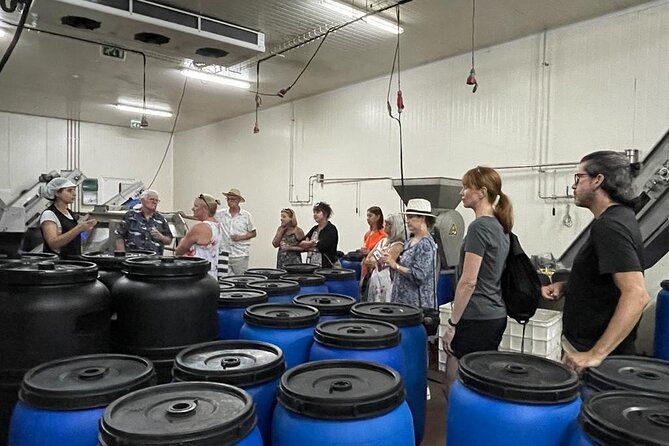
The factory walk is less about grand machinery and more about seeing the practical work behind a familiar food. Andreia explains how olives move from harvest to the table, including the treatment that makes them pleasant to eat instead of hard, bitter fruit.
You learn why some olives keep their pits, how texture changes, and how salt helps with preservation. These small details are useful because they change the way you look at an olive dish back at a restaurant. A bowl of olives stops being a simple snack and becomes the final stage of a careful process.
The tour also covers the machines used to handle and prepare the olives. The equipment gives you a sense of the labor involved, especially in a small operation where much of the work is done by hand. One account describes the production as manual and without pesticides, but I would treat that as a statement about this operation rather than a general claim about Portuguese olive products.
The presentation is one of the strongest parts of the visit. Andreia is described as warm, funny, and engaging, with enough detail to make the process clear without turning it into a technical lecture. Her sister and Liliana are also part of the team, giving the factory the feel of a family business rather than a large commercial plant.
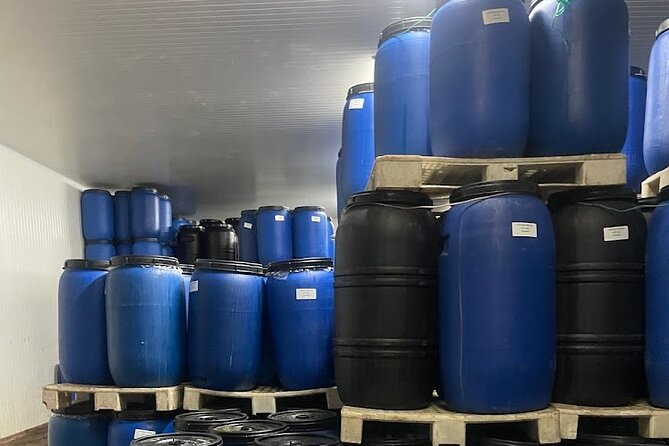
There is an important limit here. The tour does not guarantee active production. Olive picking generally takes place in September and October, and the factory does not process olives every day. In the off-season, you may walk around the machinery while Andreia explains what happens when the lines are running.
That is not a reason to dismiss the visit, but it should shape your expectations. If your main goal is to watch fresh olives being processed, try to schedule around the harvest period and confirm whether production is taking place. If your main goal is to understand table olives and enjoy a local tasting, the tour still has plenty to offer when the machines are quiet.
Olive oil, salt, and the difference between fruit and finished food
The tour includes information about olive oil, but the factory’s main subject is olives prepared for eating. This distinction matters. You will not be walking through an olive grove or following a full olive-oil extraction process from fruit to bottle.
Instead, the explanation places olive oil alongside the wider world of olive products. You hear about the role of oil and salt, and you can taste the difference between the products used in the final spread. That makes the subject practical rather than abstract.
I like this approach for anyone who has wondered why olives vary so much in taste and texture. The salt, the pit, the preservation method, and the fruit itself all affect what reaches your plate. You may leave with a better idea of what you like, which is helpful when choosing items at the factory shop or ordering olives in Portugal.
Some of the food is made in small batches, and the visit emphasizes the work involved in producing it. That local scale is part of the appeal. You are not simply hearing a sales pitch about a famous brand. You are seeing how a smaller producer handles a traditional food and keeps the process close to the people doing the work.
The tasting: a Portuguese spread, not a token sample
After the factory explanation, the group sits down for a tasting that is more substantial than the word sample suggests. The included food covers olives, olive oil, special bread, sauce, cheese, honey, orange marmalade, and wine. Some tastings also include meat, lupini, peas, lemonade, beer, or other non-alcoholic drinks, depending on what is being served.
The bread and oil are a natural starting point. You can compare the oil with the salty olives, then move on to cheese, honey, and marmalade. The combination shows how well Portuguese pantry foods work together: salty, sweet, sharp, soft, and savory items all share the same table.
The tasting is also a social part of the visit. You sit with the group, try several products, and have a glass of wine if you choose. Wine is included with the food tasting, but additional alcoholic drinks ordered at the bar before the tour are charged separately.
I would not book this expecting a formal wine class or a carefully graded oil seminar. The point is pleasure and variety, with enough explanation to help you understand what you are eating. It is a relaxed finish to the factory walk, and the generous portions help justify the price.
You can buy products afterward, with souvenirs costing up to about 15 or 20 euros. This is useful if you want to take home a favorite olive, oil, preserve, or other item you tried at the table. You also have the advantage of tasting before buying, which is better than guessing from a label.
More Faro food and drink outings:
- Faro Food Tour & Drinks and City highlights 10 Tastings
★ 5.0 · 40 reviews - From Porto: Douro Valley w/ Boat Tour, Wine Tasting & Lunch
★ 4.7 · 19,061 reviews - Winner 2025 Undiscovered Lisbon Food & Wine Tour by Eating Europe
★ 5.0 · 6,390 reviews - Porto: Cálem Cellar Tour, Interactive Museum & Wine Tasting
★ 4.5 · 4,113 reviews
How much value do you get for $35.09?
At $35.09 per person, this is not the cheapest food stop in the Algarve. You could buy olives, bread, cheese, and a drink for less at a market. The value comes from combining the food with a guided explanation, access to a working factory, and the chance to ask questions about how the products are made.
The 90-minute duration is well judged. It gives Andreia time to explain the process and leaves enough time for the tasting without taking over your whole afternoon. Since the tour starts at 4:00 pm, it can fit neatly between sightseeing in Tavira and dinner.
The price looks strongest for you if you enjoy local food, small producers, and hands-on explanations. It also works well on a rainy day, when an indoor activity is more useful than another outdoor viewpoint. Families, couples, and food-focused groups should find the mix easy to enjoy, though very young children may not care much about the processing details.
The value is weaker if you want a working production show. There is no guarantee that the machines will be operating, even during the olive season. It is also not the right choice if you specifically want to visit an olive orchard, watch oil being extracted, or learn advanced oil tasting techniques.
The people make the small factory memorable
The factory’s strongest human element is Andreia. Her style is warm and entertaining, with humor woven into the explanation. That matters because machinery and preservation can sound dry if presented as a list of steps.
Andreia’s sister and Liliana help create the welcoming atmosphere. The business is managed by three women, and that small-team structure is part of what you are paying to support. You see a local operation where the hosts are closely tied to the products, not a large attraction built around a scripted show.
The personal approach also helps when plans go wrong. If you have trouble finding the entrance, contact the factory rather than abandoning the visit. Andreia has helped people reach the site, and the team has also worked around dietary needs by discussing allergies in advance.
I would still tell you to raise any allergy concerns before arrival. The tasting includes several foods, and advance notice gives the team a chance to prepare. The supplied details do not promise a fully separate allergy-safe menu, so you should not assume every item will be suitable.
Who should book this Tavira food experience?
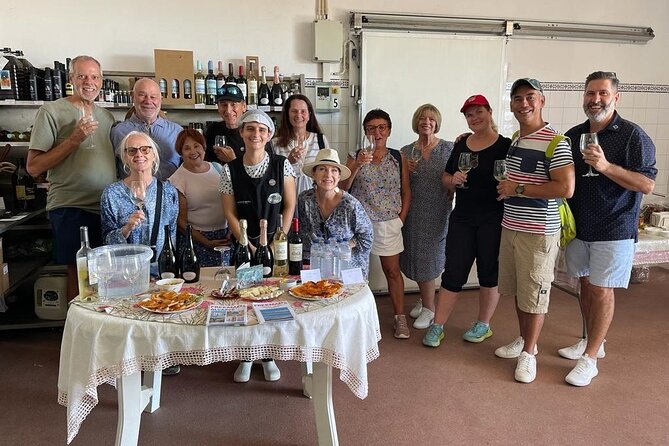
I would recommend it most strongly to:
- Food lovers who want to taste several Portuguese products in one sitting.
- Curious first-time visitors who want a simple explanation of olive preservation and processing.
- Slow-travel fans who prefer a small family business to a large attraction.
- Couples and small groups looking for a relaxed late-afternoon activity.
- Rainy-day planners who need an indoor stop in the Tavira area.
- Shoppers who like to taste local products before taking them home.
I would be more cautious if you have a narrow interest in olive oil. The tour discusses oil and includes it in the tasting, but the main subject is table olives. You may want to pair it with a separate olive grove or oil-mill visit if extraction is your priority.
I would also check the production calendar if seeing active machinery is essential. Harvest season is generally September and October, yet even then the factory may not be processing on your particular day.
Booking, cancellation, and practical details
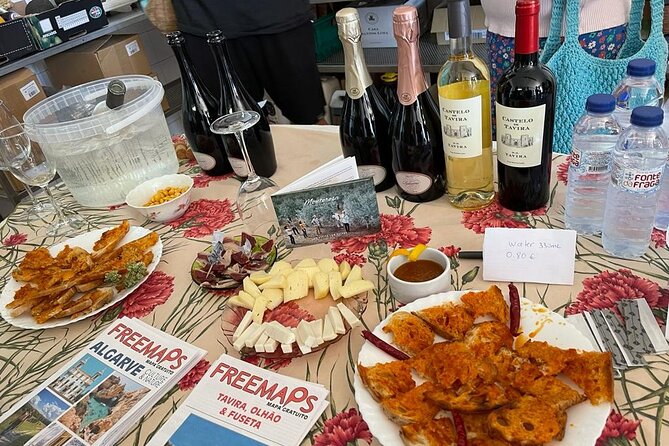
The tour is offered in English, lasts about one hour and 30 minutes, and accepts up to 30 people. It starts and ends at Olive Factory Tavira, with a 4:00 pm start time.
You can cancel for a full refund up to 24 hours before the local start time. Changes or cancellations made less than 24 hours in advance are not accepted for a refund. That policy is reasonable, but I would still wait until your afternoon plans are firm before booking.
The experience is recommended by 99 percent of those who rated it and carries a 4.9 rating from 190 ratings. Those numbers suggest a very dependable food-focused outing, but the practical caveat remains: the factory may not be in production.
Should you book the Tavira Olive Experience?
Book it if you want a friendly, local food experience with a real working setting, a clear explanation of table olives, and a generous Portuguese tasting. Andreia’s lively style, the three-woman family operation, and the chance to buy products you have already tasted give the visit a personal touch.
Skip it if your picture of an olive tour requires groves, harvesting, or an active olive-oil mill. For everyone else, $35.09 buys a useful lesson, a good spread, and 90 minutes with a small Tavira producer. Just check the map carefully, arrive prepared for an informal factory walk, and remember that quiet machinery does not mean a quiet afternoon.
FAQ
Where does the Olive Factory Tavira tour start and end?
The tour starts and ends at Olive Factory Tavira, Hélder Madeira, Estrada do Arraial Ferreira Neto S/N, 8800-228 Tavira, Portugal.
What time does the tour begin?
The tour starts at 4:00 pm and lasts approximately one hour and 30 minutes.
Is the tour offered in English?
Yes. The experience is offered in English. French assistance has also been arranged on at least one occasion, but English is the stated tour language.
Will I see olives being processed in the machines?
Not always. Production depends on the olive-picking season, generally September and October, and the factory does not process olives every day.
What food and drinks are included?
The tasting includes olives, olive oil, special bread, sauce, cheese, honey, orange marmalade, and wine. Additional drinks ordered at the bar before the tour are charged separately.
Can I cancel for a full refund?
Yes. You can cancel at least 24 hours before the experience start time for a full refund. Cancellations or changes made less than 24 hours before the start time are not accepted for a refund.
Recently reviewed around Faro
- Highlights & Hidden Gems of Faro Private Tour★ 5.0 · 78 reviews
- Algarve Buggy Tours★ 5.0 · 429 reviews
- Tuk tuk Tour Tavira Total – 2h00 – Includes Tuna Museum and Fishing Village★ 5.0 · 71 reviews
- From Faro: Benagil Hiking Cliffs and the 4 Treasure Experience★ 5.0 · 424 reviews
- Tavira Tuk Tuk Tour – Chocolate Tour – Tavira City & Chocolate★ 5.0 · 63 reviews
- Tavira City Tuk Tuk Tour – 1h Tavira City Tour★ 5.0 · 100 reviews
- Short boat trip of the Algarve’s Ria Formosa lagoon from Faro: 1 hour★ 4.5 · 56 reviews
- Group Surf Lessons★ 5.0 · 73 reviews
Food & Drink, compared.

Douro Valley w/ Boat Tour, Wine Tasting & Lunch
Read our review →
Winner 2025 Undiscovered Lisbon Food & Wine Tour by Eating Europe
Read our review →
Cálem Cellar Tour, Interactive Museum & Wine Tasting
Read our review →

Douro Valley Small-Group Tour with Wine Tasting, Lunch and Boat
Read our review →

Browse the lists this tour appears in