
Reviewed · FOOD & DRINK
Porto: Burmester Cellar Tour with Tasting & Pairing Options
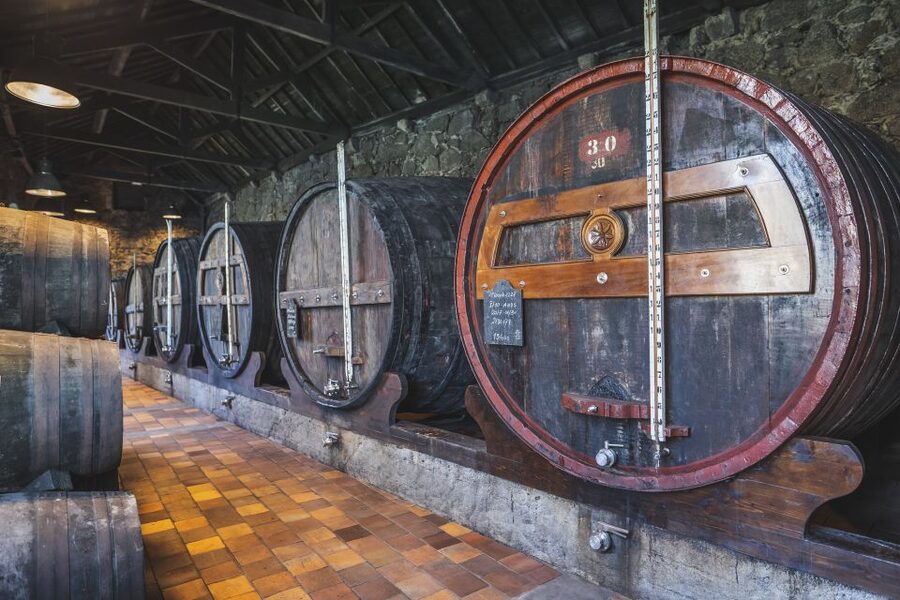
Burmester Cellars sits right beside the Luís I Bridge, giving this short Port tour one of the best settings in Vila Nova de Gaia. Inside, you learn how Port is made, hear how Burmester began in 1730, and finish with a tasting of two or three wines.
I like the clear, compact format and the way the tasting follows the cellar talk while the information is still fresh. I also like the chance to compare different styles, including white, ruby, and tawny Port. The main drawback is that groups can be large, and a lively group in the next room may make the guide harder to hear.
In This Review
- Key points
- Why Burmester Is Worth an Hour in Porto
- Finding the Cellar Beside the Bridge
- The 25-Minute Cellar Visit
- Understanding Douro DOC and Port Production
- Tasting Two or Three Ports
- What the Group Size Means
- Choosing the Best Option for Your Visit
- Guide Quality Makes the Difference
- How It Fits Into a Porto Day
- Is $25 Good Value?
- Should You Book the Burmester Cellar Tour?
- FAQ
- Where does the Burmester Cellar Tour start?
- Where does the activity end?
- How long does the tour last?
- How many Port wines are included?
- Is chocolate included?
- What languages are available?
- Can anyone under 18 drink Port on the tour?
- Is free cancellation available?
- Can I reserve now and pay later?
Key points
- A prime setting beside the Luís I Bridge: Burmester Cellars is easy to pair with a walk across the bridge and a visit to Vila Nova de Gaia.
- A short tour with a useful Port lesson: The cellar visit lasts roughly 25 to 30 minutes, followed by the tasting, for about one hour in all.
- Two tasting levels: Standard bookings include two Ports, while the premium choice includes three Ports and chocolate.
- Strong live guides: Guides such as Hugo, Bruno, and Fernando have been praised for clear explanations, humor, and enthusiasm.
- A small practical catch: The tasting room can feel crowded, and a staircase is used to reach it.
Why Burmester Is Worth an Hour in Porto
Port is not simply sweet red wine served after dinner. It can be white, ruby, tawny, or older and more complex, and its style depends on the grapes, aging, and handling. This tour gives you a useful first look without taking half a day from your Porto schedule.
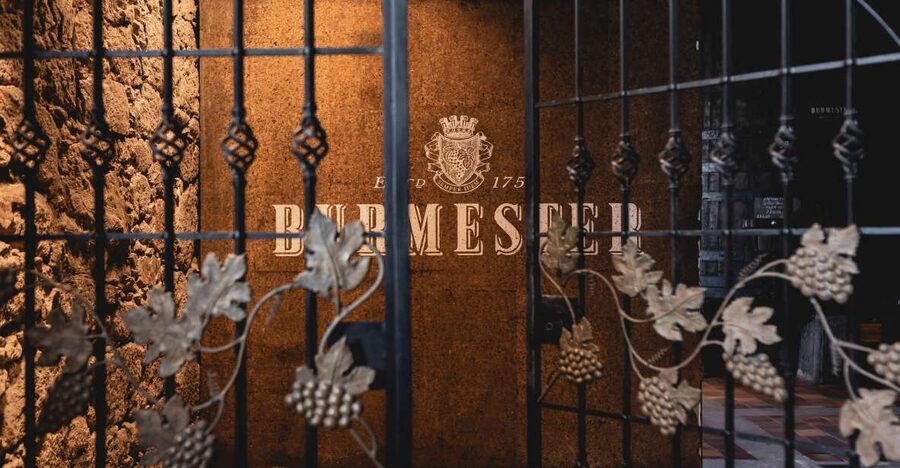
Burmester’s story began in London in 1730, when Henry Burmester joined John Nash to form Burmester, Nash & Co. The company later exported Port from Vila Nova de Gaia across Europe. That connection between trade, riverfront cellars, and the Douro Valley helps explain why Gaia became such an important home for Port.
I find the Burmester visit most useful early in a Porto stay. After an hour here, you have a basic map in your head: the grapes come from the Douro region, the wine is made under the Douro DOC rules, and the cellar in Gaia is part of the aging and selling tradition that shaped this side of the river.
The experience is not designed as a long technical wine course. It is a concise introduction, with enough detail to help you understand what is in your glass. If you already know Port well, the cellar visit may feel brief, but the tasting can still be worthwhile.
More Food Tours in Porto
- From Porto: Douro Valley w/ Boat Tour, Wine Tasting & Lunch
★ 4.7 · 19,061 reviews - Porto: Cálem Cellar Tour, Interactive Museum & Wine Tasting
★ 4.5 · 4,113 reviews - Douro Valley Small-Group Tour with Wine Tasting, Lunch and Boat
★ 5.0 · 3,642 reviews
Finding the Cellar Beside the Bridge
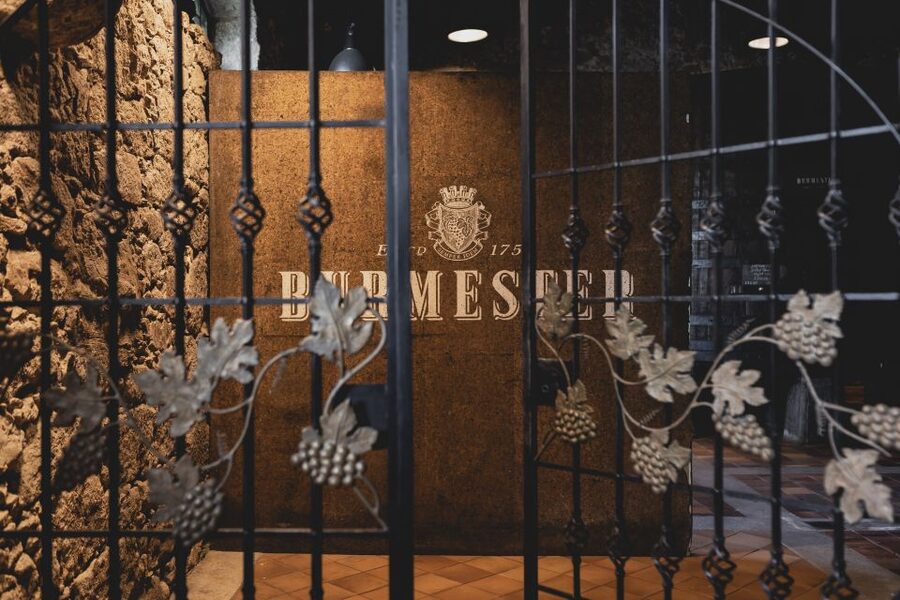
The meeting point is Caves Burmester at Largo Dom Luís I in Vila Nova de Gaia. Its position is the main practical advantage. You can combine the tour with the Luís I Bridge, the riverfront, and other Gaia wine lodges without arranging a separate ride.
The location also gives the visit a strong sense of place. You are not tasting Port in a hotel bar or a generic shop. You are in the historic cellar district, close to the river crossing that links Porto and Gaia.
Check the starting time when you book, since several tour times may be available. Plan to arrive with a little margin. This is a scheduled guided visit, not an open-ended tasting where you can simply wander in whenever you like.
The activity ends back at the same meeting point. That makes it easy to continue along the Gaia riverfront afterward, cross the bridge into Porto, or stop for lunch nearby.
The 25-Minute Cellar Visit
The guided cellar portion usually takes about 25 to 30 minutes. Your guide explains Burmester’s story, the Port-making process, and the role of the Douro DOC designation.
Expect a focused overview rather than a long walk through many rooms. You will see the cellar setting and learn how Port is produced, but the main aim is to prepare you for the tasting. The format works well if you want useful context without spending a full afternoon indoors.
A good guide makes a real difference here. Hugo has been praised for being engaging and clear, while Bruno was described as friendly and informative. Fernando has also received strong praise for explaining the subject in an easy way. These comments point to an important truth about this tour: the guide shapes the experience as much as the building does.
The best guides do not bury you in wine vocabulary. They explain the major Port styles, connect the wine to the Douro region, and leave room for questions. You can expect the tone to be lively rather than formal, with some guides adding humor to keep the short presentation moving.
One detail to plan for is the staircase leading to the tasting room. The supplied information does not describe full accessibility arrangements, so ask the provider directly if stairs could be a problem for you.
Understanding Douro DOC and Port Production
The talk covers the Douro DOC production process. DOC, or Denominação de Origem Controlada, identifies wines made under rules tied to a defined region and production method.
That matters because Port is strongly linked to the Douro Valley. The cellar visit connects the wine in your glass to that protected origin, rather than treating Port as just another sweet fortified wine.
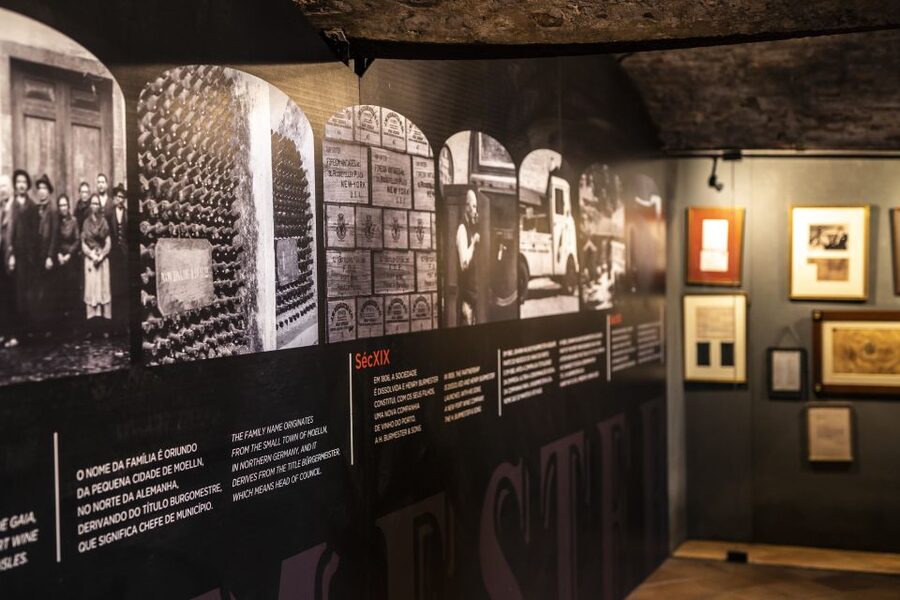
You will also hear about Burmester’s long commercial history and its continuation across generations. The brand uses character as a guiding idea for both the company and its wines. That phrase may sound like marketing, but it gives the guide a useful way to discuss how producers try to keep a recognizable style over time.
For a first-time drinker, the production explanation gives structure to the tasting. Instead of asking only if you like a particular glass, you can compare color, sweetness, age, and style. That turns a quick tasting into something you can use at restaurants and wine shops later.
More Porto food and drink outings:
- Porto: Cálem Cellar Tour, Fado Show & Wine Tasting
★ 4.4 · 3,530 reviews - Porto: Taylor’s Port Cellars & Tasting
★ 4.6 · 3,374 reviews - Porto: Cockburn’s Port Lodge Tour and Tasting
★ 4.8 · 3,360 reviews - Porto: Douro Valley Tour with Wine Tasting, Cruise and Lunch
★ 4.7 · 2,714 reviews
Tasting Two or Three Ports
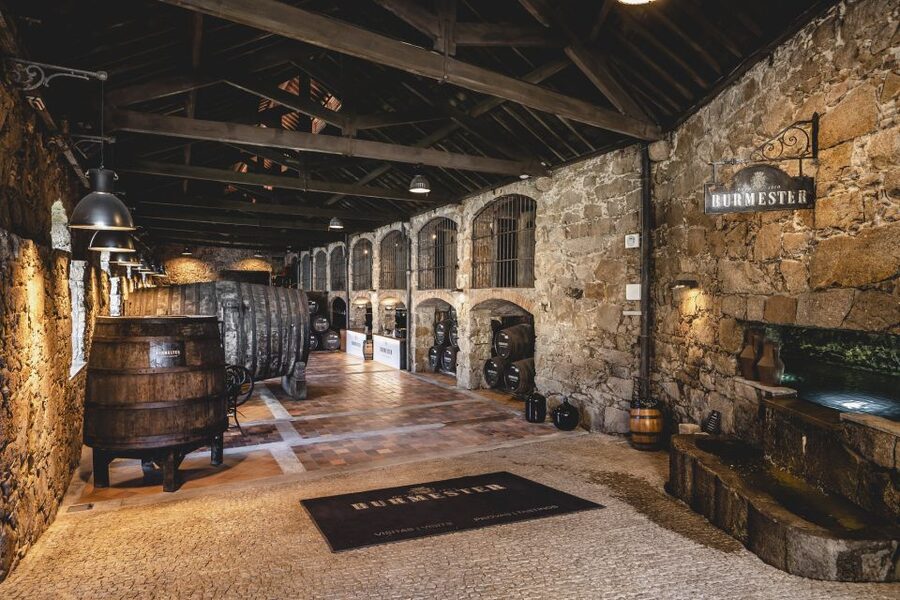
The tasting is the payoff, and the number of wines depends on the option you select. The standard choice includes two Port wines. The premium option includes three Port wines and chocolate tasting.
This difference is worth considering before you book. At $25 per person, the standard tour is fairly priced for a one-hour guided cellar visit with wine. The premium option costs more, but the extra sample gives you a broader comparison and the chocolate adds a simple food pairing.
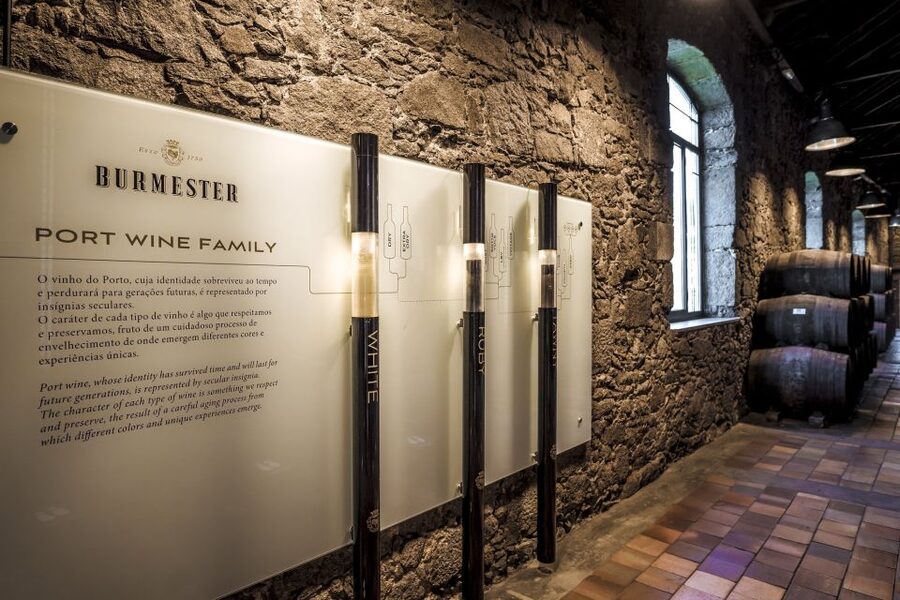
The exact wines can vary, but the experience has included white, ruby, and tawny styles. White Port can surprise people who know only the dark, sweet versions. Ruby Port tends to show a younger, fruitier character, while tawny Port reflects time in wood and often has a smoother, more nutty profile.
Do not expect every standard pour to suit your taste. Some glasses may seem ordinary if you already drink older Ports. The sensible move is to treat the tasting as an introduction, then ask about a better or older bottle if one style catches your attention.
That approach has practical value. A few people have found a preferred bottle after asking for something older or more special, then bought it at the cellar. You do not need to purchase anything, but a tasting can help you shop with more confidence.
Chocolate is included with the premium option. The pairing is especially useful if you enjoy Port with dessert or want a more relaxed finish. If you are choosing between standard and premium, pick premium for comparison and food pairing, not because the standard version is incomplete.
What the Group Size Means
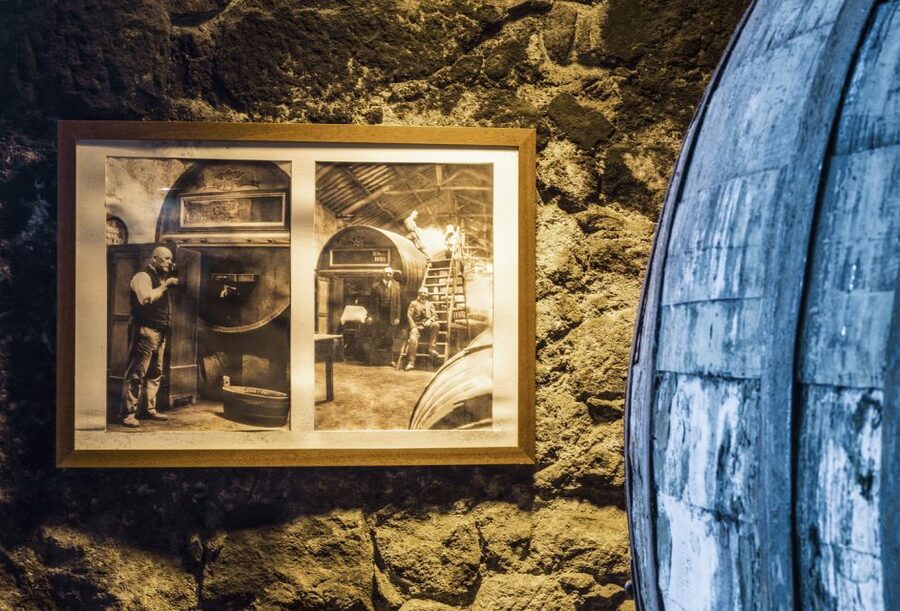
The tour can be very enjoyable when the group is attentive and the guide has room to speak. It can be less comfortable when several groups are moving through the cellar at once.
One reported group was around 50 people, which made the visit feel crowded and made it harder to hear when another party was talking nearby. This is the main weakness to keep in mind. Burmester is a popular stop, and the tasting room may not feel private.
The monolingual format helps in principle. Tours are held separately in Portuguese, German, Italian, Spanish, English, and French, rather than mixing several languages into one presentation. Still, ask at booking which language and starting time you are selecting.
If you have trouble hearing in a large group, stand close to the guide and avoid lingering at the back. The quality of the explanation matters here, so positioning yourself well can make a noticeable difference.
Choosing the Best Option for Your Visit
The standard tasting suits you if you want a quick introduction, are watching your budget, or have several other plans in Porto. Two glasses give you enough to understand the basic idea of Port without making the visit feel like a major commitment.
Choose premium if you want a fuller comparison or like the idea of chocolate with the wine. It is also the better choice if this is your main Port activity in Porto and you want a little more time at the tasting table.
Families can attend, but wine is not served to anyone under 18. The tour is therefore more suitable for adults, with parents needing to plan around the tasting portion. A child may be able to remain with the group, but the supplied details only confirm that no wine is served to minors. Ask the provider about other drink arrangements if that matters to your family.
This tour works particularly well for:
- First-time Port drinkers who want the basics explained clearly
- Couples looking for a short wine activity near the bridge
- Visitors who want to compare white, ruby, and tawny styles
- People with limited time who cannot fit a longer winery visit
- Wine fans who enjoy historic cellar settings and guided tastings
It is less suitable if you want a quiet, private tasting or a long technical session focused on vineyard work and vintage Ports.
Guide Quality Makes the Difference
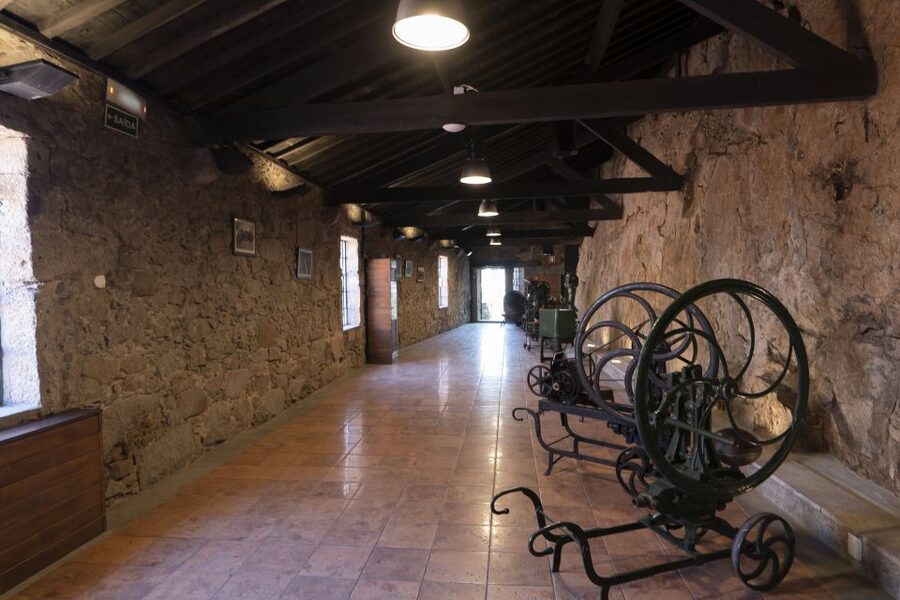
The strongest part of the experience is the human element. Guides have been praised for being lively, friendly, funny, and easy to follow. Hugo, Bruno, and Fernando are names associated with particularly strong visits, though your guide may be someone else.
A good presentation should answer basic questions without making you feel foolish for asking them. It should also explain why Port tastes different from table wine and how the main styles compare.
The tasting room can become noisy, so do not expect the guide to control every part of the atmosphere. One group’s poor behavior can affect everyone nearby. That is not a flaw in the wine lesson itself, but it is a real part of the experience in a busy cellar.
I would judge the tour by its purpose. It is not a private appointment. It is a well-priced, guided introduction in a popular location. With a strong guide, it becomes both educational and fun. With a distracted group, it may feel more hurried.
How It Fits Into a Porto Day
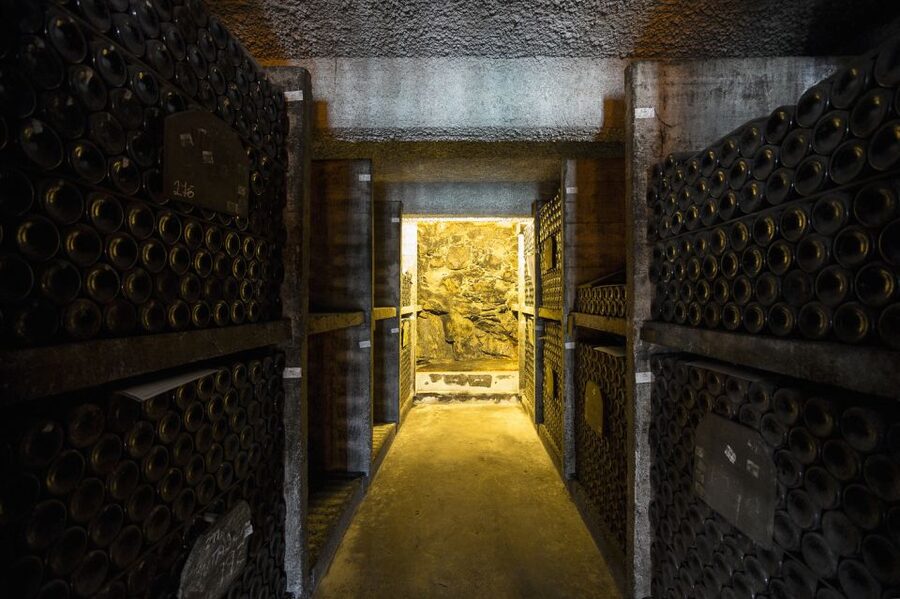
The timing makes this easy to add to a walking day. You can see the Luís I Bridge, visit the cellar, taste Port, and then continue along the Gaia riverfront. Since the activity returns to the meeting point, you do not need to organize transport at the end.
The one-hour duration is also honest in a useful way. The actual cellar explanation may last only half an hour, with the tasting making up the balance. Some people stay at the tasting area longer, but you should not plan on a lengthy winery tour.
I would avoid scheduling it immediately before a fixed reservation if you need to cross the city afterward. The stated duration is one hour, but a crowded tasting room or a delayed group may add a little uncertainty.
Book with free cancellation up to 24 hours before the activity if your plans are still changing. The reserve-now, pay-later option can also help you hold a useful time without paying at once.
Is $25 Good Value?
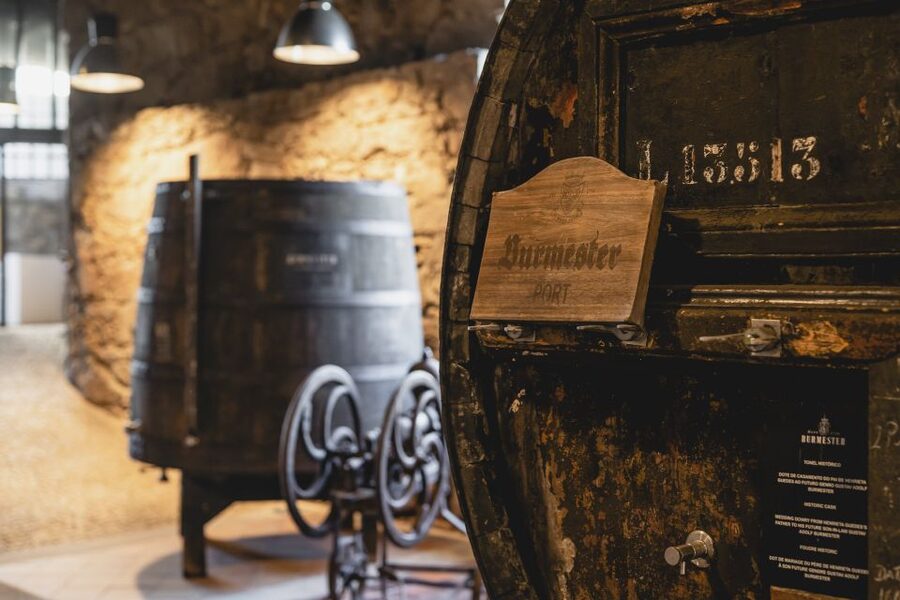
At $25 per person, this is good value if you want three things in one stop: a guided cellar visit, an introduction to Port production, and a tasting. The location beside the Luís I Bridge adds value because you can fit it naturally into your sightseeing route.
The standard option is the better bargain for a basic lesson. The premium choice makes more sense if you want three wines and chocolate. I would not choose premium expecting a completely different tour. The main visit remains the same, with the extra value coming at the tasting table.
Price matters less here than your expectations. If you expect a private cellar, generous food portions, or rare vintage pours, $25 will not buy that. If you want an approachable lesson and a few glasses in a historic Gaia setting, the price is reasonable.
Should You Book the Burmester Cellar Tour?
I would book this tour if you want a short, well-located introduction to Port and do not need a private setting. The combination of the Luís I Bridge, Burmester’s long story, a clear production talk, and two or three tastings makes good use of an hour.
Choose the premium option if chocolate and a third wine appeal to you. Choose standard if you mainly want to understand Port before ordering or buying it elsewhere.
Skip it if large groups and background noise would spoil the experience for you, or if you already know Port well and want a specialist tasting of older wines. For most first-time visitors, though, Burmester is an easy and useful way to make sense of Porto’s signature drink.
FAQ
Where does the Burmester Cellar Tour start?
The tour starts at Caves Burmester, Largo Dom Luís I, 4400-111 Vila Nova de Gaia, Portugal.
Where does the activity end?
The activity ends back at the Burmester meeting point.
How long does the tour last?
The stated duration is one hour. The cellar explanation usually takes about 25 to 30 minutes, followed by the tasting.
How many Port wines are included?
The standard option includes two Port tastings. The premium option includes three Port tastings.
Is chocolate included?
Chocolate tasting is included with the premium option.
What languages are available?
Live tours are offered in Portuguese, Spanish, Italian, French, English, and German. Tours are monolingual, so each tour is held in one language.
Can anyone under 18 drink Port on the tour?
No. Wine is not served to anyone under 18 years old.
Is free cancellation available?
Yes. You can cancel up to 24 hours in advance for a full refund.
Can I reserve now and pay later?
Yes. The activity offers a reserve-now, pay-later option, allowing you to hold a place without paying immediately.
Recently reviewed around Porto
- Bridges Cruise with World of Discoveries or Sunset Option★ 4.0 · 219 reviews
- Porto Card Walker (1, 2, 3 or 4 Days)★ 3.4 · 135 reviews
- Porto: 6 Bridges Yacht Cruise with Local Wine & Snacks★ 5.0 · 399 reviews
- Porto: 5D Flight over de City for all family.★ 4.0 · 281 reviews
- Porto:Aveiro, Cruise, Costa Nova & Capelha da Pedra Full Day★ 4.5 · 434 reviews
- Porto: 3-Hour Walking City Tour & Lello Bookstore Visit★ 4.7 · 99 reviews
- Porto Private E-Bike Tour: Douro River, Parks & Beaches★ 4.7 · 104 reviews
- Port Wine class with 3 or 5 Port tasting and pairings★ 4.9 · 441 reviews
Food & Drink, compared.

Douro Valley w/ Boat Tour, Wine Tasting & Lunch
Read our review →
Winner 2025 Undiscovered Lisbon Food & Wine Tour by Eating Europe
Read our review →
Cálem Cellar Tour, Interactive Museum & Wine Tasting
Read our review →

Douro Valley Small-Group Tour with Wine Tasting, Lunch and Boat
Read our review →

Browse the lists this tour appears in