
Reviewed · FOOD & DRINK
Pinhão: Quinta do Bomfim Visit and Tasting
Quinta do Bomfim gives you a tidy introduction to the Douro Valley’s wine culture, with mountain vineyards, hand-built stone terraces, and a working old cellar packed into one visit. The Symington family has run the estate for five generations, and that family connection shapes the tour without turning it into a dry genealogy lesson.
I like the choice of three vineyard walks and the chance to pick your own tasting style. I also like the terrace, where the final glasses come with wide views of the Douro River. The main drawback is that the wine discussion can feel uneven when several tasting options are booked at once, and a few people find the tour a bit long-winded.
In This Review
- Key points to know before you go
- Why Quinta do Bomfim makes a good Douro wine stop
- The museum starts with photographs, documents, and place
- Three vineyard walks, each with a different view
- The old lodge built in 1896
- Four tasting paths, with three glasses at the end
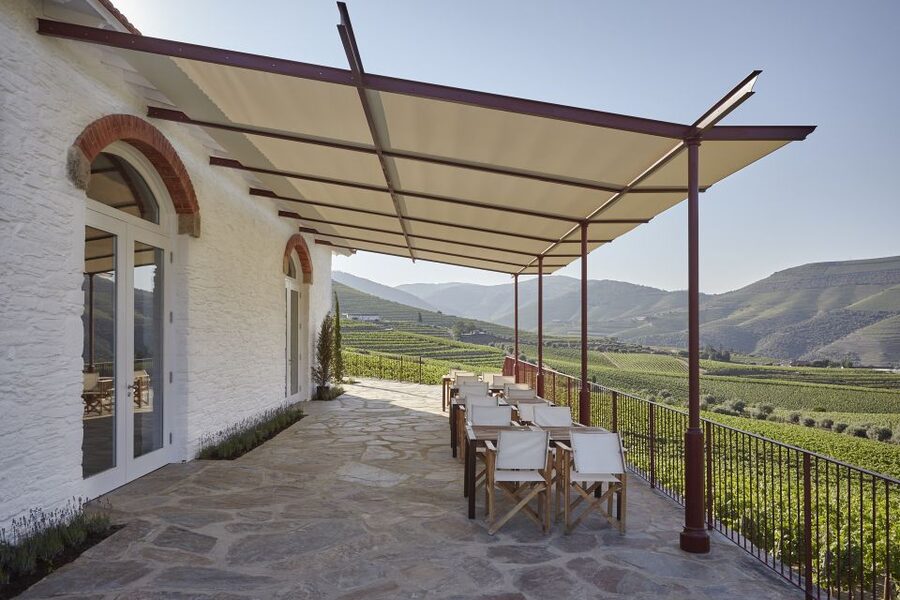
- The terrace is the payoff
- Guides, language, and group size
- Who will get the most from this visit?
- Should you book Quinta do Bomfim?
- FAQ
- Where does the Quinta do Bomfim visit begin?
- How long does the experience last?
- How much does the tour cost?
- What does the tasting include?
- Which languages are available?
- Is the visit suitable for wheelchair users?
- What should I bring?
Key points to know before you go
- The 1896 lodge is the star of the cellar visit: This huge vat and barrel building still links the estate’s old production methods with modern Port making.
- You choose your tasting: Pick Douro DOC wines, Port, premium vintage Port, or Dow’s Old Tawnies.
- The terrace is part of the experience: Your three tasting glasses come with views over the river and vineyard-covered hills.
- Small groups make questions easier: The group is limited to 10 people, with English and French tours available.
- The walk is more than a photo stop: Some routes pass dry stone terraces built by hand in the 18th and 19th centuries.
- Plan for uneven ground: Comfortable shoes are essential, and the experience is not suitable for wheelchair users or people with mobility impairments.
Why Quinta do Bomfim makes a good Douro wine stop
If you are staying in Pinhão, Quinta do Bomfim is unusually convenient. It puts the main parts of a Douro wine visit in one place: a small museum, vineyard paths, an old cellar, production information, and a tasting terrace.
That matters because the Douro is spread across steep hills and small estates. You can spend much of a day moving between viewpoints and wineries. Here, you get a focused visit in about 1.5 hours, leaving time for lunch, a river outing, or another quinta nearby.
The estate belongs to the Symington family, whose wine business has continued for five generations. You learn about that family story alongside the development of the Douro wine trade. The focus is not only on famous bottles. It also shows how the property, the river, the vineyards, and the cellar work together.
The experience costs $47 per person. That is not the cheapest way to drink Port in Portugal, but the fee covers a guided visit, the grounds, and three tasting glasses. For me, the value is strongest if you want context and scenery, not simply a pour at a bar.
More Food Tours in the Douro Valley
- Pinhão: Douro River Solar Boat Tour with Wine Tasting
★ 4.9 · 469 reviews - From Pinhão: Douro Valley Tour w/ Wine Tasting and Boat Trip
★ 4.6 · 316 reviews - Douro Experience – Boat and Train Ride – Lunch and Wine Tasting – All Included
★ 4.5 · 141 reviews
The museum starts with photographs, documents, and place
The visit begins in a compact on-site museum. This is a sensible first stop because it gives you a basic map of the property before you walk around it.
Early 20th-century photographs show the Douro before modern visitors arrived with cameras and day bags. Documents help explain the estate and the wider wine region. You get a better sense of how difficult vineyard work must have been on these sharply sloping hills.
I like this section because it gives the scenery a human scale. The stone terraces are not just pretty lines across the hills. They were built by hand, often in the 18th and 19th centuries, to make grape growing possible on steep ground.
The museum is small, so do not expect a full wine museum or a long exhibition. Its job is to set up the rest of the visit. A good guide can make this part lively by connecting one photograph or document to the buildings and vines you see later.
Guides have been a major part of the experience here. Past visits have featured guides such as Rodrigues, Mariana, Leonor, Andre, and Gabriel. Names and schedules can change, but the useful thing to look for is a guide who explains the process clearly and leaves room for questions.
Three vineyard walks, each with a different view
After the museum, you choose among three walks through the vineyards. The exact route depends on the option available, but each one gives you views of the Douro’s mountain vineyards.
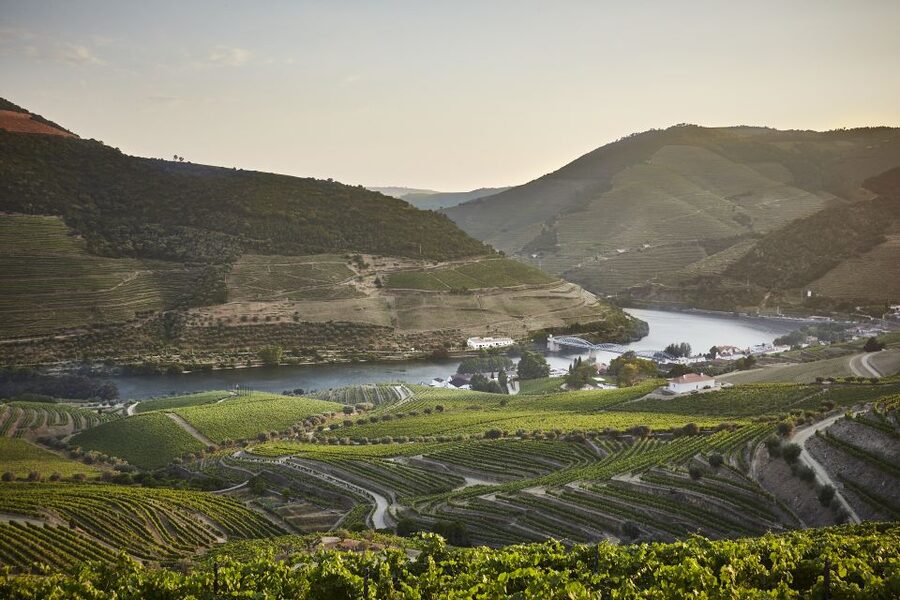
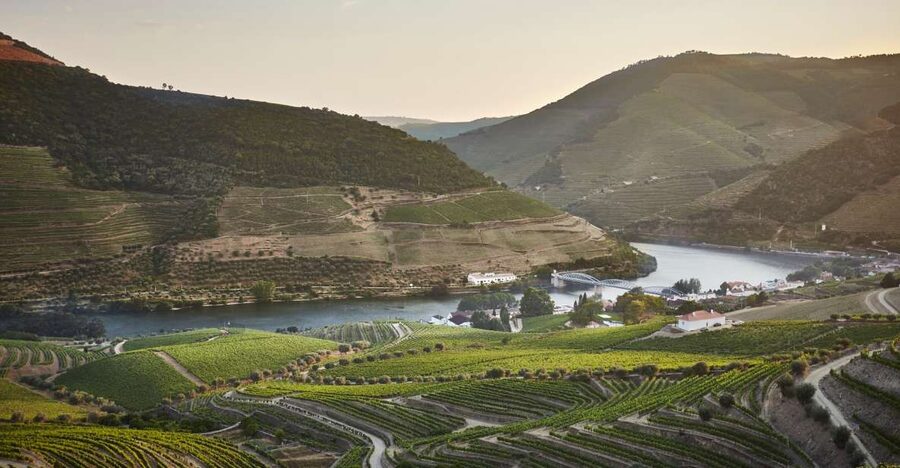
This is the portion to take slowly. The hills around Pinhão are not flat strolling country, and the point is not to cover great distance. You are there to see how vines occupy narrow terraces and slopes above the river.
Some routes pass dry stone walls built by hand more than a century ago. These walls are one of the clearest signs of the Douro’s old agricultural system. They also help you understand why Port has always been tied to hard physical work, careful planning, and a very particular terrain.
Wear shoes with a firm sole. The property is not suitable for wheelchair users or people with mobility impairments, and the outdoor portion may be uncomfortable if you need level, smooth paths. Bring comfortable clothes as well, since the visit moves between indoor and outdoor areas.
The walk is also where the tour earns much of its price. A tasting room alone could introduce you to Port, but it would not explain why these wines come from this place. From the paths, you can look back at the estate, the river, and the slopes that supply its grapes.
The old lodge built in 1896
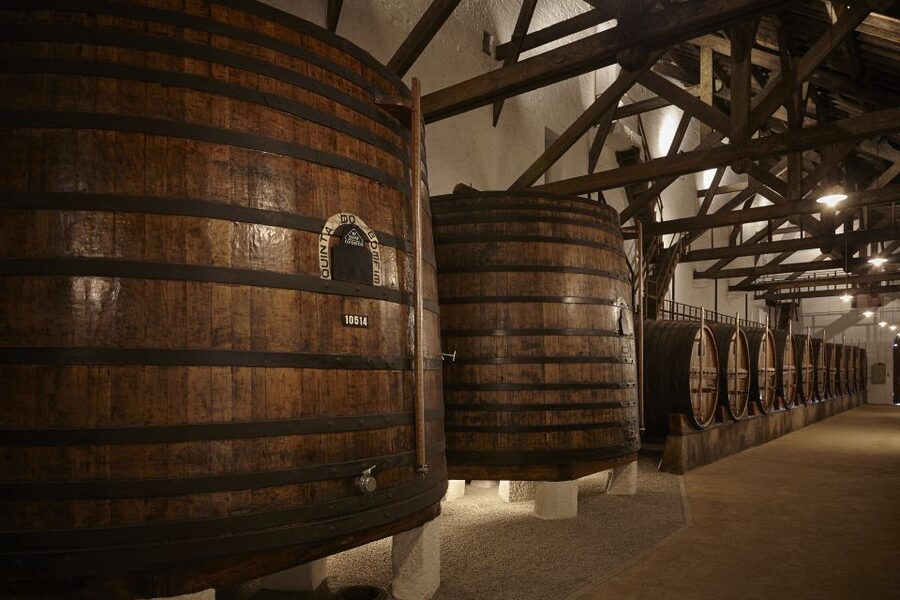
The route includes the old lodge, built in 1896. This is one of the most important buildings at Quinta do Bomfim and one of the most useful stops for understanding traditional Port production.
The structure is large, with vats and barrels held beneath a complex roof. It has stored Port from estate harvests for more than 100 years, before the wine was sent downriver to Vila Nova de Gaia for further maturing.
That movement downriver is an important part of the story. The Douro produced the grapes, while Vila Nova de Gaia, across from Porto, became the traditional place for aging and blending Port. Seeing the old lodge helps connect the vineyard to that wider system.
The building also gives you a practical look at scale. Port making is not just a small barrel and a romantic label. A working estate needs large storage areas, production equipment, transport, and careful timing.
During harvest, you may see grapes arriving at the winery and Port being made in the lagares, the traditional stone or metal troughs used for treading. At other times, a short film shows winery work and traditional treading at other Symington family vineyards.
Do not book outside harvest expecting to see active grape receiving. The film fills that gap, but it is not the same as watching the winery operate in real time. Still, it gives you a useful picture of the seasonal work that cannot be guaranteed year-round.
More Douro Valley food and drink outings:
- Pinhão: Quinta da Formigosa Vineyard Tour and Wine Tasting
★ 5.0 · 71 reviews - Douro Valley: (Pinhão) Quinta da Foz – Tour&Tasting 5 WINES
★ 4.8 · 70 reviews - Pinhão: Douro Valley with Wine Tasting, Boat Trip and Lunch
★ 4.8 · 55 reviews - Douro Valley: Premium Port Tasting Winery Tour & River Views
★ 4.5 · 41 reviews
Four tasting paths, with three glasses at the end
The tasting is where you can shape the visit to suit your taste. You choose one of four options:
- Douro DOC tasting: A look at the region’s table wines.
- Port tasting: A broader introduction to the fortified wines most visitors associate with the Douro.
- Premium vintage tasting: A more focused option for people interested in top vintage Port.
- Dow’s Old Tawnies tasting: A chance to explore aged tawny styles from Dow’s.
The activity includes three glasses of wine. The exact wines depend on the tasting you select, so pay attention when booking and ask the guide to explain what is being poured.
The estate has a notable claim to fame. Dow’s 2007 Vintage Port was awarded a perfect 100 points by Wine Spectator, making it the only vintage Port made in the 21st century to receive that score from the publication. Dow’s 2011 Vintage Port was named the publication’s number one wine in the world in 2014.
Those facts add interest, but they should not dictate your choice. A high-scoring vintage Port is not automatically the best match for your palate. If you are new to wine, the general Port tasting may offer a more useful introduction. If you already enjoy vintage Port, the premium option may be worth the extra focus.
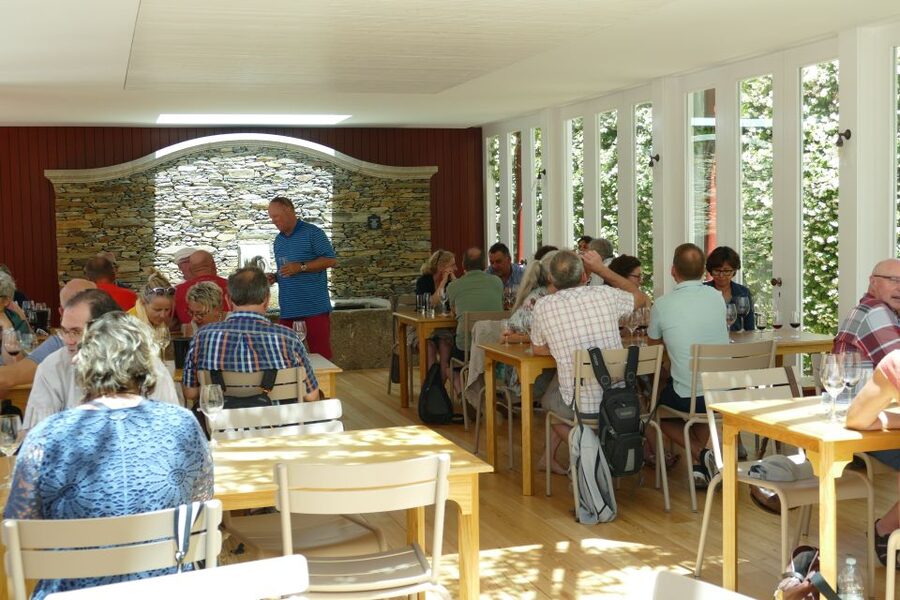
The tasting format can vary in smoothness. When several people choose different options, the guide may move from table to table to explain each set of wines. That can mean you wait longer for your own tasting notes, and the explanation may feel less unified than a single group presentation.
On the other hand, the mixed format lets you hear about wines you did not choose. I would treat that as a bonus if you are curious, but a minor annoyance if you want a carefully paced tasting. One practical tip is to listen closely when the guide reaches your table and ask your questions then.
The tasting does not include cheese or another food pairing. If you want a snack with your wine, plan for that separately. The pour is the focus, not a full meal.
The terrace is the payoff
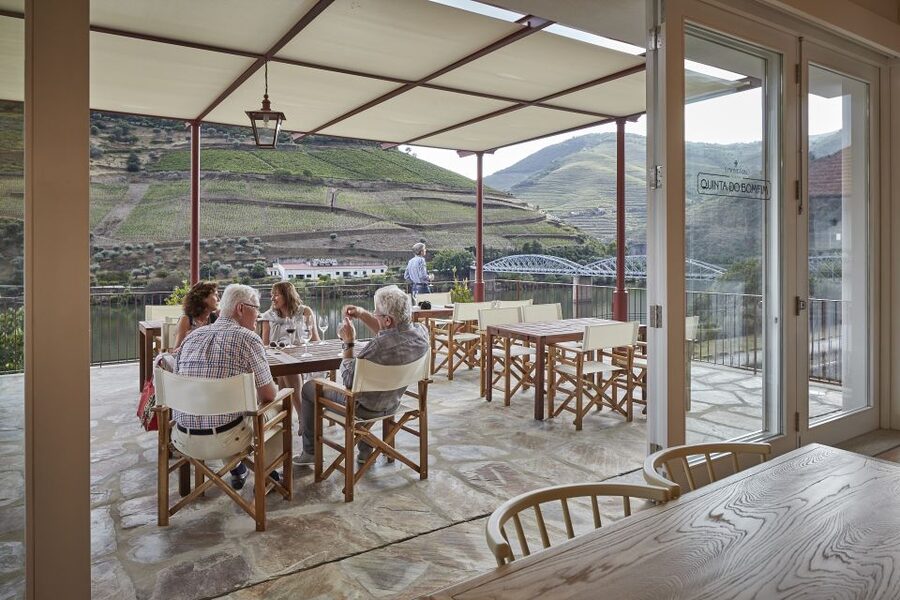
After the indoor stops and vineyard walk, you settle on the terrace with the Douro River and surrounding vineyards in view. This is the most relaxed part of the visit, and it gives the tasting a proper sense of place.
Port can feel heavy when tasted quickly indoors. On the terrace, you have time to look at the hills, compare the glasses, and connect the wine with the terrain you have just walked through.
The setting is especially useful for anyone who does not want a purely technical wine lesson. You can learn about vinification, barrels, vintages, and the difference between styles, then simply sit and enjoy the view.
The terrace is not a separate sightseeing platform with an extended schedule. It is part of the tasting, so your time there depends on the group and the guide. If you want a long, slow afternoon with multiple courses, book a restaurant as well. The visit is designed as a compact introduction, not an all-day food-and-wine event.
A nearby meal can fit well before or after the tour, but only the visit itself is covered here. Leave enough time if you have another reservation, since the outdoor walk and group tasting can vary slightly in pace.
Guides, language, and group size
Tours are offered in English and French, and the small group is limited to 10 participants. That is a useful size for a property visit. You are not lost in a crowd, and you have a fair chance to ask about the cellar, the vineyard routes, or the wines.
Several guides have made strong impressions by explaining the Port-making process in plain language. Leonor has been praised for giving a clear, detailed overview of the quinta. Andre has brought humor and enthusiasm to the visit, while Gabriel has been described as friendly and easy to talk with after the formal tour. Mariana and Rodrigues have also led visits noted for clear explanations and engaging delivery.
Of course, you cannot select a particular guide unless the provider confirms it. The important point is that the tour depends heavily on the person leading it. A good guide turns the museum and cellar into a connected story rather than a sequence of facts.
If you have special mobility needs, this is not the right choice. The experience is specifically listed as unsuitable for wheelchair users and people with mobility impairments. Comfortable shoes and clothes are not optional extras here. You will be outdoors and walking around a historic wine property.
Arrive at the Quinta do Bomfim Visitor Center 15 minutes before the start. The activity is valid for one day, but the actual visit lasts about 1.5 hours. Starting times vary, so check availability before building the rest of your Pinhão schedule around it.
Who will get the most from this visit?
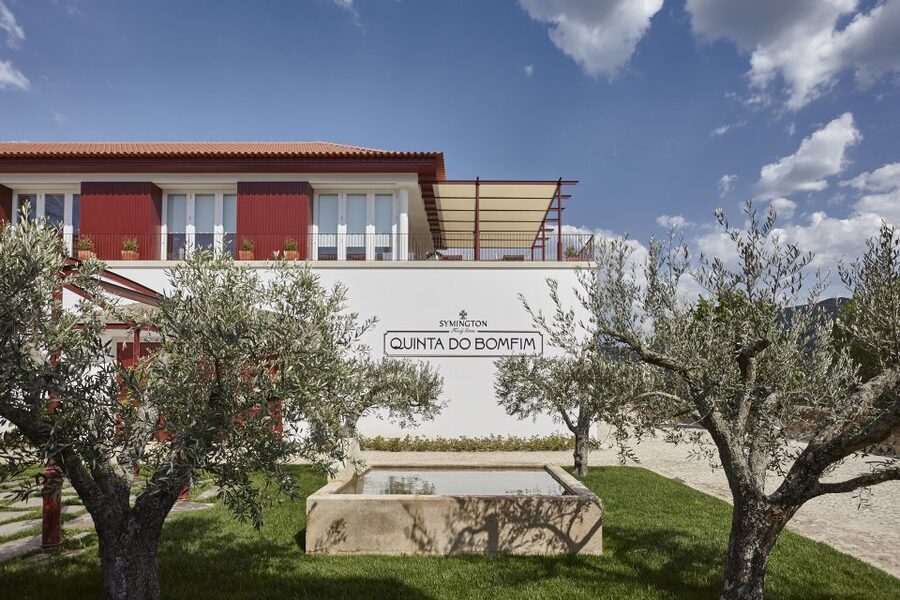
I would recommend Quinta do Bomfim to first-time Douro visitors who want a clear introduction without committing to a full day at a wine estate. It also works well for anyone staying in Pinhão who wants a strong view, a short walk, and a guided tasting in one stop.
Wine enthusiasts have a good reason to come too, especially if you select the premium vintage or Dow’s Old Tawnies tasting. The famous 2007 and 2011 Dow’s vintages give the estate extra interest, even if your own tasting does not include those exact bottles.
Families and mixed-age groups may appreciate the short duration, though the tasting itself is aimed at adults. People who want a totally private, slow-paced wine consultation may find the small-group format less personal than a private appointment.
I would be cautious if you dislike walking on uneven ground, want food included, or prefer every tasting guest to receive the same wines at the same moment. You may also find the tour more talk-heavy than expected, especially if your guide spends time explaining several different tasting selections.
Should you book Quinta do Bomfim?
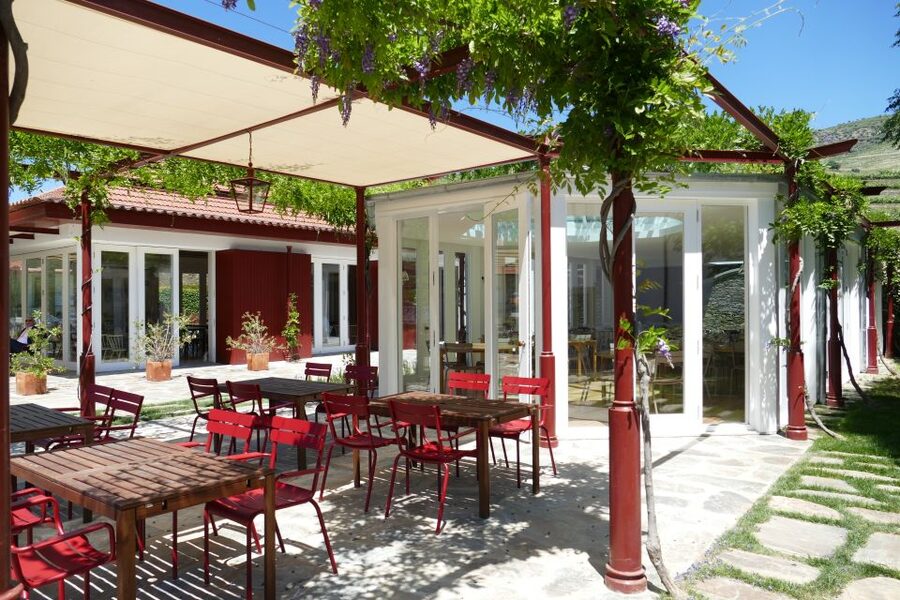
Book it if you want Douro views, a real cellar, vineyard context, and a choice of Port styles rather than a quick drink in a tasting room. The $47 price is fair when you use the whole visit: museum, walk, 1896 lodge, guided explanation, and three glasses on the terrace.
Skip it if you need step-free access, want a full meal with your wine, or have already visited several Douro estates and are looking only for a short tasting. For most first visits to Pinhão, though, Quinta do Bomfim is a practical and attractive choice. It gives you enough history to understand the place, enough walking to see the vines, and enough wine to decide what you like.
FAQ
Where does the Quinta do Bomfim visit begin?
Meet at the Quinta do Bomfim Visitor Center. You should arrive 15 minutes before the activity starts.
How long does the experience last?
The visit lasts about 1.5 hours. The booking is valid for one day, with starting times available according to the schedule.
How much does the tour cost?
The listed price is $47 per person.
What does the tasting include?
The activity includes a wine tasting of three glasses. You can choose among a Douro DOC tasting, Port tasting, premium vintage tasting, or Dow’s Old Tawnies tasting.
Which languages are available?
The live tour guide is available in English or French.
Is the visit suitable for wheelchair users?
No. The experience is not suitable for wheelchair users or people with mobility impairments.
What should I bring?
Bring a passport or ID card, comfortable shoes, and comfortable clothes.
Recently reviewed around Douro Valley
- Pinhão: Quinta da Formigosa Vineyard Tour and Wine Tasting★ 5.0 · 71 reviews
- Pinhão: Douro Valley Rabelo Boat Tour and Kayak Experience★ 4.5 · 50 reviews
- Pinhão: Douro River Boat Tour with Lunch★ 4.5 · 88 reviews
- Pinhão: Douro Valley with Wine Tasting, Boat Trip and Lunch★ 4.8 · 55 reviews
- Pinhão: 4 Hour Douro Valley Kayak Rental★ 4.6 · 63 reviews
- Alvarenga: Paiva Walkways and 516 Arouca Bridge Guided Tour★ 4.8 · 66 reviews
- Porto: Paiva Walkways and Suspension Bridge Hike with Lunch★ 4.9 · 202 reviews
- From Porto: Private Douro Valley Tour with Booking Service★ 4.7 · 65 reviews
Food & Drink, compared.

Douro Valley w/ Boat Tour, Wine Tasting & Lunch
Read our review →
Winner 2025 Undiscovered Lisbon Food & Wine Tour by Eating Europe
Read our review →
Cálem Cellar Tour, Interactive Museum & Wine Tasting
Read our review →
Douro Valley Small-Group Tour with Wine Tasting, Lunch and Boat
Read our review →

Browse the lists this tour appears in