
Reviewed · AZORES TOURS
Pico Mountain: Climb the Highest Point of Portugal 2351m
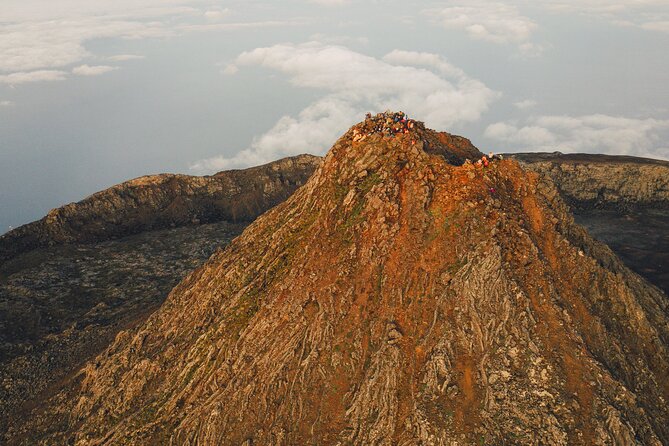
Pico Mountain is not a gentle hill walk. It is a steep volcanic climb to 2351 meters, with about 8 kilometers of rough rock and an average slope of 30 percent. The reward is a high, open summit with views across the Azores, and, near the top, the chance to feel warm volcanic vapor in cracks between the rocks.
I like two things right away. A guide makes the climb possible when independent permit slots are full, and the guides do more than point uphill. Raisa, Isabel, Nunu, and Haise are praised for setting a sensible pace, sharing stories about Pico, and helping people through the harder sections. You also receive walking poles, a locator, professional guiding, and photos and videos.
The catch is simple: this is a serious physical effort. You need strong fitness, good hiking boots, water, snacks, and excellent sun protection. The descent can be as tiring as the climb, and a mixed-ability group may mean frequent stops.
In This Review
- Key points to know before climbing Pico
- The climb begins at Casa da Montanha
- Volcanic rock, steep grades, and changing breathing
- The guide can make or break the day
- Reaching Piquinho, the final rocky push
- The descent requires fresh attention
- What the $90.74 price covers
- When to book and what to pack
- Who should book this Pico Mountain climb
- Should you book GOclimb Azores?
- FAQ
- How high is Pico Mountain?
- Where does the activity begin?
- How long does the climb take?
- How long is the trail?
- Do I need mountaineering experience?
- Are walking poles and insurance included?
- Can I cancel the booking?
Key points to know before climbing Pico
- The summit reaches 2351 meters, making Pico Mountain the highest point in Portugal.
- The route begins at Casa da Montanha at 1200 meters, not at sea level.
- The trail covers about 8 kilometers on volcanic rock, with steep changes in height and an average 30 percent slope.
- The full outing takes about seven hours, though a slower group can take longer.
- Guides such as Raisa, Isabel, Nunu, and Haise are praised for patience, pacing, safety, and local stories.
- The $90.74 price includes poles, insurance, fees, a locator, guiding, and photos and videos, but not food or drinks.
The climb begins at Casa da Montanha
Your meeting point is Casa da Montanha, at Caminho Florestal nº 9, Candelária, near Madalena. This starting point sits at about 1200 meters, so you are already high on the mountain before taking your first step.
The guide begins with a briefing for the group. You review the equipment, receive a locator, and collect walking poles. This is useful preparation because the trail is not a smooth dirt path. It is made entirely of volcanic rock, and the poles can help with balance on the climb and control on the way down.
The first part is also a practical test. You may notice your breathing change quickly, or find that your balance is less certain on the rough surface. Those signs matter. The guide uses the opening section to judge if the climb is suitable for you, and you should be honest about how you feel rather than trying to prove a point.
The group limit is stated as a maximum of 10 people. That is small enough for a guide to keep an eye on each person, though the pace can still be shaped by the slowest member of the group. If you want more control over timing or are over 60, ask about a private activity. Children under 12 are not included in the regular groups.
Other Azores days travellers weigh against this one:
- From Ponta Delgada: Whale and Dolphin Watching Trip
★ 4.7 · 4,109 reviews - Azores Whale Watching & Islet Boat Tour
★ 4.6 · 2,146 reviews - São Miguel West: Full-Day Van Tour with Lunch
★ 4.9 · 1,948 reviews
Volcanic rock, steep grades, and changing breathing
The physical character of Pico is the main story. You are not simply walking uphill on a marked forest trail. The route climbs over uneven volcanic rock, with an average slope of 30 percent and repeated changes in height.
I would think of the route in sections rather than as one long push. Guides divide the climb into manageable stretches, with water breaks, snack stops, photo pauses, and a longer rest. Raisa is especially praised for keeping people on schedule while still allowing enough time to breathe, drink, and recover.
The climb demands steady cardio work. One account describes it as intense from start to finish, and that is a fair warning. You do not need previous mountaineering experience, but you do need strong physical fitness and comfort with a long, steep hike.
Good boots are not optional in practical terms. The rock can be awkward, and the descent requires concentration when tired. Walking poles are included, which is a real benefit, especially for balance and for easing the load on your legs.
You should bring plenty of water and food because meals are not included. You also need sun protection. One long outing took place in strong sun, and even careful use of sunscreen was not enough to prevent sunburn. Early starts are valuable here. A group that began at 6:30 in the morning found the first hours cooler and less exposed than a later start would have been.
The guide can make or break the day
The strongest part of this experience is the human support. Pico’s summit is demanding enough that a good guide changes the feel of the entire day.
Raisa is praised for her upbeat manner, patience, pacing, and broad understanding of Pico and the Azores. She breaks the climb into clear sections and pays attention to food, water, rest, and time. That combination matters because motivation can dip well before the summit comes into sight.
Isabel is described as responsible and attentive to individual limits. Nunu is praised for getting the whole group up and down safely while adding stories about Pico’s people, food, culture, and the surrounding islands. Haise is noted for managing the pace carefully and bringing the group to the top together.
These details are more important than a guide simply naming plants or rocks. On this route, you need someone who can read the group, spot problems early, and encourage people without pushing them beyond their limits.
The group setting also has a tradeoff. A mixed group can include people with very different climbing speeds. That may mean waiting often, especially on the descent. If you are a fast, experienced hiker, you may find the pauses frustrating. If you are less sure of yourself, those pauses can provide welcome recovery time.
Reaching Piquinho, the final rocky push
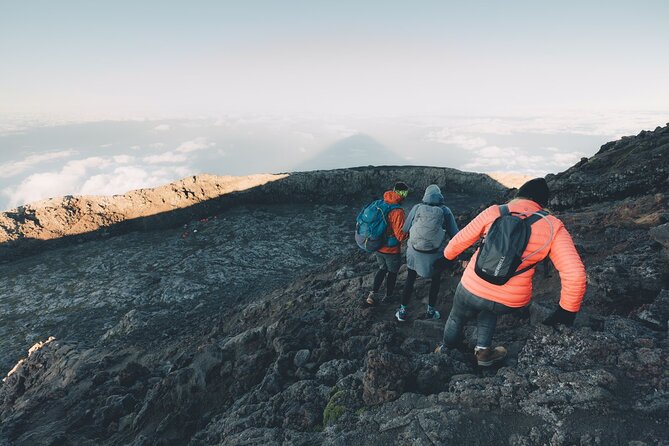
The last section to Piquinho is the most memorable part of the climb. The route becomes a more concentrated effort, and there is a small scrambling section near the summit. You need to use your hands in places and pay close attention to each step.
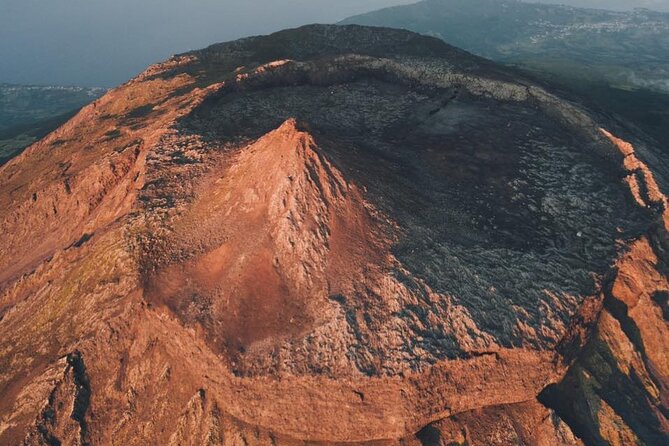
This is not a polished summit platform. The appeal comes from the raw volcanic setting and the feeling of reaching a high point by working your way over the rock. The final push can be hard, but it gives the summit a sense of achievement that a simple viewpoint would not.
At the top, the views depend on weather, but clear conditions can reveal Terceira and Graciosa in the distance. You may also see wide stretches of the Azores from above. Volcanic heat can be felt in some cracks near the summit, where warm vapor rises from the rock.
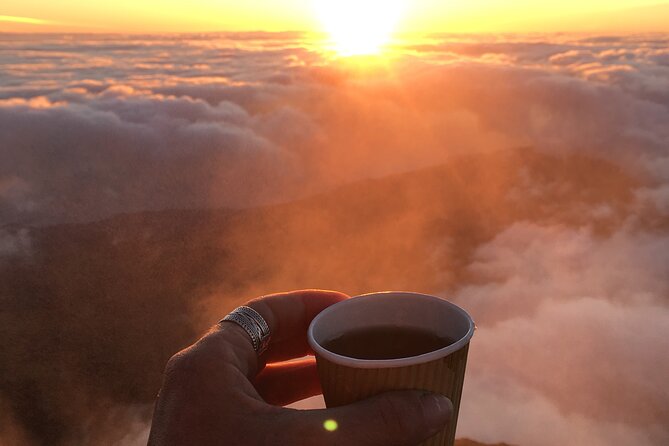
The summit stop is not just a photo opportunity. It is the point where the long climb makes sense. The guides provide photos and videos, so you can concentrate more on the experience instead of trying to document every moment yourself. A small celebratory toast has also been part of the summit routine with at least one guide, though you should not treat that as the main feature of the tour.
A different kind of day out, same corner of Portugal:
- São Miguel West Full Day Tour with Setes Cidades Including Lunch
★ 5.0 · 1,391 reviews - São Miguel East Van Tour with Lunch: Furnas & Nordeste
★ 5.0 · 1,210 reviews - São Miguel East: Full-Day Van Tour with Lunch
★ 4.9 · 1,124 reviews - Azores Whale Watching & Islet Boat Tour
★ 4.5 · 1,059 reviews
The descent requires fresh attention
Many people focus only on reaching the top. On Pico, the descent deserves equal respect.
Going down volcanic rock can be awkward because your legs are tired and the surface demands constant balance. The route is not hard only because of its height. It is hard because every step can require adjustment, especially after several hours of effort.
This is where the poles become especially useful. Use them for stability, not speed. Keep your attention on the next few steps, and do not assume the downhill section will be easy because it requires less cardio work.
A slower group may take around eight and a half hours rather than seven. One group was offered the option of moving ahead as a smaller unit during part of the descent, which helped faster hikers avoid a long wait. That kind of flexibility can be valuable, but it may depend on the guide, conditions, and group safety.
Plan enough time after the activity. You may finish back at Casa da Montanha later than the approximate seven-hour estimate if the pace is cautious or if the group needs extra rests.
What the $90.74 price covers
At $90.74 per person, this is not just a paid hiking permit. The fee includes all taxes and fees, personal insurance, a professional guide, walking poles, a locator, and quality photos and videos.
The value depends on how you compare it. If you are comfortable arranging the climb yourself and can secure an available slot, an independent ascent may cost less. But spaces at Casa da Montanha can fill well ahead of time, and a guided booking may be the practical way to climb when independent times are unavailable.
You are also paying for judgment on a route that has steep grades, rough footing, and changing weather. A guide can set the pace, explain when to stop, help with balance, and keep the group organized. For a solo visitor who feels uncertain about the difficulty, that support can be worth more than the simple price difference.
The package does not include meals. Bring water, snacks, and anything else you need for seven or more hours outside. Personal information must be completed in full, and the booking is confirmed only when space is available at Casa da Montanha.
When to book and what to pack
The activity is often booked about 28 days ahead, so do not leave it until the last minute if climbing Pico is a main goal of your Azores trip. Availability at the mountain house is part of the process, and popular time slots can disappear.
The exact start time may depend on conditions and group planning. One outing moved to a 6:30 a.m. start, which made sense for cooler temperatures and an easier first section. Confirm the meeting time carefully before the morning of the climb.
I would pack:
- Sturdy hiking boots with good grip
- Plenty of water
- Snacks or a packed meal
- Sunscreen and additional sun protection
- Clothing suitable for changing mountain weather
- A small bag that leaves your hands free for poles and scrambling
The guide supplies the walking poles and locator. You do not need mountaineering experience, but you do need to arrive ready for a long, steep effort on uneven ground.
Who should book this Pico Mountain climb
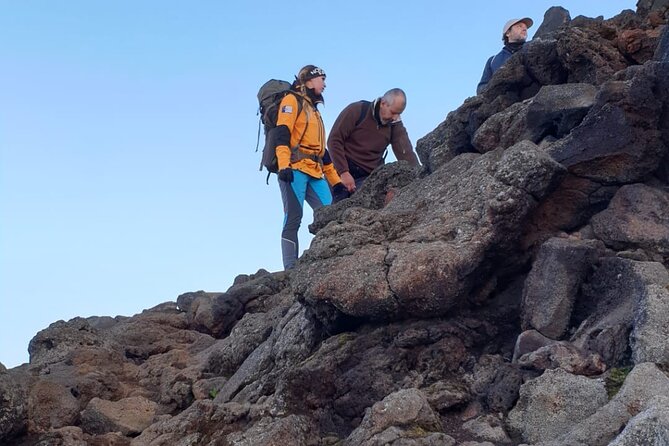
This experience suits you if you enjoy demanding outdoor days, have strong fitness, and want to reach Portugal’s highest point with a guide. It is especially useful if you are traveling alone, unsure about the route, or unable to find an independent permit slot.
It can also work well for families with older children who already hike seriously, though children under 12 are not accepted in the regular groups. People over 60 need to ask about a private activity rather than joining the standard group.
I would not choose this as a casual holiday walk. The climb is steep for hours, and the way down can test your concentration even more than the ascent. If you dislike rough volcanic footing, have limited fitness, or want a relaxed scenic outing, choose a gentler Azorean experience instead.
The 4.9 rating from 187 ratings and 98 percent recommendation figure suggest a strong level of satisfaction, but the practical warnings are just as important as the praise. The summit is rewarding because the route is hard. Go prepared, and you are more likely to enjoy that challenge.
Should you book GOclimb Azores?
Book it if reaching Pico’s summit is high on your Azores plans and you want experienced help on the mountain. The combination of a small stated group size, walking poles, a locator, insurance, photos, and careful pacing gives the $90.74 fee solid value.
Choose this guided climb over going alone if permits are full, you are traveling solo, or you want support from guides such as Raisa, Isabel, Nunu, or Haise. Just arrive fit, bring food and water, protect yourself from the sun, and accept that the seven-hour estimate may stretch.
This is a proud, demanding day rather than an easy excursion. For prepared hikers, it offers one of the Azores’ most memorable achievements. For everyone else, the mountain will make its limits clear early.
FAQ
How high is Pico Mountain?
Pico Mountain reaches 2351 meters, making it the highest point in Portugal.
Where does the activity begin?
The activity begins at Casa da Montanha, Caminho Florestal nº 9, Candelária, 9950-000 Madalena, Portugal. The meeting point is about 1200 meters above sea level.
How long does the climb take?
The stated duration is approximately seven hours, including the ascent and return. A slower group may take longer.
How long is the trail?
The trail is approximately 8 kilometers long and runs entirely over volcanic rock, with an average slope of 30 percent.
Do I need mountaineering experience?
No mountaineering experience is required, but you must have a strong level of physical fitness. The route is steep, uneven, and demanding.
Are walking poles and insurance included?
Yes. The price includes walking poles, personal insurance, all fees and taxes, a locator, professional guiding, and photos and videos.
Can I cancel the booking?
You can cancel at least 24 hours before the start time for a full refund. Cancellations or changes made less than 24 hours before the activity are not accepted for a refund. Poor weather or failure to meet the minimum group size may lead to a different date, another activity, or a full refund.
Recently reviewed around Azores
- Canyoning Experience in Ribeira dos Caldeirões Sao Miguel -Azores★ 5.0 · 428 reviews
- Canyoning in Salto do Cabrito (Sao Miguel – Azores)★ 5.0 · 67 reviews
- Azores Canyoning Adventure in São Miguel – Half-day★ 4.5 · 122 reviews
- Wine, Cheese & Charcuterie Tasting, including complimentary tour★ 5.0 · 110 reviews
- Wine & Food Evening Walking Tour in Ponta Delgada, incl. dinner★ 5.0 · 177 reviews
- Terceira Island Highlights Tour – Azores★ 4.5 · 204 reviews
- Canyoning Adventure in Ribeira da Salga (Sao Miguel – Azores)★ 5.0 · 48 reviews
- Azores: Shore Excursion Furnas – Crater volcano and hot springs★ 4.5 · 47 reviews
Azores Tours, compared.

São Miguel West: Full-Day Van Tour with Lunch
Read our review →
São Miguel West Full Day Tour with Setes Cidades Including Lunch
Read our review →
São Miguel East Van Tour with Lunch: Furnas & Nordeste
Read our review →
São Miguel East: Full-Day Van Tour with Lunch
Read our review →
São Miguel Azores: Half-Day Whale Watching Trip
Read our review →Browse the lists this tour appears in