
Reviewed · AZORES TOURS
Pico Mountain Climb: Portugal’s Highest Point – 2351 meters
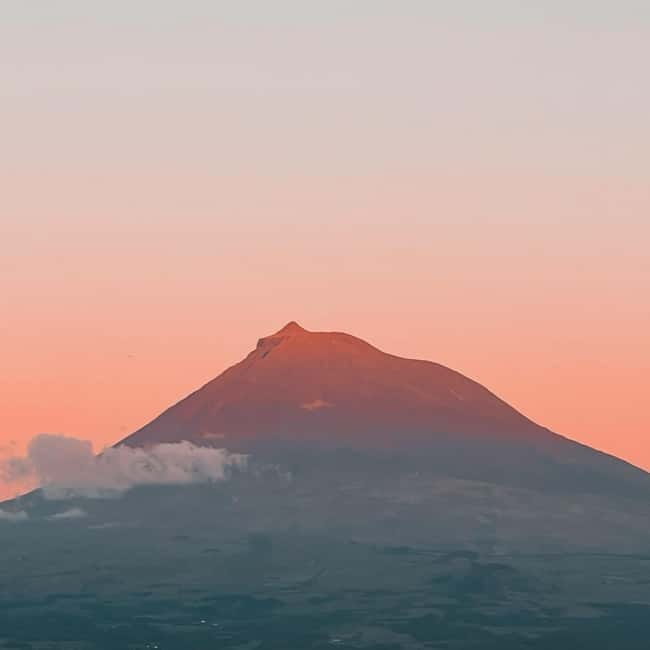
Pico Mountain gives you a clear goal: Piquinho at 2351 meters, Portugal’s highest point. The route is only 8 kilometers, but an average 30 percent slope and loose volcanic rock make this a serious mountain day, not a casual island walk.
I like the experienced guide support, especially the encouragement and practical help associated with guides such as Raisa and Isabel. I also like the small comforts: walking poles, coffee during the climb, and photos and video that record the summit moment. The main drawback is simple: the descent can be harder than the climb, and the full seven hours will test anyone with low fitness.
- 2351-meter summit: Reach Piquinho, Portugal’s highest point, above Pico’s volcanic crater.
- Volcanic route: Walk 8 kilometers across uneven rock with an average slope of 30 percent.
- Guided safety: Begin with a briefing and equipment check at Casa da Montanha.
- Coffee and memories: Enjoy coffee along the route while your guide takes photos and video.
- Changing difficulty: The path starts gently, then becomes tougher near the crater and lava cone.
- Weather matters: Warm layers, sturdy hiking shoes, water, and snacks are essential.
In This Review
- What Climbing Pico Mountain Really Involves
- Starting at Casa da Montanha
- The First Viewpoint and the Easier Lower Trail
- The Secret Stop and the Long Middle Push
- The Crater, Coffee, and Lava Cone
- Reaching Piquinho at 2351 Meters
- Why the Descent Deserves Respect
- What the $90 Price Delivers
- Guides, Languages, and Group Comfort
- Who Should Book This Pico Climb?
- What to Pack for a Seven-Hour Volcanic Ascent
- Should You Book the Pico Mountain Climb?
- FAQ
- Where does the Pico Mountain climb start and finish?
- How long does the climb take?
- How high is the summit?
- What equipment is provided?
- What should I bring?
- Who should not take this activity?
What Climbing Pico Mountain Really Involves
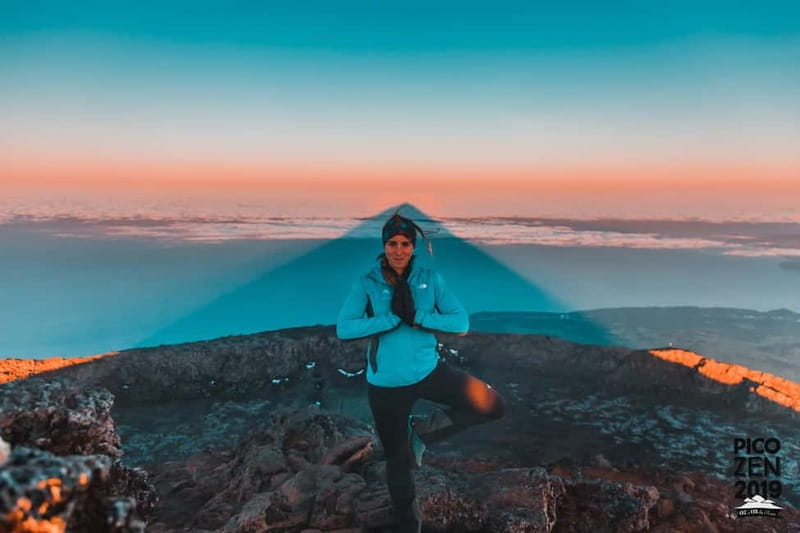
This is a full mountain ascent with a rewarding island view at the end. You start at Casa da Montanha in Madalena, where staff check you in and your guide gives a 10-minute safety briefing. The guide also checks your equipment before you set off.
The mountain is volcanic from the first step, but the difficulty changes as you gain height. The lower section lets you settle into the rhythm. Later, the route becomes rougher, steeper, and more demanding, with loose stones and uneven footing requiring steady attention.
Your walking sticks are provided for comfort and safety. They are useful on the uphill sections, but especially valuable when you come back down with tired legs. The guide stays with the group, shows you where to place your feet, and helps keep the pace manageable.
The climb includes planned stops, but you should not expect a relaxed picnic walk. The stated duration is seven hours, including the ascent, summit time, breaks, and descent. Some groups may take longer when hiking ability varies, so plan your day around this activity rather than squeezing it between other commitments.
Starting at Casa da Montanha
Casa da Montanha is both the meeting point and the return point. You check in there, meet your guide, receive the safety talk, and prepare for the trail.
The opening briefing lasts about 10 minutes. Use it well. This is the time to ask about the route, check your clothing, tighten your footwear, and make sure your water and snacks are easy to reach. Once the climb begins, you will want your hands free and your pack organized.
The activity includes personal accident insurance, applicable fees and taxes, an experienced professional guide, walking sticks, and photos and video. You supply your own hiking shoes, backpack, jacket, warm clothing, food, and drinks.
There is one important footwear detail: open-toed shoes, high heels, and sports shoes are not allowed. Bring proper hiking shoes with good support. This is not a place for casual trainers, sandals, or shoes with a smooth sole.
Other Azores days travellers weigh against this one:
- From Ponta Delgada: Whale and Dolphin Watching Trip
★ 4.7 · 4,109 reviews - Azores Whale Watching & Islet Boat Tour
★ 4.6 · 2,146 reviews - São Miguel West: Full-Day Van Tour with Lunch
★ 4.9 · 1,948 reviews
The First Viewpoint and the Easier Lower Trail
The first scheduled stop is a viewpoint after the opening section. You get about five minutes for a break, photographs, and a look at the surroundings. It is a short pause, but it helps you settle your breathing before the trail becomes more demanding.
The lower part of the route is the most forgiving. The trail still runs over volcanic rock, yet the difficulty builds gradually. This is your chance to find a steady pace instead of trying to race ahead.
I recommend short steps from the start. A slow, even rhythm saves energy for the upper mountain. Use the poles lightly and keep your eyes on the next few meters of ground. The stones can be loose, and the route is not the kind of trail where you can watch the view every second.
The first major section through the Mount Pico Natural Reserve lasts about an hour and a half. Your guide provides direction and keeps the group together while you gain height. The reserve gives the climb its natural setting, but the main attraction here is the physical challenge and the changing volcanic terrain.
The Secret Stop and the Long Middle Push
A 10-minute stop follows the first extended hiking section. It is described as a secret stop, with time for rest and photographs. Do not count on it as a long meal break, so keep snacks and water ready before you leave Casa da Montanha.
The next guided hiking section lasts around two hours. This is where the climb begins to feel like a real test of stamina. The slope remains demanding, and the rough volcanic surface makes each step less automatic than it would be on a smooth path.
This is also the point where your guide’s role matters most. A guide such as Raisa or Isabel can offer encouragement, explain the mountain, and help the group handle different levels of ability. The support is not just about finding the way. It can keep you moving when the summit still feels far off.
The group format has one practical limitation. If fitness levels differ widely, the pace may feel slow for stronger hikers or hard for less experienced ones. One five-star assessment specifically suggested a private tour for groups with a wide gap in hiking ability. That is useful advice if you want more control over your timing and pace, though the provided information does not state a private-tour price.
The Crater, Coffee, and Lava Cone
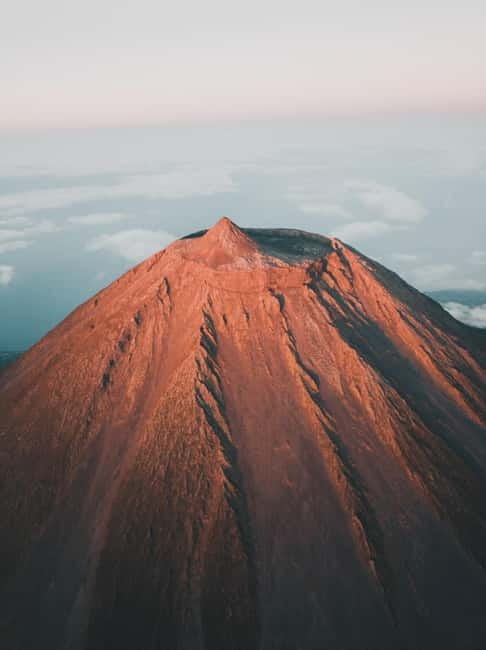
A longer 20-minute stop includes photographs, a picnic break, and sightseeing in the Mount Pico Natural Reserve. This is a good point to eat and drink properly. You will need the energy later, and relying only on the supplied coffee would be a mistake.
Near the top, you rest in the volcano crater before making the final push. The crater is not just a scenic pause. It marks the transition from a long mountain climb to the steep, exciting finish.
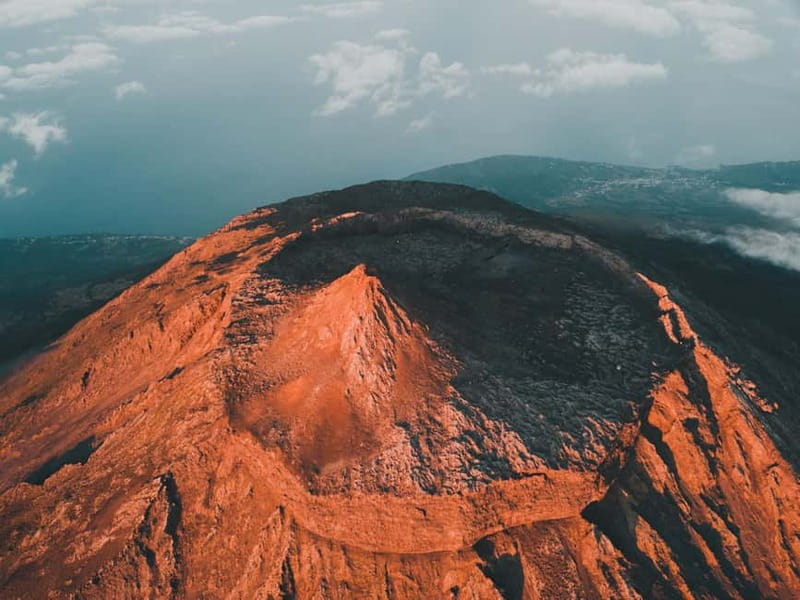
The summit is the lava cone called Piquinho. Permanent fumaroles remind you that you are standing on a volcano. These volcanic features give the final section a strong sense of place, and they make the summit more than a numbered elevation.
The coffee is a memorable touch. It offers a warm pause in a cold, exposed setting and gives the group a small shared ritual before the final ascent. One guide was especially praised for the coffee at the summit, but the exact coffee service can depend on the day and guide.
The final approach demands focus. Expect loose rock, an uneven surface, and a steeper feel as you work toward the top. Your guide is there to show you the safest way and help the group move carefully rather than quickly.
A different kind of day out, same corner of Portugal:
- São Miguel West Full Day Tour with Setes Cidades Including Lunch
★ 5.0 · 1,391 reviews - São Miguel East Van Tour with Lunch: Furnas & Nordeste
★ 5.0 · 1,210 reviews - São Miguel East: Full-Day Van Tour with Lunch
★ 4.9 · 1,124 reviews - Azores Whale Watching & Islet Boat Tour
★ 4.5 · 1,059 reviews
Reaching Piquinho at 2351 Meters
At the summit, you have time to breathe, rest, take photographs, and absorb the achievement. The sense of accomplishment comes from the effort required to reach this point, not just from standing at the highest elevation in Portugal.
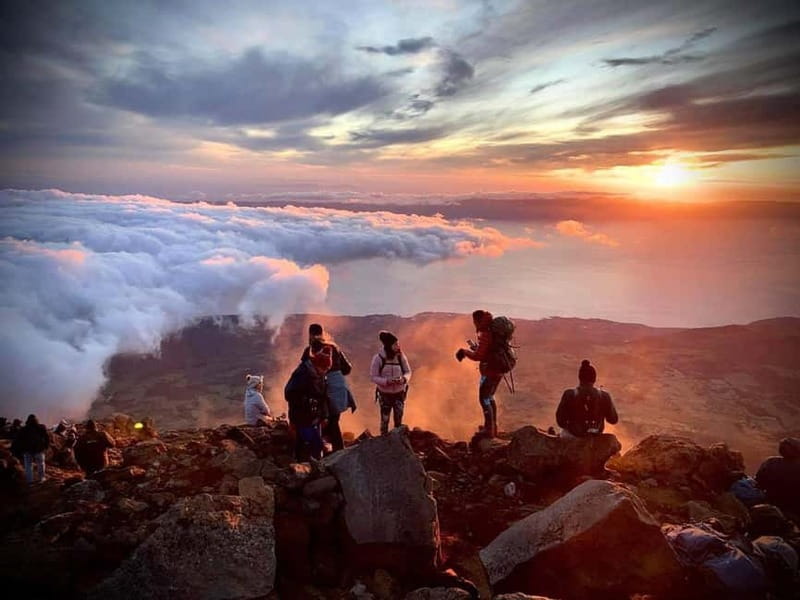
On a clear day, the views can stretch across Pico’s natural surroundings and toward other Azorean islands. One especially clear outing offered views of four islands. That is a useful reminder that weather controls the reward. A cloudy or rough day can still produce a memorable climb, but you may not get the wide panorama shown in ideal photographs.
Your guide takes photos and video during the experience. This is valuable because you may not want to handle a phone while scrambling over volcanic rock, and you may want a record of the summit rather than a quick self-timer image.
Do not treat the summit as a place to linger indefinitely. The mountain still requires a full descent, and tired legs change the nature of the day. Enjoy the view, take your photographs, and listen to the guide’s instructions for the return.
Why the Descent Deserves Respect
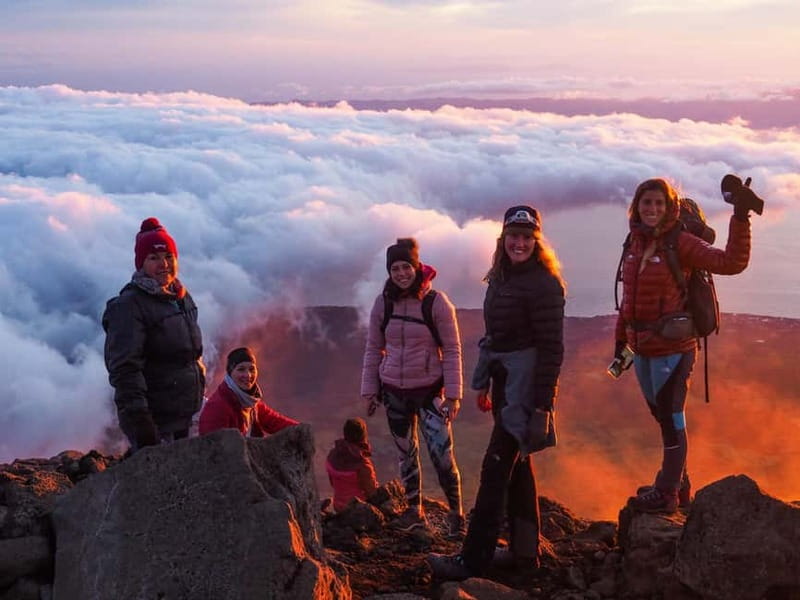
The return route has fewer stops, keeping the leg muscles active. That plan makes sense, but it does not make the descent easy. Several people found coming down harder than going up, and that is common on steep, uneven ground.
On the way up, your muscles work against gravity. On the way down, your knees and ankles absorb more impact, while loose stones can shift underfoot. Use the walking sticks, shorten your steps, and resist the urge to hurry simply because the summit is behind you.
The final guided section takes about an hour and a half before the last viewpoint stop. You get another 10-minute break for rest and photographs, then continue toward Casa da Montanha. The activity ends where it began, with a full sense of having completed a demanding route rather than simply visiting a lookout.
If you have back problems, mobility limitations, low fitness, or a pregnancy, this is not a suitable choice. It is also not intended for children under 12 or people over 70. The climb requires balance, endurance, and the ability to manage rough ground for several hours.
What the $90 Price Delivers
At $90 per person, this is a reasonable price for a guided ascent of Portugal’s highest point. You are paying for a professional guide, safety support, insurance, walking sticks, photos and video, and the organization needed to manage a seven-hour mountain activity.
The price does not cover meals, drinks, or personal hiking equipment. Bring your own water, snacks, backpack, warm layers, weather-appropriate clothing, and hiking shoes. That extra preparation is not optional. A low price loses its value quickly if you arrive without clothing suited to mountain weather or enough food for the day.
The photos and video add real value. On a climb this physical, you may not have the energy or free hands to document the key moments yourself. The guide’s role also has practical worth when weather turns harsh, footing becomes uncertain, or someone in the group needs extra encouragement.
Free cancellation up to 24 hours before the activity gives you some flexibility, and you can reserve now and pay later. Check the available start times before booking, since the activity occupies most of the day.
Guides, Languages, and Group Comfort
Guides speak Portuguese, English, Italian, Spanish, and French. The named guides associated with particularly strong experiences include Raisa and Isabel. Their contribution goes beyond leading the route. They explain the mountain and island life, manage group needs, offer encouragement, and handle the small details that can make a hard day feel possible.
One particularly useful strength is guide flexibility. A guide may need to help different fitness levels, keep the group moving, and still make time for photographs and breaks. That is not easy on a steep volcanic route.
Still, group pace matters. If everyone in your party has a similar fitness level, the shared format should feel natural. If one person is much faster or slower, the seven-hour estimate may feel less predictable. Consider a private option if available and if personal pacing is important to you.
Who Should Book This Pico Climb?
Book this experience if you want a physical achievement, not simply a scenic walk. You should be comfortable hiking for several hours and handling steep, uneven volcanic ground. The reward is strongest for people who like a clear goal and do not mind earning the view.
It suits fit adults and teenagers aged 12 or older who can manage the demands of the route. It also suits anyone who wants a guide rather than attempting the mountain alone, especially when weather or footing makes route-finding more complicated.
Skip it if you want a gentle day outdoors, dislike steep descents, or have a low level of fitness. It is not suitable for wheelchair users, people with mobility impairments, pregnant women, people with back problems, or people over 70.
What to Pack for a Seven-Hour Volcanic Ascent
Keep your gear simple and useful:
- Warm clothing and weather-appropriate layers
- Proper hiking shoes
- Water
- Snacks
- A backpack
- A jacket suitable for changing mountain conditions
Do not bring high heels, open-toed shoes, or ordinary sports shoes. The walking sticks are provided, so you do not need to pack your own poles unless you have a personal preference.
Plan food carefully. The route includes a picnic stop, but meals and drinks are not included. Carry enough water and snacks for a long day, since the climb, summit time, and descent all count toward the seven-hour duration.
Should You Book the Pico Mountain Climb?
You should book this climb if reaching Portugal’s highest point matters more to you than comfort. The route is tough, the descent can punish tired legs, and the weather may limit the views. Yet the combination of a volcanic crater, fumaroles, a 2351-meter summit, guide support, coffee, and recorded photos makes the day unusually memorable.
At $90, the experience offers solid value for a serious guided mountain day. Go with proper shoes, warm layers, food, water, and realistic expectations. If you are fit and ready for an intense challenge, this is one of the Azores activities worth building your schedule around.
FAQ
Where does the Pico Mountain climb start and finish?
You check in with staff and meet your guide at Casa da Montanha in Madalena. The activity ends back at the same meeting point.
How long does the climb take?
The activity lasts about seven hours. Check availability for the starting times.
How high is the summit?
The climb reaches Piquinho at 2351 meters, Portugal’s highest point.
What equipment is provided?
Walking sticks are provided for comfort and safety. Personal equipment such as hiking shoes, a backpack, warm clothing, and a jacket is not included.
What should I bring?
Bring warm clothing, hiking shoes, snacks, water, and clothing suited to the weather. High heels, open-toed shoes, and sports shoes are not allowed.
Who should not take this activity?
The climb is not suitable for children under 12, pregnant women, people with back problems, mobility impairments, wheelchair users, people with low fitness, or people over 70.
Recently reviewed around Azores
- São Miguel: Whales & Volcano Full-Day Tour with Lunch★ 4.5 · 95 reviews
- Ponta Delgada: Sete Cidades Volcano Lakes Shore Excursion★ 4.7 · 198 reviews
- Ponta Delgada: Pineapple wine tasting and pineapple tour★ 4.8 · 127 reviews
- Ponta Delgada: Historical Walking Tour★ 4.4 · 41 reviews
- Ponta Delgada: Greenhouse Hot Tube with Pineapple Tour★ 4.4 · 76 reviews
- Pico Island: Whale Watching Experience from Lajes★ 4.9 · 492 reviews
- Pico island: Climb Mount Pico, highest mountain in Portugal★ 5.0 · 65 reviews
- Ponta Delgada: São Miguel Buggy Tour Around Sete Cidades★ 5.0 · 210 reviews
Azores Tours, compared.

São Miguel West: Full-Day Van Tour with Lunch
Read our review →
São Miguel West Full Day Tour with Setes Cidades Including Lunch
Read our review →
São Miguel East Van Tour with Lunch: Furnas & Nordeste
Read our review →
São Miguel East: Full-Day Van Tour with Lunch
Read our review →
São Miguel Azores: Half-Day Whale Watching Trip
Read our review →Browse the lists this tour appears in