
Reviewed · AZORES TOURS
Pico island: Climb Mount Pico, highest mountain in Portugal
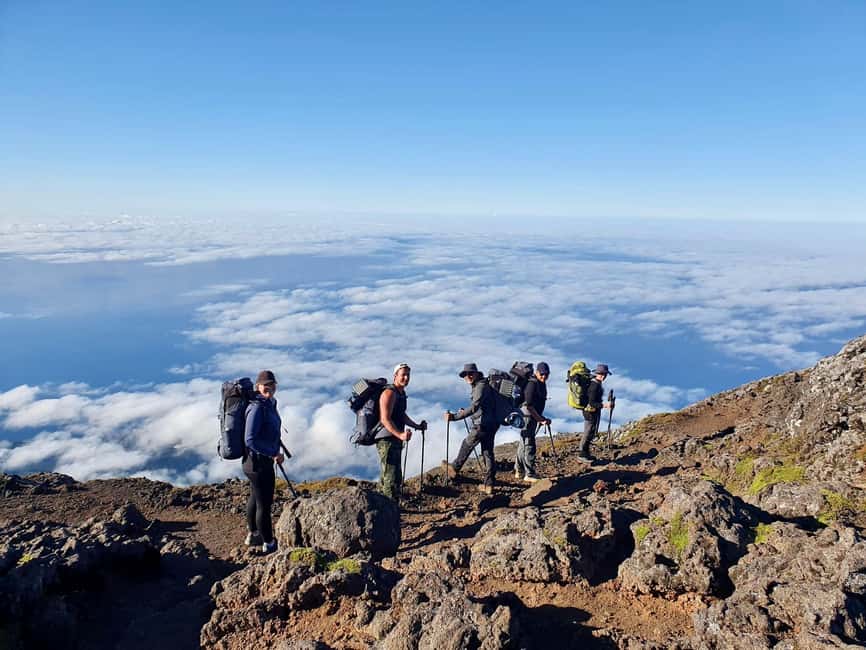
Mount Pico is not a gentle hill with a viewpoint at the top. It is a serious volcanic climb to Portugal’s highest point, with 1,100 meters of ascent, loose rock, steep slopes, and a final scramble that calls for both hands. The reward is a 360-degree view over Pico and, on a clear day, the central Azorean islands.
I like the mix of physical challenge and useful guiding. Your certified mountain guide explains Pico’s plants and geology while setting the pace, and guides such as Petro, Steffi, and Steffie have been praised for being attentive, cheerful, and quick to help. I also like that hiking poles, park access, accident insurance, and a completion certificate are included in the $91 price.
The catch is the descent. It follows the same rough route and takes three to four hours, making it harder than many first-time climbers expect. You need good fitness, proper hiking boots, and enough stamina to stay steady after reaching the summit.
In This Review
- Key points to know before climbing Mount Pico
- Why Mount Pico is worth the effort
- Starting at Mountain House at 1,250 meters
- The first three hours through plants, mud, and rock
- Reaching the crater and Piquinho
- Why the descent deserves respect
- What the $91 price includes
- Weather can decide the day
- The right boots are not optional
- How the guides shape the experience
- Who should book this climb
- My booking verdict for Mount Pico
- FAQ
- How long does the Mount Pico climb take?
- How high is Mount Pico?
- Where does the activity start and finish?
- What footwear is required?
- What languages are available with the guide?
- Can the climb be cancelled because of weather?
Key points to know before climbing Mount Pico
- The summit reaches 2,351 meters: You climb to Portugal’s highest point, with possible views across the central Azores.
- The final 15 minutes are hands-on: The route to Piquinho requires using your hands for balance and stability.
- The descent is the toughest section: Loose rock and sand can make the three to four-hour return slow and tiring.
- The route covers 8 kilometers: Expect 1,100 meters of ascent and the same amount of descent.
- A certified guide leads the climb: Guides explain local plants and volcanic geology while watching the group’s pace and safety.
- Proper footwear is compulsory: Hiking shoes or boots with a good-grip sole are required for entry to the mountain reserve.
Why Mount Pico is worth the effort
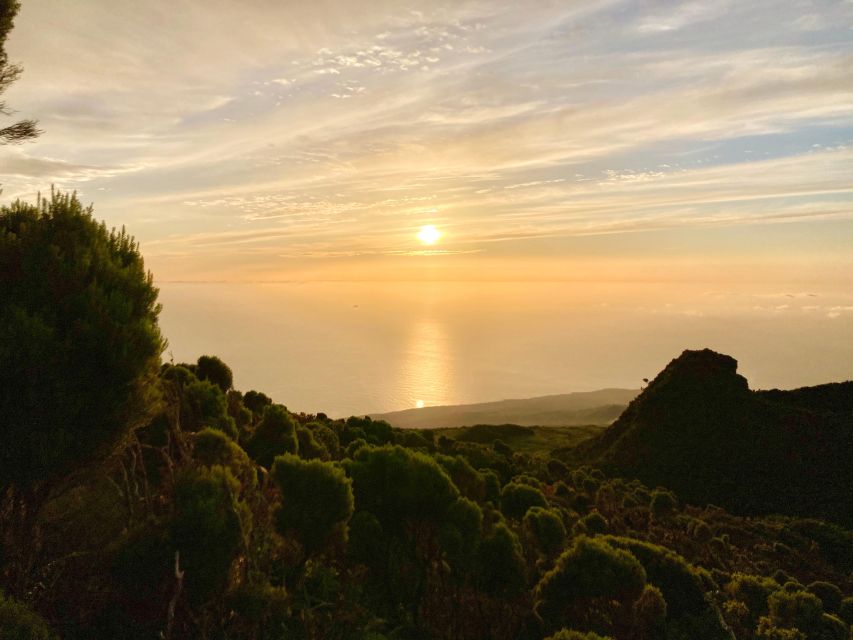
Pico is a mountain day with a clear goal: reach the summit cone, look out over the Atlantic, and return under your own power. At 2,351 meters, the top gives you a powerful sense of scale. You are not simply walking to a lookout. You are climbing through changing volcanic ground to the highest place in Portugal.
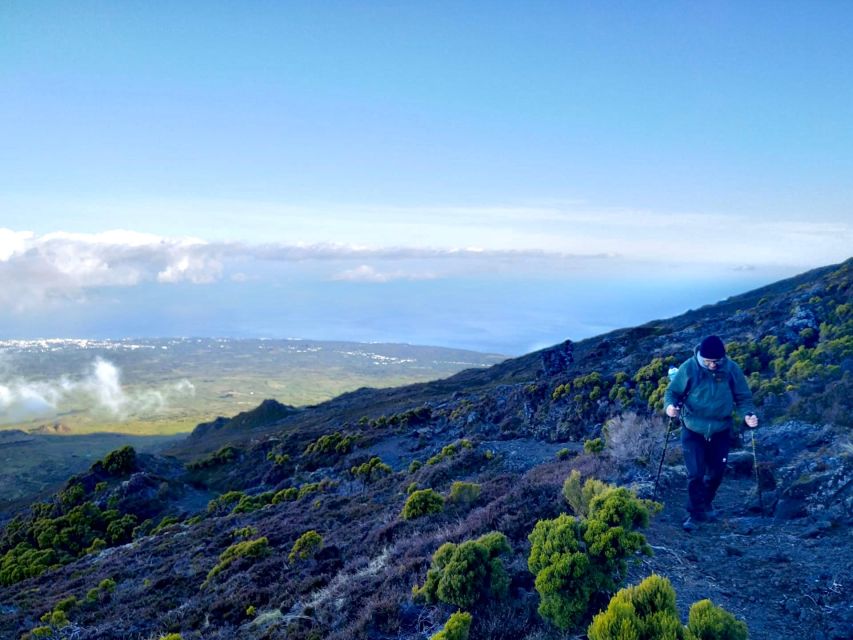
The route also gives you a close look at how a volcanic mountain changes with height. The lower section passes through native plant life. Higher up, vegetation gives way to broad geological formations, solid rock, loose stones, and dark volcanic sand. A guide helps turn those changes into part of the experience rather than a long uphill slog.
The views depend heavily on the weather. On a clear day, you may see all the islands in the central Azorean group. Clouds can block the horizon, but they do not necessarily ruin the climb. The summit itself remains a satisfying objective, and the changing weather adds to the mountain’s character.
This is not the right outing for someone who wants a relaxed scenic walk. The physical effort is rated difficult, and the terrain requires attention. But if you enjoy a demanding mountain day and want one of the Azores’ most distinctive experiences, the challenge has a clear payoff.
Other Azores days travellers weigh against this one:
- From Ponta Delgada: Whale and Dolphin Watching Trip
★ 4.7 · 4,109 reviews - Azores Whale Watching & Islet Boat Tour
★ 4.6 · 2,146 reviews - São Miguel West: Full-Day Van Tour with Lunch
★ 4.9 · 1,948 reviews
Starting at Mountain House at 1,250 meters
You meet your guide inside Mountain House, the starting point for the climb. The meeting place is also the end point, so you do not need to arrange a separate pickup or worry about finding your way back after the descent.
Before setting off, the guide gives a safety briefing lasting about 20 minutes. This is more than a quick formality. Your guide can explain the route, point out the demands of the terrain, and judge how the group is moving before you get too high on the mountain.
The first part of the hike acts as an early test. If you struggle here, the guide may advise you to stop for your own safety and the safety of the group. That can be disappointing, but it is sensible. Continuing far beyond your ability can create trouble for everyone, especially on a mountain where the return takes several hours.
The starting elevation is about 1,250 meters, so the full climb is not a low-level walk followed by a short uphill section. You begin high on the mountain, but you still gain another 1,100 meters before reaching the summit. Your body notices that climb quickly.
The first three hours through plants, mud, and rock
The ascent to the crater takes about three hours. Early terrain includes native vegetation and muddy sections, followed by firmer rock. These changes matter because your footing and walking rhythm must keep changing with them.
A hiking pole is useful here, and one is included. Use it to test uncertain ground, steady yourself on uneven sections, and reduce some strain on the descent. It is not a substitute for fitness, but it can make loose or awkward footing easier to manage.
The guide adds value during this part by explaining Pico’s plant life and geology. You will learn about the mountain as a natural place, not just as a tall object to conquer. The route’s geological structures become easier to appreciate when you understand why the ground shifts from soil to solid stone and then to loose volcanic material.
Pace is important. You do not want to race through the lower sections and arrive tired at the steeper ground. Feedback about guides Steffi and Steffie highlights careful pacing and attention to different abilities within the group. That is exactly what you need on a long climb. A steady pace gives you a better chance of having energy left for the summit and the return.
Reaching the crater and Piquinho
After roughly three hours, you reach the crater area. The mountain becomes more exposed and the surface turns into loose rock and sand. This is where the climb feels more technical, even if you are not using ropes or climbing equipment.
The final 15 minutes to the top, known as Piquinho, require your hands for extra stability. Think of this as a short scramble rather than a normal hiking path. You need to place your feet carefully and use your hands where the slope or loose material makes standing upright less secure.
Anyone with a fear of heights should take the warning seriously. The activity is not suitable for people afraid of heights, and the steep upper section can feel demanding even for fit hikers. Your guide is there to advise you, but you remain responsible for bringing the fitness, footwear, and confidence needed for the climb.
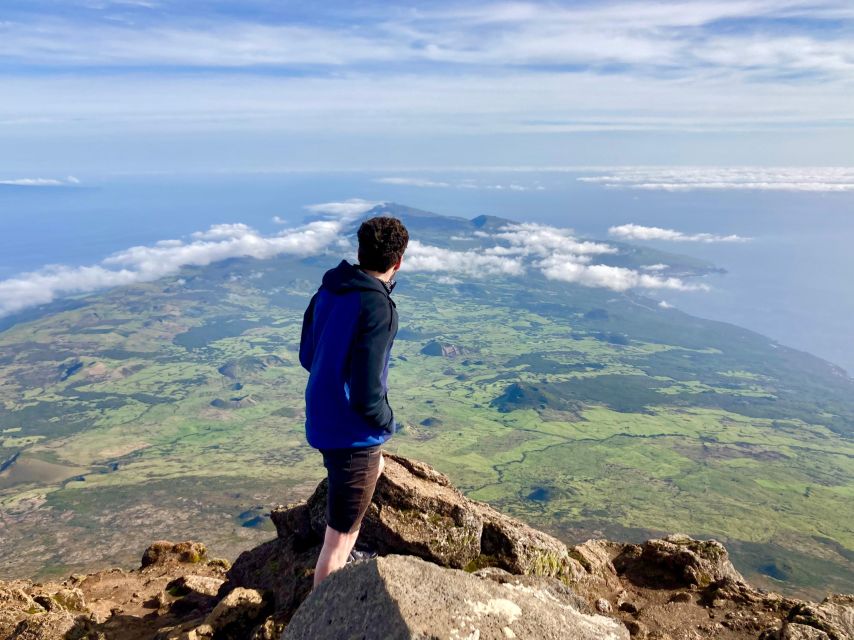
Reaching Piquinho is the day’s big moment. The summit offers a 360-degree view when conditions allow. You may see Pico’s surrounding waters and the other islands of the central group, though cloud can limit what is visible. Even in cloud, standing at the highest point in Portugal gives the climb a strong sense of completion.
Allow yourself time to take in the summit before starting down. The information describes a final impression of Piquinho before the descent, and that pause matters. You have worked hard to get there, and rushing away would miss part of the reward.
A different kind of day out, same corner of Portugal:
- São Miguel West Full Day Tour with Setes Cidades Including Lunch
★ 5.0 · 1,391 reviews - São Miguel East Van Tour with Lunch: Furnas & Nordeste
★ 5.0 · 1,210 reviews - São Miguel East: Full-Day Van Tour with Lunch
★ 4.9 · 1,124 reviews - Azores Whale Watching & Islet Boat Tour
★ 4.5 · 1,059 reviews
Why the descent deserves respect
Many hikers focus on the ascent and treat the descent as an easy afterthought. On Mount Pico, that is a mistake. The way down takes about three to four hours and is described as the most difficult part of the activity.
You return along the same path, but your legs are tired and the loose rock and sand can shift underfoot. Descending steep ground places different demands on your knees, ankles, and balance. A slip on the way down is more likely when you are fatigued, so listen closely to the guide’s advice.
A review of the guiding service describes a group member slipping mildly on the descent and receiving immediate help. That detail points to an important benefit of going with a guide. You are not simply paying for someone to lead you uphill. You have a trained person watching the route, the pace, and the condition of the group.
Take shorter steps, keep your center of balance controlled, and use the poles. Do not let the excitement of reaching the summit persuade you to hurry. The mountain is not finished until you are back at Mountain House.
What the $91 price includes
At $91 per person, this is a fair price for a guided full-day mountain climb, particularly because several costs are already covered. The package includes a certified Pico Mountain Guide, access to the Mount Pico Natural Reserve, hiking poles, Allianz personal accident insurance, and a certificate.
The guide is the main value. A self-guided attempt might appear cheaper, but it would leave you to manage the route, safety decisions, terrain, and weather on your own. The mountain’s changing surfaces and difficult descent make professional support more useful than it might be on an ordinary marked trail.
The park access fee and insurance also reduce the number of extra charges you need to think about. The certificate is a small touch, but it gives you a physical reminder of the achievement.
The price does not appear to include food, water, clothing, or transport to Mountain House. Bring your own supplies and arrive ready for a full day outside. You can reserve now and pay later, and cancellation is free up to 24 hours before the activity, which helps if your Azores plans depend on changing weather.
Weather can decide the day
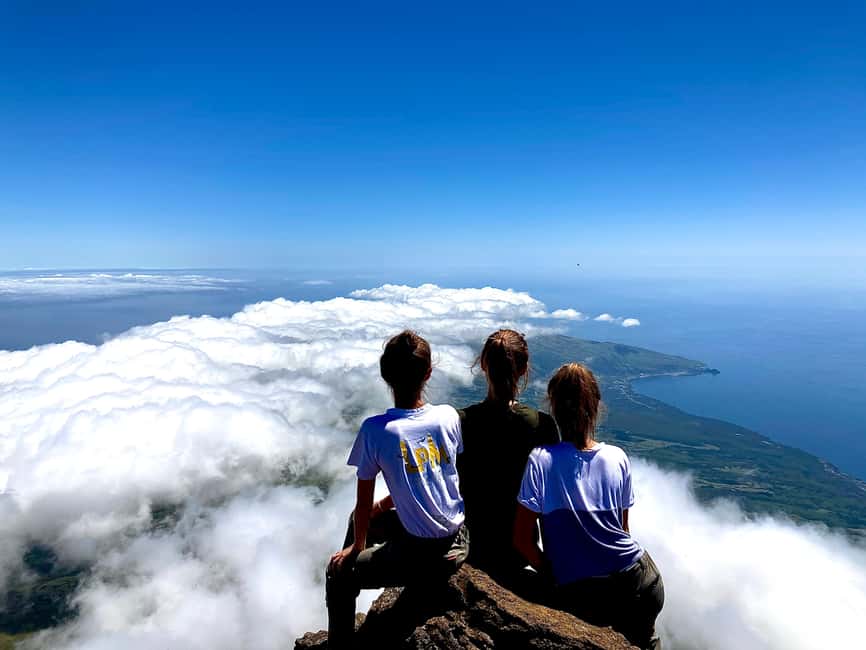
Mount Pico is weather-dependent, and the activity can be cancelled shortly before it begins. That may disrupt your plans, but it is necessary on a high, exposed volcanic mountain.
Cloud can affect the view even when the climb goes ahead. Do not book this only for a guaranteed panorama. The summit views are a major reward, but the route itself, the native vegetation, volcanic structures, and sense of effort are also part of the experience.
Bring rain gear even if the forecast looks promising. You should also pack sunscreen, sunglasses, weather-appropriate clothing, food, and plenty of water. Conditions can change during an eight-hour mountain day, and you need to be ready for sun, wind, rain, or cloud.
The booking requires your name, date of birth, and nationality so the operator can reserve your place at Mountain House. Daily numbers are limited, so provide those details promptly. This is especially important if your visit to Pico is short.
The right boots are not optional
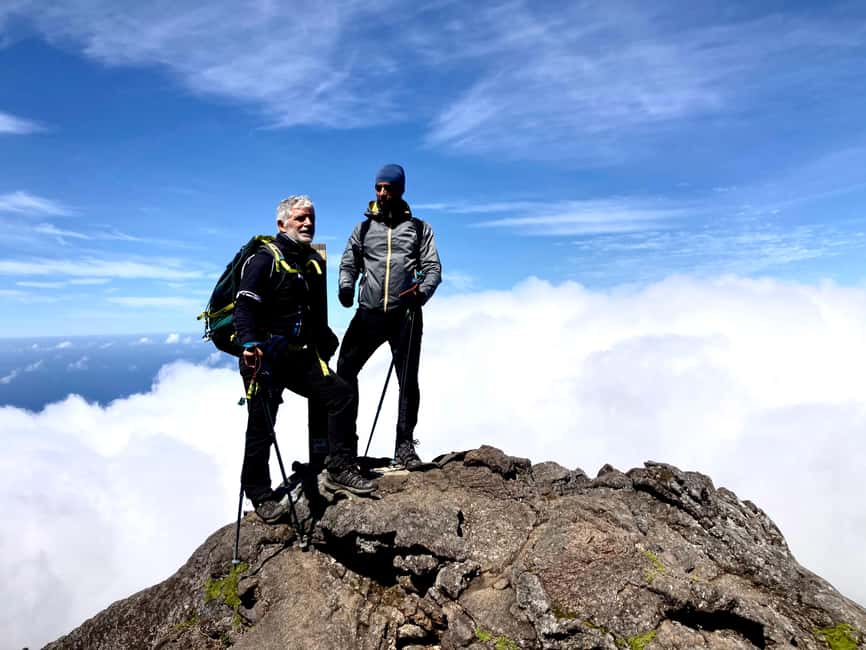
You must wear hiking boots or hiking shoes with a good-grip sole. Sports shoes are not accepted, and the Natural Park can refuse access to the mountain reserve if your footwear is unsuitable.
This rule makes practical sense. Mud, solid rock, loose stones, and sand all appear on the route. Smooth-soled trainers can leave you sliding when you most need reliable footing, particularly during the descent.
Pack a daypack that lets you keep water, food, rain gear, sunscreen, and an extra layer close at hand. Keep it manageable. An overloaded pack will make the uphill work and the hands-on finish less comfortable.
The activity is not suitable for children under 12, pregnant women, wheelchair users, or people with back, heart, respiratory, or recent surgical issues. It is also a poor match for anyone with a low fitness level or a sedentary routine. The activity is rated 3 for physical effort and 2.5 for technical difficulty, described as difficult and medium to difficult respectively.
How the guides shape the experience
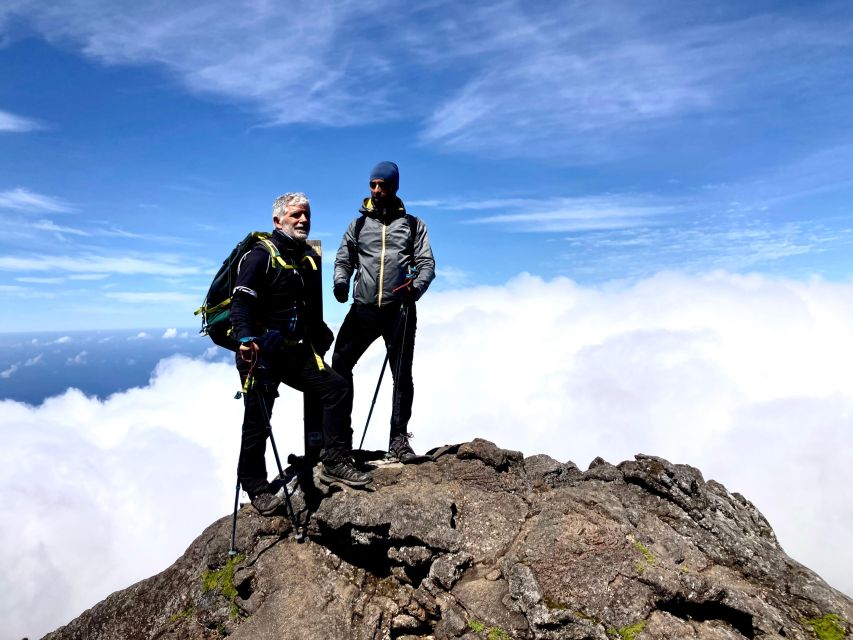
A good guide matters on Pico because the group must balance ambition with safety. The guide may stop or turn back a participant who is struggling early, and that judgment protects the whole group.
The available guides speak English, Dutch, and Portuguese. Guides named in feedback include Petro, Steffi, and Steffie. Petro is praised for friendly conversation and helpful service, while Steffi is noted for choosing an appropriate pace, explaining Pico’s history and facts, and paying attention to people moving at different speeds.
Those are practical qualities, not just pleasant extras. A group climb works best when stronger hikers do not race ahead and slower hikers do not feel abandoned. Clear advice also matters when the terrain becomes unstable or someone slips.
The guide’s nature and geology explanations give the walk more depth. You can still enjoy the physical achievement, but you also come away with a better sense of Pico’s native plants and volcanic structure.
Who should book this climb
I would recommend this for fit hikers who want a demanding, memorable day and who are comfortable with rough volcanic terrain. You should be able to walk uphill for several hours, handle a steep slope, and remain focused during a long descent.
It suits people who want more than a scenic viewpoint. The summit is the goal, but the route teaches you how a volcanic mountain changes as you climb. It is also a good fit if you prefer having a guide to manage safety, access, pacing, and route advice.
I would not choose it for a casual holiday outing, a first walk in hiking shoes, or a day when you need to conserve energy for another activity. The eight-hour schedule is full, and the descent can be especially tiring.
If you have medical concerns, low fitness, recent surgery, or problems with heights, this is not the right activity. The supplied restrictions are firm, and the mountain should not be treated as a test of willpower.
My booking verdict for Mount Pico
Book this climb if reaching Portugal’s highest point is one of your Azores goals and you are ready for a difficult eight-hour day. The $91 fee offers solid value because it covers a certified guide, reserve access, poles, accident insurance, and a certificate.
The most important decision is not the price. It is whether you can handle 1,100 meters of ascent followed by a three to four-hour descent over loose volcanic ground. If the answer is yes, this is a focused, well-supported way to experience Pico’s plants, geology, weather, and summit views.
If you want an easy walk or a guaranteed clear panorama, skip it. If you want a genuine mountain challenge with professional guidance and a strong sense of achievement, reserve a place and bring serious footwear.
FAQ
How long does the Mount Pico climb take?
The activity lasts about 8 hours. The ascent to the crater takes around 3 hours, and the descent takes about 3 to 4 hours, with time also allowed for the safety briefing and summit experience.
How high is Mount Pico?
The summit reaches 2,351 meters above sea level. The hike begins at about 1,250 meters, with approximately 1,100 meters of ascent and the same amount of descent.
Where does the activity start and finish?
You meet your guide inside Mountain House. The hike ends back at Mountain House after you complete the descent.
What footwear is required?
You must wear hiking boots or hiking shoes with a good-grip sole. Sports shoes are not allowed, and the Natural Park may refuse access to hikers wearing unsuitable footwear.
What languages are available with the guide?
The live tour guide service is available in English, Dutch, and Portuguese.
Can the climb be cancelled because of weather?
Yes. The activity depends on weather conditions and can be cancelled shortly before it starts. You can cancel up to 24 hours in advance for a full refund.
Recently reviewed around Azores
- São Miguel: Whales & Volcano Full-Day Tour with Lunch★ 4.5 · 95 reviews
- Ponta Delgada: Sete Cidades Volcano Lakes Shore Excursion★ 4.7 · 198 reviews
- Ponta Delgada: Pineapple wine tasting and pineapple tour★ 4.8 · 127 reviews
- Ponta Delgada: Historical Walking Tour★ 4.4 · 41 reviews
- Ponta Delgada: Greenhouse Hot Tube with Pineapple Tour★ 4.4 · 76 reviews
- Pico Island: Whale Watching Experience from Lajes★ 4.9 · 492 reviews
- Ponta Delgada: São Miguel Buggy Tour Around Sete Cidades★ 5.0 · 210 reviews
- Canyoning Experience at Ribeira Grande★ 4.8 · 117 reviews
Azores Tours, compared.

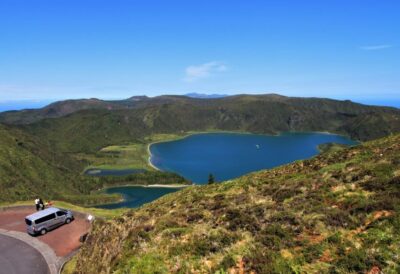
São Miguel West: Full-Day Van Tour with Lunch
Read our review →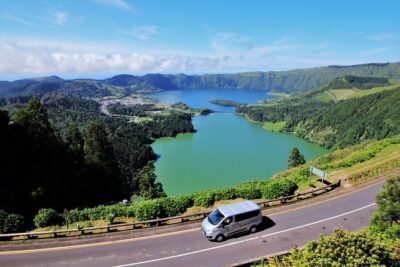
São Miguel West Full Day Tour with Setes Cidades Including Lunch
Read our review →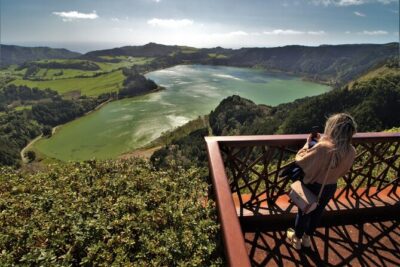
São Miguel East Van Tour with Lunch: Furnas & Nordeste
Read our review →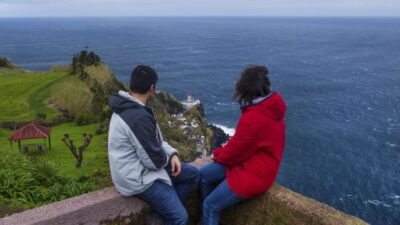
São Miguel East: Full-Day Van Tour with Lunch
Read our review →
São Miguel Azores: Half-Day Whale Watching Trip
Read our review →Browse the lists this tour appears in