
Reviewed · PORTO TOURS
Matosinhos: Conservas Pinhais Factory Tour
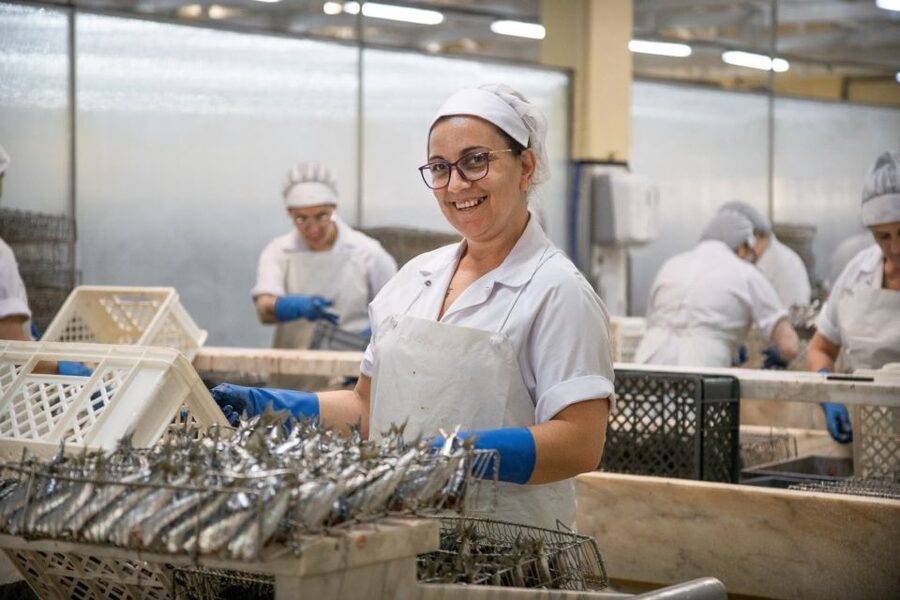
The most interesting part of the Pinhais Factory Tour is that this is not a museum built to imitate an old cannery. It is a real working company, with traditional methods still carried out by hand. You see the production floor, watch experienced workers, and get a close look at how fish becomes the beautifully packed tins sold around Portugal and beyond.
I like two things in particular: the hands-on wrapping activity, which gives you something real to do, and the tasting, where sardines are served with bread and a glass of wine or soft drink. The guide-led history also gives the food a human side, especially the company’s family values and long relationship with its workers.
The main consideration is timing. The exact production activity depends on the day, the work schedule, and the available sardine catch. You may not see fresh fish being handled. On weekends and holidays, the factory floor is explored during the workers’ break, so the experience changes slightly.
In This Review
- Key Points Before You Book
- Why a Sardine Cannery Makes a Good Porto Excursion
- Arriving at Avenida Menéres 700
- The Historical Rooms and Company Story
- Seeing the Production Floor in Action
- Trying the Old Workshop and Wrapping Your Tin
- Tasting Sardines, Mackerel, Bread, and Wine
- The Can-Tin Café and Iconic Shop
- How Much Value Do You Get for $30?
- Who Will Enjoy This Factory Tour?
- Practical Tips for a Better Visit
- Should You Book Conservas Pinhais?
- FAQ
- Where does the Conservas Pinhais Factory Tour begin?
- How long does the tour last?
- What is the price?
- Is the tour conducted in English?
- What food and drink are included?
- Can I wrap my own sardine tin?
- Will I definitely see sardines being handled?
- What happens on Saturdays, Sundays, holidays, and after-hours visits?
- Are bags allowed inside the factory?
- Is the factory wheelchair accessible?
Key Points Before You Book
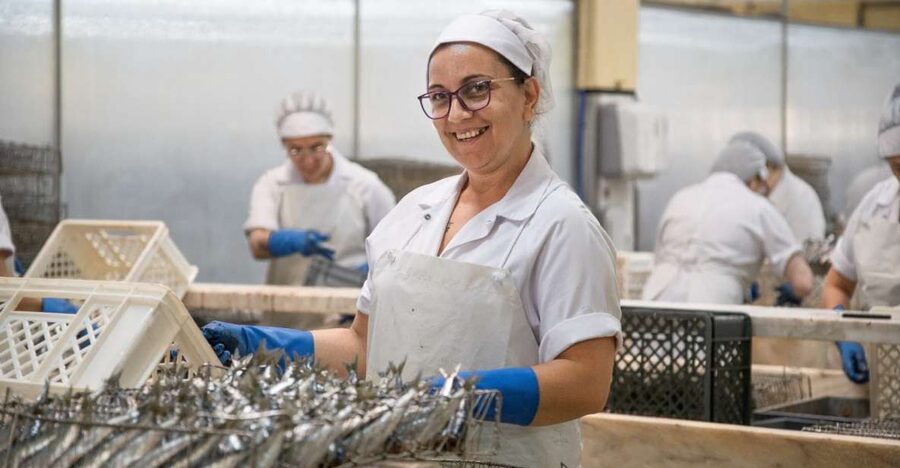
- A real working cannery: See the production floor and the traditional steps used by Pinhais.
- Your own wrapped tin: Every participant gets to try the careful hand-wrapping process.
- Tasting included: Sample preserved fish with bread and a glass of wine or a soft drink.
- A century-old setting: The tour moves through historic factory areas and an old workshop.
- English support: A live English-speaking guide leads the visit, with English headsets and audio content.
- Some factory work is unpredictable: The day’s schedule and sardine supply determine what you see in production.
Why a Sardine Cannery Makes a Good Porto Excursion
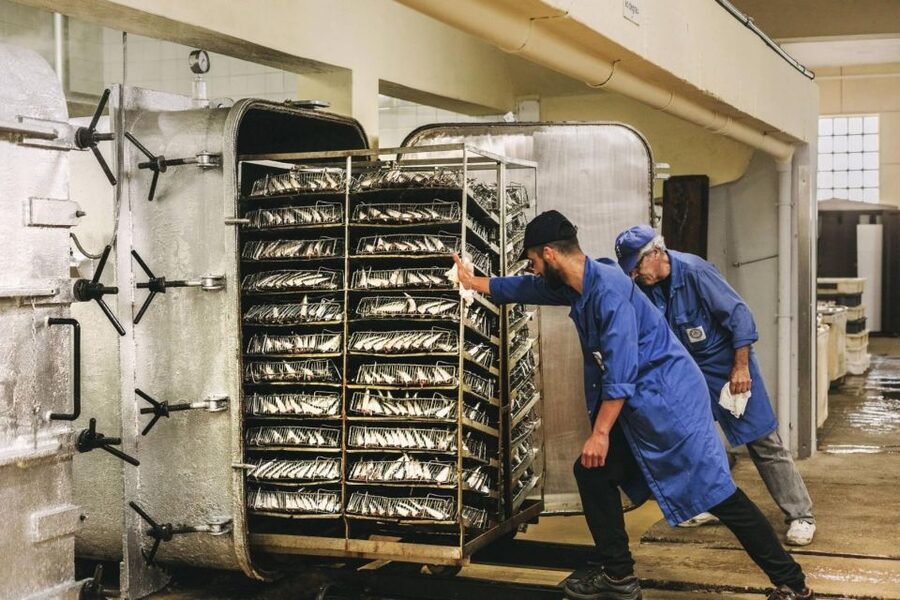
Matosinhos is closely tied to Portugal’s fishing and food industries, and Pinhais gives you a direct look at that working culture. This is a useful change of pace from churches, tiled facades, and river viewpoints in Porto. Instead of only looking at finished products in a shop, you learn how a family company protects a method handed down over many decades.
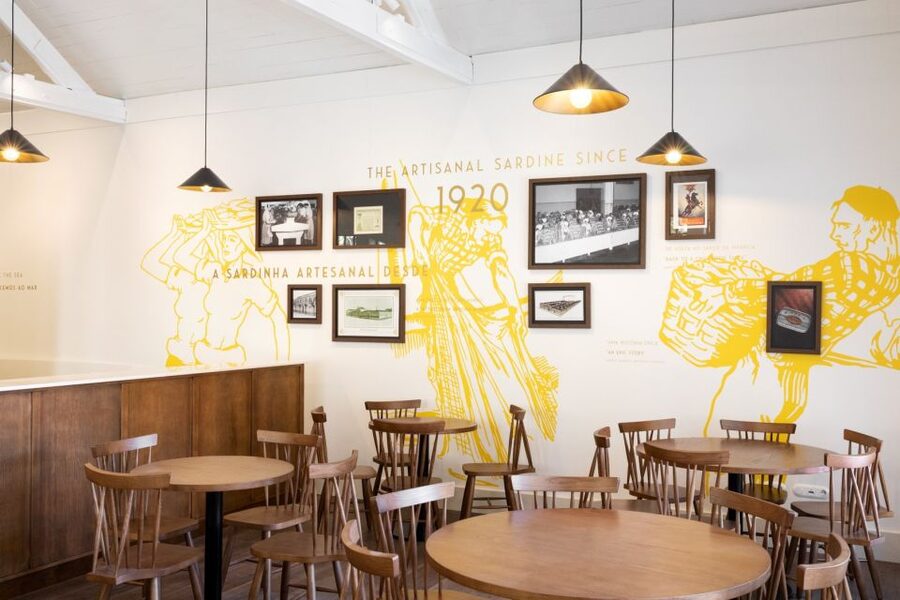
The setting matters. Pinhais operates from a centenary building, and the visit includes historical parts of the factory rather than only a modern visitor room. The old workshop helps connect the company’s past with the work still done today.
I also like that the tour puts people at the center of the story. You hear about the company’s resilience, its values, and the individuals who have helped keep it going. The emphasis is not simply on production targets or branding. The human work behind each tin is part of the visit.
The tour has earned a 4.8 rating from 173 reviews, with especially strong praise for the guides, the factory workers, the history, and the final tasting. Roberto is named several times as a friendly and engaging guide. Other visitors have also singled out the pride and care shown by the staff.
Other Porto days travellers weigh against this one:
- The Unvanquished Tour in Porto City Center
★ 5.0 · 26,497 reviews - From Porto: Douro Valley w/ Boat Tour, Wine Tasting & Lunch
★ 4.7 · 19,061 reviews - Complete Douro Valley Wine Tour with Lunch, Wine Tastings and River Cruise
★ 5.0 · 12,920 reviews
Arriving at Avenida Menéres 700
The meeting point is Avenida Menéres 700 in Matosinhos. Before the tour begins, you need to exchange your voucher at the ticket counter. Give yourself enough time to find the entrance and complete that step without rushing.
The factory provides protective clothing for the visit. Food, drinks, medicines, jewelry, backpacks, bags, and suitcases must be placed in lockers. This is practical for a working production site, but it means you should arrive ready to store most of what you are carrying.
Headsets are included so you can hear the guide clearly. That is useful inside an active factory, where machinery and other work can make ordinary conversation harder. English is available through the live guide and the audio content.
The tour is wheelchair accessible. If access is especially important to you, it is still sensible to confirm the arrangements when booking, since the visit passes through several different factory areas.
The Historical Rooms and Company Story
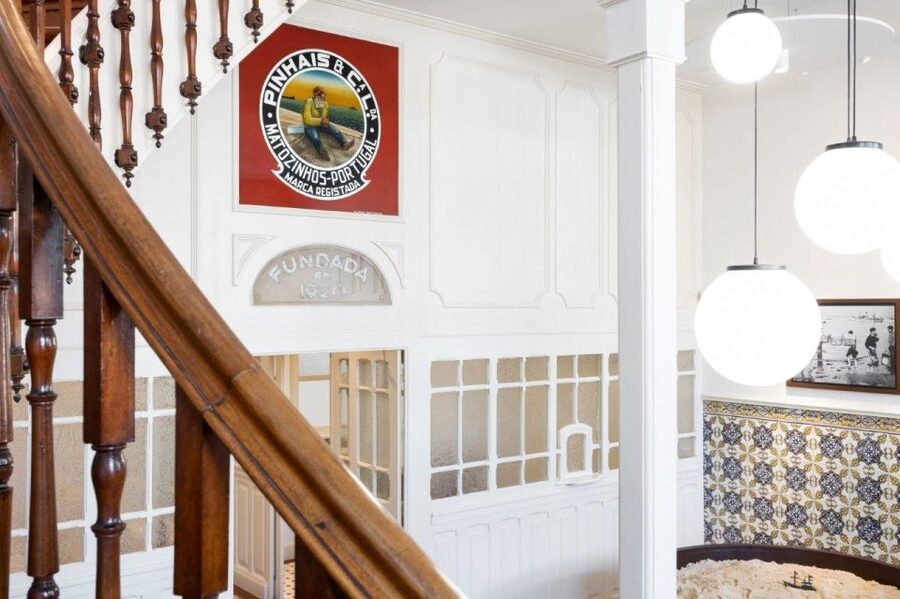
The first part of the visit introduces Pinhais through its historic building and audiovisual material. You learn about the company’s long history, its family character, and the role of traditional production in its identity.
This section gives useful context before you see the workers. Without it, the factory floor could look like a series of disconnected steps. With the background, you can better understand why certain methods have been kept and why the company places such weight on continuity.
The story is also one of survival. Pinhais presents itself as a company shaped by strong commitment and resilience. That does not mean the tour is a lecture on business history. Instead, the past is tied to the people, tools, fish, and packing methods that still define the product.
The audiovisual material adds another way to take in the story. It is helpful if you enjoy learning through images as well as spoken explanation. The factory is a multi-sensory place, with the look of the old rooms, the sounds of production, and the smell and taste of the finished food all playing a part.
Seeing the Production Floor in Action
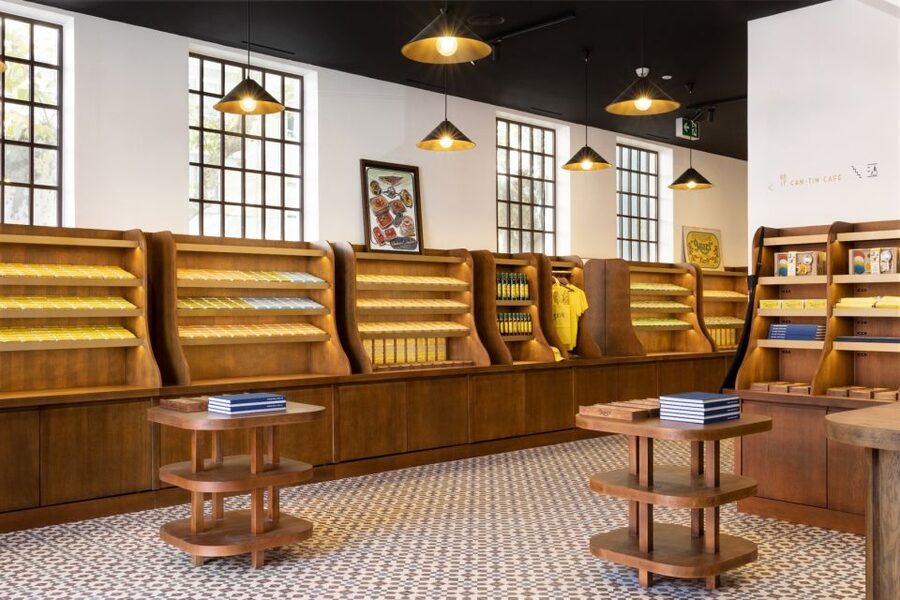
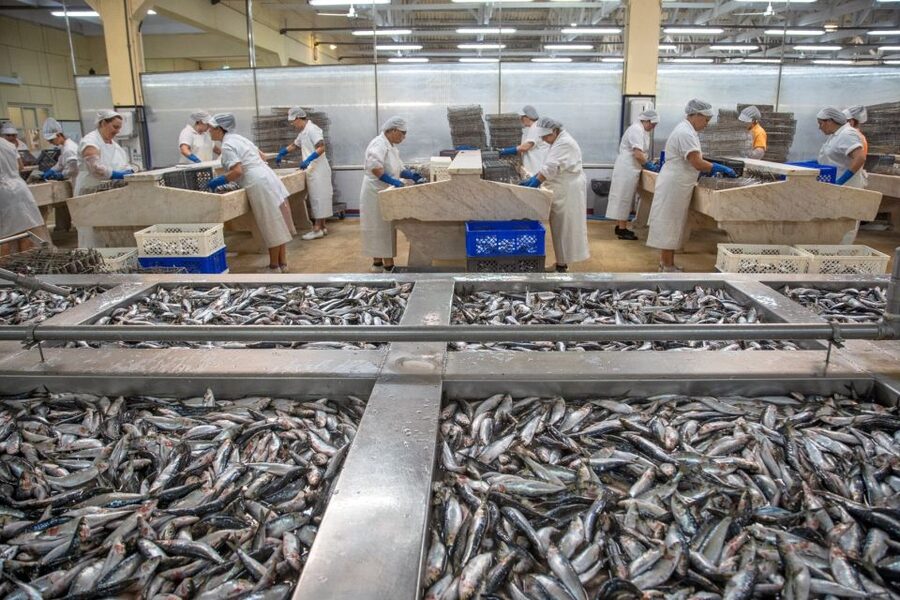
The production floor is the heart of the tour. Here you see the stages involved in making preserved fish and learn about the artisanal process carried out by experienced workers.
One of the most praised parts of the visit is seeing the women working on the factory floor. Their speed, focus, and practiced movements show why hand production is different from simply watching a machine fill and seal a container. The tour gives you a better sense of the labor behind a small tin.
The company uses fresh fish and selected ingredients. Information shared during the tour has also highlighted sourcing from Portugal and Spain for ingredients such as spices. The emphasis is on small-batch care and a traditional method, rather than on hiding the work behind a polished retail display.
There is one important limit. Pinhais cannot promise that you will see fish being handled. The activity shown depends on the production team’s schedule and the sardine catch limit. If you book mainly to watch fresh sardines arrive or be prepared, keep your expectations flexible.
From Monday through Friday, you may see the production floor while it is operating. On Saturdays, Sundays, national holidays, and after-hours visits, the workers are on their weekly break. You can then explore some of the factory’s more exclusive areas and take part in the traditional method with your own hands, but the atmosphere is naturally different from a weekday work shift.
That difference is worth understanding before you choose a time. Weekdays offer the best chance of seeing ordinary production in progress. Weekends can offer a quieter look at parts of the factory, along with the practical activities included in the visit.
A different kind of day out, same corner of Portugal:
- Porto: Six Bridges Cruise
★ 4.2 · 11,680 reviews - Porto: Live Fado Show with Glass of Port Wine
★ 4.8 · 6,498 reviews - Porto: 6 Bridges Douro River Cruise
★ 4.3 · 6,472 reviews - Porto: Torre dos Clerigos Entrance Ticket
★ 4.6 · 6,395 reviews
Trying the Old Workshop and Wrapping Your Tin
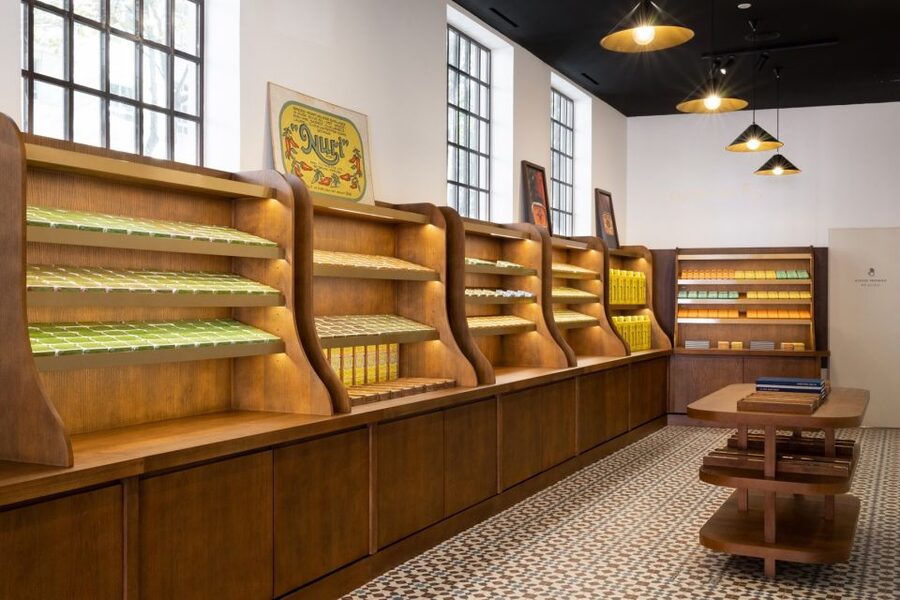
The old factory workshop gives the tour a more tactile moment. You are not only shown how Pinhais works. You are invited to try part of the process yourself.
Every participant takes part in a wrapping experience. Learning to wrap your own sardine tin sounds simple, but it reveals how much neatness and care go into the final appearance. The small activity also makes the visit work well for families and for anyone who prefers doing something rather than standing through a long explanation.
You do not leave with the illusion that one wrapped tin makes you a cannery worker. That is not the point. The activity lets you handle one small part of the traditional method and gives you a clearer idea of the handwork involved.
The wrapping session is also a good balance to the historical material. After hearing about Pinhais and watching workers, you get a chance to participate. It is brief, but it gives the tour a memorable center.
Tasting Sardines, Mackerel, Bread, and Wine
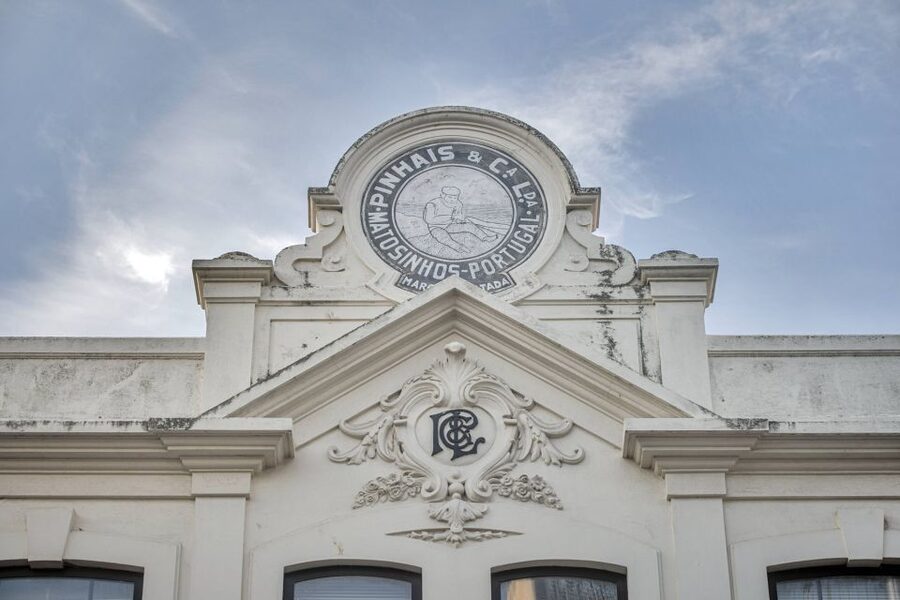
The tasting takes place at the Can-Tin Café and is included in the price. You sample Pinhais preserves with bread and receive a glass of wine or a soft drink.
This is more than a quick sample at a shop counter. The tasting lets you judge the product after learning how it is made. If you are unsure about sardines, it is a useful way to try them in a calm setting before buying tins to take home.
The spicy sardines in olive oil have received particular praise, and the tasting can include different traditional fish preserves. Mackerel is also available among the products sold by the company. The food is substantial enough that I would not plan a large lunch immediately before the tour, especially if you are not used to preserved fish.
The wine pairing makes the tasting feel like part of the visit rather than an afterthought. A soft drink is available if you do not want wine. The combination of fish, bread, and wine also reflects how canned seafood fits into Portuguese eating habits: simple food, carefully prepared, with the quality of the ingredients doing the work.
A word of caution for sensitive eaters: the tasting centers on fish preserves. If you dislike sardines or cannot eat seafood, the food portion will not be a major benefit. The factory and history are still worthwhile, but the final course is designed for people who want to try the product.
The Can-Tin Café and Iconic Shop
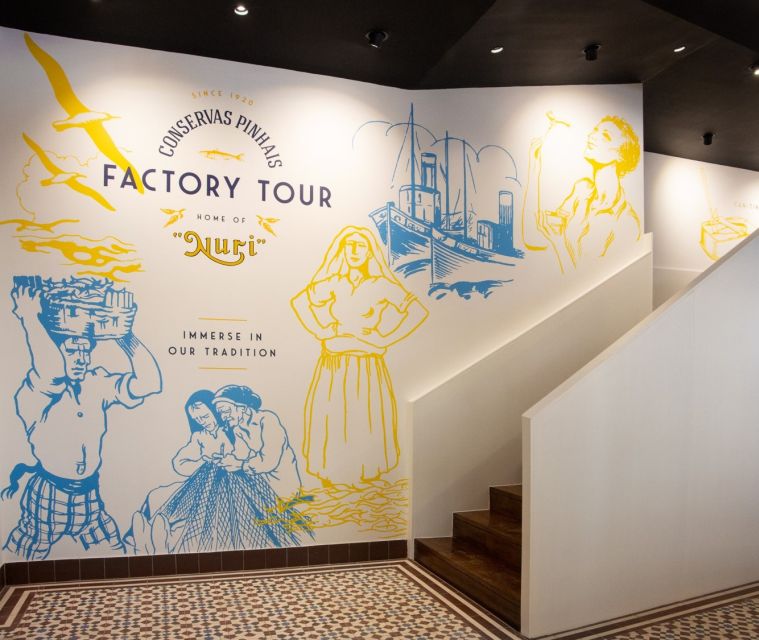
The Can-Tin Café is part of the visit and provides the setting for the tasting. It also gives you a chance to pause after the factory floor and wrapping activity.
The tour ends with a visit to Pinhais’s shop. This is the natural place to buy tins after tasting them, rather than guessing which flavor you might like from the label alone. Visitors have bought sardines and mackerel, including spicy varieties, after trying them during the tour.
The packaging is part of Pinhais’s appeal, so the shop is useful even if you do not plan to buy much. A tin is easy to pack, lasts well, and makes a practical food souvenir. Still, do not feel that the tour requires a purchase. The tasting and factory visit are the main experience.
The commercial side is present, but it does not take over the visit. You learn about the product, try it, and then see the shop. That order feels fair because you have enough information to decide if the preserves suit your taste.
How Much Value Do You Get for $30?
At $30 per person, the tour is not the cheapest way to eat sardines in Matosinhos. You are paying for a guided visit to a historic working factory, protective clothing, headsets, the wrapping activity, a tasting, and a drink.
For me, the price makes sense if you value access and explanation. A can of fish alone costs far less, but a can does not show you the workers’ process, the building, the workshop, or the history of the company. The tasting also gives you a chance to sample before shopping.
The 1.5-hour duration is long enough to feel like a proper activity without taking up an entire day. The guided portion is listed as one hour, with the full visit including the other elements such as wrapping, tasting, and the shop. That makes it easy to fit into a Matosinhos day alongside lunch or other stops.
You can reserve now and pay later, which helps if you are still arranging a Porto schedule. Cancellation is free up to 24 hours before the start time. Those terms reduce the risk of booking ahead, especially if your plans may change.
Who Will Enjoy This Factory Tour?
I would recommend Pinhais to food-focused visitors, curious families, design lovers, and anyone who enjoys seeing how ordinary products are made. It is also a good choice if you have already seen Porto’s main sights and want an activity rooted in local work and food.
Children may enjoy the wrapping activity, though the exact level of interest will depend on their age. The tasting gives the visit a clear finish, and the short length prevents it from becoming an all-day commitment.
Sardine lovers will find plenty to enjoy, especially if you want to understand how preserved fish is prepared. People who think they do not like sardines may also be surprised by the quality of the tasting, but you should not book if seafood is completely off your menu.
The tour suits people who appreciate small family companies and traditional work. It is less suitable if you want a guaranteed, step-by-step demonstration of every production stage. The factory’s schedule and fish supply decide what is happening on the day.
Practical Tips for a Better Visit
Book a weekday if your main goal is to see the production floor while workers are active. A weekend, holiday, or after-hours visit still includes the historic areas, workshop, wrapping, tasting, and shop, but the workers will be on their weekly break.
Arrive with only what you need. Bags, backpacks, suitcases, jewelry, food, drinks, and medicines must go into lockers. Wear something comfortable and follow the protective clothing instructions provided at the factory.
Do not eat a heavy meal just before arriving. The tasting includes fish and bread, and the portion is meaningful enough to count as part of your food for the day.
Keep your voucher ready for exchange at the ticket counter. The tour is in English, and headsets help you follow the guide in the working areas. Roberto has been singled out for his friendly manner, but the assigned guide may vary.
Finally, treat the production schedule as part of the experience. You are visiting a real factory, not a stage set with every action timed for an audience. That means you may miss fresh fish handling, but it also means the visit gives you a more honest look at how the company operates.
Should You Book Conservas Pinhais?
You should book this tour if you want a local food experience with real handwork, a short activity near Porto, and a tasting that is included rather than an extra charge. The combination of history, working production, wrapping, and wine makes the $30 price fair for most food-minded visitors.
Choose a weekday for the best chance of seeing active production. Choose a weekend or holiday if your schedule requires it, but understand that the factory floor will be explored during the workers’ break.
I would skip it only if you dislike fish, want a fully guaranteed production demonstration, or prefer to spend your time entirely at restaurants and outdoor sights. For everyone else, Pinhais offers a clear look at Portuguese food tradition, and you leave with a better understanding of why a small tin can require so much care.
FAQ
Where does the Conservas Pinhais Factory Tour begin?
The starting point is Conservas Pinhais at Avenida Menéres 700 in Matosinhos, in Portugal’s Norte Region.
How long does the tour last?
The complete activity lasts about 1.5 hours. The guided factory visit itself is listed as one hour, with the remaining time covering activities such as wrapping, tasting, and the shop.
What is the price?
The tour costs $30 per person.
Is the tour conducted in English?
Yes. The experience includes a live English-speaking guide, English audio content, and headsets to hear the guide clearly.
What food and drink are included?
You receive a tasting of Pinhais fish preserves, along with bread and a glass of wine or a soft drink.
Can I wrap my own sardine tin?
Yes. The wrapping experience is included for all participants.
Will I definitely see sardines being handled?
No. The production activity depends on the team’s schedule and the available sardine catch. Pinhais cannot guarantee that visitors will see fish being handled.
What happens on Saturdays, Sundays, holidays, and after-hours visits?
The workers are on their weekly break, so you explore factory areas and take part in the traditional method rather than watching the usual production activity in progress.
Are bags allowed inside the factory?
Food, drinks, medicines, jewelry, backpacks, bags, and suitcases must be stored in lockers during the visit.
Is the factory wheelchair accessible?
Yes, the activity is listed as wheelchair accessible.
Recently reviewed around Porto
- Bridges Cruise with World of Discoveries or Sunset Option★ 4.0 · 219 reviews
- Porto Card Walker (1, 2, 3 or 4 Days)★ 3.4 · 135 reviews
- Porto: 6 Bridges Yacht Cruise with Local Wine & Snacks★ 5.0 · 399 reviews
- Porto: 5D Flight over de City for all family.★ 4.0 · 281 reviews
- Porto:Aveiro, Cruise, Costa Nova & Capelha da Pedra Full Day★ 4.5 · 434 reviews
- Porto Private E-Bike Tour: Douro River, Parks & Beaches★ 4.7 · 104 reviews
- Porto: 3-Hour Walking City Tour & Lello Bookstore Visit★ 4.7 · 99 reviews
- Port Wine class with 3 or 5 Port tasting and pairings★ 4.9 · 441 reviews
Porto Tours, compared.


Douro Valley w/ Boat Tour, Wine Tasting & Lunch
Read our review →
Complete Douro Valley Wine Tour with Lunch, Wine Tastings and River Cruise
Read our review →


Wine Tour with Lunch, Tastings & River Cruise
Read our review →Browse the lists this tour appears in