
Reviewed · MADEIRA TOURS
Funchal Agriculture Green Tour
Madeira’s farming story is the real star here. You move from a private banana field in Funchal to a working cattle farm, then into the countryside for a home-style meal and a look at Porto da Cruz’s old sugarcane industry. This is a useful tour if you want to see how the island feeds itself, not just admire it from a viewpoint.
I like the direct access to working farms and the small group, limited to eight people. I also like the lunch: local bread, tapas, a fish or meat dish, dessert, drinks, and coffee are included, which makes the $100 price easier to justify. The main consideration is pace. Six hours covers many stops, so some visits are introductions rather than long, leisurely tours.
In This Review
- Key points at a glance
- Why this tour shows you a different Madeira
- The banana field in Sao Martinho
- From harvested fruit to the banana business
- The agriculture school and Madeira’s grafting methods
- Driving north through Madeira’s farm country
- A home-style lunch near Santana
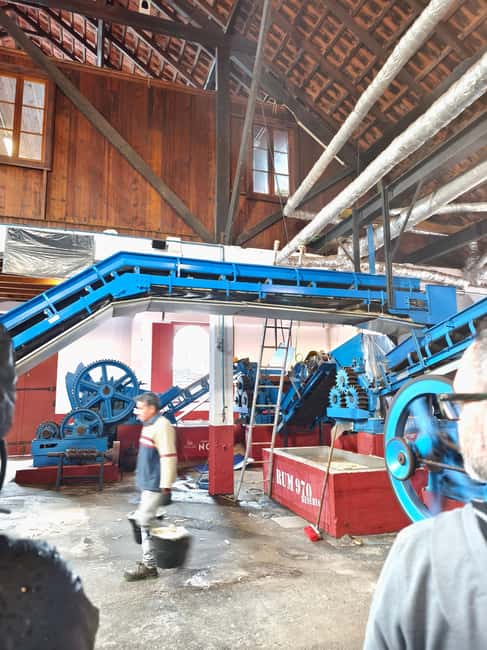
- Porto da Cruz and the old rum factory
- The family cattle farm near Caniço
- Transport, timing, and the small-group advantage
- What the $100 price really buys
- Who will enjoy this day most
- Should you book the Funchal Agriculture Green Tour?
- FAQ
- How long does the Funchal Agriculture Green Tour last?
- How much does the tour cost?
- What is included in the price?
- Where can pickup and drop-off be arranged?
- Is the rum factory machinery always operating?
- Is banana tasting guaranteed?
- What should I bring, and who cannot take part?
Key points at a glance
- Banana production from field to packing house: See how bananas are grown, selected, packed, and prepared for sale, with a tasting when ripe fruit is available.
- Private farm access: The banana field and cattle farm are private visits, offering contact with working agriculture rather than a standard museum display.
- Agriculture school visit: Learn how grafting is used to grow fruit trees suited to Madeira’s farming conditions.
- A generous local lunch: Expect bread, tapas, a main course of fish or meat, vegetables, homemade dessert, drinks, and coffee.
- Porto da Cruz rum making: See one of Madeira’s oldest rum factories and its steam machines, which operate during the April to May sugarcane season.
- Small-group transport: Pickup and drop-off are provided around Funchal and Caniço, with groups capped at eight people.
Why this tour shows you a different Madeira
Many visitors see Madeira through gardens, levada walks, and dramatic coastal roads. Those are excellent, but agriculture explains much of the island’s daily life. Banana plots fill the warmer southern slopes, cattle farms support local dairy production, and sugarcane still links Porto da Cruz to an older island economy.
I like that this tour does not treat farming as a backdrop for photographs. You meet people connected to the work and see the practical stages behind local products. The focus is on how land is planted, harvested, processed, and passed on.
The experience is led in English, Spanish, French, or German. The guide also drives between the stops, which matters on Madeira’s winding roads. The group limit of eight should make questions easier and keeps the private farm visits from feeling crowded.
The $100 price includes transport, all listed farm entrances, lunch, drinks, coffee, and rum tasting. It is not the cheapest way to spend six hours in Madeira, but it covers several separate visits and a full meal. If you paid for transport, admissions, and lunch separately, the difference would narrow quickly.
Other Funchal days travellers weigh against this one:
- Porto Moniz, Seixal, Fanal Forest, Cliff Skywalk in Open Roof 4X4
★ 5.0 · 3,631 reviews - Funchal: Pico do Arieiro Sunrise Transfer Self-guided Hike
★ 4.9 · 2,798 reviews - Madeira Funchal:East Tour Pico Arieiro & Santana&Laurissilva
★ 4.9 · 1,994 reviews
The banana field in Sao Martinho
The first agricultural stop is in Sao Martinho, in Funchal. The guided visit lasts about 40 minutes and takes place in a private banana field.
This is where you begin to understand the work behind Madeira’s familiar bananas. The visit is built around interaction and explanation, so you can ask about how farmers care for the plants and manage their plots. It is not simply a walk past rows of trees.
The setting also gives you a useful contrast with central Funchal. Sao Martinho is part of the city, yet farming remains present among the built-up areas. That mix is one of Madeira’s defining features: cultivated land can appear close to hotels, roads, and homes.
Wear shoes with a good grip. The information specifically recommends comfortable shoes, and farm ground may not be as smooth as a pavement. A jacket is also sensible because temperatures can change as the vehicle climbs and crosses the island.
From harvested fruit to the banana business
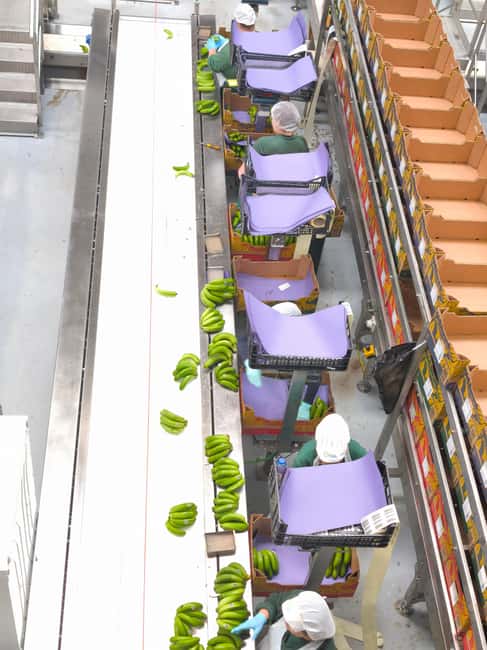
Next comes GESBA, the government-run company connected with Madeira’s banana sector. The guided visit lasts around 45 minutes and explains what happens after the bananas are cut.
You learn about the process from selection to packing. That fills in an important gap, since many farm visits stop at the growing stage. Here you see the business side of agriculture and how the crop is handled once it leaves the field.
A banana tasting is offered at the end when ripe fruit is available. The timing matters. In winter, ripe bananas are not always available, so you should treat the tasting as a seasonal extra rather than a guarantee.
This stop is especially worthwhile if you like food production, local business, or practical explanations. It also helps you see why agriculture is not only about planting and harvesting. Sorting, packing, and getting fruit to market are just as important.
The agriculture school and Madeira’s grafting methods
The route then follows an old road to an agriculture school at Caminho do Arieiro 97a. Allow about an hour here.
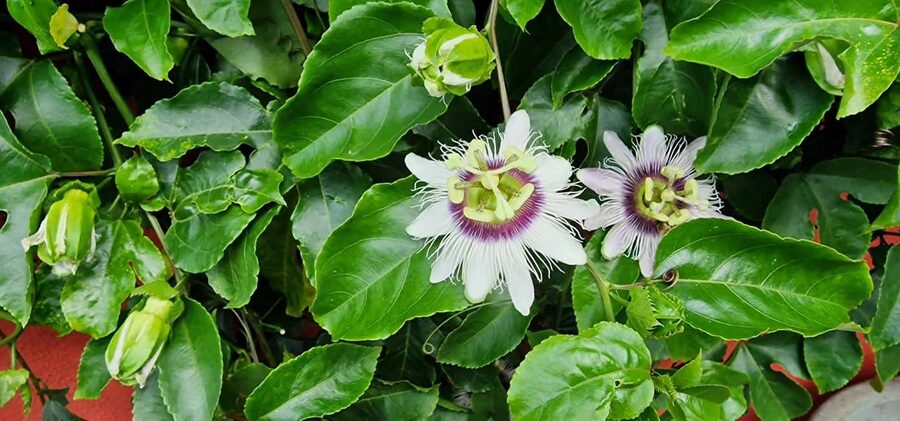
Farmers come to the school to buy trees for planting, and the grounds include both international varieties planted many years ago and local fruit trees. Avocados and lemon trees are among the examples mentioned, with fruit tasting offered when seasonal produce is available.
The most distinctive part is the explanation of grafting. Grafting joins part of one plant to another so growers can combine useful qualities, such as a strong root system with desirable fruit. Madeira’s farmers use this kind of practical knowledge to keep production going in a varied island climate.
I like this stop because it gives context to the farms you have already seen. You are not just looking at crops. You are learning how farmers choose, adapt, and reproduce them.
The school is also a reminder that farming changes over time. Traditional methods remain important, but agricultural education helps local growers work with new varieties and better planting techniques. The visit should suit curious adults as well as families. One parent described the full day as educational and fun for children, with animals adding interest along the way.
A different kind of day out, same corner of Portugal:
- Madeira Dolphin and Whale Watching on a Ecological Catamaran
★ 4.5 · 1,957 reviews - VipDolphins Luxury Whale Watching
★ 5.0 · 1,709 reviews - From Funchal: Transfer to Pico do Arieiro & Pico Ruivo Trail
★ 4.9 · 1,591 reviews - Whale and Dolphin Watching Tour in Madeira
★ 5.0 · 1,192 reviews
Driving north through Madeira’s farm country
After the school, the tour heads toward the northern part of the island. The drive takes you through rural areas where you can see farms and farmers at work.
This part is partly about the view and partly about connecting the stops. You get a wider sense of how agriculture fits into Madeira’s steep terrain and scattered communities. The guide can point out what you are seeing, turning the drive into part of the lesson rather than dead time.
The schedule is fairly full, so do not expect long photo stops at every turn. The day works best if you enjoy moving from one subject to another. If you want a slow scenic tour with plenty of free time, a dedicated road trip may suit you better.
For most people, though, the changing scenery gives the day a good rhythm. You begin with bananas near Funchal, move into plant cultivation and grafting, then continue toward cattle, food, and sugarcane.
A home-style lunch near Santana
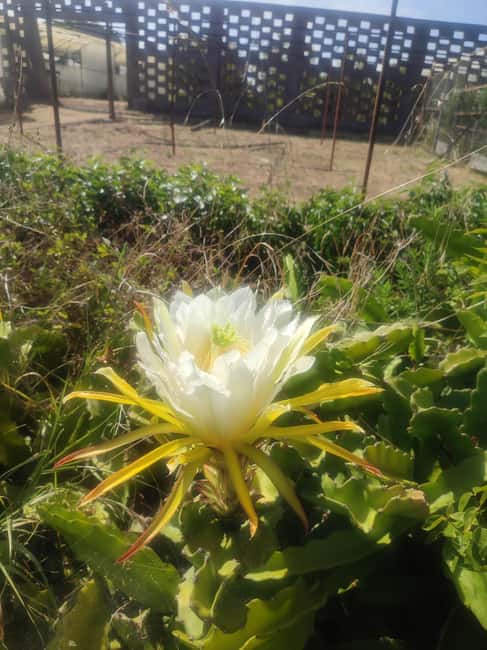
Lunch is served in a cozy house restaurant in the rural area around Santana. The meal is designed to feel like local home cooking rather than a formal restaurant tasting menu.
The included spread starts with fresh-baked bread and tapas made with local food. You then choose fish or meat, with fresh vegetables on the side, followed by homemade dessert. Drinks and coffee are included too.
This is one of the strongest parts of the value. A meal with this many elements can make a half-day excursion much easier, since you do not need to plan or pay for lunch separately. It also gives you a chance to sit down and talk with the guide and the other people in your small group.
The style is generous and familiar, not polished or theatrical. If you want a carefully timed gourmet meal, this is not that. If you want food prepared in the manner of a local household, it is a better match.
You should tell the guide about any dietary needs before the tour if possible, since the supplied details only specify the fish or meat choice. Do not assume every preference can be handled on the day.
Porto da Cruz and the old rum factory
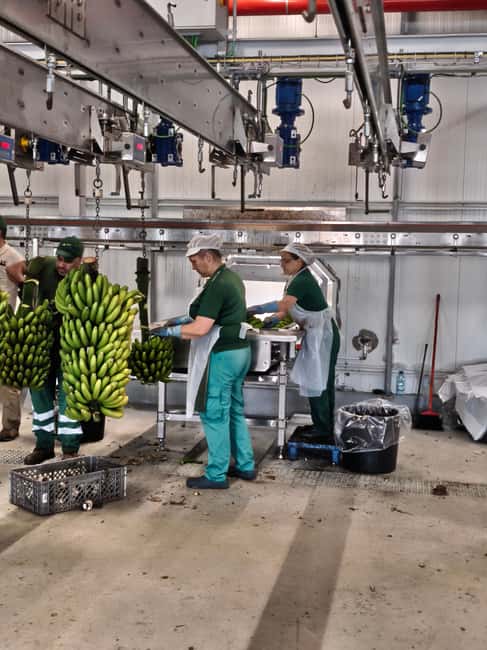
The stop in Porto da Cruz lasts about 40 minutes and shifts the story from food crops to sugarcane spirits.
You visit one of Madeira’s oldest rum factories and see steam machines that remain part of the production process. During the sugarcane season, usually April to May, the machinery is operating. Outside that period, you may see the equipment without seeing it in motion.
This seasonal detail is important. If the factory machinery is a major reason for booking, aim for the sugarcane season. At other times, the stop still offers an old industrial setting and a rum tasting, but the working production element may be limited.
Porto da Cruz adds variety to the day. You have already seen bananas and fruit trees, so sugarcane shows another side of Madeira’s farming economy. The factory is also in a striking coastal area, and one family found this stop unexpectedly enjoyable because of the remote beach setting.
The rum tasting is included. If you do not drink alcohol, you can still appreciate the machinery and the production story, but the tasting itself will not add much value for you.
The family cattle farm near Caniço
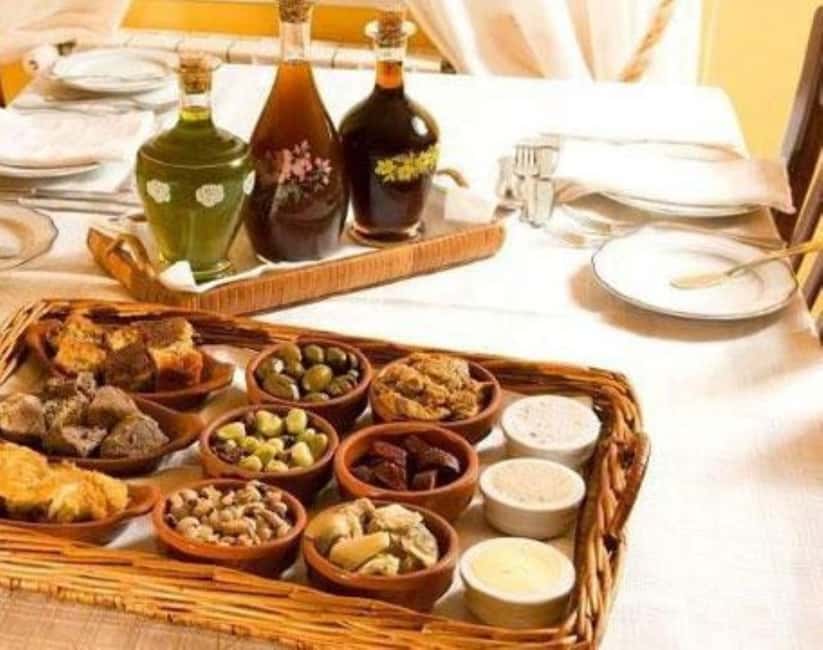
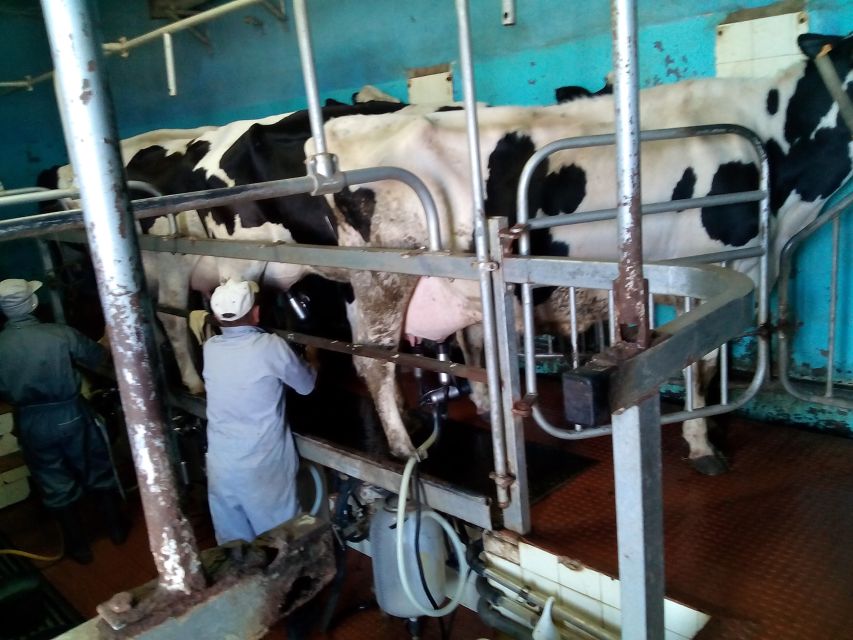
The final major visit is to a private cattle farm with more than a century of family involvement in the trade. It is described as an important milk supplier for the production of Madeira’s requeijão cheese.
The visit includes old milking techniques and an explanation of the farm’s role. You also get attractive rural views, making this a pleasant closing stop before returning to Funchal.
This is not a polished farm park with a large visitor setup. The appeal is the family connection and the chance to see a working agricultural tradition. You may also encounter animals along the route, which can make the day more engaging for children.
The cattle visit helps broaden the tour beyond crops. Madeira’s food culture depends on livestock as well as fruit and sugarcane, and requeijão gives you a direct link between the farm and a local product.
Because this is a working private farm, conditions may be more basic than at a purpose-built attraction. That is part of the point, but it also means you should arrive in practical clothing and follow the guide’s instructions around animals and farm equipment.
Transport, timing, and the small-group advantage
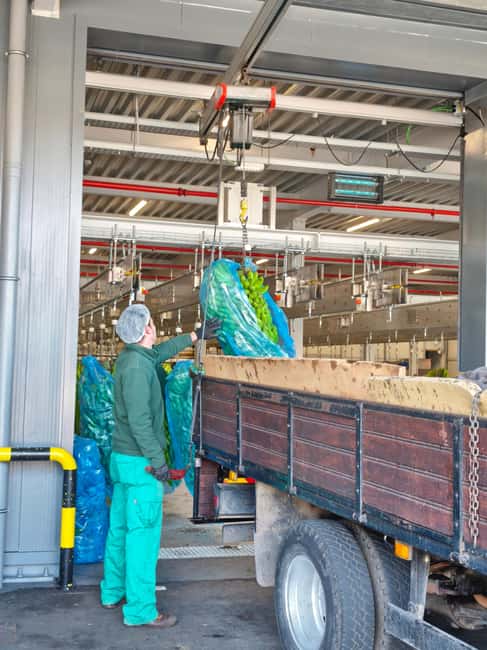
The excursion lasts about six hours. Pickup and drop-off are available from hotels and meeting points in Funchal, Caniço, Garajau, and Santa Cruz according to the published arrangements, but the pickup notes are not fully consistent about Santa Cruz.
If you are staying in Santa Cruz, Calheta, Ponta do Sol, Santana, or Sao Vicente, confirm the meeting point before booking. Some of these areas require you to meet the guide in Funchal or Caniço. A meeting point is also listed at the Hotel Madeira Panoramico parking area for some visitors, with free parking.
You should wait in the hotel lobby 10 minutes before pickup. Delays of up to 15 minutes can happen because of traffic, road works, or accidents. Check your email and WhatsApp messages because pickup times may vary by hotel and route.
The group limit of eight is a real advantage here. A large coach would make a private farm visit feel awkward, while a small vehicle can handle the rural roads more easily. You also have a better chance to ask about grafting, cattle, or banana production without waiting through a long line of questions.
The tour does not operate on bank holidays, Christmas Day, or January 1. Children under six and wheelchair users cannot take part.
What the $100 price really buys
At $100 per person, this is a full-value day rather than a cheap sightseeing ride. The price includes hotel transport in the covered areas, access to the banana farm, banana business, agriculture school, and cattle farm, plus lunch with drinks, coffee, and rum tasting.
The variety is the main reason to consider it. You receive several guided visits that would be difficult to arrange independently, especially the private farm access. You also avoid the work of finding a rural restaurant and organizing transport across the island.
The tradeoff is limited free time. The itinerary gives about 40 minutes at the banana field, 45 minutes at GESBA, an hour at the agriculture school, an hour for lunch, 40 minutes at the rum factory, and 40 minutes at the cattle farm. Those timings leave little room for wandering.
I would book it for a first visit when you want an organized introduction to Madeira’s food and farming. I would skip it if you have already arranged a private agricultural tour or prefer spending a whole day in one village.
Who will enjoy this day most
This experience fits you best if you enjoy local food, working farms, traditional production, and small-group touring. It is also a good choice for families with children aged six and above, since the animals, fruit trees, and changing stops keep the subject matter varied.
Food lovers should pay attention to the lunch and tastings. You get seasonal fruit when available, banana tasting when ripe fruit is on hand, local dishes, dessert, rum, and a look at requeijão production.
It also suits visitors who want more than scenery but do not want to plan a complicated self-drive route. The guide handles the transport and provides explanations in four languages.
You may prefer another tour if your main goal is hiking, swimming, architecture, or long scenic stops. This is an agriculture day with several short visits, not a relaxed beach excursion or a focused food workshop.
Should you book the Funchal Agriculture Green Tour?
Book it if you want to understand Madeira through its farms, food, and working traditions. The private banana and cattle visits, agriculture school, full local lunch, and Porto da Cruz rum factory give you a broad look at the island in six hours.
I especially recommend it during April or May if seeing the rum factory’s steam machines in operation matters to you. In winter, keep your expectations realistic about seasonal fruit tastings.
Before paying, confirm your pickup point, particularly if you are staying outside Funchal or Caniço. Bring comfortable shoes and a warm layer, then expect a busy but rewarding day with plenty of conversation, farm animals, local food, and practical insight into Madeira’s rural life.
FAQ
How long does the Funchal Agriculture Green Tour last?
The tour lasts six hours, including transportation between the farms, agriculture school, lunch stop, rum factory, and cattle farm.
How much does the tour cost?
The listed price is $100 per person.
What is included in the price?
Hotel pickup and drop-off in the covered areas, entrances to the banana farm, banana business, agriculture school, and cattle farm are included. Lunch includes local food, tapas, dessert, drinks, and coffee. Rum tasting is also included.
Where can pickup and drop-off be arranged?
Pickup and drop-off are listed for Funchal, Caniço, Garajau, and Santa Cruz, but the supplied pickup information gives different instructions for Santa Cruz. Confirm the exact meeting point before booking if you are staying there. Some visitors from other parts of Madeira can meet the guide in Funchal or Caniço.
Is the rum factory machinery always operating?
No. The steam machines operate during the sugarcane season, generally from April to May. Outside that period, the factory visit and rum tasting can still take place, but the machines may not be running.
Is banana tasting guaranteed?
No. Banana tasting is offered when ripe bananas are available. In winter, ripe fruit is not always available.
What should I bring, and who cannot take part?
Bring comfortable shoes and warm clothing, including a jacket. The tour is not suitable for children under six or wheelchair users. It does not operate on bank holidays, Christmas Day, or January 1.
Recently reviewed around Funchal
- Madeira: Wine & Tapas, Cabo Girão Skywalk 4×4 Jeep Adventure★ 4.5 · 132 reviews
- Madeira : Trike Guided Tour of the Island★ 4.8 · 40 reviews
- Madeira Stairway to Heaven to Larano Hike Mountain to Sea★ 4.9 · 47 reviews
- Madeira: PR8 -Ponta de São Lourenço Natural Reserve Transfer★ 4.9 · 392 reviews
- From Funchal: Madeira Lakes Levada Guided Hike★ 4.6 · 88 reviews
- Funchal: Explore Canyoning Level 1 Rochão★ 5.0 · 72 reviews
- Go Explore Canyoning Level 2 (Nun’s Valley) .★ 5.0 · 63 reviews
- Funchal: Whale Watching and Swimming with Dolphins Cruise★ 4.5 · 111 reviews
Madeira Tours, compared.

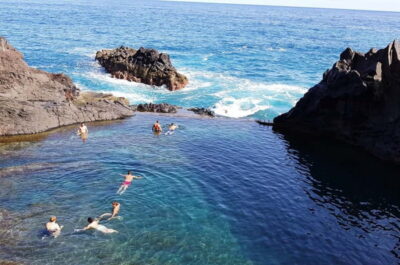
Skywalk, Porto Moniz, Seixal, and Fanal 4WD Tour
Read our review →
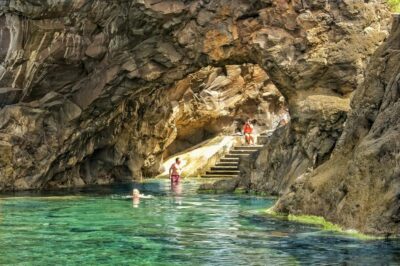
Enchanted Terraces, Porto do Moniz & Fanal 4WD Tour
Read our review →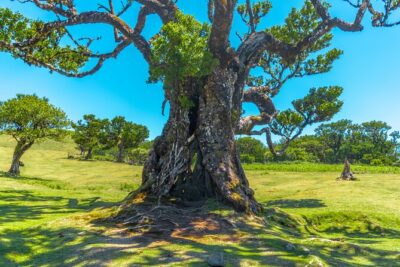
Porto Moniz, Seixal, Fanal Forest, Cliff Skywalk in Open Roof 4X4
Read our review →

Browse the lists this tour appears in