
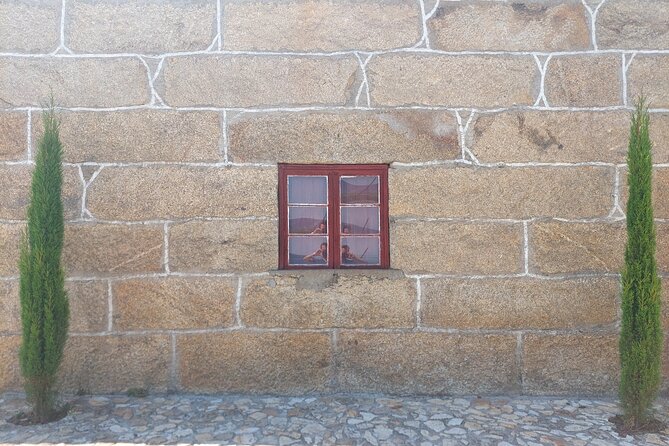
Reviewed · WINE TASTINGS & PORT CELLARS
Classic Wine Tasting with GUIDED TOUR
Quinta do Beijo offers a compact look at northern Portugal’s wine culture, moving from the centennial cellars to a tasting of three table wines and two Ports. I like the clear five-wine format, and I like that the visit explains both traditional and modern winemaking rather than rushing straight to the glasses.
The main drawback is the short length. At about 50 minutes, this is a focused introduction, not a leisurely vineyard day, so you should book it for a concise cellar visit rather than a long meal or full winery outing.
In This Review
- Key points at a glance
- A short visit with real wine variety
- Entering Quinta do Beijo’s centennial cellars
- Three table wines in the authentic cellar
- A separate look at the Port cellar
- What the guide can add to the experience
- Is the $30.23 price good value?
- Timing, meeting point, and practical planning
- Who will get the most from this visit?
- Should you book the Quinta do Beijo tasting?
- FAQ
- Where does the wine tasting take place?
- How long does the visit last?
- How many wines are included?
- Is the tour offered in English?
- Is this a private tour?
- Where does the experience end?
- Is a mobile ticket available?
- What is the cancellation policy?
Key points at a glance
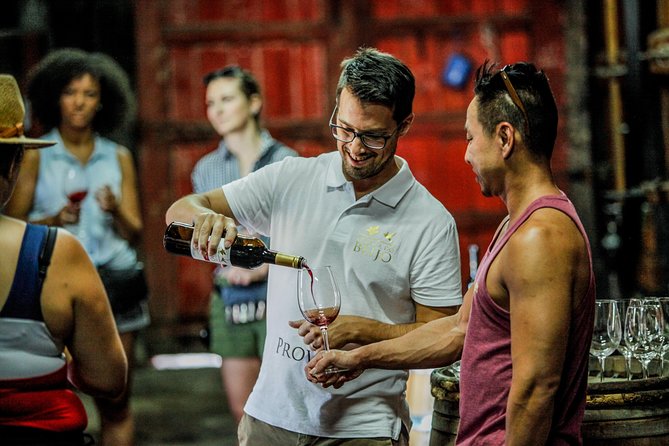
- Five wines in one visit: Taste three table wines followed by two Port wines.
- Centennial cellar setting: The tour takes place inside Quinta do Beijo’s historic wine property and cellars.
- Traditional and modern methods: The guide explains how both approaches shape production.
- Private experience: Only your own group participates, giving the visit a more personal feel.
- Owner-led possibility: A member of the family or winery team may lead the tour, adding humor and first-hand insight.
- Simple timing: The visit lasts roughly 45 minutes to one hour and returns you to the starting point.
A short visit with real wine variety

The appeal here is easy to understand. In less than an hour, you move through the working heart of Quinta do Beijo and taste two different sides of Portuguese wine: table wine and Port.
Many brief tastings focus on one style. This one gives you five wines, which makes the experience more useful if you are still learning what you like. You can compare the table wines with the fortified Ports while the winemaking explanation is still fresh in your mind.
That format also helps you place Port in context. Port is not simply another red wine poured in a smaller glass. It has its own production methods and cellar traditions, and the tour gives you a separate stop in the Port cellar to explore that difference.
The visit is offered in English, which keeps the presentation accessible for international visitors. The exact guide is not named in the available information, but a member of the winery team may lead the tour. One particularly strong feature is the chance that the owner himself will conduct it. That can turn a standard explanation into a more personal conversation, with practical knowledge and a good sense of humor.
More Braga & Guimaraes trips worth a second look
- Lamego: Quinta da Portela de Baixo Winery Tour and Tasting
★ 4.9 · 188 reviews - Private Culture and Wine Tourism Tour
★ 5.0 · 43 reviews - From Porto: Douro Valley w/ Boat Tour, Wine Tasting & Lunch
★ 4.7 · 19,061 reviews
Entering Quinta do Beijo’s centennial cellars
Your visit begins at Quinta do Beijo, at R. de São Bento No. 1 in 5060-011, Portugal. The property itself is the setting for the experience, so you are not simply being taken into a tasting room detached from the wine operation.
The first part is an interactive tour of the centennial cellars and property. The word interactive matters here, since the visit is meant to explain how the winery works rather than offer a silent walk through old rooms.
You can expect the guide to introduce the traditional and modern vinification processes. That comparison gives the tour substance. Old cellars are pleasant to see, but the useful question is how wine is actually made and how a historic producer handles current methods. This experience addresses both sides.
The supplied details do not specify every room you will enter or the exact equipment on display, so you should not expect a highly technical facility tour with a fixed list of machines. Instead, think of this portion as a guided explanation of the winery’s methods, supported by the setting of the historic property.
For anyone who has only tasted Portuguese wine at a restaurant, this is a helpful first step. You receive enough background to make the tasting more than a series of unrelated pours.
Three table wines in the authentic cellar
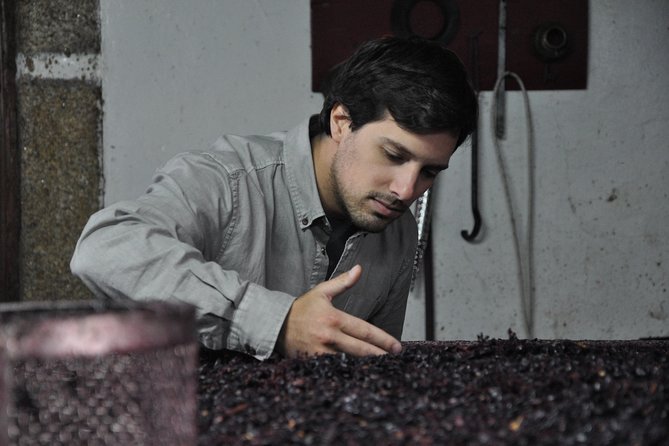
The first tasting takes place in the authentic cellar and includes three table wines. This is a sensible starting point because table wine lets you assess the winery’s regular wine production before moving to Port.
Three samples give you room to compare. You can pay attention to differences in style, body, sweetness, and finish without having to remember a dozen pours. The guide’s explanation of production methods should also help you connect what is in the glass with what you have just seen in the cellar.
The available information does not name the specific wines or vintages. That means the selection may vary, and you should not book expecting a particular bottle unless Quinta do Beijo confirms it directly. This is a small but important point for serious collectors or anyone planning a purchase around one known wine.
For most people, the lack of a fixed wine list is not a major problem. A tasting built around current cellar offerings can give you a more accurate sense of what the winery is pouring during your visit. It simply means the experience is better suited to exploration than to checking off a famous label.
I like the way this part balances instruction with tasting. You are not asked to sit through a long lecture before receiving any wine. The explanation and samples are woven together, keeping the pace lively.
A separate look at the Port cellar
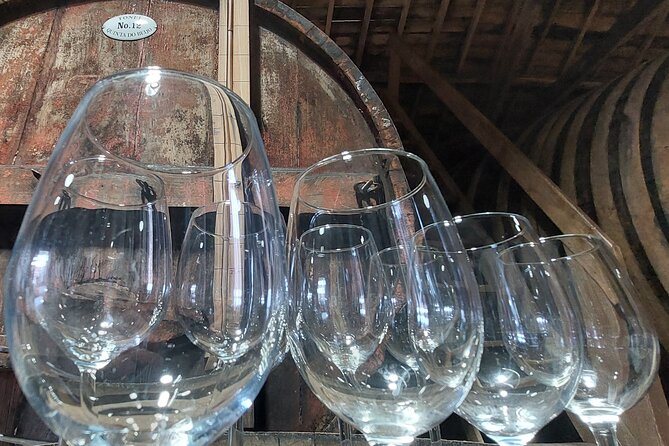
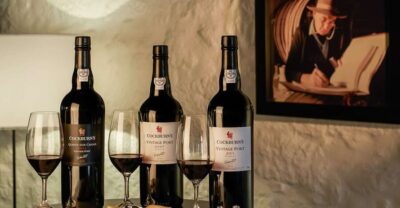
After the table wines, you move to the Port cellar for two Port wine tastings. This change of setting gives the second half of the visit a clear purpose.
The two Port pours let you compare the fortified style with the table wines you have just tasted. Even without an advanced wine vocabulary, you can think about sweetness, strength, texture, and how the wines differ at the end of a meal.
The information provided does not identify the Port styles. You should therefore avoid assuming that you will taste a particular category, age, or vintage. If a specific Port matters to you, ask before booking or at the start of the visit.
Still, two Port wines are enough to make the subject more than a quick token sample. The separate Port cellar also gives the guide a natural chance to explain why this wine has its own place in Portuguese culture and production.
This is likely the most distinctive part for people who have tasted table wine in Portugal but have not visited a Port producer. It adds variety without turning the tour into a long formal tasting course.
More Braga & Guimaraes food and drink outings:
- PREMIUM TASTING and TAPAS with GUIDED TOUR
★ 5.0 · 66 reviews - Winner 2025 Undiscovered Lisbon Food & Wine Tour by Eating Europe
★ 5.0 · 6,390 reviews - Porto: Cálem Cellar Tour, Interactive Museum & Wine Tasting
★ 4.5 · 4,113 reviews - Lisbon: Food and Wine Small Group Walking Tour
★ 4.9 · 4,082 reviews
What the guide can add to the experience
The strongest personal touch comes from the guide. The available feedback describes the visit as informative and entertaining, with special praise for the occasion when the owner led the tour. His advantage is not just technical understanding. As the owner, he can bring first-hand stories and a direct connection to the property.
No guide name is supplied, so I would not plan around meeting a particular person. The quality of a private visit may depend somewhat on who is leading it that day. Even so, the possibility of an owner-led tour is a real plus.
A funny guide can make a difference in a short experience. Wine explanations can become heavy with terms, but humor helps you remember the basic ideas. The best version of this tour should leave you with a working grasp of how wine is made, plus a few clear differences between table wine and Port.
Because only your group participates, you have a better chance to ask questions than you would in a large shared group. The private format is especially useful if your party includes people with different levels of wine experience. A beginner can ask basic questions without feeling out of place, while a more experienced taster can request additional detail.
The private format does not guarantee a long or highly customized session. The visit remains about 50 minutes, and the supplied description does not promise a special menu, vineyard walk, or extended consultation. Its value lies in personal attention within a compact schedule.
Is the $30.23 price good value?
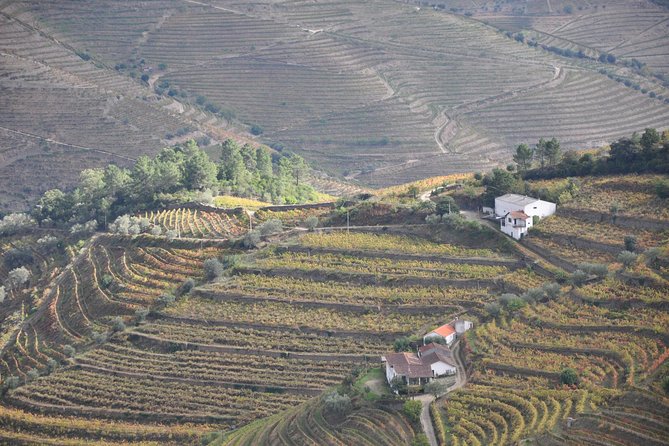
At $30.23 per person, the cost is reasonable if you want both education and a five-wine tasting in a historic cellar. You are paying for a guided visit, a private group format, three table wines, and two Ports, not just a few samples at a counter.
The price makes the most sense for someone already planning to be near Quinta do Beijo. Since the meeting point and ending point are the same, the experience does not include transportation to or from the property. You will need to arrange your own way there.
That is not a flaw, but it changes the calculation. If you are comparing this with a large winery excursion that includes transport and several stops, this is a different product. Quinta do Beijo offers a concentrated cellar visit, while a full-day wine route would give you more places and more travel.
I would also factor in the private arrangement. A lower-priced shared tasting may provide similar wine quantities, but not the same setting for your own group. If you value questions, a quieter pace, or a more direct exchange with the guide, the price becomes easier to justify.
For a short stop, the cost is strongest when you make use of the explanation. If you only want to drink five wines quickly, you may find the visit more structured than necessary. If you want to understand what you are tasting, the combination is more worthwhile.
Timing, meeting point, and practical planning
The official duration is approximately 45 minutes to one hour, with the guided visit itself listed at about 50 minutes. That makes it easy to fit into a day with other plans, but you should still allow extra time around the appointment for arrival and departure.
The meeting point is Quinta do Beijo, Sociedade Agrícola e Comercial Lda, R. de São Bento No. 1, 5060-011, Portugal. The activity ends at that same meeting point.
A mobile ticket is available, and the experience is offered in English. Confirmation is received when you book, which is useful if you are organizing several stops in northern Portugal.
The tour is booked an average of 14 days ahead, so I would not treat it as something to leave until the last minute if your schedule is fixed. That does not mean a last-minute place is impossible. It does mean advance planning is sensible, especially if you want a certain day.
Service animals are allowed, and most people can participate. The activity is private, with only your group taking part. The available information does not describe specific accessibility features, so anyone with particular mobility needs should confirm details with the provider before booking.
Cancellation is flexible up to 24 hours before the start time, with a full refund available if you cancel by then. Changes or cancellations made less than 24 hours before the start time are not accepted for a refund, and the cut-off follows local time.
Who will get the most from this visit?
I would recommend this experience to anyone who wants a short, organized introduction to Portuguese wine without committing half a day. It suits couples, families with adult children, and small private groups who prefer their own conversation over a large tasting room.
It is also a good choice for people curious about the difference between table wine and Port. The five-wine structure gives you a useful comparison, and the two cellar settings help separate the subjects.
Wine beginners should feel comfortable here. The tour is built around basic winemaking information, and the chance to ask questions privately removes some of the pressure that can come with formal tastings.
More serious wine students may enjoy the owner connection and cellar setting, but should check the exact wines in advance if they want particular vintages or Port styles. The supplied details do not promise a detailed technical seminar or a set bottle lineup.
You may want to choose another kind of activity if your priority is a long lunch, a large vineyard walk, several wineries, or transportation from your hotel. None of those features is included in the information provided.
Should you book the Quinta do Beijo tasting?
Book it if you want a compact, private cellar visit with five wines and a clear introduction to both table wine and Port. The owner-led possibility, entertaining style, and balance between traditional and modern production give the experience more character than a basic pour-and-leave tasting.
Skip it if you need a full-day wine route, a guaranteed named guide, or a fixed list of famous bottles. For everyone else, the $30.23 price is fair for a focused 50-minute visit, especially when you are already arranging your own time in northern Portugal.
FAQ
Where does the wine tasting take place?
The experience takes place at Quinta do Beijo, Sociedade Agrícola e Comercial Lda, R. de São Bento No. 1, 5060-011, Portugal.
How long does the visit last?
The experience lasts approximately 45 minutes to one hour. The guided visit is listed at about 50 minutes.
How many wines are included?
You taste three table wines in the authentic cellar and two Port wines in the Port cellar, for five wines in total.
Is the tour offered in English?
Yes. The experience is offered in English.
Is this a private tour?
Yes. Only your own group participates in the activity.
Where does the experience end?
The activity ends back at the Quinta do Beijo meeting point.
Is a mobile ticket available?
Yes. The experience includes a mobile ticket, and confirmation is received at the time of booking.
What is the cancellation policy?
You can cancel up to 24 hours before the experience start time for a full refund. Cancellations or changes made less than 24 hours before the start time are not accepted for a refund.
Recently reviewed around Braga & Guimaraes
- Rafting Experience on the Minho River with Coraltours Minho★ 5.0 · 70 reviews
- PREMIUM TASTING and TAPAS with GUIDED TOUR★ 5.0 · 66 reviews
- From Arouca: 516 Arouca Bridge & Paiva Walkway Tour★ 5.0 · 40 reviews
- Private Rafting Experience in Melgaço★ 5.0 · 186 reviews
- Dirt and Dust Tour by Oporto Buggy★ 4.5 · 63 reviews
- 30 minutes Buggy Ride★ 5.0 · 49 reviews
- Water Canyoning★ 5.0 · 47 reviews
- KAYAK TOUR: Descend the Beautiful Lima River★ 5.0 · 82 reviews
Wine Tastings & Port Cellars, compared.

Douro Valley w/ Boat Tour, Wine Tasting & Lunch
Read our review →

Live Fado Show with Port Wine in Historic Center
Read our review →
Cálem Cellar Tour, Interactive Museum & Wine Tasting
Read our review →
Douro Valley Small-Group Tour with Wine Tasting, Lunch and Boat
Read our review →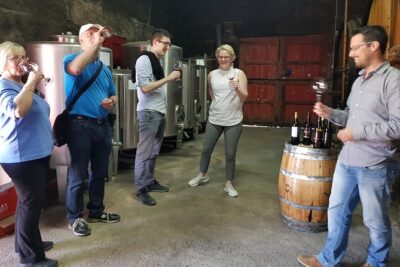
Douro Valley Tour: 2 Vineyard Visits, River Cruise, Winery Lunch
Read our review →
Browse the lists this tour appears in